Ancient
Unveiling the Enigma: The Mysteries of Anantha Padmanabha Swamy Temple
Introduction Rested in the heart of the enchanting city of Thiruvananthapuram in Kerala, India, lies a temple that has captivated the imagination of people for centuries - the Anantha Padmanabha Swamy Temple. This sacred edifice, dedicated to Lord Padmanabha, is not just a place of worship but also a treasure trove of enigmatic mysteries that have baffled historians, archaeologists, and devotees alike. In this article, we will delve into the intriguing mysteries surrounding the Anantha Padmanabha Swamy Temple, exploring its hidden chambers, colossal wealth, and the unique deity it venerates.
By Harika Vaddi3 years ago in History
2 short stories - 1. Lord Vinayakar helps Lord Murugan
Once Lord Murugan, The God of forever beauty is walking in forest. He sees a very beautiful woman and fell in love with her. The woman is the daughter of forest’s king. Her name is Valli. So Lord Murugan goes to meet Valli and proposed to marry her. Valli is not in love with Lord Murugan so she rejected him.
By Sai Suhasini Ramalingam3 years ago in History
Beyond Belief: Exploring Deity, Origins, and the Cosmic Connection
Introduction The subject of deity has been a cornerstone of human contemplation for centuries, offering a wellspring of spiritual and philosophical inquiry. In our quest to understand our origins and the existence of a higher power, the concept of God or gods remains a profound and evolving enigma. This article embarks on a journey through the complexities of divinity, delving into the mysteries surrounding it, and contemplating the intriguing possibility of extraterrestrial involvement in shaping the course of humanity.
By Harika Vaddi3 years ago in History
Medieval Torture: Unearthing the Darkest Chapters of History
Introduction The medieval period, spanning roughly from the 5th to the 15th century, is often romanticized for its knights, castles, and tales of chivalry. Yet, beneath this façade of valor and honor lies a grim and terrifying reality: the brutal and inhumane methods of torture and punishment that were employed during this era. As we delve into this unsettling chapter in human history, we will explore the gruesome world of medieval tortures that defy imagination. These instruments and techniques, born out of cruelty and desperation, reveal the depths of human suffering and the horrors that once haunted the dungeons and chambers of the past.
By Harika Vaddi3 years ago in History
Unsolved mystery of Jesus
An ancient stone tablet has been discovered, and the deciphering of its secrets has the potential to challenge a fundamental belief of Christianity. The tablet appears to narrate the story of a messiah who is killed and resurrected after three days, a narrative that may sound familiar. However, it is important to note that this messiah may not be Jesus. Investigative journalist Simka Yakubovic has been unearthing the hidden secrets of Christianity, delving into deserts, tombs, and locations such as Rome and the Holy Land. Through her research, Simka seeks to uncover the truth behind historical myths, long-held beliefs, and some of the most significant biblical stories ever told.
By Rotondwa Mudzweda3 years ago in History
African origin according to bible
Welcome to the exciting world of Mythology Channel! Did you know that black people, one of the largest ethnic groups in the world, have a fascinating history that is even documented in the Holy scriptures? Surprisingly, the Bible talks about the origins of African people, including their melanin kings and queens. In this video, you will discover fun facts about the biblical ancestors of black and African peoples. We would love for you to leave your likes, comments, and subscribe to our channel!
By Rotondwa Mudzweda3 years ago in History
In 1211 Alexios III Angelos
In 1211 Alexios III Angelos, the emperor who had fled Constantinople in 1204, suddenly popped up again. He had spent years roving about, including time spent in Lombardy as a hostage, and now appeared at the court of the Seljuk sultan, Kaykhusraw.
By Shaswar Ali3 years ago in History
The Zodiac
A Cosmic Mirror Reflecting the Essence of Humanity" Introduction: In a world filled with diverse cultures, beliefs, and traditions, there exists a unifying thread that transcends borders and time – the Zodiac. This celestial tapestry of twelve constellations has woven itself into the fabric of human history, providing guidance, fascination, and a profound sense of connection to the cosmos. In this article, we embark on a journey through the Zodiac, exploring its ancient origins, its enduring relevance, and the ways in which it reflects the beautiful tapestry of human existence.
By PAUL COMPUTERS 4U3 years ago in History
How Many Wives Did Alparslan Have? Shocking Answer!
Alparslan, a prominent historical figure, is renowned for his remarkable leadership and contributions to history. In this comprehensive article, we delve into the intriguing aspect of his personal life—how many wives did Alparslan have. Join us on this journey to uncover the lesser-known facets of this great leader's life.
By Exotic History3 years ago in History
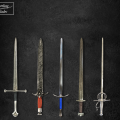
How Ancient Filipino Sword are Made by A Royal Blacksmith
Ancient Filipino swords, like the Kris, Barong, and Panabas, were traditionally crafted through a meticulous and skilled process. Here's a simplified overview of how these swords were made: 1. **Selecting Materials:** The process starts with selecting the appropriate materials. The blade is typically made from high-carbon steel, which is known for its durability and sharpness. The quality of the steel is crucial for a functional and reliable weapon. 2. **Forging the Blade:** The selected steel is heated in a forge until it becomes malleable. The blacksmith then hammers and shapes the heated metal into the desired blade shape. For swords like the Kris, the distinctive wavy pattern of the blade is achieved during this step. 3. **Quenching:** After shaping the blade, it is rapidly cooled in a liquid, like water or oil, to harden the steel. This process, known as quenching, helps improve the blade's hardness and sharpness. 4. **Tempering:** The hardened blade is then heated again to a specific temperature and slowly cooled. This tempering process reduces the blade's brittleness while maintaining its strength. 5. **Grinding and Polishing:** The blade is meticulously ground to its final shape and then polished to a high shine. This step enhances both the sword's appearance and its cutting edge. 6. **Handle and Hilt:** The handle and hilt are crafted separately. The handle, often made from wood or bone, is carved and shaped to fit the tang (the part of the blade that extends into the handle). The hilt, which is the guard and pommel of the sword, is created and attached to the handle. 7. **Assembly:** The blade is affixed securely to the handle, and any additional decorative elements or fittings are added. 8. **Decoration:** Many Filipino swords are known for their ornate designs. This might include engravings, inlays, or decorative materials like brass, silver, or gold. 9. **Final Inspection:** The completed sword is carefully inspected to ensure it meets the desired quality and functionality standards. 10. **Sheath:** A sheath or scabbard is often crafted to protect the blade when not in use. These, too, can be intricately decorated. It's important to note that the specific techniques and styles can vary across different regions and communities in the Philippines. Traditional sword-making was not only a practical craft but also a way of preserving cultural identity and heritage. The skills and knowledge required to create these swords were typically passed down through generations, just as Datu Halun Asakil mentioned in his story.
By Raymark Marcos3 years ago in History
How Many Children Did Abraham Have? Shocking Number!
Abraham, a pivotal figure in the history of monotheistic religions, holds a special place in the hearts of Jews, Christians, and Muslims alike. One of the intriguing aspects of Abraham's life is his family, particularly the number of children he had. In this article, we will delve into the question: how many children did Abraham have? We will explore his descendants and the profound influence they had on the world's major Abrahamic faiths.
By Exotic History3 years ago in History