Ancient
Hitler's Last 10 Days
Hitler's Last 10 Days The last ten days of Adolf Hitler’s life are among the most significant and dramatic moments in history. By April 1945 World War II was nearing its end and Nazi Germany was on the verge of complete collapse. Soviet forces were closing in on Berlin and Hitler had chosen to remain in the capital refusing to flee. He had taken refuge in the Führerbunker an underground shelter beneath the Reich Chancellery where he was surrounded by his closest advisors guards and staff. Outside Berlin was crumbling under relentless bombardment but inside the bunker Hitler was trapped in a world where delusion and reality had blurred. April 20, 1945 marked Hitler’s 56th birthday but it was far from a celebration. High ranking Nazi officials like Joseph Goebbels and other loyalists formally congratulated him, but the atmosphere was grim. As he stepped out of the bunker he met with a group of young soldiers many just sixteen or seventeen who had been hastily recruited to defend Berlin. He shook their hands knowing well that they were untrained and stood little chance against the advancing Soviet army. Yet he remained fixated on his belief that Germany could still turn the war around. In the following days as Soviet forces pushed deeper into Berlin Hitler’s psychological state deteriorated rapidly. He held frequent meetings with his generals demanding updates but every report was bleak. By April 22 during a heated conference he erupted in rage accusing his commanders of betraying him and failing to follow his orders. It was at this moment that he first openly admitted that Germany had lost the war. His generals realizing the futility of resistance knew that staying in Berlin meant certain death. However no one dared to contradict him.
By Adnan Rasheed2 years ago in History
The Lost Wealth of the British Empire: A Colonial Treasure Trail. AI-Generated.
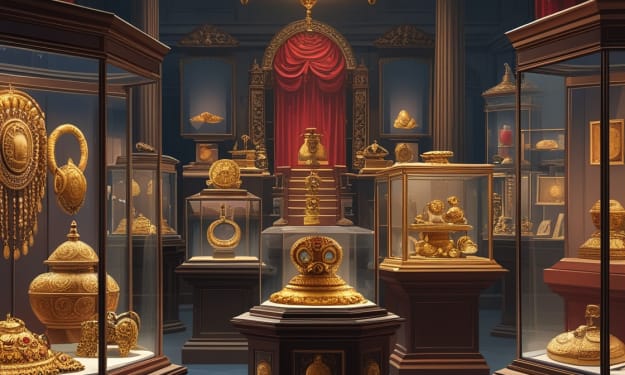
The Absent Treasures of the British Empire: A History of Colonial Looting and Their Fate The British Empire, at its height, was the better authority in history, spanning continents and cardinal over all-inclusive territories. With this ascendancy came the bloodthirsty of resources, wealth, and cultural artifacts from assorted colonies. Some of the best admired treasures of the world, including jewels, artworks, and actual artifacts, were taken from colonized nations and transported to Britain. While some of these treasures abide in British museums and aristocratic collections, others accept been lost, stolen, or acknowledged over the years. This commodity explores the history of Britain's looted treasures, their fate, and the advancing debates over their applicable ownership. Colonial Looting: How Britain Amassed Its Treasures Throughout the colonial era, British armament and administrators systematically acquired—or forcibly took—numerous treasures from active lands. Some of the best notable acquisitions occurred during wars, conflicts, and administrative expeditions. Below are some of the best abominable examples: 1. The Koh-i-Noor Design (India) One of the best acclaimed treasures looted by the British is the Koh-i-Noor diamond. Originating from India, this 105.6-carat design has a continued and blood-soaked history. It was bedeviled by the British afterwards the Anglo-Sikh wars and formally presented to Queen Victoria in 1850. Today, the design is allotment of the British Crown Jewels, set in the Queen Mother’s Crown. Admitting again requests from India, Pakistan, and alike Afghanistan for its return, Britain has banned to abandon it, citation circuitous actual claims. 2. The Benin Bronzes (Nigeria)
By Say the truth 2 years ago in History
Why Pilgrims Flock to Kamakshi Amman Temple: The Divine Blessings That Await You
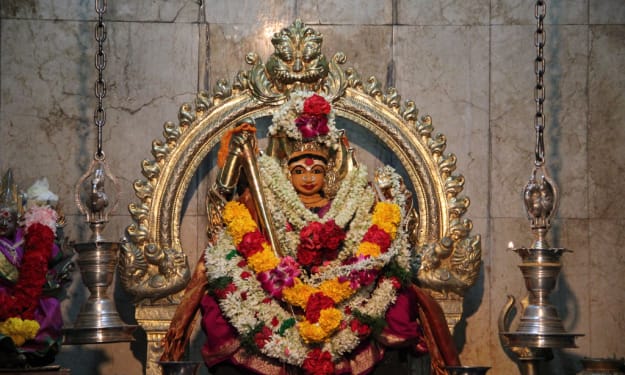
Introduction: A Sacred Journey to Divine Grace Kamakshi Amman Temple, located in Ukkal (Madaavalam), near Cheyyar, Tamil Nadu, has long been a renowned destination for pilgrims and spiritual seekers from all over India and beyond. Dedicated to Sri Kamakshi Ambal, the goddess of love, compassion, and divine feminine energy, this sacred temple offers divine blessings that touch the hearts of all who visit. Whether seeking spiritual solace, healing, or divine protection, pilgrims flock to Kamakshi Amman Temple to experience the transformative power of the goddess’s presence.
By Sri Kamakshi Ambal Temple2 years ago in History
The Journey of Faith: What Kamakshi Amman Temple Offers to Devotees at Every Step
Kamakshi Amman Temple, located in Kanchipuram, Tamil Nadu, is not just a place of worship—it is a journey of faith of faith that transforms the hearts and souls of all who walk through its doors. Dedicated to Sri Kamakshi Ambal, the goddess of compassion, love, and protection, this ancient temple serves as a guiding light for spiritual seekers, offering blessings at every step of their journey. For centuries, devotees have come to this sacred space to find divine solace, healing, and guidance, allowing their faith to deepen and strengthen.
By Sri Kamakshi Ambal Temple2 years ago in History
The Legendary Wealth of King Solomon
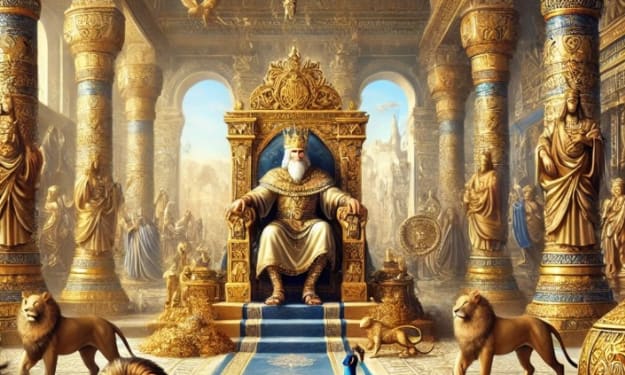
The Abundance of King Solomon: How He Amassed His Fortune King Solomon, the biblical adjudicator of age-old Israel, is broadly admired as one of the wealthiest kings in history. His abundance were legendary, with all-inclusive amounts of gold, adored stones, and absurd palaces beneath his control. But how did Solomon aggregate such immense wealth? This commodity explores the sources of his fortune, including trade, taxation, tributes, mining, and his affiliation to the absent treasures of Ophir. 1. The Golden Age of Israel Solomon disqualified Israel during a aeon of accord and abundance in the 10th aeon BCE. His administration followed that of his father, King David, who had accustomed a able and abiding kingdom. Unlike David, who spent abundant of his administration at war, Solomon focused on bread-and-butter expansion, diplomacy, and all-embracing architecture projects. One of his best acclaimed achievements was the architecture of the First Temple in Jerusalem, which became the airy and bread-and-butter centermost of the kingdom. This temple was reportedly adorned with massive amounts of gold and added adored materials, emblematic the immense abundance beneath Solomon’s rule. 2. Barter and Commerce: The Backbone of His Wealth One of Solomon’s primary sources of abundance was all-embracing trade. He accustomed advantageous barter routes with adjoining empires, including Egypt, Phoenicia, Sheba, and Mesopotamia. Phoenician Alliance: Solomon formed an accord with King Hiram of Tyre (modern-day Lebanon), who provided accomplished activity and cedarwood to body Solomon’s temple and palaces. In return, Solomon exported agronomical appurtenances and accustomed affluence items, including silver, ivory, and accomplished textiles. Egyptian Trade: Solomon anchored barter agreements with Egypt, acceptance him to acceptation horses and chariots, which were admired bolt at the time. Arabian Barter Routes: His admission continued into the Arabian Peninsula, area he controlled key barter routes that transported spices, incense, and alien goods. His agile of ships, congenital with the advice of Phoenician sailors, catholic the Red Sea and the Indian Ocean, bringing aback gold, silver, and attenuate artifacts. 3. The Allegorical Mines of Ophir One of the best abstruse sources of Solomon’s abundance was the gold of Ophir. Ophir is mentioned in the Bible as a acreage affluent in gold, but its exact area charcoal unknown. Some advisers accept it was in Africa (possibly modern-day Zimbabwe), while others advance it was in India or Arabia. Solomon’s ships, accepted as the “Ships of Tarshish,” were said to accompany back: Gold (estimated to be over 16 bags annually) Precious stones like emeralds and sapphires Exotic animals such as peacocks and apes This arrival of gold fabricated Solomon one of the richest men of his time. 4. Taxation and Tribute from Added Kingdoms Solomon imposed abundant taxes on his bodies and controlled the breeze of abundance through a able taxation system. He additionally accustomed anniversary tributes from adjoining kings and rulers who approved alliances with Israel. The Bible annal that Solomon calm 666 talents of gold annually (1 Kings 10:14), which is estimated to be account over $20 billion in today’s value. This did not accommodate assets from trade, mining, and added ventures. His commonwealth was so affluent that argent was said to be as accepted as stones in Jerusalem. 5. The Role of the Queen of Sheba One of the best acclaimed belief about Solomon’s abundance involves the Queen of Sheba, who visited him with abundant gifts. She came from a affluent commonwealth (believed to be modern-day Ethiopia or Yemen) and brought: 120 talents of gold (worth over $4 billion today) Spices and incense Precious gemstones Her appointment not alone accepted Solomon’s abundance but additionally caked Israel’s position as a key amateur in all-embracing trade. 6. Architecture Projects: A Display of Wealth Solomon’s immense abundance was axiomatic in his admirable architecture projects. Some of the best notable include: The First Temple (Solomon’s Temple): Congenital application massive amounts of gold, bronze, and attenuate materials. Solomon’s Palace: A comfortable alcazar complex, abounding with gold decorations and busy carvings. The City of Megiddo and Fortresses: Strengthened barter and aggressive power. These projects appropriate all-inclusive amounts of assets and labor, added solidifying Solomon’s acceptability as a affluent and able ruler. 7. The Estimated Net Account of King Solomon Estimating Solomon’s abundance in avant-garde agreement is challenging, but historians and economists advance that his net account could accept exceeded $2 to $3 trillion. This amount includes: Over 500 bags of gold Control over above barter routes Immense acreage and adeptness ownership This would accomplish Solomon one of the richest individuals in history, before akin avant-garde billionaires like Jeff Bezos and Elon Musk. Conclusion King Solomon’s abundance was congenital on a foundation of trade, taxation, mining, and cardinal alliances. His ascendancy over key barter routes, admission to all-inclusive gold reserves, and adeptness to aggregate tributes from adjoining kingdoms fabricated him a banking assertive of the age-old world. While abundant of his abundance has been absent to history, the belief of his abundance abide to allure historians and abundance hunters alike. Would his affluence still abide today? Many accept that absent treasures of Solomon, including the gold from Ophir, abide hidden—waiting to be discovered.
By Say the truth 2 years ago in History
Uncover the Book of the Dead. AI-Generated.
The "Book of the Dead" is perhaps better described as The Book of Coming Forth by Day or The Book of Emerging into the Light. This powerful collection of spells and rituals dates back to the start of Egypt's New Kingdom, serving as a guide for the deceased in their quest to enter a glorious afterlife. But this wasn't just about reaching a typical heaven—no, it was about joining the ranks of the gods themselves.
By ADIR SEGAL2 years ago in History
The Crimson Rose
**The Crimson Rose** Lena was always intrigued by the old mansion on the outskirts of town. Its stone walls, ivy-covered and cracked, whispered secrets to anyone brave enough to listen to them. People kept their distance warily—an ancient clan had lived there once, but they had disappeared into thin air, leaving their names in oblivion. The natives avoided the property, calling it cursed. But Lena, being a quester for answers, was drawn irresistibly to the abandoned manor.
By Md Nurul Imam Babu2 years ago in History
The Hollow Heart
**"The Hollow Heart"** The sea had always fascinated Elliot. Its endless, infinite horizon echoed the hollow inside him. Since his fiancée, Clara, disappeared during a storm two years ago, he spent each evening sitting on the cliffs, staring at the waves, hoping she would return. The townspeople whispered that she was lost forever, snatched by the heartless sea. But Elliot could never believe it. He felt the presence as a cold hand brushed against his soul.
By Md Nurul Imam Babu2 years ago in History
Archaeologists Unearth Ancient Clay Puppets With Open Mouths and Detachable Heads That Resemble Modern Toy Dolls
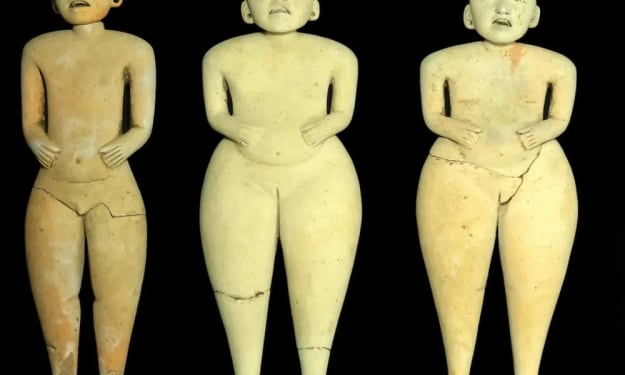
Archaeologists Unearth Ancient Clay Puppets With Open Mouths and Detachable Heads That Resemble Modern Toy Dolls. The recent discovery of ancient clay puppets in El Salvador has opened a fascinating window into the lives and culture of a Mesoamerican society that thrived over two millennia ago. Unearthed by archaeologists Jan Szymański and Gabriela Prejs from the University of Warsaw these figurines were found atop a ruined pyramid at the San Isidro site. Dating back approximately 2,400 years these artifacts known as Bolinas figurines, are rare and have been found at other Central American sites. Their intricate design including open mouths and detachable heads suggests they may have played a role in rituals storytelling or entertainment. This discovery not only adds to the understanding of Mesoamerican societies but also raises intriguing questions about their social structures artistic expressions and technological capabilities. The Bolinas figurines are remarkable in their craftsmanship. They are not simply static representations of human figures instead they possess movable parts making them unique among the artistic relics of ancient civilizations. Each puppet like figure features a hollow body an open mouth and a detachable head allowing for movement and possibly even manipulation akin to modern toy dolls or marionettes. The level of detail suggests that they were created with a specific purpose in mind possibly for ceremonial or theatrical use.
By Adnan Rasheed2 years ago in History
Epic Battles
In a time when legends were born on the battlefield and destiny was forged by the clash of steel, one battle stood as a turning point in the fate of empires. This is the story of the Battle of Aetherion, a confrontation that would echo through the corridors of history, where warriors fought not only for territory but for honor, freedom, and the future of their people.
By OWOYELE JEREMIAH2 years ago in History