Analysis
Russian Ukraine Conflicts
The Russian invasion of Ukraine is a complex and ongoing conflict that began in 2014 and has had far-reaching consequences for both countries and the international community. In order to summarize this significant event in just 1000 words, we must focus on key aspects and events that have shaped the conflict. The roots of the conflict can be traced back to Ukraine's decision to pursue closer ties with the European Union in 2013, which was met with opposition from Russia. This move by Ukraine was seen as a threat to Russia's influence in the region, particularly in Crimea, a strategically important peninsula that had been under Ukrainian control since the breakup of the Soviet Union. In February 2014, protests erupted in Ukraine's capital, Kiev, demanding closer integration with Europe and the removal of then-President Viktor Yanukovych, who had strong ties to Russia. The protests escalated into violence, resulting in Yanukovych fleeing the country. This power vacuum led to a political crisis, with Russia viewing the situation as an opportunity to exert its influence. In late February 2014, Russian military forces, without official insignia, occupied key infrastructure and government buildings in Crimea. A controversial referendum was hastily organized, which resulted in an overwhelming majority of Crimean residents voting in favor of joining Russia. The international community widely condemned the referendum as illegitimate, considering it a violation of Ukraine's sovereignty and international law. Following the annexation of Crimea, pro-Russian separatist movements emerged in eastern Ukraine, particularly in the Donetsk and Luhansk regions. These separatists, backed by Russia, sought autonomy from the Ukrainian government, citing concerns over language rights and cultural identity. The Ukrainian government, viewing the separatists as a threat to its territorial integrity, launched a military operation to regain control of the region. The conflict quickly escalated into a full-scale war, characterized by intense fighting between Ukrainian armed forces and pro-Russian separatists, with Russia providing support in the form of weapons, military equipment, and even troops. The war has resulted in thousands of casualties and displaced millions of people, creating a humanitarian crisis. Numerous ceasefires and peace agreements have been brokered, including the Minsk Protocol and Minsk II, aimed at de-escalating the conflict and establishing a lasting peace. However, these agreements have been repeatedly violated, with sporadic outbreaks of violence continuing to this day. The international response to the conflict has been varied. The United States and the European Union imposed economic sanctions on Russia in response to its actions in Crimea and Eastern Ukraine. These sanctions have had a significant impact on Russia's economy, but they have not been enough to deter its aggressive behavior. The conflict has strained relations between Russia and the West, with accusations of territorial expansion and violations of international law. NATO has increased its military presence in Eastern Europe as a deterrent against further Russian aggression, while Russia accuses NATO of encroaching on its borders. The conflict in Ukraine has also had geopolitical implications beyond the region. It has highlighted the fragility of post-Cold War international norms and the challenges faced by sovereign nations in the face of aggression from more powerful neighbors. It has raised questions about the role and effectiveness of international organizations, such as the United Nations, in resolving such conflicts. In conclusion, the Russian invasion of Ukraine and the subsequent conflict in Crimea and Eastern Ukraine have had profound consequences for both countries and the international community. The conflict has resulted in loss of life, displacement of people, and a deepening divide between Russia and the West. Achieving a lasting and peaceful resolution remains a significant challenge, and the situation continues to evolve with far-reaching implications.
By Agbasonu Honesta3 years ago in History
Mythical Journeys-Part 1. Content Warning.
Once upon a time, in the small town of Quirktown, there lived a young and ambitious dreamer named Timmy. Timmy had always been fascinated by myths, legends, and fantastical creatures. He would spend hours reading about faraway lands and the incredible adventures that unfolded within them. However, Timmy had a problem. He lived in the real world, where mythical journeys were nothing more than stories on paper.
By Praful Patil3 years ago in History
Plague Island: 5 Eerie Places Abandoned to the Sea
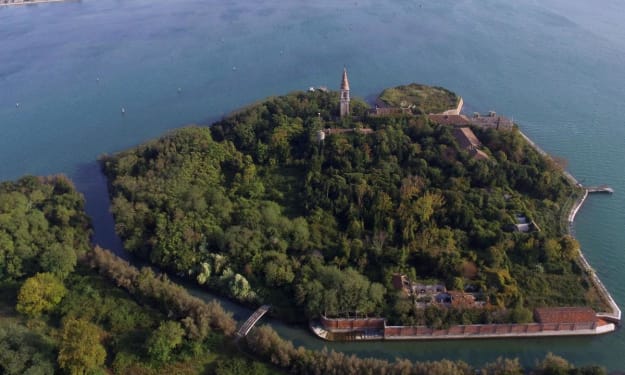
Exploring abandoned places can send chills down your spine, but when these eerie locations are swallowed by the sea, the sense of mystery and intrigue deepens. From haunted lighthouses to grim prisons and Nazi torpedo bases, these five eerie places tell tales of tragedy, despair, and the enduring presence of the supernatural. Join us as we delve into the stories of these fascinating places, now lost to the waves.
By Ngakoma Mystery3 years ago in History
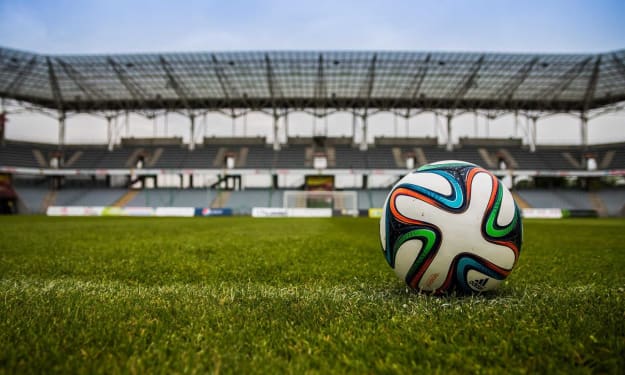
The Beautiful Game
Football, also known as soccer, is a sport that captivates the hearts and minds of millions worldwide. It has a rich history filled with unforgettable moments, legendary players, and recent retirements that have left a lasting impact on the game. In this article, we delve into the world of football, exploring its storied past, its greatest events, and the recent retirements that mark the end of remarkable careers.
By Levente Gyüre3 years ago in History
Charlie Chaplin: A Timeless Legacy
Part 1: The Early Years Charlie Chaplin's journey began on April 16, 1889, in the bustling city of London, England. Born into a family of entertainers, his parents, Charles and Hannah Chaplin, were music hall performers. However, their unstable marriage and financial struggles led to their separation when Charlie was just a toddler.
By Bhaghya Shree (KIT98564)3 years ago in History