Analysis
White Phosphorus as a Weapon: Uses, Effects, and Controversy. AI-Generated.
White Phosphorus as a Weapon: Uses, Effects, and Controversy White phosphorus (WP) is a awful reactive, damaging actuality acclimated in aggressive settings for several purposes. Known for its appropriate ablaze yellowish-white afterglow back apparent to oxygen and its adeptness to bake aloft acquaintance with air, white phosphorus can actualize smoke screens, mark targets, and brighten areas during combat. However, its use as a weapon has sparked cogent altercation due to its astringent and generally aimless furnishings on animal health, as able-bodied as its abeyant violations of all-embracing law.
By Say the truth 2 years ago in History
The Aftermath of the Hiroshima Nuclear Strike: A Historical Tragedy. AI-Generated.
The Aftermath of the Hiroshima Nuclear Strike: A Historical Tragedy On August 6, 1945, the world witnessed one of the most devastating events in history when the United States dropped an atomic bomb on the Japanese city of Hiroshima. This marked the first use of nuclear weapons in warfare, forever altering the course of history. The bomb, named "Little Boy," unleashed unimaginable destruction and marked the beginning of the end for World War II. However, the impact on Hiroshima and its people was profound, long-lasting, and horrific.
By Say the truth 2 years ago in History
The Most Incredible Tiny Homes Around The World, Ranked
Tiny homes have become global, offering sustainable, affordable, and minimalist living. From cosy cabins in the woods to modern urban dwellings, the creativity behind these small spaces is extraordinary. Here are some of the most incredible tiny homes worldwide, ranked for their innovation, beauty, and uniqueness.
By Zinnat ara Begum2 years ago in History
I Wish I Could Be a Child Again
As I sit and reflect on the complexities of adult life, I can’t help but wish I could be a child again. There’s something about the simplicity, innocence, and wonder of childhood that I long to experience once more. Life was less about responsibilities and more about exploring the world with curious eyes. In this blog, I want to share my journey of rediscovering the joys of my childhood, a time when life was about living in the moment rather than chasing future ambitions.
By Ƒนʀƙเ ฬʀเτєร2 years ago in History
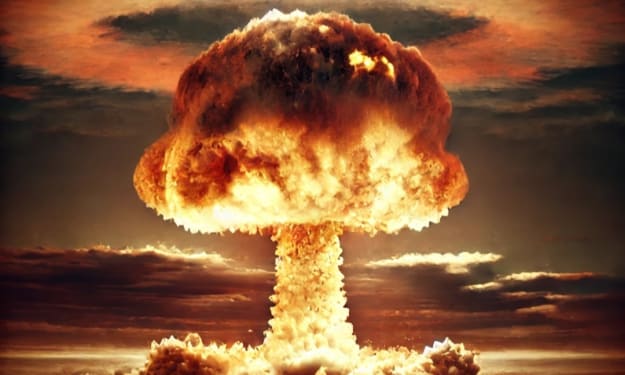
The King of All Nuclear Bombs: The Story of the Tsar Bomba . AI-Generated.
The King of All Nuclear Bombs: The Story of the Tsar Bomba Nuclear weapons represent the best annihilative force altruism has anytime created, and amid them, one bomb stands out as the better and best able anytime detonated: the Tsar Bomba. Tested by the Soviet Union during the Cold War, this bomb’s aberrant adeptness becoming it the appellation "King of Bombs," and it charcoal a air-conditioned admonition of the abeyant for confusion that nuclear weapons hold.
By Say the truth 2 years ago in History
Changes Made to Solar Farm Proposal: A Step Toward Clean Energy
As the world moves toward cleaner, renewable energy sources, solar power has become a significant player in the transition. Solar farms, which harness energy from the sun to generate electricity, are being proposed and developed across the globe. Recently, changes were made to a solar farm proposal aimed at addressing environmental, community, and logistical concerns. These revisions reflect a balance between sustainable energy development and the needs of local stakeholders.
By Zinnat ara Begum2 years ago in History
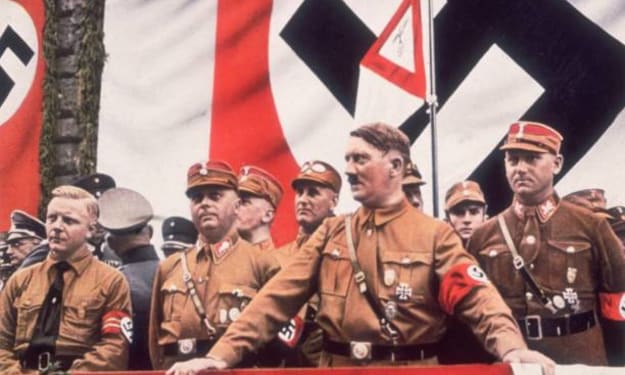
How Did Hitler Rise to Power?
The rise of Adolf Hitler, a dictator responsible for one of the most horrific genocides in history, is a chilling narrative that began in the aftermath of World War I. Germany had fought valiantly, but the successful advance of the Allied forces in1918 made it clear that the war was unwinnable. Consequently, Germany signed an armistice, bringing an end to the fighting. As Germany’s imperial government crumbled, civil unrest and widespread worker strikes erupted throughout the nation.
By DANIEL AKAM OKO2 years ago in History
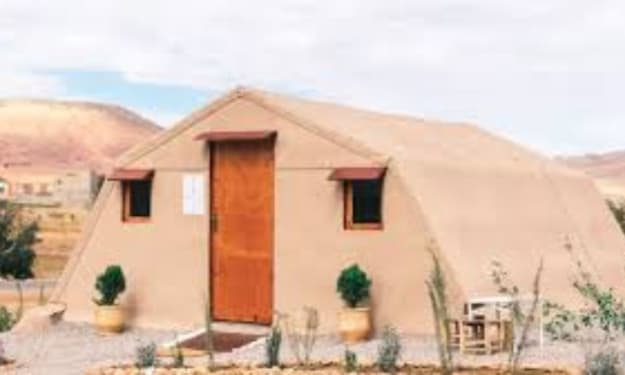
People Rebuilding Their Homes with the Earth: A Return to Sustainable Architecture
In an era where concrete jungles dominate the landscape, a quiet revolution is taking place. People across the globe are turning back to nature, literally, by rebuilding their homes using earth. This age-old practice, rooted in traditional techniques, is experiencing a resurgence as individuals seek sustainable, eco-friendly alternatives to modern construction. By embracing the earth as a building material, these people are not only helping the environment but also creating healthier and more resilient homes.
By Zinnat ara Begum2 years ago in History
The Fascinating History of Cemeteries
When we think of cemeteries, images of spindly trees, rusted gates, crumbling stones, and solitary mourners often come to mind. However, it wasn’t long ago that many burial grounds were vibrant places, filled with blooming gardens and crowds of people strolling among the headstones. How did cemeteries transform into the solemn spaces we recognize today?
By DANIEL AKAM OKO2 years ago in History
A Brief History of Alcohol
The fascinating history of alcohol begins with a curious chimpanzee that discovers a bounty of overripe plums. Drawn to the intoxicating aroma of the split fruit, the chimpanzee indulges in these treats and soon experiences some unusual effects. This unwitting creature inadvertently uncovers a natural process that humans would later harness to create beer, wine, and a variety of other alcoholic beverages.
By DANIEL AKAM OKO2 years ago in History
We are Poisoning Ourselves: Ghana's Gold Rush Sparks Environmental Disaster
The gold rush in Ghana, one of the world's largest producers of gold, is fueling an environmental catastrophe. While gold mining has been a vital part of Ghana's economy for centuries, the rapid expansion of illegal and unregulated mining activities—known locally as "galamsey"—has sparked an ecological disaster. With gold in high demand, miners have been exploiting Ghana's resources at an unsustainable rate, leading to severe consequences for both the environment and local communities.
By Zinnat ara Begum2 years ago in History