
Steel and Sacrifice: The Decisive Naval Battles of the World Wars
Remembering the Naval Battles of the World Wars
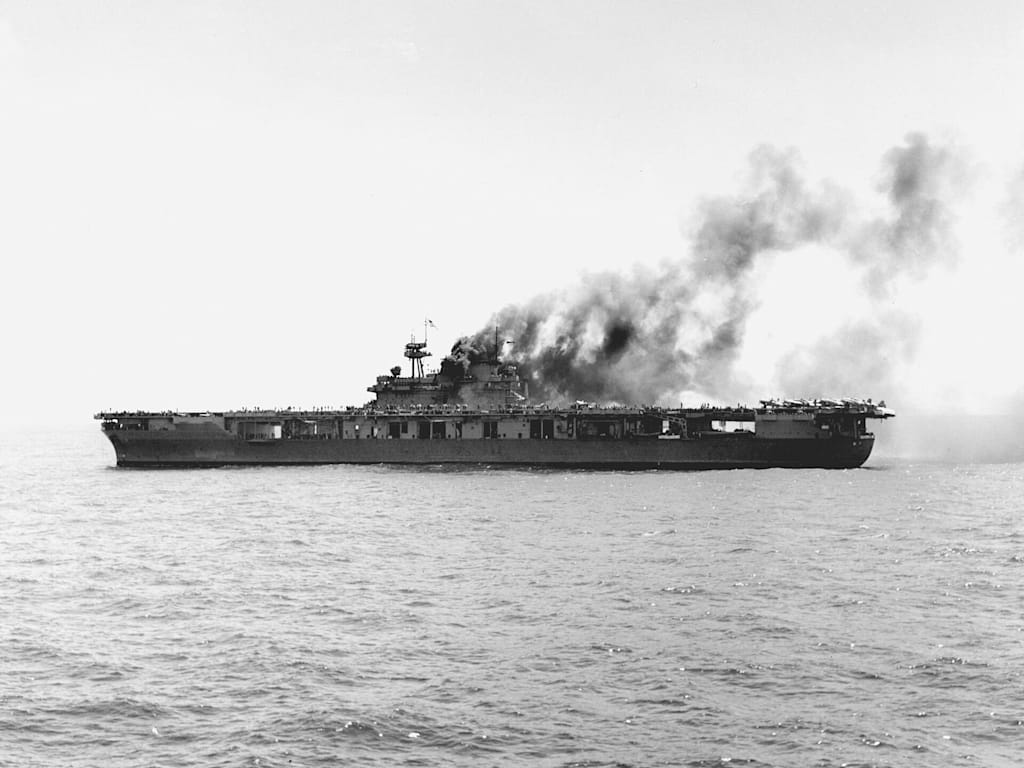
There were a number of naval battles during the World Wars. Developments in submarines and aircraft carriers provided new possibilities for naval combat, and so submarines and aircraft carriers became increasingly more prevalent. Aircraft also became an increasingly more essential part of naval battles, at first used just in reconnaissance roles, but later bomber aircraft became increasingly more essential. These are a few of the more famous naval battles of the world wars.
The Battle of Jutland
The Battle of Jutland was the largest naval battle of the First World War in 1916. The Battle of Jutland involved the Royal Navy and the Imperial German Navy and was largely a battle that involved battleships. Before the outbreak of war, both sides had been expanding their naval fleets, and now these naval fleets would meet at Jutland. Admiral Scheer of the IGN had hoped that the German navy could trap and sink a large proportion of Britain’s Grand Fleet, breaking the Royal Navy’s economic blockade. Admiral Hipper’s ships would be used as the decoy, and then Scheer’s primary fleet would emerge to wipe out the Grand Fleet’s ships.
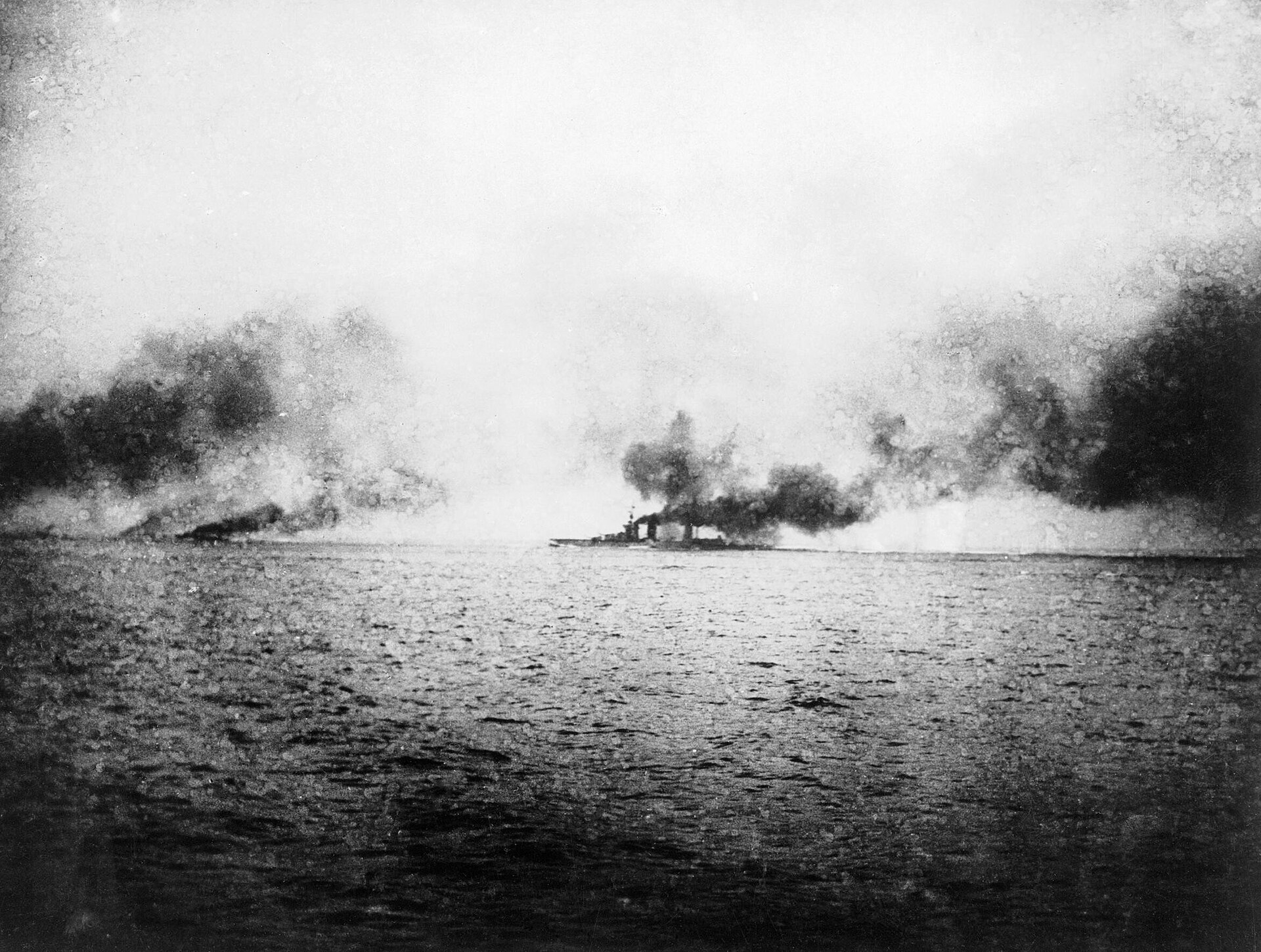
However, the battle did not go entirely according to plan, although the Royal Navy lost a larger tonnage of ships than the Germans. Despite this, the IGN could not do enough during the battle and had to withdraw to prevent further German losses. Both sides claimed a victory after the battle, although the battle was more of a strategic victory for the Royal Navy.
U-boat Campaign
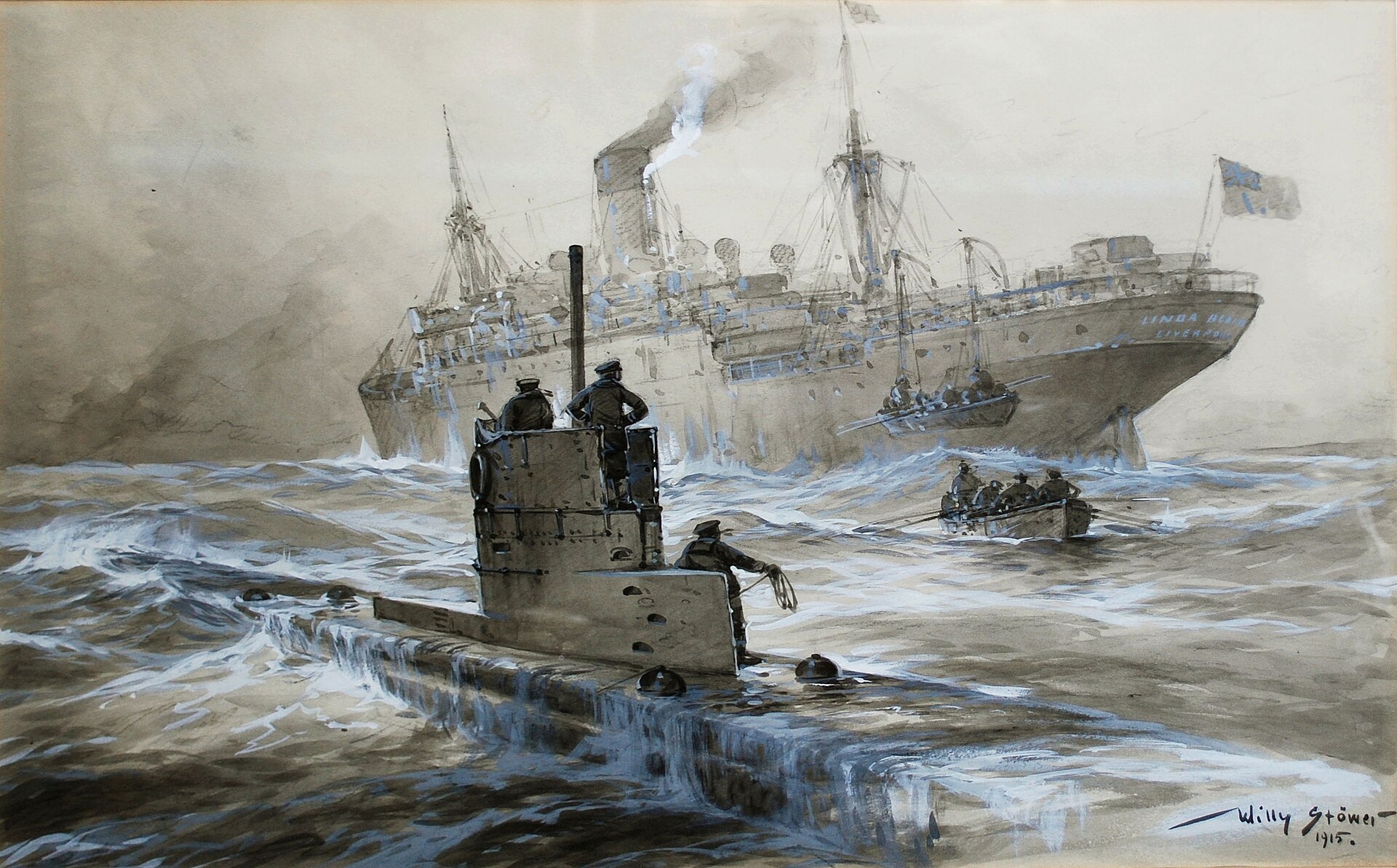
German U-boats were an alternative to surface fleets, and after Jutland, the German High Command was prepared to begin unrestricted submarine warfare regardless of political consequences. With their U-boats, Germany would begin to target British merchant shipping in 1917 in a campaign expected to defeat Britain. To begin with, the U-boats were effective, but as the Royal Navy began to expand convoy escorts, the U-boat campaign began to decline. German U-boat losses steadily increased, and merchant shipping losses also decreased to more acceptable levels. The campaign had failed, and the Americans also declared war on the Germans.
Battle of Taranto
By 1940, the Royal Navy, Imperial Japanese Navy, and US Navy had all expanded their aircraft carrier fleets. As such, the aircraft carrier would be the most essential of naval assets to these navies, and at the Battle of Taranto in 1940, the Royal Navy’s aircraft carriers would be among the first in a naval combat role. To retain Allied naval superiority in the Mediterranean, the Royal Navy had drafted a plan to strike at the Italian naval base at Taranto. To do so, aircraft carriers were deployed, and from them devastating sorties were launched toward the Italian naval base. The result was the loss of three Italian battleships, and the Regia Marina never really recovered from the battle, as further naval defeats would follow.
Battle of Midway
The Battle of Midway was perhaps the most famous naval battle in the Pacific, involving the Japanese and American navies. In 1942, Japan seemed to be winning the Pacific War, as it expanded the territory of the Japanese Empire throughout the Pacific. However, for all their victories, the American aircraft carrier fleet remained largely untouched, but the Yorktown had been hit during the Battle of Coral Sea. As such, Admiral Yamamoto targeted Midway Island as the next point of advance for Japan, and it was here that they expected to trap the American aircraft carriers.
However, American cryptographers had deciphered Yamamoto’s plan, and their findings were presented to Admiral Nimitz. Nimitz sent three aircraft carriers, along with supporting ships, to defend Midway Island. When combined with the airbases established at Midway, this gave the Americans relative parity with Japan’s four aircraft carriers.
The IJN remained largely unaware of the American carriers even after they had reached Midway, and Japanese reconnaissance planes were sent out to find exactly how many US carriers were present. A bold American sortie won the battle as SBD dive bombers broke through anti-aircraft fire and hit three Japanese carriers. The Americans continued the battle until the fourth was also disposed of, leaving the Japanese no option but to withdraw. The Americans held Midway, and the Imperial Japanese Navy left the battle without any of their aircraft carriers and supporting aircraft.
Battle of Leyte Gulf
One of the largest naval battles occurred in 1944, off Leyte Gulf. The Allied advance in the Pacific now left the Philippines within distance, which was a primary source of Japanese oil supplies. Losing the Philippines and Japan’s oil supplies would greatly deplete. The Imperial Japanese Navy deployed most of its navy to defend Leyte, even though it had little carrier support to provide for the battle. As such, Allied aircraft carriers and air superiority ensured their victory, and much of the IJN’s fleet was wiped out. Their remaining ships were withdrawn from the battle, but the Philippines was all but lost.
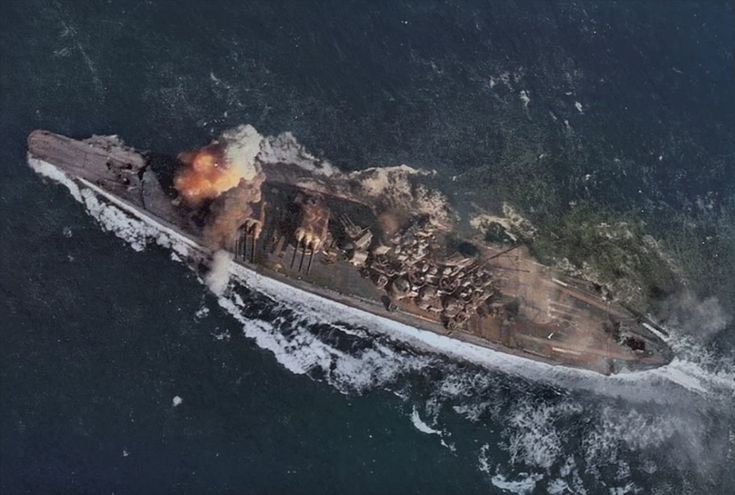
These were some of the largest naval battles of the world wars. The Battle of Jutland and U-boat Campaign in the First World War, and then the Battle of Taranto, Battle of Midway, and Battle of Leyte Gulf in the Second World War. British and American victories in these naval battles helped to ensure more general victories on their relative fronts.
About the Creator
Matthew A
Matthew is the author of Battles of the Pacific War 1941-1945. Battles of the Pacific War is available on Amazon and Lulu in e-book and paperback formats. Check out the book’s blog at battlesofthepacificwar.blogspot.co.uk.
Enjoyed the story? Support the Creator.
Subscribe for free to receive all their stories in your feed.
Comments
There are no comments for this story
Be the first to respond and start the conversation.