
Remembering the Most Famous Ocean Liners of the 20th Century
What Were the Most Famous Liners of the 20th Century?
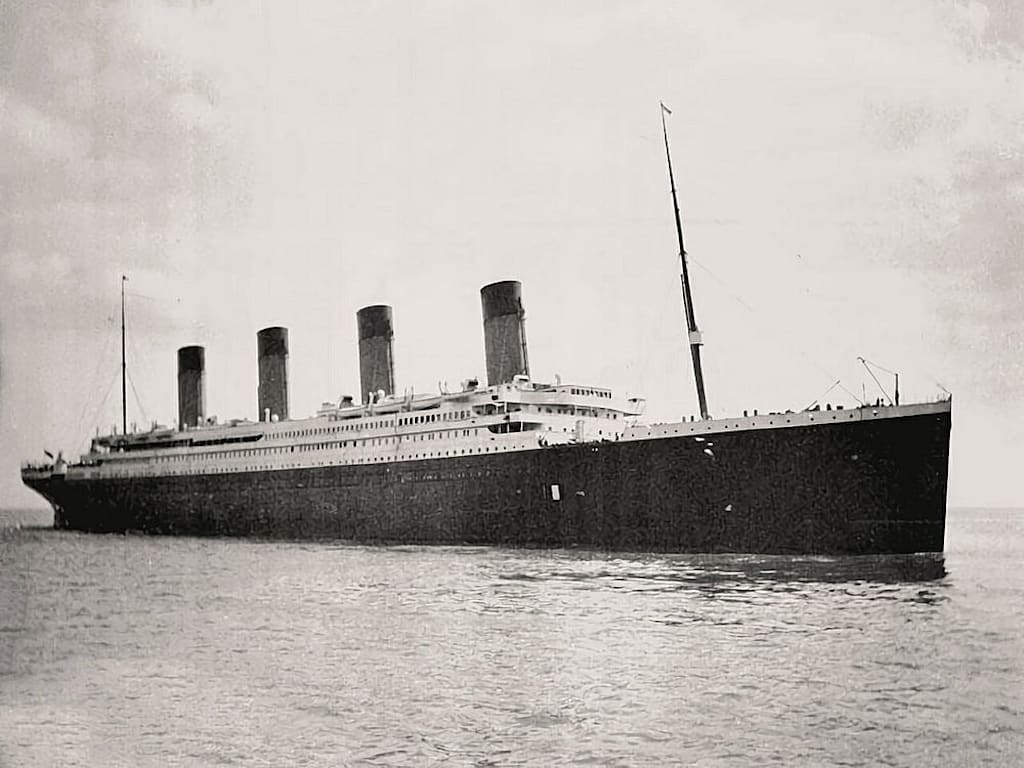
The 20th century was one in which the ocean liners flourished, but then declined as larger passenger aircraft took off.’ At the beginning of the century, ocean liners were the only way to travel overseas, and this ensured a range of large, extravagant liners constructed by White Star Line, Cunard, and others. Despite a postwar decline, some great ocean liners remained at sea. These were a few of the more famous ocean liners of the 20th century.
The Lusitania
At a time when German ocean liners were beginning to snip away at the Blue Riband record, Cunard commissioned Lusitania in 1907. With its steam turbines, the Lusitania could exceed 25 knots, which ensured that it set a new Blue Riband record on its voyage to Sandy Hook in 1907. Further refinements and enhancements followed in 1909, and in that same year, the Lusitania briefly recaptured the Blue Riband record.
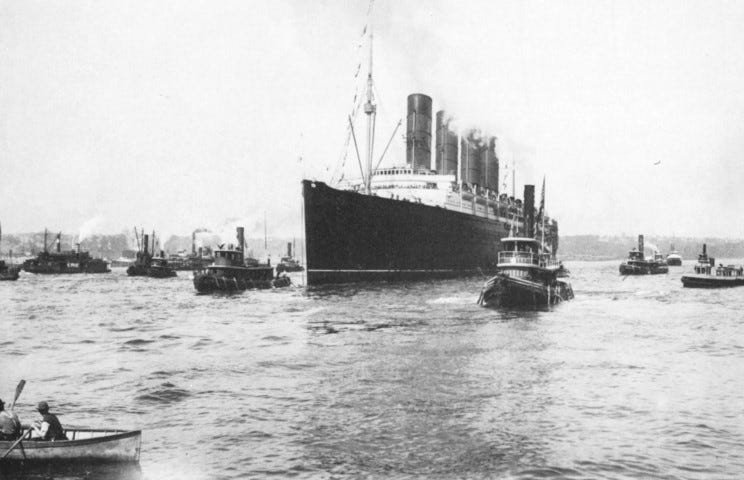
Upon the outbreak of war in 1914, the Lusitania continued transatlantic voyages. However, German U-boats were expanding operations, targeting a variety of ships that passed through British waters. In 1915, the Lusitania was intercepted by one of the German U-boats, and it fired a single torpedo, which was enough to ensure the ship swiftly slipped beneath the sea. There was not nearly enough time to abandon the ship, although the captain was picked up, and a majority of the ship’s passengers were lost at sea.
The Olympic
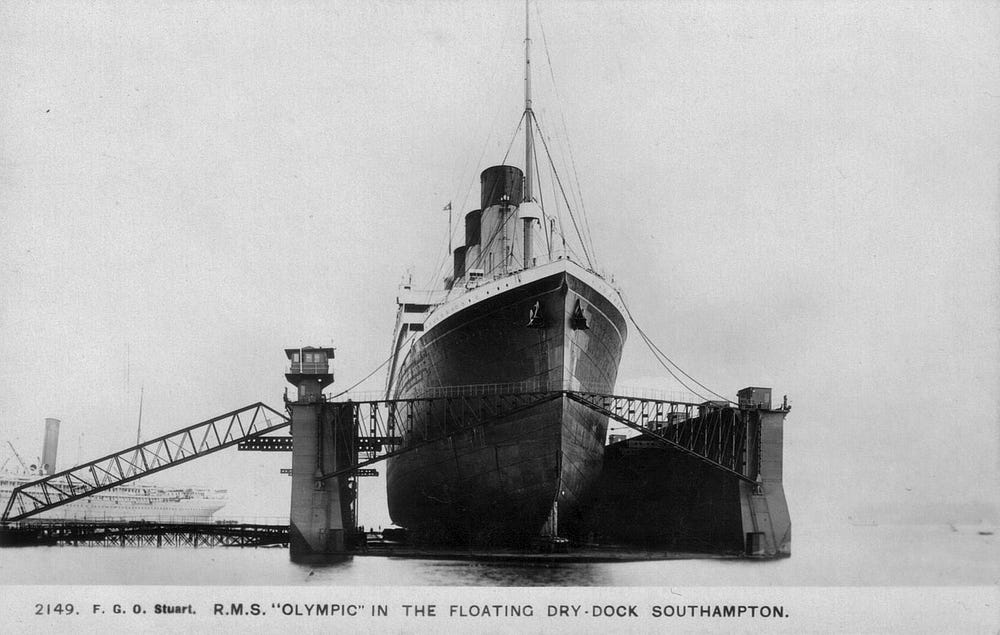
The first of White Star’s Olympic-class ocean liners raised the bar for scale. The Olympic was commissioned in 1911 and had a tonnage of approximately 45,000 tons. As such, it was briefly the largest ship to have been constructed. During the war, the Olympic was converted to a troop ship and transported thousands of British troops to various destinations. This remained White Star’s flagship until it left the fleet during the 1930s.
Titanic
The most famous ocean liner because it was lost at sea during its maiden voyage. The Titanic made its maiden voyage in 1912 as the second of the Olympic-class ocean liners, marginally larger than the Olympic, and had extravagant interior decor. The destination was New York, and the Titanic sped toward that harbor through icy waters before striking an iceberg in the Atlantic.
The ocean liner’s watertight compartments quickly flooded as the crew mopped up the fifth watertight compartment, which had to be preserved to keep the ship afloat. Alas, this compartment was also flooded, ensuring the loss of the Titanic. In the few hours that they had to abandon ship, passengers boarded the Titanic’s lifeboats, but there were not nearly enough of them, which ensured most were lost at sea.
RMS Queen Mary
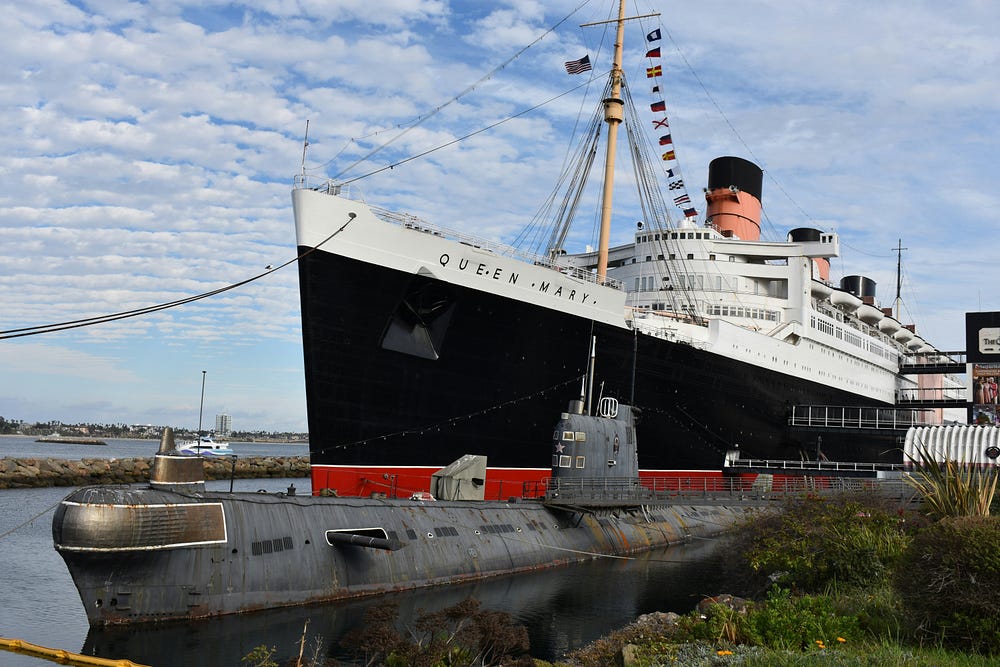
The RMS Queen Mary was an ocean liner that set sail during the 1930s. This was a faster and more stylish liner than those before it, with an extravagant Art Deco interior, and the RMS Queen Mary set a Blue Riband record in 1936, and then recaptured it in 1938. As such, it was one of the fastest ocean liners of its period, and during the 1940s, it outran German craft, transporting up to 17,000 troops in one crossing. In the postwar period, the RMS Queen Mary continued its transatlantic crossings until 1967.
Queen Elizabeth 2
The Queen Elizabeth 2, otherwise QE2, was the last ocean liner constructed in Clyde. The QE2 was commissioned in 1969, at a time when air travel was eclipsing the ocean liners. It had a space-age interior decor and a sleek white funnel. This was the flagship of the British fleet, and it was the only ocean liner that provided regular transatlantic voyages into the 2000s.
Those were a few of the great ocean liners of the 20th century. With the recent demise of the Concordia, ocean liners are once again in an uncertain period, and the Queen Mary 2 remains the sole transatlantic ocean liner. It continues the great maritime heritage of these ocean liners.
This article of mine was originally submitted to Medium.com, where you can read it here.
About the Creator
Matthew A
Matthew is the author of Battles of the Pacific War 1941-1945. Battles of the Pacific War is available on Amazon and Lulu in e-book and paperback formats. Check out the book’s blog at battlesofthepacificwar.blogspot.co.uk.
Enjoyed the story? Support the Creator.
Subscribe for free to receive all their stories in your feed.
Comments
There are no comments for this story
Be the first to respond and start the conversation.