
Remembering the Japanese Naval Battles in the Pacific War
The Japanese Naval Battles of World War II
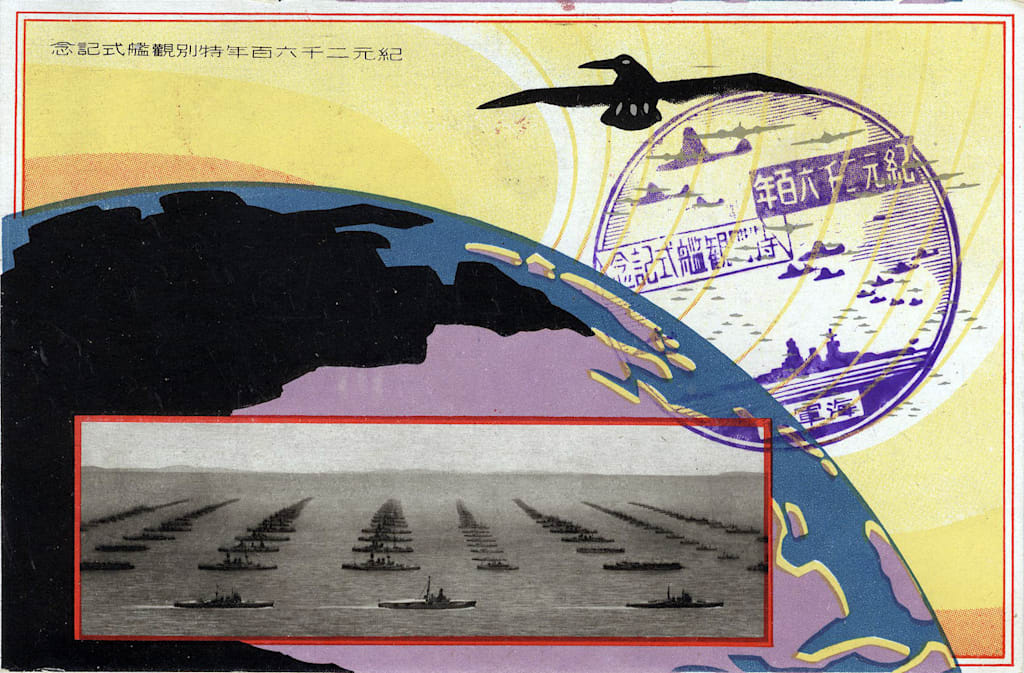
The Imperial Japanese Navy was one of the best navies in the world before 1939. It possessed a formidable assortment of aircraft carriers, which Japan had invested in during the interwar period, and its navy also had the Yamato battleship, which at 70,000 tons was the largest in the world. However, despite this, little was left of the Imperial Japanese Navy when Japan’s delegates surrendered aboard the USS Missouri in 1945. The demise of the Imperial Japanese Navy was largely due to its battles with the US Navy, which wiped out Japan’s fleets in a series of naval battles that would ensure victory for the Allies in the Pacific.
However, to begin with, the Imperial Japanese Navy had the upper hand in the Pacific War. Although Pearl Harbor was not strictly a naval battle, Japan’s carrier fleet, nevertheless, wiped out the U.S. battleships and aircraft at Pearl Harbor. Although the American aircraft carriers were not present, their escape would have a big impact on the naval battles that followed after Pearl Harbor.
The IJN also scored further victories during the Java Campaign. The Battle of the Java Sea was a battle that included the Allied ABDA (Australian, British, Dutch, and American) fleet, which was ineffective during the battle. Little of the ABDA fleet survived the battle as the Imperial Japanese Navy secured naval superiority at the Java Sea.
The Battle of Coral Sea was a little better for the U.S. Navy. Even though they lost the Lexington aircraft carrier during the battle, the Japanese still withdrew from Port Moresby. So, in this respect, the battle was a victory for the Allies.
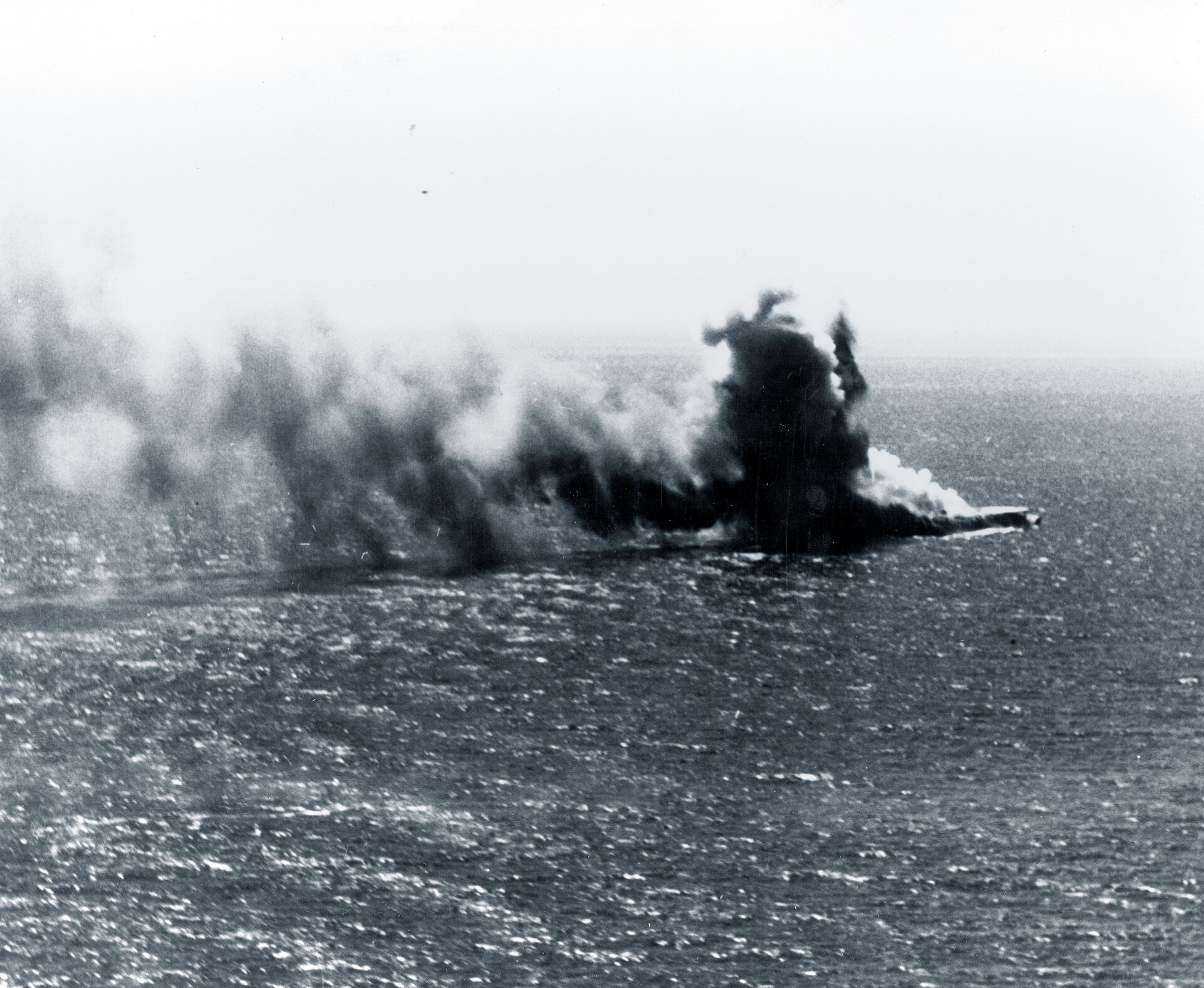
Months later, the IJN targeted Midway Island as a point where the remaining U.S. aircraft carriers could be trapped and wiped out. To take Midway Island, four Japanese aircraft carriers were sent on the operation, along with escorting battleships such as the Yamato. However, the battle was won and lost in the air, and as Allied code breakers had already deciphered Japan’s Midway battle plan, the U.S. aircraft carriers arrived sooner than might have been expected.
Certainly, the Japanese did have better aircraft in this battle, such as the A6M Zero, which outclassed alternative American aircraft models. However, despite this, the American SBD bombers were still able to reach the Japanese aircraft carriers and drop their bombs on three carriers in a sortie which marked the beginning of the end of not just Japan’s navy, but their empire. Three Japanese aircraft carriers were lost, and the Americans would also finish off the fourth. Most of Japan’s carrier fleet was lost in the battle, and hundreds of Japanese aircraft went down with the carriers. While the IJN did take out the USS Yorktown, it was only one American aircraft carrier.
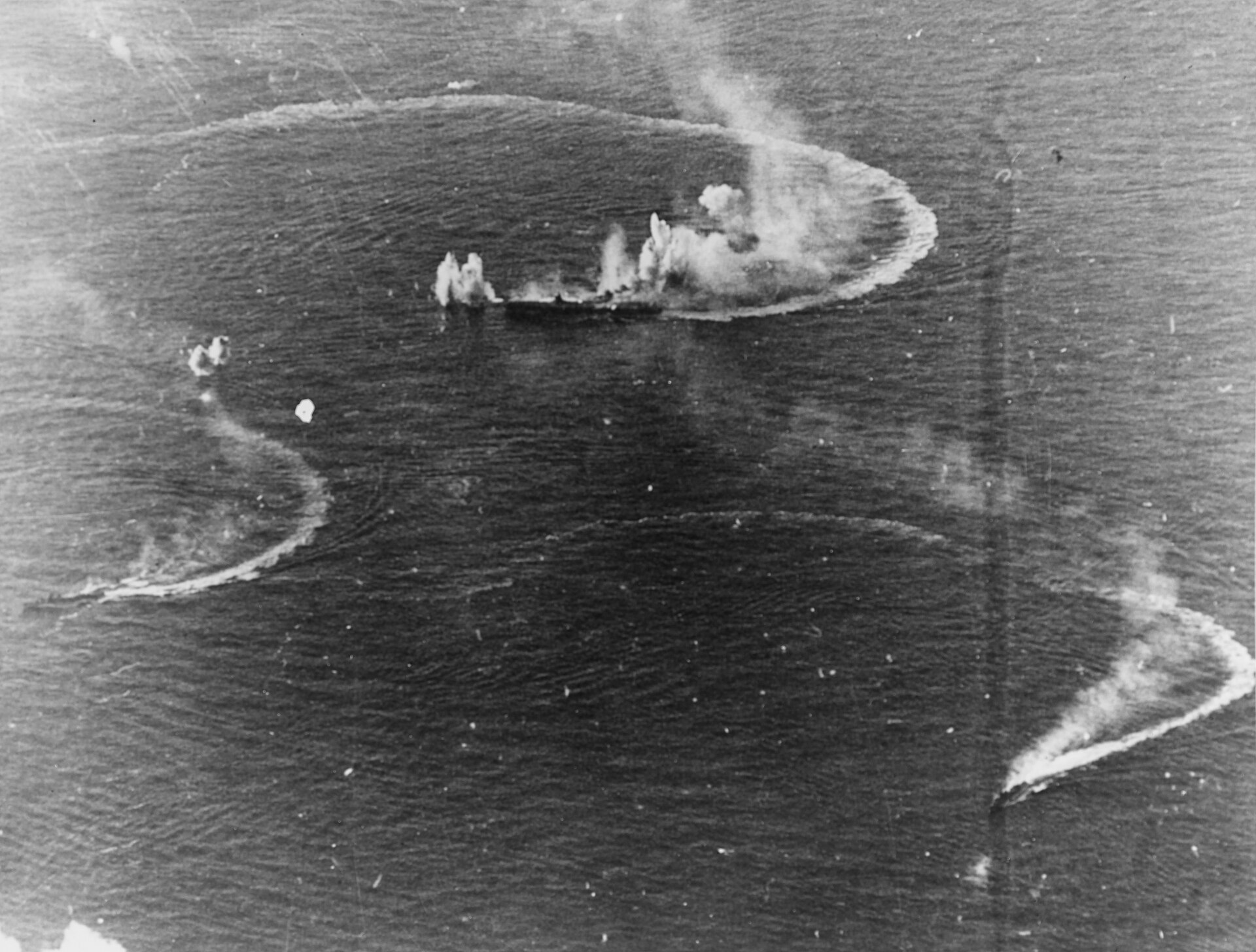
After this battle, the Imperial Japanese Navy was not entirely defeated, but the US Navy had the advantage. By 1944, a further aircraft carrier battle off Saipan perfectly highlighted the increasing Allied naval superiority in the Pacific. For their carrier fleets, they had developed much more advanced aircraft, such as the F6F, which would dominate the Battle of the Philippine Sea. Hundreds of Japanese aircraft were lost in the battle, and further Japanese aircraft carriers also went down with them. After the battle, Japan had precious few aircraft left for aircraft carriers.
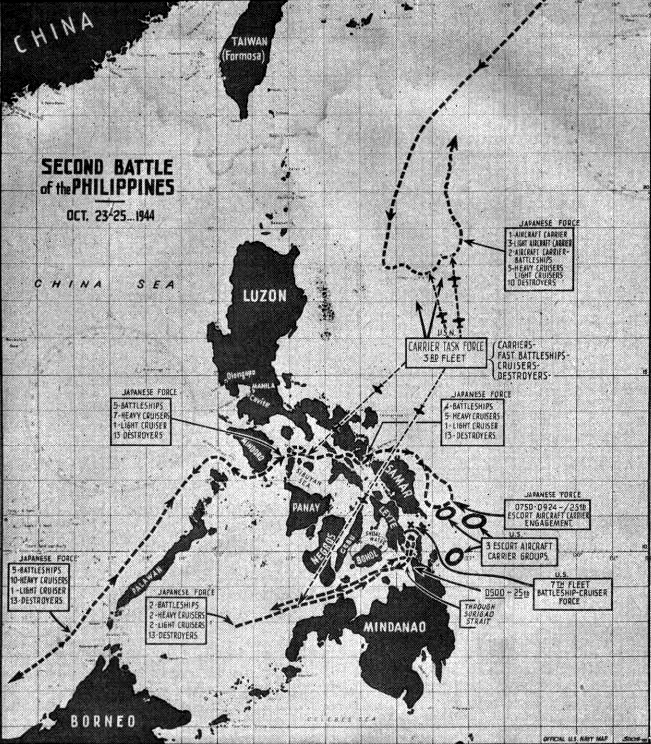
The final Japanese naval battle of the Pacific War was that of the Battle of Leyte Gulf. As the Allies advanced toward Leyte for the Philippines Campaign, another Japanese fleet of warships was sent to Leyte Gulf to hold Leyte. With little left of their carrier fleet, Japanese battleships such as the Yamato were more prominent at this battle. Allied air superiority all but ensured their victory in the battle, and most of the remaining IJN ships were lost in the waters of Leyte Gulf.
After Leyte Gulf, there were no further Japanese naval battles of note. What the Japanese did have left, such as the Yamato battleship, provided naval support for the Battle of Okinawa. Although Operation Ten-Go also ensured the demise of the Yamato battleship, it was bombed out of the water by Allied aircraft.
As such, by 1945, the Imperial Japanese Navy had been effectively routed by the U.S. Navy. The three naval battles at Midway, the Philippine Sea, and Leyte Gulf were one-sided battles that ensured Allied naval superiority in the Pacific. As the Pacific War continued, the U.S. Navy gradually expanded to clearly emerge as the world’s largest navy while the IJN collapsed.
About the Creator
Matthew A
Matthew is the author of Battles of the Pacific War 1941-1945. Battles of the Pacific War is available on Amazon and Lulu in e-book and paperback formats. Check out the book’s blog at battlesofthepacificwar.blogspot.co.uk.
Enjoyed the story? Support the Creator.
Subscribe for free to receive all their stories in your feed.
Comments
There are no comments for this story
Be the first to respond and start the conversation.