
Remembering the Anglo-German Naval Race From 1898–1918
How the Founding of the German Naval League Started a Naval Arms Race
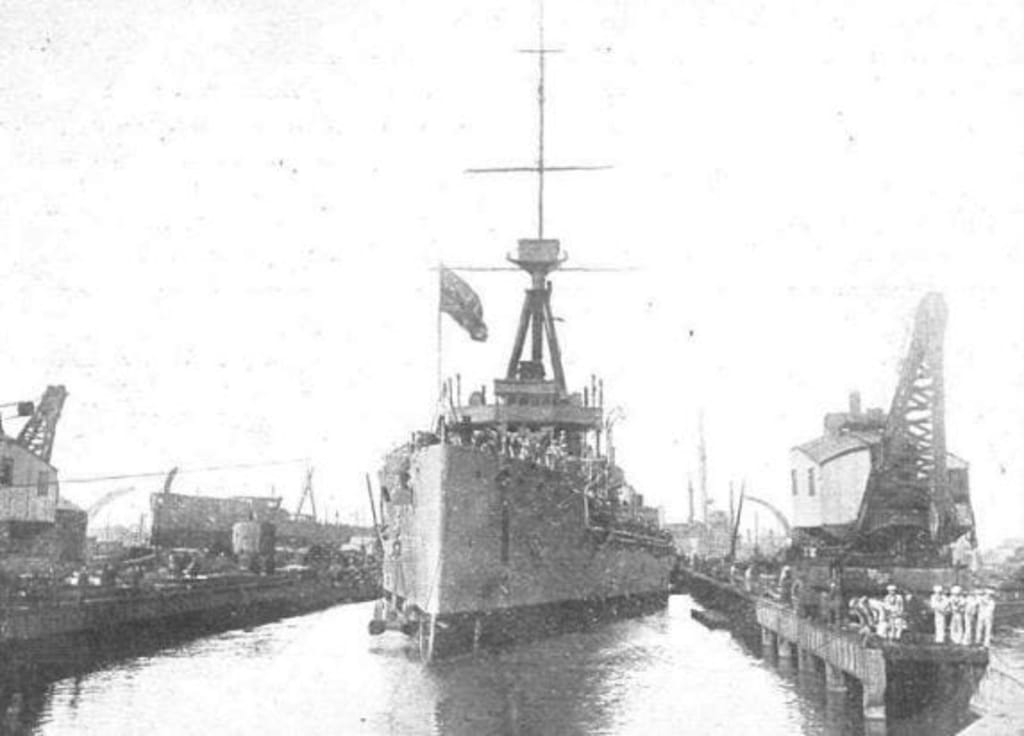
The Anglo-German naval rivalry emerged at the beginning of the 20th century, as Wilhelm 2nd inspired Germany to expand the Imperial German Navy. This naval race would see Britain and Germany expand their navies for more than a decade, leading up to the First World War. As a result, Anglo-German relations declined during the period, and many consider it one of the factors that led to war between the two countries in 1914.
The origins of the Anglo-German naval race can be traced back to April 30, 1898. Tirpitz founded the German Naval League on that date. He convinced Germany to begin expanding the Imperial German Navy, with the Navy League providing funding. The German Naval Law, passed shortly after, provided the foundations for a new navy with almost 20 battleships, cruisers, and other smaller naval vessels.
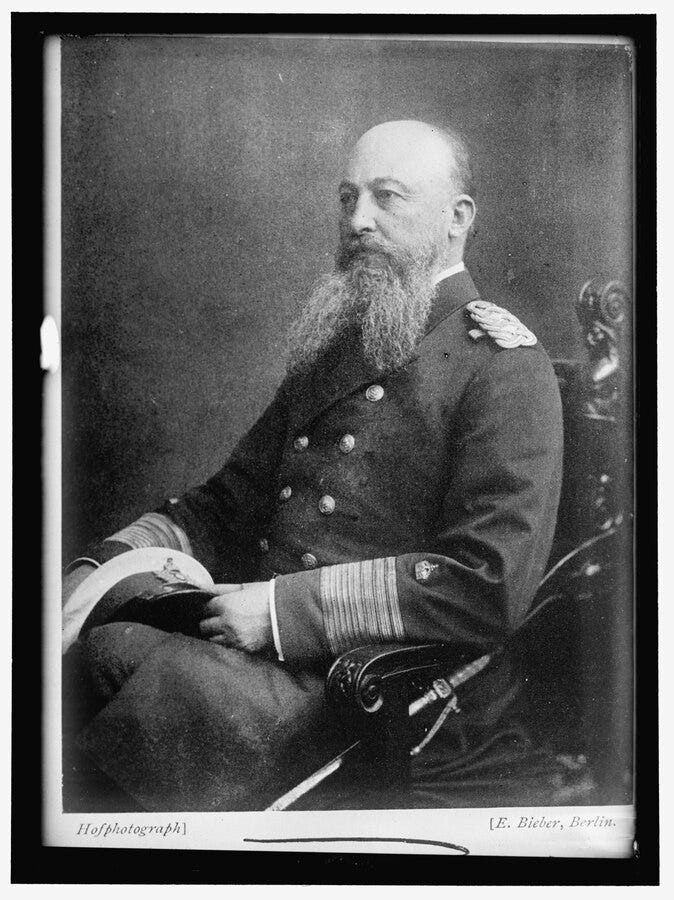
By the beginning of the 20th century, German naval expansion was becoming increasingly evident. Kaiser Wilhelm 2nd was also a keen supporter of the Navy League and hoped the Imperial German Navy could begin to match the Royal Navy.
The Royal Navy was the cornerstone of Britain's defense policy. Britain had always maintained that its navy should be greater than any other. German naval expansion could, therefore, potentially jeopardize Britain's defense policy.
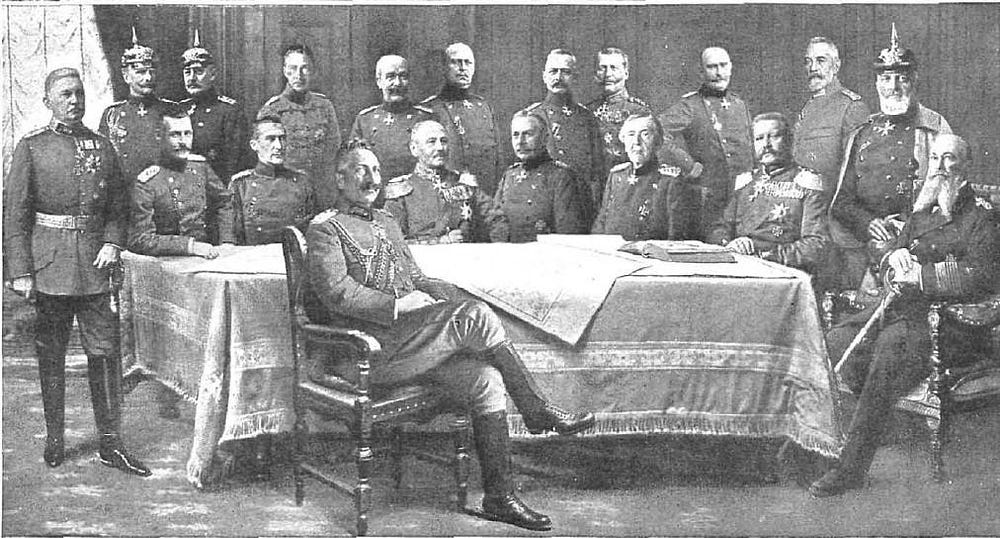
The British had to begin expanding their navy to ensure it remained not only the largest navy in the world, but one that still comfortably eclipsed the Imperial German Navy in size. Given this, both countries began to expand investment in their navies.
The Royal Navy unveiled a new battleship design in 1906 to remain ahead in the naval race. The Royal Navy's HMS Dreadnought was one of the first dreadnought-class battleships. This new battleship class revolutionized the Royal Navy and set a new benchmark for warships. As a result, previous battleship models became somewhat obsolete.
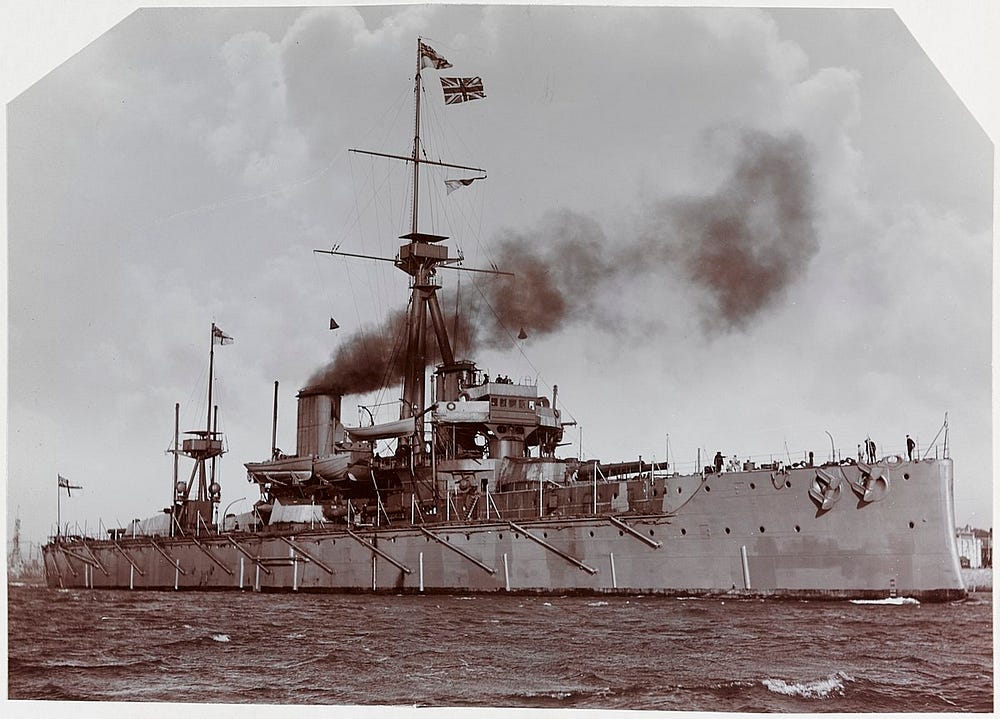
The dreadnought became a key battleship class during the naval arms race. While the Royal Navy had become the first to construct a dreadnought-class ship, the Germans would soon catch up and unveil their dreadnoughts in 1907. The Nassau-class battleships were the first dreadnoughts of the Imperial German Navy.
The naval race continued in 1912 as Germany further expanded its navy. Given their alliances with Austria and Italy, it now seemed possible that this alliance bloc could begin to match the Royal Navy. From 1912 onward, Britain established naval arrangements with France. Before the outbreak of war, Britain would also expand its dreadnought fleet with new classes, such as Queen Elizabeth.
When World War I began in 1914, Britain inevitably joined France's side in the war with Germany. The naval race reached its climax as the Imperial German Navy and Royal Navy met in a few naval battles. The first was the Battle of Heligoland Bight, where heavy German losses convinced the Germans to leave their fleet in port until 1916.
In 1916, the Royal Navy and Imperial German Navy met in a bigger naval battle off the coast of Jutland. The Battle of Jutland was the largest naval battle of the war, and the Imperial German Navy did have the better of the battle. Although the Royal Navy lost more ships, the Imperial German Navy withdrew and could not do enough to break Britain's economic blockade.
The naval blockade continued during the war, and there would be no further surface fleet battles. The Imperial German Navy could not defeat the Royal Navy, and by 1918, Germany accepted a ceasefire ending the war. In 1919, the Treaty of Versailles outlined Entente peace terms, and one was a drastic reduction in the Imperial German Navy. In the post-war era, the Royal Navy remained the world's largest, while little remained of the Imperial German Navy after its scuttling at Scapa Flow.
This article of mine was previously submitted to Medium, where you can read it here.
About the Creator
Matthew A
Matthew is the author of Battles of the Pacific War 1941-1945. Battles of the Pacific War is available on Amazon and Lulu in e-book and paperback formats. Check out the book’s blog at battlesofthepacificwar.blogspot.co.uk.
Enjoyed the story? Support the Creator.
Subscribe for free to receive all their stories in your feed.
Comments
There are no comments for this story
Be the first to respond and start the conversation.