
Remembering Japan’s Most Significant Victories and Defeats in World War II
Japan’s Triumphs and Defeats in the Pacific
The Pacific War, which lasted from 1941 to 1945, was a war that Japan lost. As such, most of their battles were defeats. However, they also had some notable victories in the Pacific War in 1941 and 1942, which helped expand their empire.
Japan's Victories
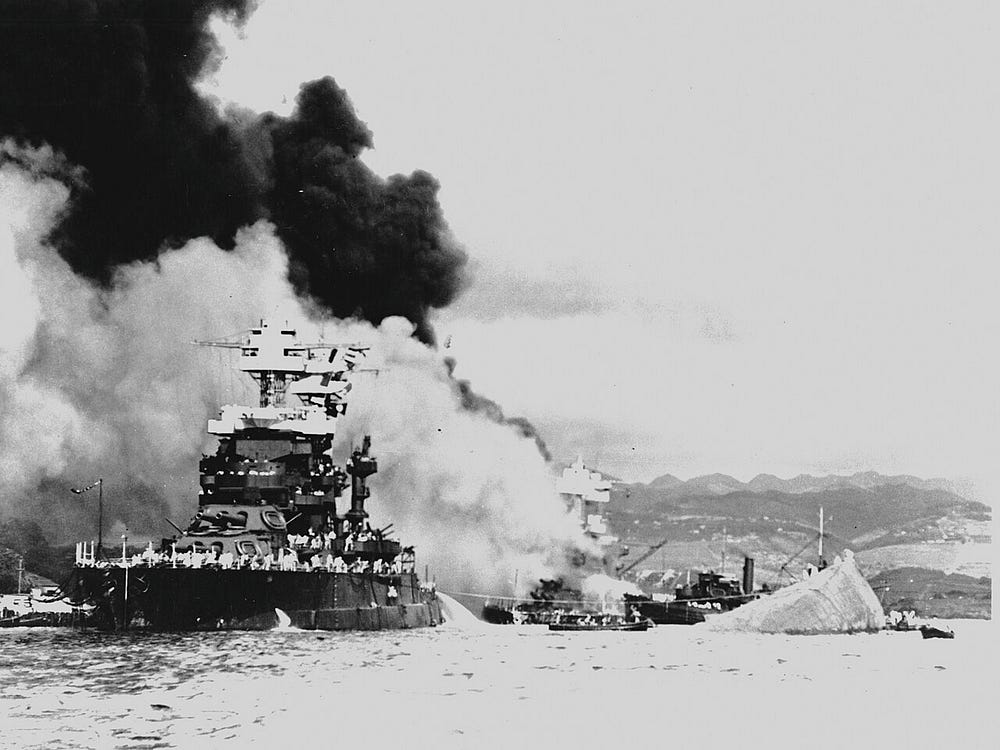
Of these victories, Pearl Harbor (Operation Z) remains one of the more famous military operations of the Pacific War. This Japanese airstrike in late 1941 wiped out most of the U.S. Pacific Fleet's battleships and approximately 188 aircraft. The United States was able to salvage a number of its battleships, which returned to action later in the Pacific War. Their four aircraft carriers were also firmly intact, as they had not been in port at Pearl Harbor, and the fuel storage at Pearl Harbor was also preserved. Nevertheless, as the Japanese had lost only a handful of aircraft and a few minisubs, Pearl Harbor's Operation Z was a clear victory.
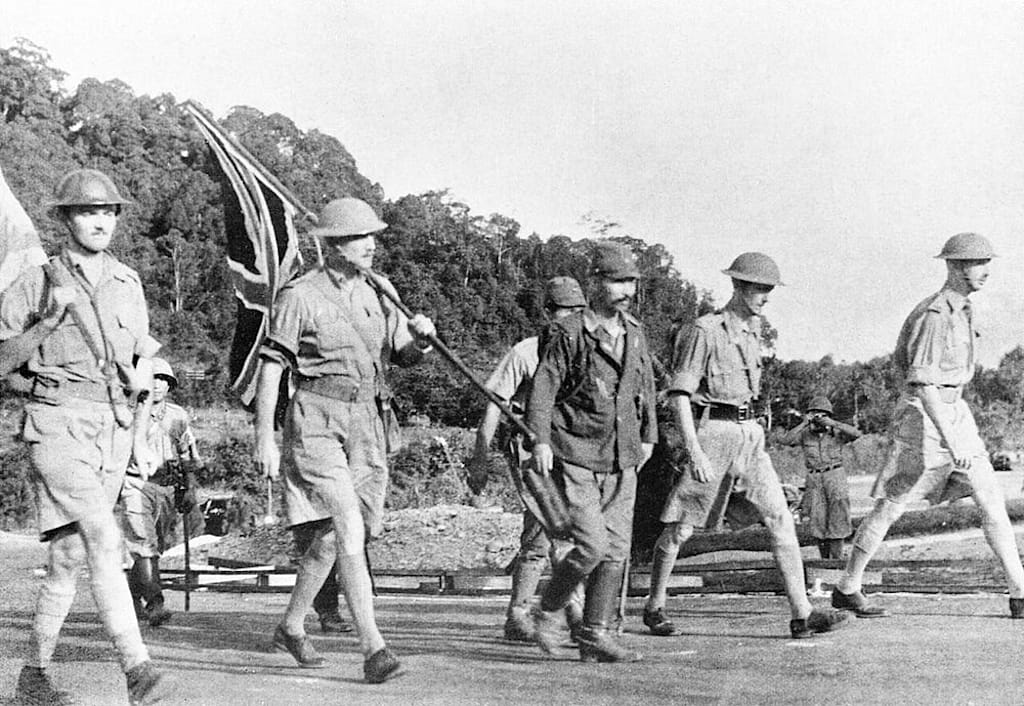
In 1942, Japan expanded its empire in the Pacific by defeating the Allies in the Philippines, the Dutch East Indies, and Burma. Among their most decisive victories was the Battle of Singapore. It was here that hundreds of thousands of British and Commonwealth troops retreated as the Japanese army advanced further into Malaya. Then Singapore became the front line, and despite having a numerical advantage, the British could not hold Singapore. Japan's army effectively surrounded the British & Commonwealth divisions at Singapore in February of 1942.
Japan's Defeats
However, these victories could not be sustained. The run of victories effectively ended at Midway Island in June 1942. It was here that the U.S. Navy scored a decisive victory in a naval battle with a larger Japanese fleet around Midway Island. Four of the Japanese aircraft carriers at this battle did not return to their ports in the Pacific after U.S. bomber aircraft wiped them out. The United States lost only one aircraft carrier, the Yorktown, which was finished off by a Japanese submarine. As such, the IJN and the thousands of troops that were supposed to occupy Midway Island withdrew.
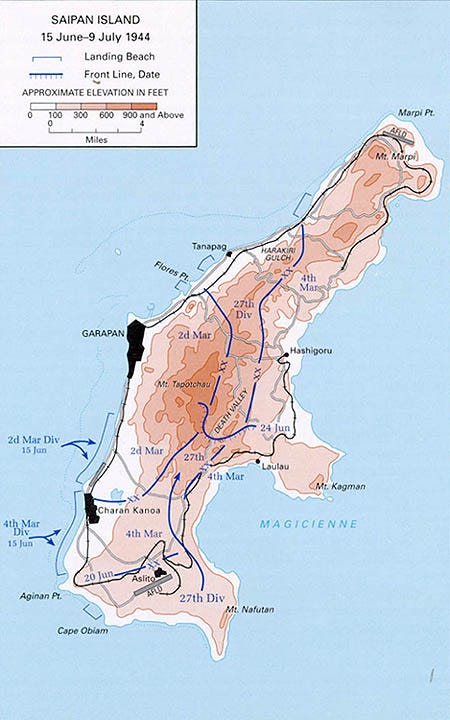
This was the first of a number of naval battle defeats that would wipe out the Imperial Japanese Navy from 1942 to 1944. A further aircraft carrier battle followed in 1944 off the coast of Saipan. At the Battle of the Philippine Sea, the IJN was supposed to halt the Allied advance in the Pacific by wiping out Task Force 58. However, Task Force 58 dominated the battle after it first wiped out Japanese aircraft at nearby airbases, and then the Japanese carrier aircraft. Hundreds of Japanese aircraft were wiped out, and a further three Japanese aircraft carriers were lost in battle.
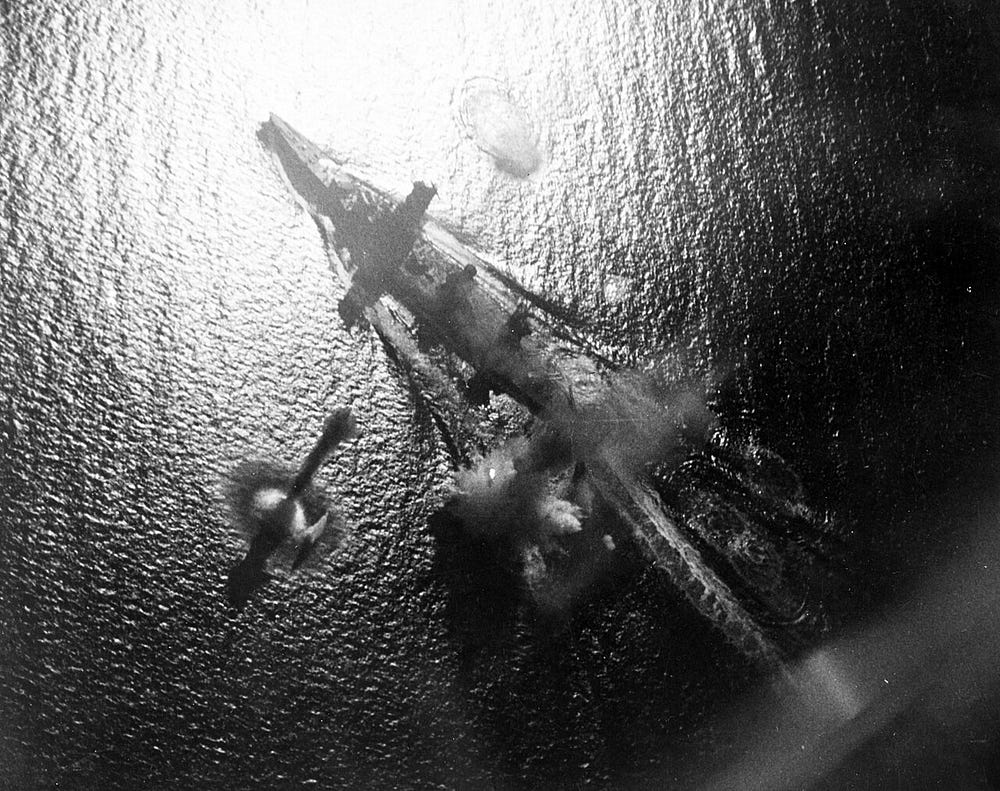
Months later, the Battle of Leyte Gulf finished off the IJN. Now the Allies were targeting the Philippines, and with that, their oil fields located there. Japan sent much of its navy out to Leyte, and only a few of its warships would return from the battle. It was the final naval battle of the Pacific War.
With little left of the IJN, the Allies had all but won the Pacific War by 1945. Yet, the Japanese army still had something in reserve, and hundreds of thousands of Japanese troops would be deployed for Japanese home island battles at Iwo Jima and Okinawa. However, the Allies had clear superiority in numbers for the amphibious landings, along with naval superiority, which ensured the defeat of Japan's remaining armies. The Battle of Iwo Jima was the smaller of the two battles, and it was here that the U.S. Marines raised the flag on Mount Suribachi en route to occupying Iwo Jima. The larger Battle of Okinawa was the final defeat of the Japanese army before they surrendered to the Allies.
This article of mine was previously submitted to Medium.com, where you can read it here.
About the Creator
Matthew A
Matthew is the author of Battles of the Pacific War 1941-1945. Battles of the Pacific War is available on Amazon and Lulu in e-book and paperback formats. Check out the book’s blog at battlesofthepacificwar.blogspot.co.uk.
Enjoyed the story? Support the Creator.
Subscribe for free to receive all their stories in your feed.
Comments
There are no comments for this story
Be the first to respond and start the conversation.