
Remembering France's Involvement in World War II
How the French Messed Up World War II
France's involvement in World War II began in 1939 when, along with Great Britain, France declared war on Germany after the German occupation of Poland. This marked the beginning of a war in which the French military was largely unsuccessful in defeating Germany in Europe. The results of which would see the German army occupy Paris.
Before 1939, the French had pursued a policy of appeasement. This was a mistake when they had military superiority because Germany's rearmament had gathered pace. By the late 1930s, it seemed that the German military had reached a degree of parity with the French, and France increasingly enhanced a series of fortifications on the German-Franco border called the Maginot Line.
At the Munich Conference in 1938, French diplomats met with Britain and Germany to discuss Eastern Europe and Czechoslovakia. Here, it was hoped that negotiation regarding Czechoslovakia could help avoid another potential war. An 'agreement' was reached relating to the Sudetenland. However, the German occupation of the rest of Czechoslovakia violated the Munich Conference. Britain and France promised to defend Poland. As such, they declared war on Germany in 1939 as German troops moved into Poland.
A period of relative military inactivity followed. France continued to fortify the western front and the Maginot Line. It would not be until 1940 that the French and British would agree to the Norwegian Campaign, which aimed to cut German oil supplies in Sweden. To prevent this, the German army moved into and occupied Norway. Here, the French were forced to abandon Norway, and Norway became an occupied country.
Their defeat here paved the way for the Battle of France that soon followed. The Maginot Line was bypassed by the German army, which instead chose to advance through the Ardennes. This weak point in the French line was exploited by the German army, which moved into France with a heavy armada, such as tanks and thousands of aircraft.
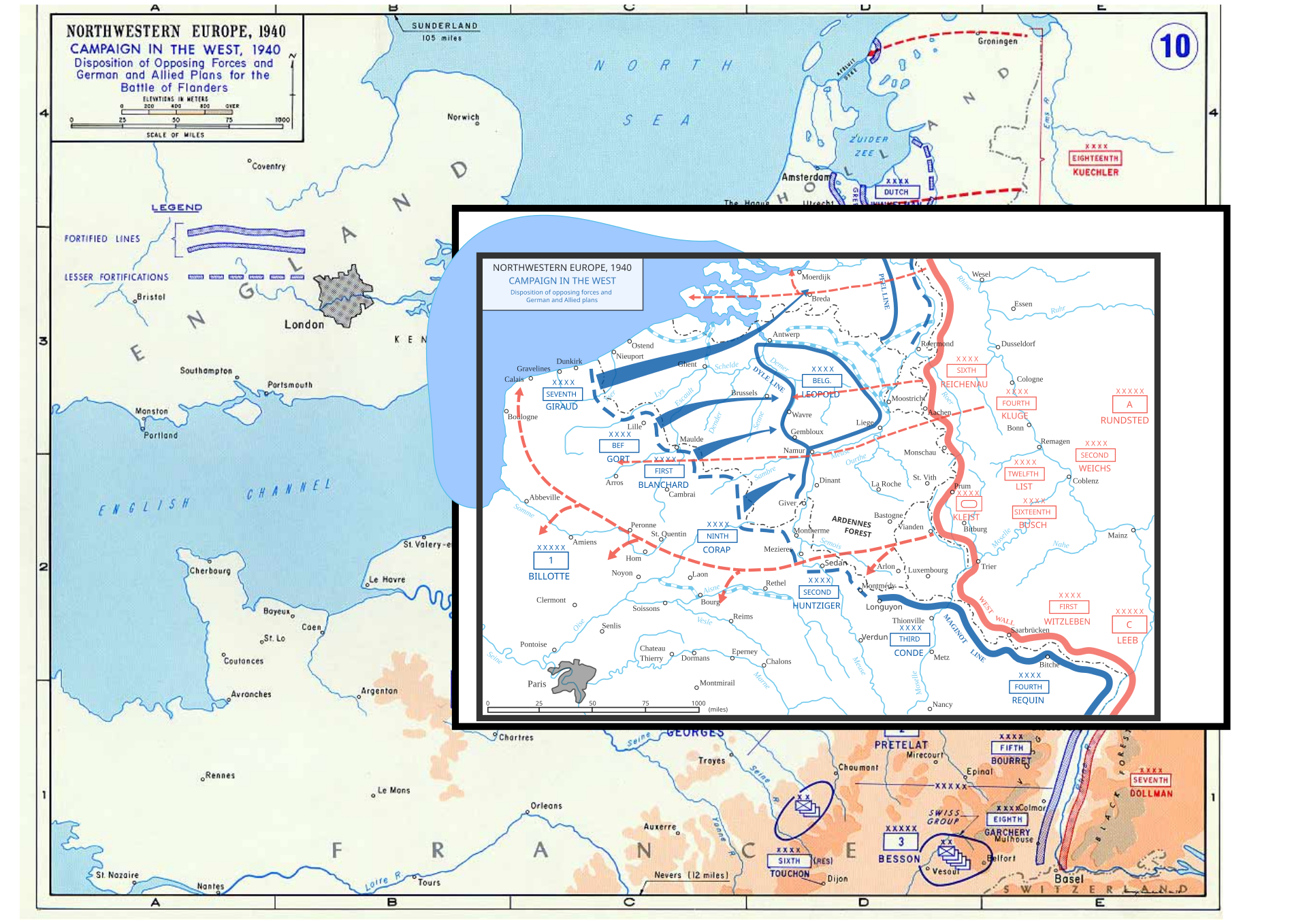
The so-called Blitzkrieg was very successful, and the German armies moved towards and occupied Paris. This, in addition to the occupation of the Low Countries, did not bode well for the French army, that were increasingly encircled by the Germans. The French army became increasingly depleted, and with the BEF retreating towards Dunkirk, the prospect of a counter-strike became more limited. At Dunkirk, most of the BEF were evacuated from France, along with a few thousand French soldiers.
As such, France was seemingly defeated. Their armies had been outmatched and outmanoeuvred by the Blitzkrieg. With the British conceding the battle was lost, the French were now about to do the same, and an armistice was agreed to, which saw the emergence of Vichy France in the south, and northern France occupied by Germany.
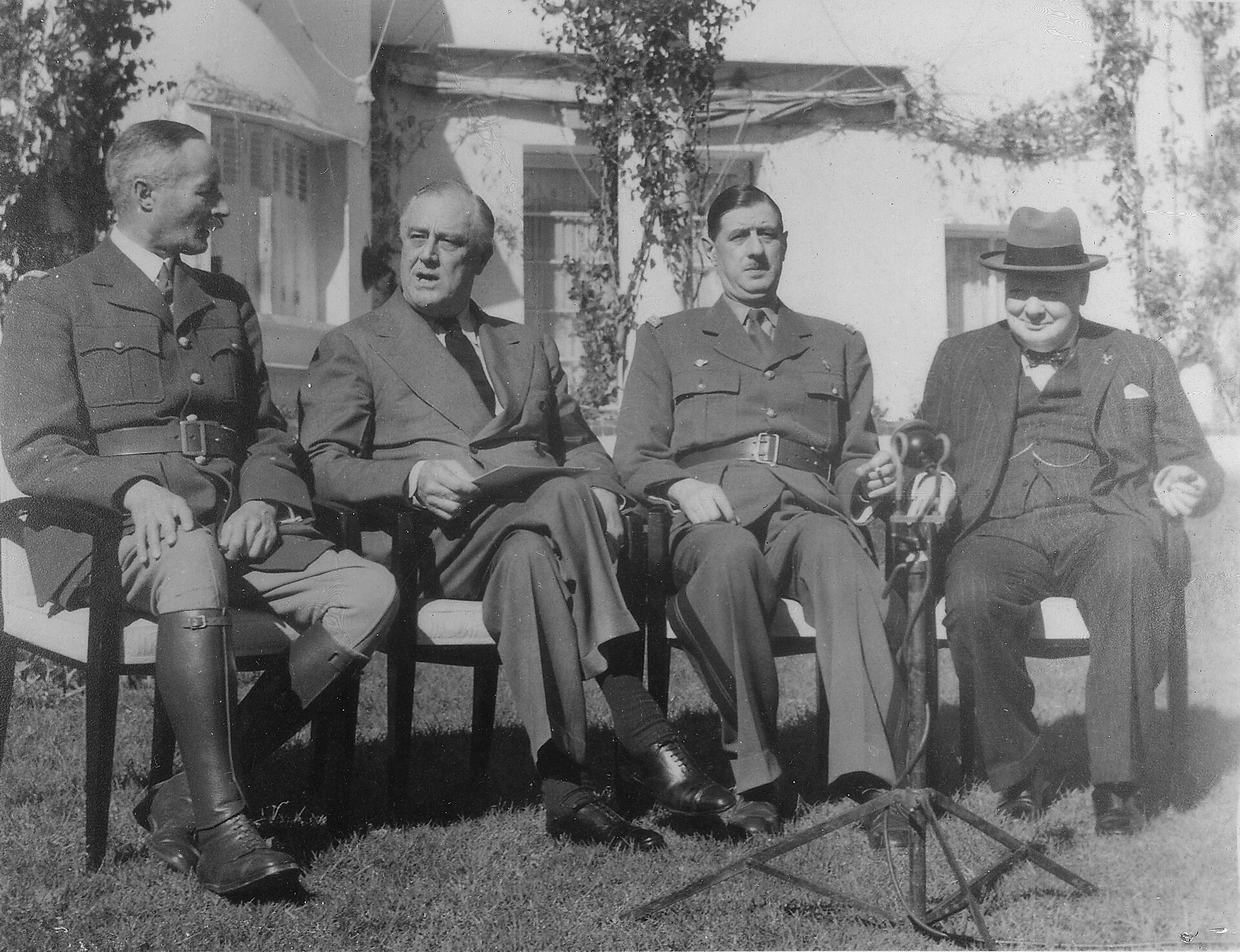
However, De Gaulle did not recognize the armistice and organized the French Resistance in Britain. Thousands of Free French troops would join the British and provide additional military support to them in North Africa, particularly during Operation Torch. Although France was seemingly defeated, De Gaulle felt otherwise, and as the war continued in the west, the prospect of the war in France reopened by 1944.
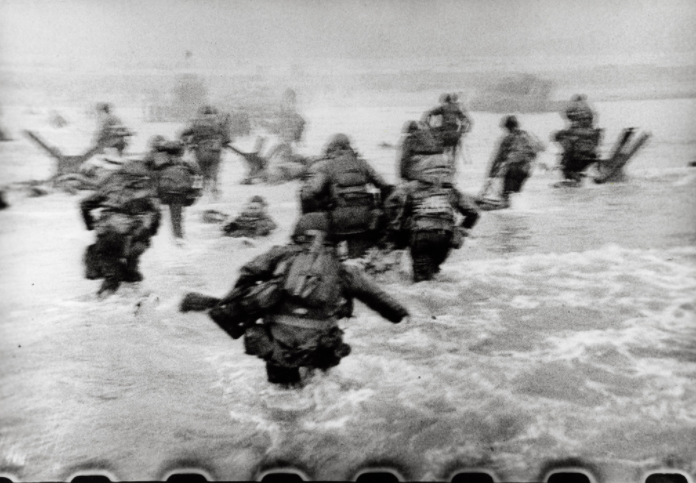
Allied victories in the east, North Africa, and Italy left the potential for Anglo-American landings in Normandy. With the plans complete, Operation Overland began in 1944 as the Allies established a beachhead in Normandy. Free French troops joined the D-Day battle and provided some additional troop divisions for the Americans and British. By August of 1944, the Allies had pushed towards Paris, and here Free French troops were joined by the Americans against the remaining German troops as the Liberation of Paris began.
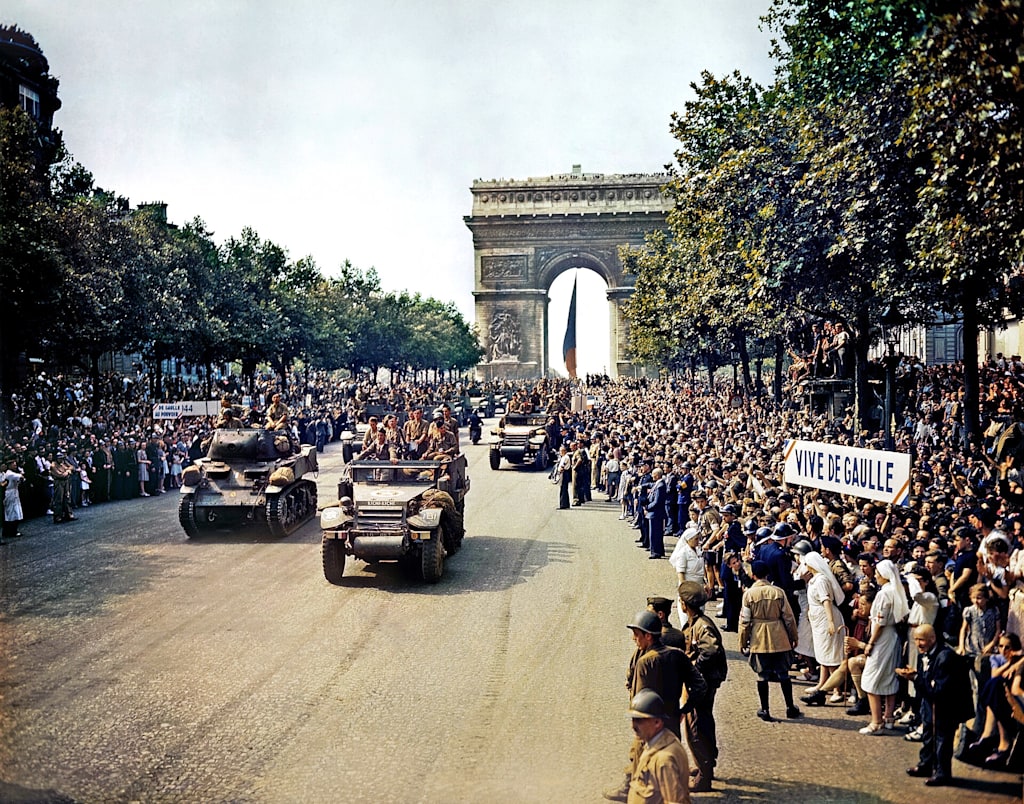
Here, the Germans surrendered. Paris celebrated as the Allied armies passed through the streets in victory parades. Operation Overlord was now over, and a new French Republic emerged. Overall, the war in the West was seemingly won.
However, the Battle of the Bulge that began in late 1944 again around the Ardennes forest, as German reserves pushed the Allied armies back to Bastogne. Despite this, the Allies restored their lines, and the troops moved further east out of France and into Germany. However, for the French Resistance, the war was over.
Overall, France's involvement in World War II was one that largely ended in 1940. France's overall military contribution to defeating Germany had not been especially significant, given the French army's defeat in 1940. However, the French Resistance under De Gaulle had continued to provide military support to the Allied alliance beyond this, and so in 1945, a French occupation zone in western Germany was established.
About the Creator
Matthew A
Matthew is the author of Battles of the Pacific War 1941-1945. Battles of the Pacific War is available on Amazon and Lulu in e-book and paperback formats. Check out the book’s blog at battlesofthepacificwar.blogspot.co.uk.
Enjoyed the story? Support the Creator.
Subscribe for free to receive all their stories in your feed.
Comments
There are no comments for this story
Be the first to respond and start the conversation.