
Pearl Harbor and FDR: Did the President Know in Advance?
Reflections on the Pearl Harbor Conspiracy Theories

The bombing of Pearl Harbor on 7 December 1941 was a day Roosevelt described as a 'Day of Infamy'. Indeed, it is now remembered as such. However, historians have begun to differ on the matter, led by revisionist historians who claim that Roosevelt's government knew exactly what was to come prior to 7 December, but needed it to join the war.
These revisionist historians challenge the official Roberts Commission, which investigated the whole attack, and point to failings in intelligence and the warning systems, which ensured that America was unaware of the planned Japanese air raid heading for Pearl Harbor. This commission, set up during the war, is largely claimed by revisionists such as Sinnet to be biased.
Sinnet's book, Day of Deceit, is probably one of the best attempts at challenging those historians who claim that Roosevelt's government was indeed unaware of the exact details of the attack. While the Roosevelt government was indeed resigned to the fact that war with Japan was a very realistic possibility, in the light of continued deterioration in relations, where, when, and how a Japanese strike would take place was not clear to them.
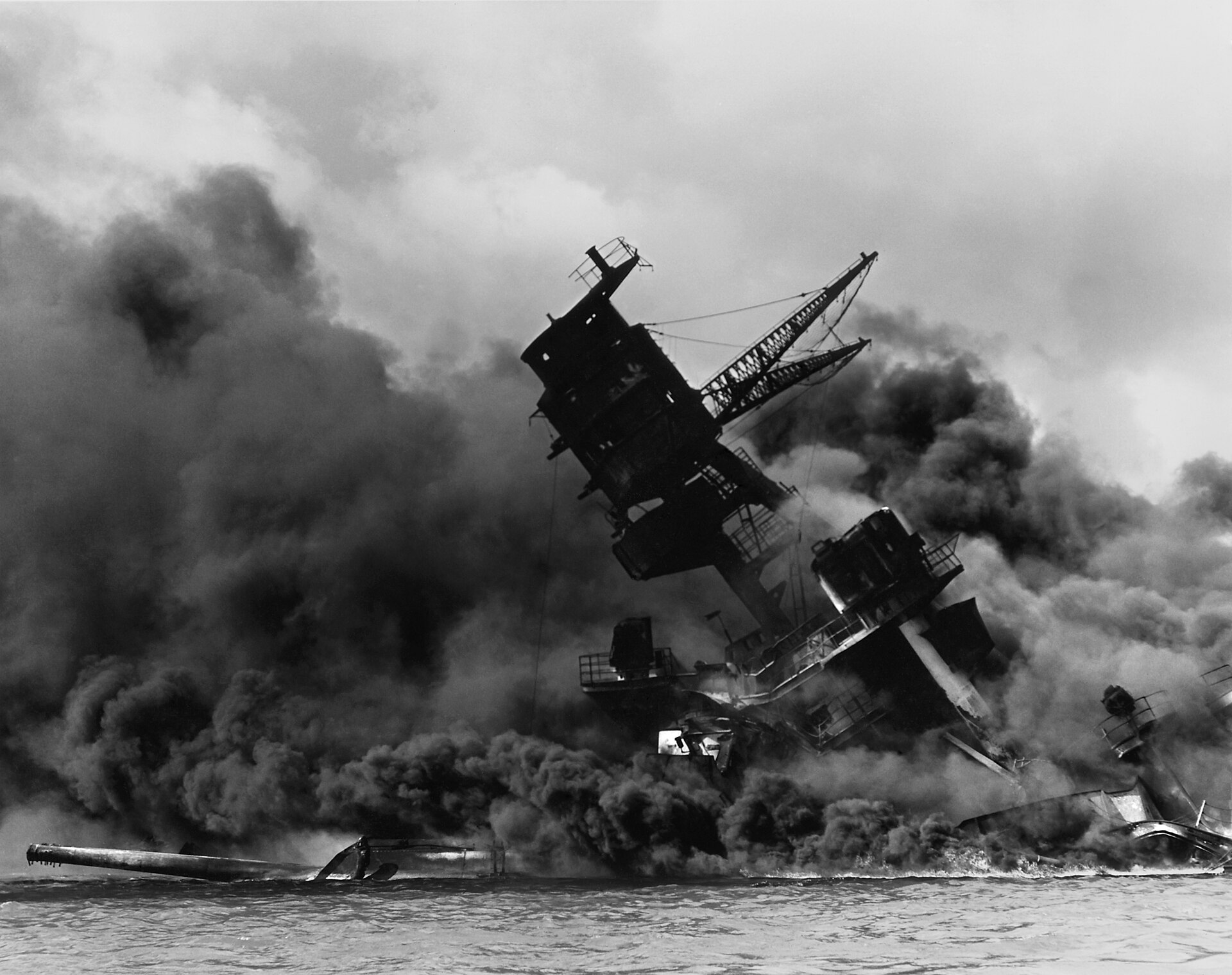
Not so, according to Sinnet, who has studied a wealth of documentary evidence on Pearl Harbor released by the Freedom of Information Act. Sinnet argues that the new evidence at hand not only proves that Japanese codes relating to the Pearl Harbor airstrike had been deciphered and delivered to the US government, but also that they were actually subsequently ignored by it.
Four key US aircraft carriers were also out of port. Not just a co-incidence or luck but moved out to save them, and leave the rest of a dispensable Pacific fleet in harbor, according to the revisionists.
Revisionists are also strongly suspicious of how defenseless Pearl Harbor was left. Again, this is put down to military and intelligence incompetence. However, the revisionists see this as something deeper. For example, planes in Pearl Harbor were placed in such a position as to make their takeoff most difficult.
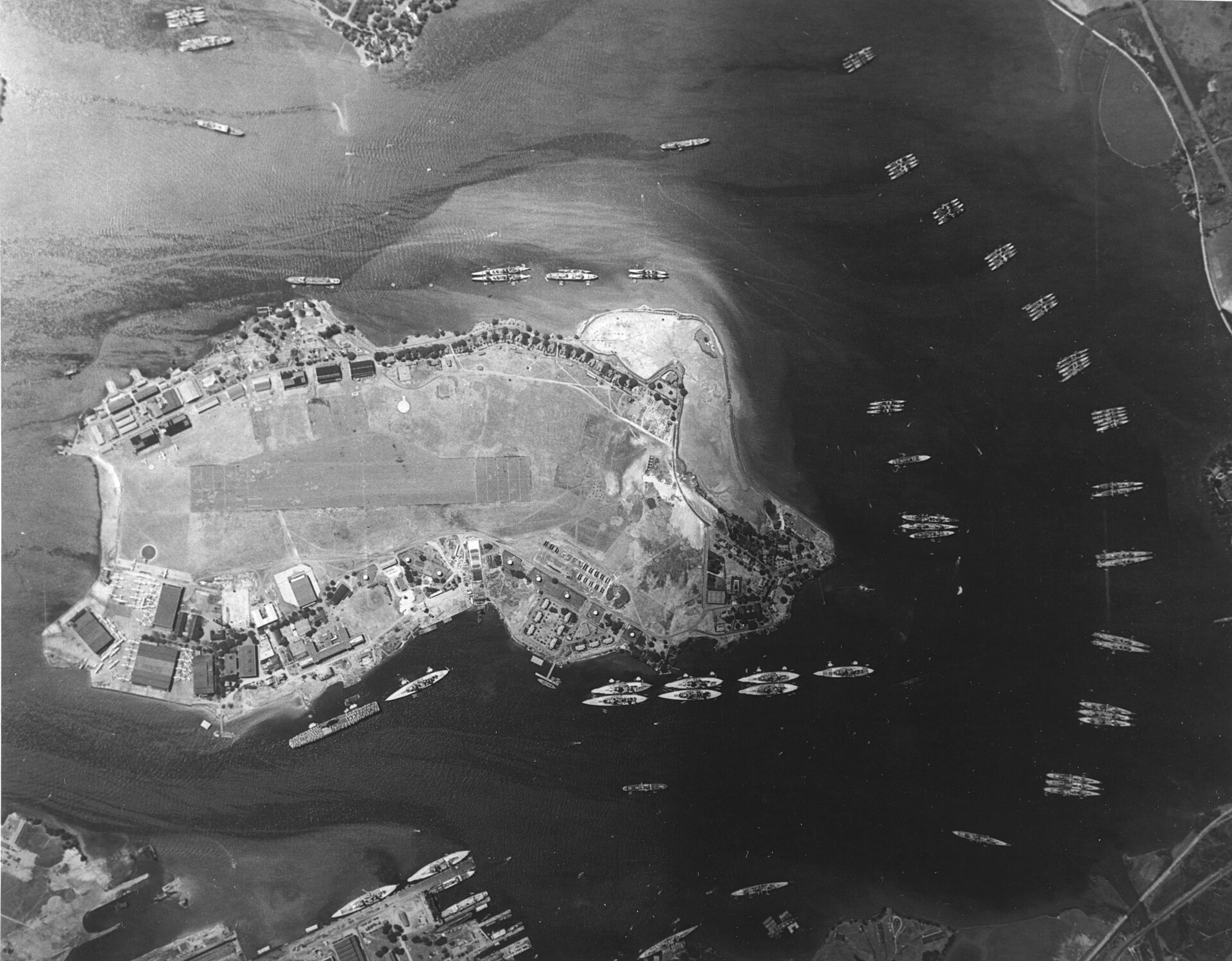
At any rate, while there is no doubt that evidence has come to light that does challenge certain aspects of the Roberts Commission (in relation to Kimmel and Short, for example), how conclusively it relates to Sinnett's theory is debatable.
For example, how necessary it was for a full-scale air strike of that magnitude to have been allowed as a pretext for war is debatable. Any sort of Japanese bomb dropped on Pearl Harbor would have been enough. However, for the US government, which, according to Sinnet, knew exactly what was ahead, could have prevented it or, at the very least, made some subtle provisions for the attack to limit the damage.
They claim this provision to be just the four aircraft carriers that were not lost. However, the truth is these ships were on orders to deliver planes to the island of Midway, which the US did indeed suspect could be a possible Japanese target. As has been noted, a war with Japan was believed to be on the cards, but their awareness of possible Japanese targets was unclear.
Indeed, even if Pearl Harbor had been put on the highest military alert and the fleet evacuated, in light of awareness of the Japanese fleet heading for the Harbor (as the revisionists claim), the Japanese would have been foiled. Even then, the US government might well still have had enough grounds to declare war on Japan. For the fact that the Japanese had attempted to bomb the harbor, in itself might well have been enough. Like the Russian mobilization in World War 1 against Germany.
Likewise, the Americans were not entirely prepared for war at the time either. It was hardly a perfectly opportune moment in relation to their military readiness. It would take until around 1943 for readiness to come. So, why provoke something you are not ready for?
However, there is still a growing body of doubt surrounding Pearl Harbor, probably because of certain aspects of the Roberts Commission, which may well have left certain areas open to questions. A number of revisionists have indeed amassed enough evidence on which to base credible books. Of course, while these theories might be able to draw upon some evidence, this has not been enough to revise the old-school US blunders, and they didn't see it coming, as featured in the film Tora Tora Tora, a Pearl Harbor film which aimed for historical accuracy.
About the Creator
Matthew A
Matthew is the author of Battles of the Pacific War 1941-1945. Battles of the Pacific War is available on Amazon and Lulu in e-book and paperback formats. Check out the book’s blog at battlesofthepacificwar.blogspot.co.uk.
Enjoyed the story? Support the Creator.
Subscribe for free to receive all their stories in your feed.
Comments
There are no comments for this story
Be the first to respond and start the conversation.