
Negotiating the Nation: The Imperial German Navy, 1897–1918
Remembering the History of the Imperial German Navy
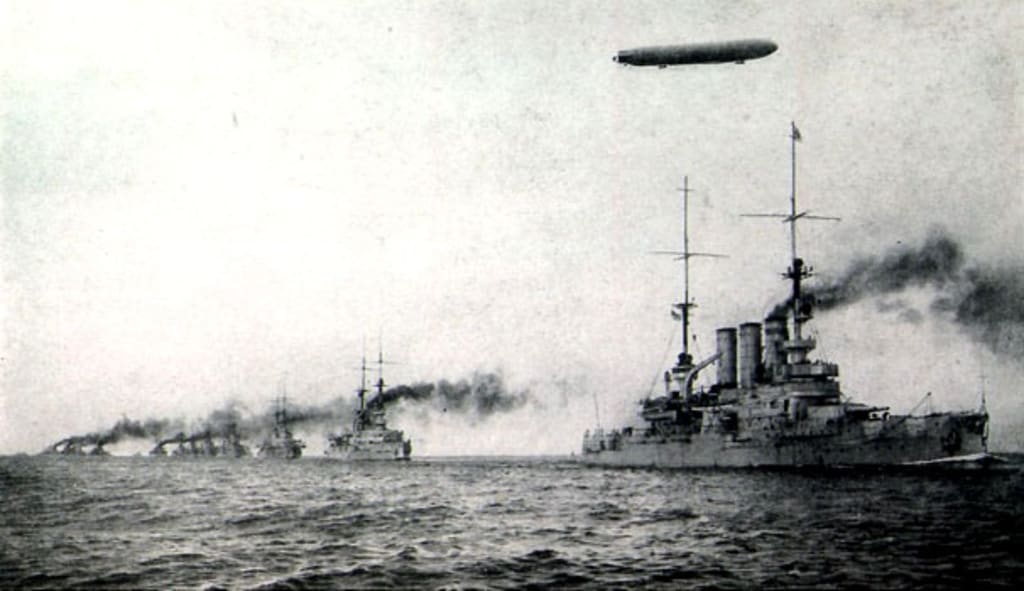
The Imperial German Navy was the navy of the German Empire. This was the largest navy in Germany's history, and it also emerged as one of the largest European navies before 1914. The history of this navy dates back to the 19th century, as the naval construction programs began in German dockyards.
Tirpitz was one of the essential people behind the expansion of the German navy. Tirpitz convinced Germany to begin expanding its navy and naval construction in the late 20th century. As such, the German Navy League was founded by Tirpitz to further encourage the expansion of the Imperial German Navy.
Membership of the Navy League increased during the 1890s and by the end of that decade had almost 600,000 members. The league gained lots of support from German industrialists who provided much of its funding. The Hamburg Amerika Line provided some steamers and ships for the league, as well as financial support.
The Imperial German Navy was gradually expanded. With greater funding provided by the German Navy League, further legislation was passed in the Reichstag, which paved the way for naval construction programs. Such legislation laid the foundations for the Imperial German Navy, with battleships, larger and smaller cruisers, as well as an assortment of smaller naval vessels.
The Anglo-German naval race would begin soon after. The Royal Navy would begin constructing new dreadnought-class battleships that were completed by 1906. These dreadnoughts outclassed German battleships, but a few years later, the Germans completed the construction of their own dreadnought battleships.
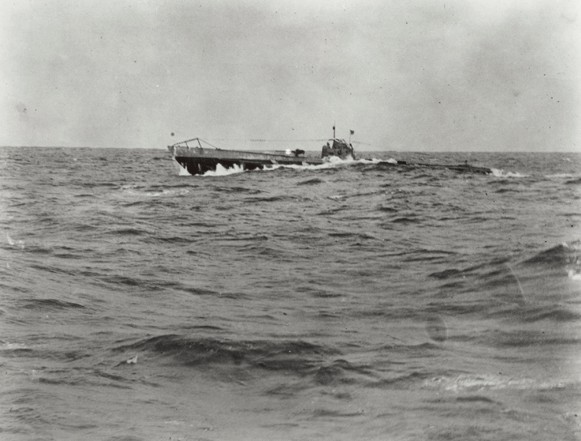
The expanding German navy did not just include surface ships. German U-boats were also constructed before the war. The first of the German U-boats was the U-1, which was constructed in 1906, although it would soon become obsolete and eclipsed by diesel U-boats before 1914.
The naval race continued up to the war. Although the Imperial German Navy could not eclipse the Royal Navy in terms of size, it was large enough to defeat almost any other navy in Europe. Britain established a naval alliance with France to counter the expanding Imperial German Navy shortly before the war.
When the First World War began in 1914, the British declared war on Germany after German troops moved into Belgium. Without any German withdrawal from Belgium, Britain joined France in their war with Germany, and this ensured German naval battles with the Royal Navy. Elsewhere, the French navy was more involved in the Mediterranean, and so naval battles in the northern seas of Europe largely involved the Imperial German Navy and Royal Navy.
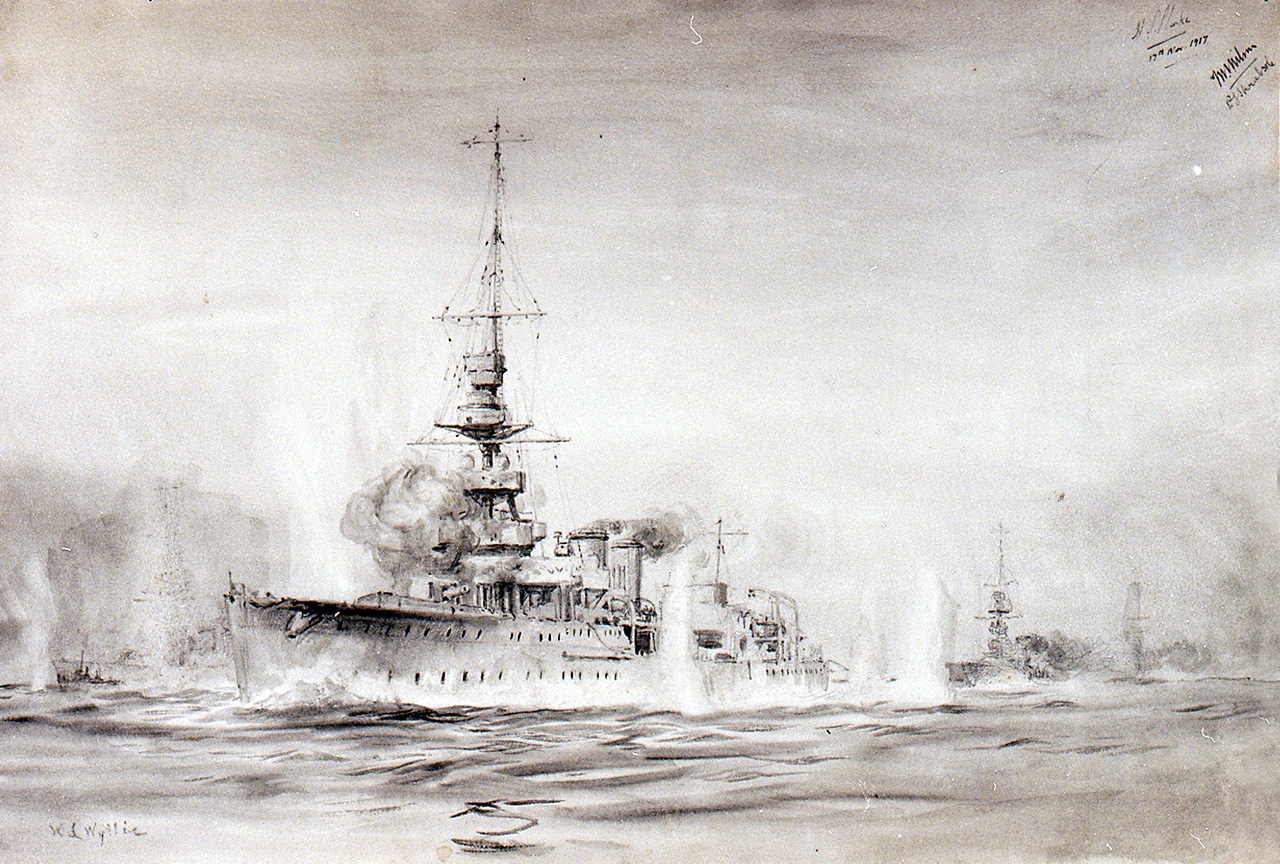
Among the early naval battles was that of the Battle of Heligoland Bight in 1914, which ended in defeat for the Imperial German Navy. During the battle, the Imperial German Navy had lost three of its cruisers and destroyers. After this battle, the surface fleet would remain in port until 1916.
However, their U-boats remained active and were more effective in sinking British merchant ships. In 1915, one German U-boat torpedoed the Lusitania. The ship went down soon after, and most of its passengers were lost at sea.
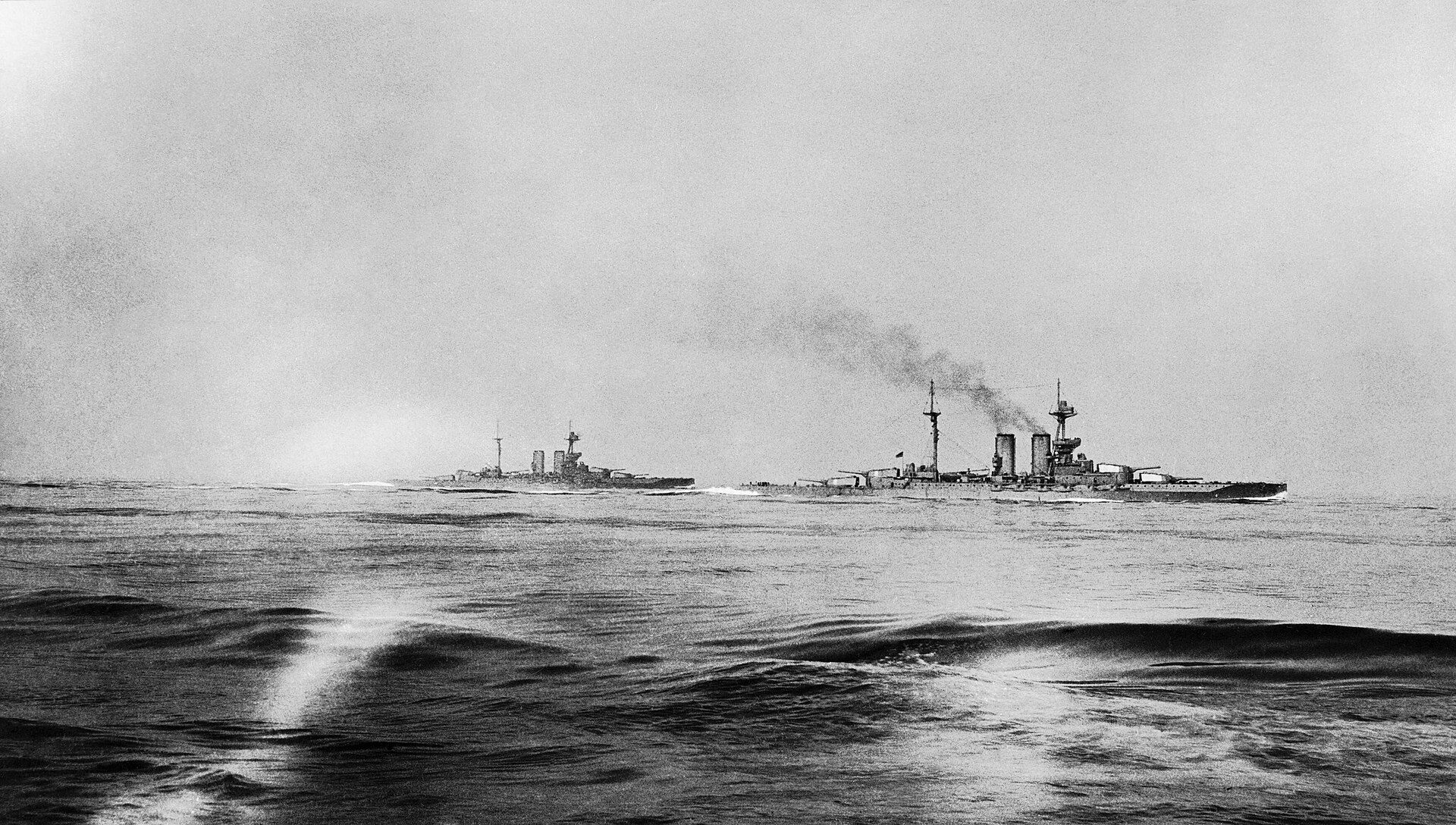
The largest naval battle in the history of the IGN was that of the Battle of Jutland in 1916. This was a naval battle that was supposed to break Britain's economic blockade and involved much of the German navy. Germany's dreadnoughts fared well at Jutland, and the Royal Navy lost more ships during the battle. As such, much of Germany celebrated the Battle of Jutland as a victory.
In fact, the battle was by no means decisive. Admiral Scheer and the German High Command reconsidered further surface fleet action after the battle, and instead, their U-boats would become far more active during the year after. The U-boat Campaign of 1917 targeted a larger tonnage of British merchant shipping, expecting that if enough was lost, Britain would be defeated. The campaign was effective up to a point, but expanding convoy escorts for the merchant ships was enough to reduce losses and ensure that Britain remained in the war.
This was the last notable naval campaign in the IGN's history. In 1918, the German army was defeated, and Entente troops occupied a number of German naval bases, which ended the U-boat Campaign. On the 11th November, 1918, the war ended.
The German Empire had been defeated. In the postwar period, the Weimar Republic established a new navy, but this was much smaller than the previous Imperial German Navy. The Treaty of Versailles ensured that most of the warships of the Imperial German Navy were scrapped after the war, and so little remained of the former Imperial German Navy.
About the Creator
Matthew A
Matthew is the author of Battles of the Pacific War 1941-1945. Battles of the Pacific War is available on Amazon and Lulu in e-book and paperback formats. Check out the book’s blog at battlesofthepacificwar.blogspot.co.uk.
Enjoyed the story? Support the Creator.
Subscribe for free to receive all their stories in your feed.
Comments
There are no comments for this story
Be the first to respond and start the conversation.