
Milestones in the History of the Italian Colonial Empire
Remembering the Key Events in the History of the Italian Empire

In the 19th century, Italy looked to Africa to provide additional economic resources and thus establish an Italian colonial empire there. However, new territories and colonies were not easy to find in a continent that was already dominated by other empires. But in the 1880s, the first notable Italian colonies were established in Eastern Africa.
Italian Somaliland Established
In 1886, the Italians were ceded ports within Eritrea. In addition, they also occupied territory on the south side of the Horn of Africa. After an invasion of Italian Ethiopia, Italy made peace with its new emperor in 1889, which ceded further territory around Eritrea to the Italians. These territorial gains were consolidated into the Italian Somaliland, which was established in 1889. This was the first notable Italian colony along the east coast of Africa
Italo-Turkish War
Another Italian colonial war began in 1911 with the Ottoman Empire. During this war, the Italians emerged victorious. Their victory in this war ensured that additional Ottoman provinces in North Africa were ceded to the Italians. They were merged to establish the Italian Libya colony, which was one of the largest territories of their empire.
World War I
When War War I engulfed Europe in 1914, the Italians sat on the sidelines despite their alliance with the Germans. That alliance, the Triple Alliance, was shredded by the Italians in 1915 when they declared war on the German Empire. This was partly due to promises from Britain and France of additional territory for their empire if the Germans were defeated.
Italy's most notable front in this war was against Austria-Hungary. That front remained somewhat static until the Italians won a notable victory at the Battle of Vittorio Veneto in 1918. Then, hundreds of thousands of Austro-Hungarian troops surrendered to the Italian army. That victory ensured the collapse of the already crumbling Austro-Hungarian Empire.
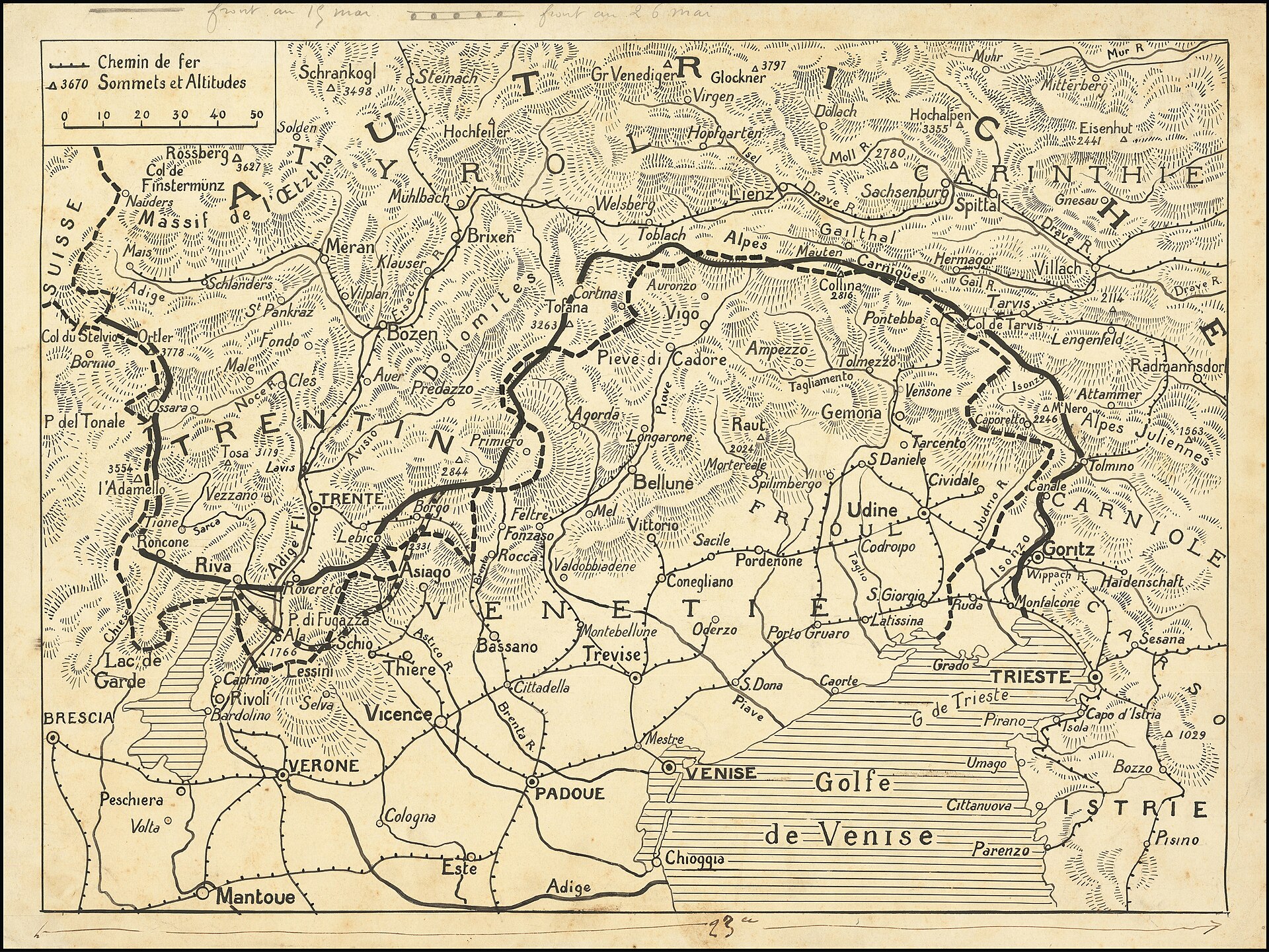
For their part in the Entente's victory, the Italians were expecting some considerable territorial gains from postwar treaties. However, little additional territory was ceded to them. Jubaland was the African territory ceded to Italy, which was later absorbed into Italian Somaliland.
Rise of Fascist Italy
The economic impact of the war was fairly substantial, and it had delivered little for the Italian Empire. The first Italian communist parties won considerable support in the postwar period and emerged alongside the largest in Italy. New fascist parties, such as the PNF, were also established and won an increasing number of votes in Italian elections. In 1922, Mussolini marched on Rome and won over the support of the Italian king for a new fascist regime.
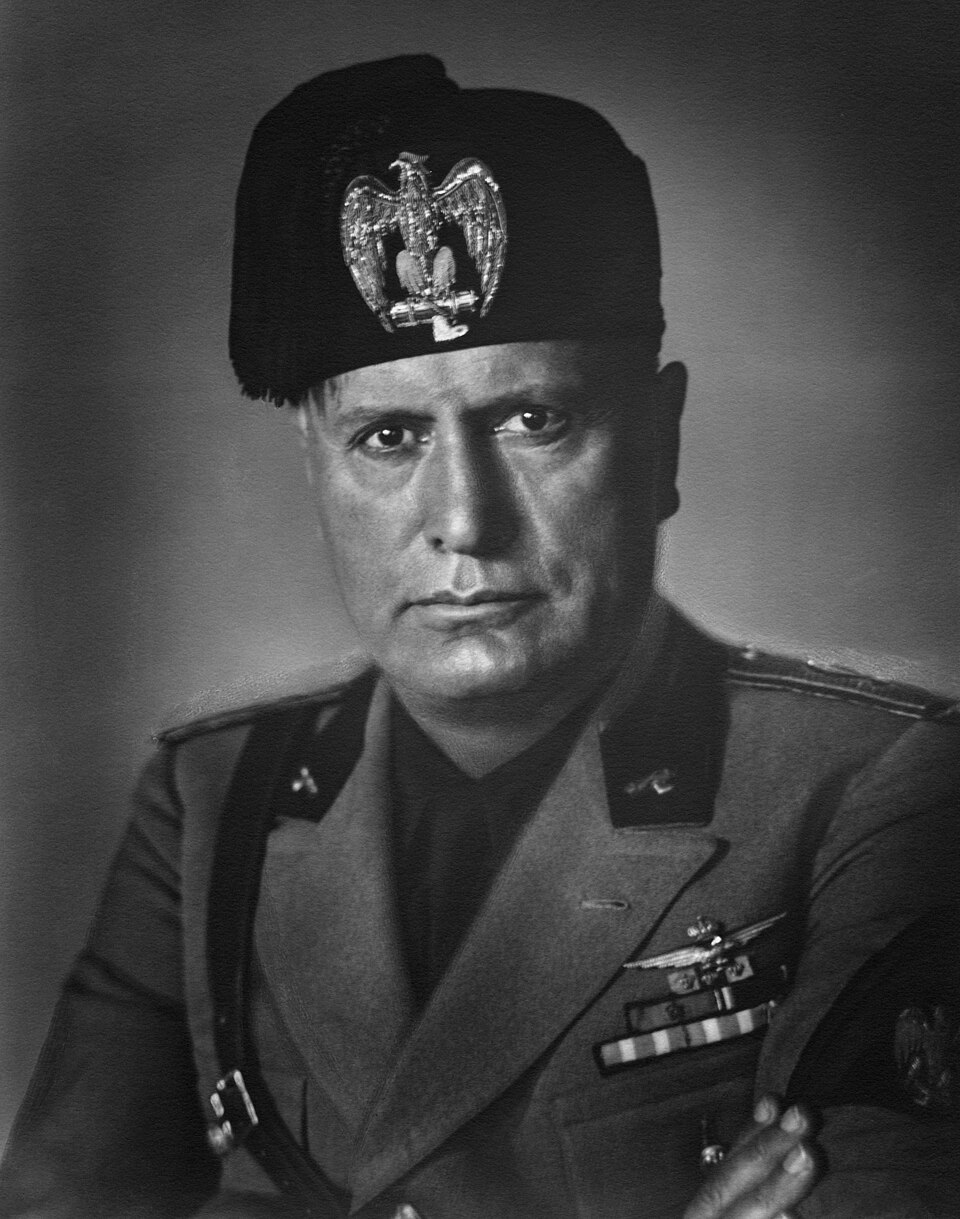
That regime would dominate Italian politics for two decades as it gradually eroded the other parties in Italy. Mussolini made some bold promises for an expanded Italian empire in the Mediterranean and Africa. The foreign policy, which outlined Italian hegemony in the Balkans, encompassing much of the former territory of the former Austro-Hungarian empire, as well as additional parts of North Africa, would not come to fruition.
Invasion of Ethiopia and Albania
Among the new territories annexed into the empire during the 1930s were Ethiopia and Albania. In 1936, Italian troops occupied the capital of Ethiopia, and their king became the new Emperor of Ethiopia. In 1939, the Italian army invaded and occupied Albania. That part of the Balkans was merged into the expanded Italian empire.
Italy declares war on Britain
With France defeated in 1940, Italy declared war on the British Empire. The Italians joined their German ally to establish new colonies in the Mediterranean and North Africa. Among their foremost targets in 1940 was that of Egypt, the Suez Canal, and the defeat of Greece in the Balkans. The Italian army was soon pushed back into Libya by the British, and there, hundreds of thousands of Italian troops surrendered. That was a crushing defeat, and in Europe, they were also pushed out of Greece by the Greek army. In the winter of 1940, at the Italian naval base of Taranto, the Italian navy was pounded by British carrier aircraft. Three of their battleships, approximately half of the overall total, were decimated within the shallow water port.
Then it became clear that the Italians could not establish an expanded empire without greater German military support. In North Africa, additional German reinforcements were merged with the Italian divisions to establish the Afrika Korps. In Greece, the German army also invaded, and there the British and Greek armies were defeated. Thus, with German support, the Italians gradually recovered on their various fronts in 1941.
Allies Invade Sicily
However, by 1943, the war was almost over for the Italian Empire. The British victories at El Alamein in 1942 ensured the retreat of the Afrika Korps, which surrendered at Tunisia in 1943. After winning the North Africa Campaign, the Allies drafted plans for the invasion of Italy.
Later in 1943, Allied troops landed in Sicily. During Operation Husky, they defeated the last remnants of the Italian army, as well as the German reinforcements that were stationed there. A good number of the German troops made an effective withdrawal from Sicily, back to mainland Italy, where they established new positions.
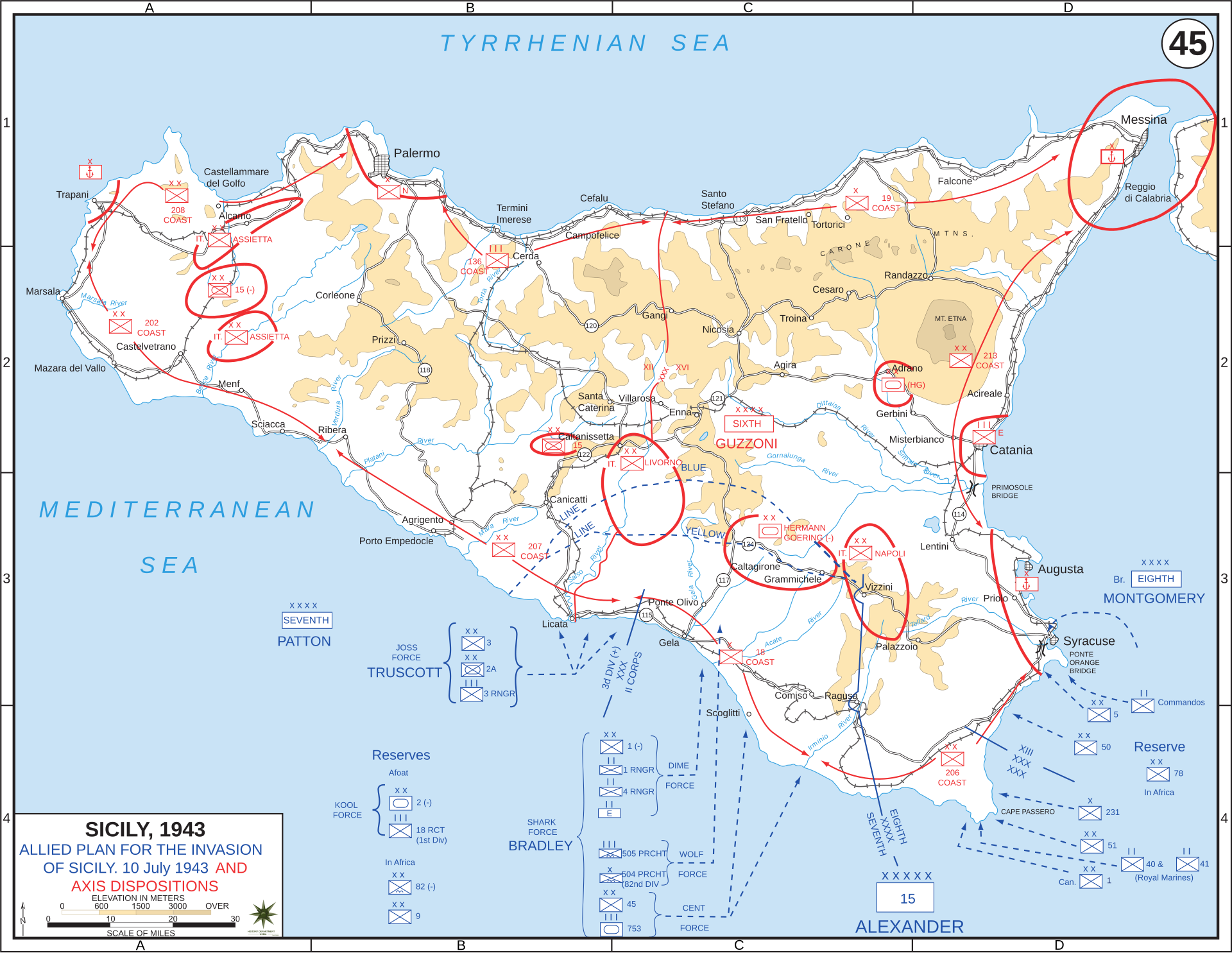
But the Allies still occupied Sicily. After the loss of this Italian island, the Italian king dismissed Mussolini from his post. Then the king began peace talks with the Allies, and a secret armistice was established with them. The Italian Empire had effectively joined the Allies, although more loyal Italian fascists linked up with the German forces located in northern Italy. There, the Italian campaign continued up until 1945, with some large battles in which the Allies had heavy losses.
The defeat of Italy and Germany all but ensured the demise of the Italian Empire. Postwar treaties effectively dissolved the Italian Empire. It joined the growing number of collapsed European empires, such as the German Empire, Austria-Hungary, etc. Only the British and French retained notable empires in the postwar period, and their colonies were also gradually shrinking in number.
About the Creator
Matthew A
Matthew is the author of Battles of the Pacific War 1941-1945. Battles of the Pacific War is available on Amazon and Lulu in e-book and paperback formats. Check out the book’s blog at battlesofthepacificwar.blogspot.co.uk.
Enjoyed the story? Support the Creator.
Subscribe for free to receive all their stories in your feed.
Comments
There are no comments for this story
Be the first to respond and start the conversation.