Latest Stories
Most recently published stories in History.
The Giant of Africa
Nigeria has a rich and diverse history, shaped by various civilizations, kingdoms, and colonial influences. Nigerian culture reflects this diversity, with over 250 ethnic groups and more than 500 languages spoken in the country. Let's explore the history of Nigeria and Nigerian life and culture. Ancient Civilizations: Nigeria's history dates back to ancient times. The Nok civilization, which flourished around 1500 BCE to 200 CE, is one of the earliest known complex societies in West Africa. They are famous for their intricate terracotta sculptures. Kingdoms and Empires: From the 9th to the 19th centuries, several powerful kingdoms and empires emerged in different parts of Nigeria. Notable among them were the Kanem-Bornu Empire in the northeast, the Hausa kingdoms in the north, the Benin Empire in the south, and the Oyo Empire in the southwest. These kingdoms thrived in trade, agriculture, and artistic achievements. Transatlantic Slave Trade: Nigeria, like many other African nations, was affected by the transatlantic slave trade, which lasted from the 16th to the 19th century. Millions of Africans, including Nigerians, were captured, sold, and forcibly transported across the Atlantic to work as slaves in the Americas. Colonial Era: In the late 19th century, Nigeria came under the influence of European powers. The British established control over different regions and gradually extended their authority over the entire territory. In 1914, Nigeria was amalgamated into one colony called the "Colony and Protectorate of Nigeria." Independence and Post-Colonial Era: Nigeria gained independence from British colonial rule on October 1, 1960. The country adopted a federal system with three regions—Northern, Western, and Eastern Nigeria—and later expanded to include additional states. However, Nigeria has experienced periods of political instability, military coups, and a civil war (1967-1970) during which the breakaway state of Biafra fought for independence. Contemporary Nigeria: Today, Nigeria is Africa's most populous country and one of its largest economies. It is known for its rich cultural heritage, diverse music and arts scene, and vibrant film industry, commonly referred to as Nollywood. Nigeria is also a significant producer of oil and plays a significant role in the African Union and other international organizations. Nigerian Life and Culture: Nigerian culture is characterized by its ethnic and linguistic diversity. The country's major ethnic groups include the Hausa, Yoruba, Igbo, and numerous smaller tribes. Each group has its own unique customs, traditions, languages, and cuisines. Nigerian cuisine is diverse and often includes staple foods like rice, yam, cassava, and plantains, along with various soups, stews, and sauces. Popular dishes include jollof rice, pounded yam, egusi soup, and suya (spiced grilled meat). Music and dance play a significant role in Nigerian culture. The country has produced internationally recognized musicians in various genres, including Afrobeat (popularized by Fela Kuti), highlife, juju, gospel, hip hop, and more. Nigerian fashion, literature, and visual arts also contribute to the vibrant cultural landscape. Religion in Nigeria is diverse, with Islam and Christianity being the two dominant faiths. Traditional African religions are also practiced, particularly in rural areas. Nigerian society places great importance on family and community, with extended family networks playing a crucial role in social life. Despite the challenges Nigeria faces, such as poverty, corruption, and security concerns, Nigerians are known for their resilience, entrepreneurial spirit, and vibrant cultural expressions, making Nigeria a dynamic and culturally rich nation.
By RAPHAEL AKINNUSI3 years ago in History
Unraveling the Ukraine Crisis: Exploring the Causes and Consequences of the Russian War
This topic delves into the ongoing conflict between Ukraine and Russia, examining the historical, political, and social factors that have contributed to the crisis. The presentation can explore the root causes of the conflict, including the annexation of Crimea, the pro-Russian separatist movements in Eastern Ukraine, and the complex dynamics between Ukraine, Russia, and the international community.
By Nkem Erakpotobor3 years ago in History
Significant NASCAR Chicago street closures take effect as race nears
Title: Significant Street Closures in Chicago as NASCAR Race Nears Introduction: As the anticipation builds for the highly-anticipated NASCAR race in Chicago, the city is gearing up to host this thrilling event. With thousands of race enthusiasts expected to flock to the Windy City, significant street closures have been implemented to ensure a smooth and safe experience for both participants and spectators. In this article, we will explore the key street closures that will affect the city and its residents as the race nears.
By Sunita Patel3 years ago in History
Echoes of Solitude: A Journey of Discovery in a Foreign City
Once upon a time, in a foreign city that seemed to stretch endlessly, there lived a woman named Sarah. She had always dreamed of adventure, of exploring faraway places and immersing herself in the magic of different cultures. But now, standing amidst the towering buildings and bustling streets, her heart felt heavy with a profound sense of loneliness.
By Glory Maik3 years ago in History
A tapestry of threads
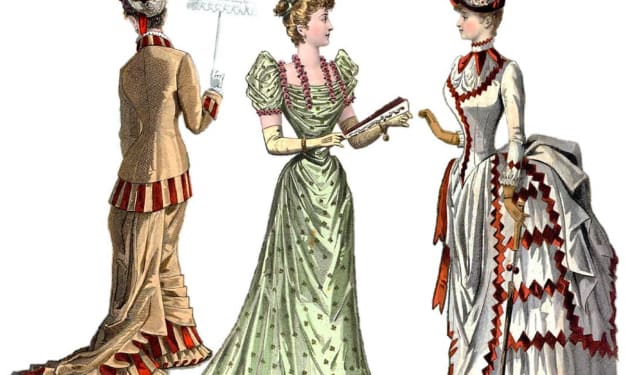
As a modiste in Victorian England, you would have held a position of great importance and influence in the world of fashion, your work would have been particularly relevant and captivating just as it is depicted in the popular television series "Bridgerton." The show showcases the opulent and lavish lifestyles of the aristocracy, where fashion played a pivotal role. Your role would have involved creating exquisite garments and accessories for the elite members of society, ensuring that they were dressed in the latest styles and trends. Let's delve into your life and work in more detail.
By Judith Onyatta3 years ago in History
Black man’s freedom . Content Warning.
In a small town called Libertyville, there lived a determined young man named Marcus. Marcus was a black man who grew up in a time when racial segregation was still prevalent, and opportunities for people of color were limited. Despite the challenges he faced, Marcus had a burning desire for freedom and equality.
By Precious Kenneth3 years ago in History