Latest Stories
Most recently published stories in History.
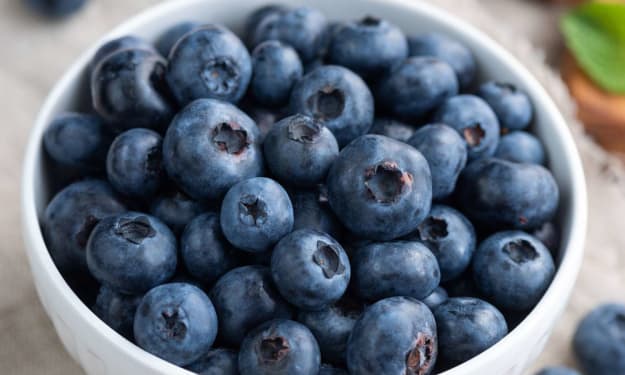
Frozen Blueberries Recalled. AI-Generated.
Understanding the reasons behind the recall, the health implications, and how to respond responsibly Frozen blueberries are a kitchen essential in many households. They are convenient, nutritious, and versatile—used in smoothies, desserts, breakfast bowls, and baked goods. So when news breaks about frozen blueberries recalled from store shelves, it naturally captures attention. For families who rely on frozen fruit as a healthy staple, a recall can feel unsettling. However, food recalls are not uncommon, and they do not always signal widespread danger. Instead, they often reflect a functioning safety system designed to identify potential risks before they become larger public health issues. By understanding how recalls work and what steps to take, consumers can respond calmly and responsibly. Why Frozen Blueberries Are Sometimes Recalled Frozen fruit recalls typically occur due to concerns about contamination. Unlike fresh produce, frozen fruit may remain in storage for months, making it essential that it meets strict safety standards before distribution. In the United States, oversight of food safety recalls is primarily handled by the U.S. Food and Drug Administration. When a manufacturer detects possible contamination—either through routine testing or reports of illness—the company may voluntarily recall specific batches. The FDA then publishes detailed recall notices, including brand names, packaging sizes, lot numbers, and distribution areas. The most common concerns linked to frozen fruit recalls involve pathogens such as Salmonella, Listeria, or hepatitis A. Freezing preserves food, but it does not necessarily eliminate harmful microorganisms. If contamination occurs before freezing, it can remain present in the final product. What Makes Frozen Fruit Unique in Food Safety Frozen blueberries often travel long distances before reaching grocery stores. They may be harvested in one region, processed in another, and distributed nationwide or internationally. At each stage—harvesting, washing, freezing, packaging, and transport—strict hygiene practices are required. Because frozen fruit is often sold under multiple private-label brands, a single supplier issue can affect products in different supermarkets. This sometimes creates confusion for consumers, who may see different brand names involved in what is essentially the same recall. Importantly, recalls frequently affect only specific production lots rather than an entire product category. That means not all frozen blueberries are impacted—only certain batches identified through traceability systems. Health Risks Associated with Contaminated Berries The health impact of a recall depends on the type of contamination involved. Salmonella infections may cause fever, diarrhea, and abdominal discomfort. Listeria can be more serious, particularly for pregnant women, older adults, and individuals with weakened immune systems. Hepatitis A affects the liver and may lead to fatigue, nausea, and jaundice. In many cases, recalls are precautionary. Sometimes no illnesses have been reported at the time of the announcement. Instead, contamination is identified through routine quality checks. While the word “recalled” can sound alarming, it often indicates that safety monitoring systems are functioning effectively. Consumers who experience symptoms after consuming recalled food should seek medical advice promptly. Early diagnosis and treatment can reduce complications. How to Check If Your Product Is Affected When frozen blueberries are recalled, official announcements provide specific details. These usually include: Brand name Package size Lot or batch numbers “Best by” dates Distribution regions Consumers should compare this information carefully with the packaging in their freezer. If the product matches the recall notice, it should not be consumed. In most cases, customers are advised to discard the product or return it to the retailer for a refund. Surfaces and utensils that came into contact with the berries should be washed thoroughly. Washing hands after handling recalled products is also recommended. It is best to rely on official recall notices rather than social media posts, which may lack complete or accurate details. The Role of Transparency in Modern Recalls Today’s recall system depends heavily on transparency. Agencies publish updates online, and retailers often notify customers through email or mobile apps. Some grocery stores use purchase tracking systems to inform loyalty card holders if they bought a recalled item. This level of communication helps prevent further risk and builds consumer trust. When companies respond quickly and clearly, they demonstrate accountability and commitment to public safety. Recalls can be costly for businesses, involving product disposal, refunds, and potential reputational damage. Yet acting promptly can protect both consumers and long-term brand integrity. Safe Handling Practices at Home Even outside of recall situations, safe food handling reduces the risk of illness. For frozen blueberries and other frozen fruits: Keep them frozen until use. Avoid cross-contamination by using clean utensils and surfaces. Wash hands before and after handling food. Consider cooking frozen berries when serving individuals in higher-risk groups. While many people use frozen blueberries directly in smoothies, heating them briefly can reduce certain risks, particularly during periods of heightened concern. A Balanced Perspective Food recalls can generate headlines, but they represent a small portion of the overall food supply. Millions of food items are distributed daily, and the vast majority meet safety standards. Rather than creating fear, recalls highlight the importance of monitoring systems designed to detect potential hazards. Regulatory oversight, industry testing, and public communication work together to reduce health risks. For consumers, the key response is awareness—not alarm. Check official recall details, follow guidance if your product is affected, and maintain routine food safety habits at home. Moving Forward with Confidence The recent attention surrounding frozen blueberries recalled serves as a reminder that food safety is a shared responsibility. Farmers, manufacturers, regulators, retailers, and consumers each play a role in maintaining a secure food system. By staying informed through credible sources and responding thoughtfully, households can continue to enjoy nutritious foods with confidence. Frozen blueberries remain a valuable part of many diets. A recall does not diminish their benefits—it simply underscores the importance of vigilance in ensuring that the food reaching our tables meets the highest safety standards. In the end, awareness empowers consumers. With accurate information and practical precautions, even unsettling news can be managed with clarity and calm.
By Saboor Brohi 7 months ago in History
4 Mind-Bending 'Secrets' of the Illuminati Hidden in Plain Sight
Have you ever watched presidents, celebrities, and global leaders on the world stage and wondered about their public gestures? We see their handshakes and poses, but what if they are not random affectations, but a coded language an occult script being played out right before our eyes? They vowed you would never know. They were wrong.
By The INFORMER7 months ago in History
The Seven Last Words of Jesus on the Cross
The seven last words of Jesus on the cross are popular during the season leading up to Easter/Resurrection Sunday. When churches were filled with children they would have plays, where each child would be given one of the sayings to quote.
By Cheryl E Preston7 months ago in History
The Tidewater Creole People
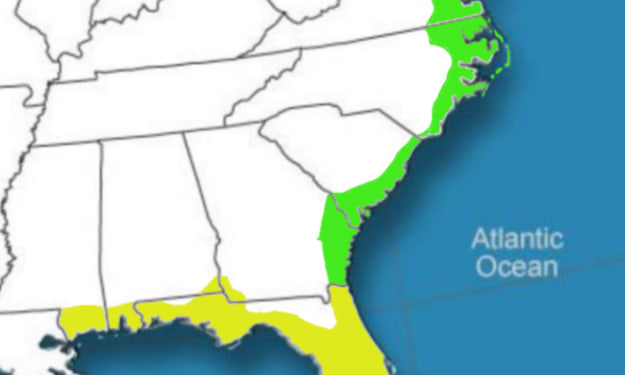
The Tidewater Creole people are descendants of early Black communities of the Tidewater Region from the 1620s and onwards into the future in coastal Virginia, the Carolina Coast, coastal Georgia, coastal Maryland and Delaware, and the Southern New Jersey Shore.
By Gracebelle White7 months ago in History
How Domino's Went from $14 to Billions! Part 1
In 1960, when Domino’s Pizza first opened, the entire day’s sales were only $14. But no one knew that a newspaper-selling boy — who grew up without a father’s support and without a mother’s love — would one day become the owner of more than 18,000 pizza outlets.
By Imran Ali Shah7 months ago in History
Several hundred residents of the village lived in the basement for a month
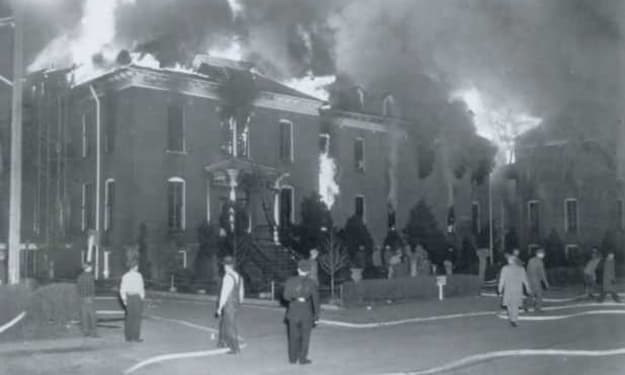
The city of Chernihiv was surrounded in the first days of the war, and it was liberated only in early April. The surrounding villages were even less fortunate — russian troops entered there on February 24. The village of Yahidne, located south of Chernihiv and 150 kilometres from Kyiv, was occupied in early March. About 400 local residents were taken prisoner, they sat for a month in the dark, cramped basement of a small local school. The occupiers looted homes, took away clothes, linen, and household appliances. Sometimes residents were allowed to leave the basement and cook some food on the fire. During the occupation, the Russians shot, according to various sources, 20 civilians. Journalist Ilya Kabachynskyi came to Yahidne to see the conditions in which the locals lived, talked to them about what was happening, and went down to the same basement where 11 people died.
By Ilya Baranov7 months ago in History
Worst Mid-Air Crash in Aviation History part 2
Around 6:23 PM, Flight 1907 reached a waypoint west of Delhi called LUMKA. Waypoints function like intersections in the sky, where different airways cross. From there, the Kazakh flight was cleared to descend from 25,000 feet to 20,000 feet as it joined the “Delhi STAR” arrival route.
By Imran Ali Shah7 months ago in History
Worst Mid-Air Crash in Aviation History part 1
It was evening over Delhi when two aircraft carrying a total of 349 people were moving toward each other in the sky. One of them was preparing to land at Delhi Airport, while the other had just taken off from Delhi. Both pilots were receiving instructions from the same air traffic controller, and a vertical separation of 1,000 feet had been maintained between them.
By Imran Ali Shah7 months ago in History
Echoes Beneath the Silent Guns
The summer of 1914 arrived gently in Europe, with long golden evenings settling over wheat fields and cobblestone streets. In a small village near the border of the German Empire, sixteen-year-old Lukas Adler believed the world was wide and permanent. His father was a blacksmith; his mother kept a garden that seemed to bloom regardless of politics. News from faraway capitals felt distant—until the day everything changed.
By Maavia tahir7 months ago in History
The Radical Life and Stoic Death of W.T. Stead
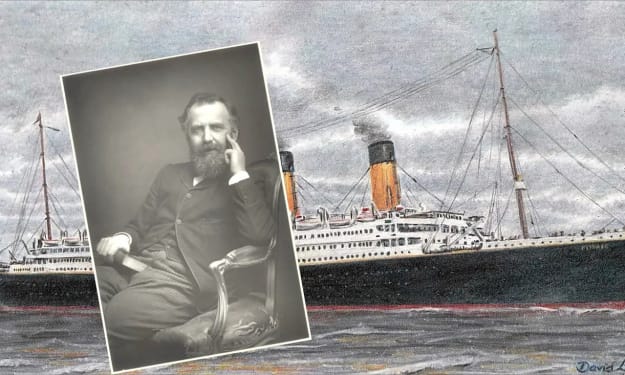
W.T. Stead was the first person to understand that the media could be used as a weapon, a concept that now dominates all aspects of our lives. He frequently used the platform he had built to attack political and social causes to great effect.
By Sam H Arnold7 months ago in History