
Lake Karachay: One of the Most Dangerous Places on Earth
How a small lake in the Ural Mountains became one of the most contaminated places in the history of the nuclear age.
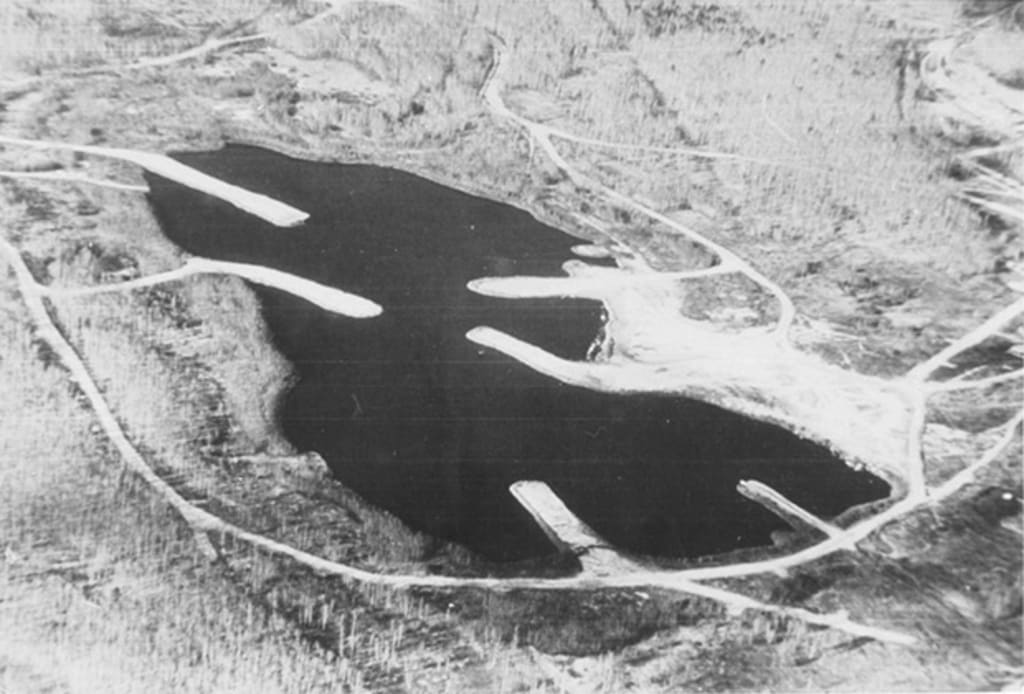
In the 19th century, Lake Karachay was an unremarkable body of water in the southern Ural region. During particularly dry years, it could even dry up completely, and it was not always marked on maps. By the end of the 20th century, however, the site had become a symbol of environmental disaster, earning descriptions such as “the most radioactive place on Earth” and the “Ural Hiroshima” in international media.
Today, Lake Karachay no longer physically exists. It has been filled with millions of tons of rock and sealed beneath concrete. Yet the radioactive legacy hidden beneath that protective layer will require monitoring for generations to come. How did this small lake become one of the most notorious environmental disasters of the nuclear age?
How the Dumping Began
Lake Karachay was located in Russia’s Chelyabinsk region near the closed city of Ozersk. Nearby stood the Mayak Production Association, one of the Soviet Union’s largest nuclear facilities. Established in 1948, the complex was built to produce weapons-grade plutonium for the first Soviet atomic bomb.
During the facility’s early years, roughly between 1949 and 1951, radioactive waste was discharged directly into the Techa River, causing severe contamination of the river and surrounding areas. In an effort to address the problem, Soviet authorities decided on October 28, 1951, to use Lake Karachay—known internally as Reservoir V-9—as a disposal site.
The decision ended the releases into the Techa River but created a new and far more concentrated hazard.
For the next thirty-five years, from 1951 to 1986, liquid radioactive waste containing uranium, plutonium, and numerous fission products from spent nuclear fuel reprocessing was dumped into the lake. Little effort was made to isolate or treat the material. The lake effectively became a massive open-air repository for radioactive waste.
The Numbers Behind the Disaster
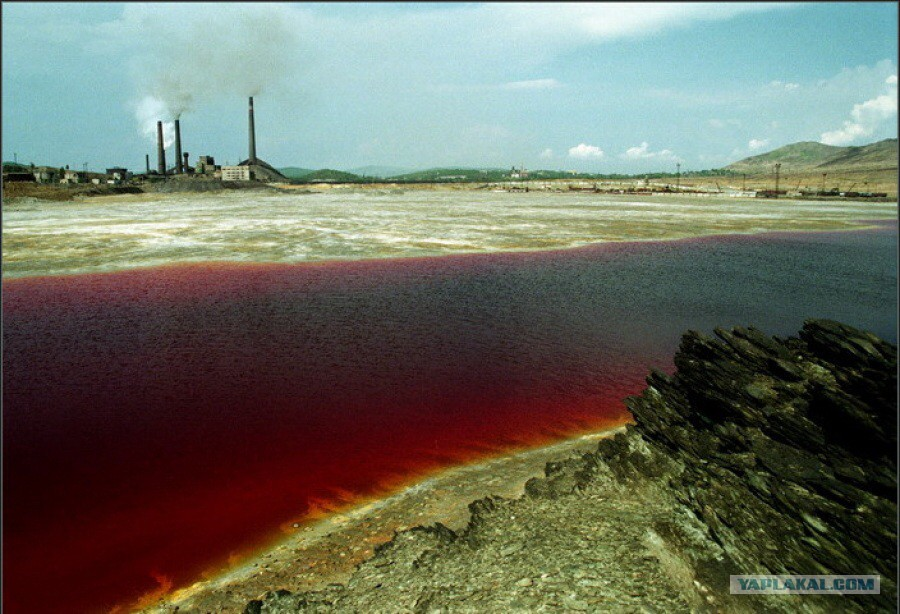
What makes the story of Lake Karachay so shocking is the enormous amount of radioactivity concentrated in such a small body of water.
Before waste disposal began, the lake was essentially a naturally occurring closed basin covering about 26.5 hectares, roughly the size of 36 football fields. It measured around 750 meters in length, 450 meters in width, and had a maximum depth of only 1.25 meters. By 1962, constant waste discharge had expanded its area to approximately 50 hectares.
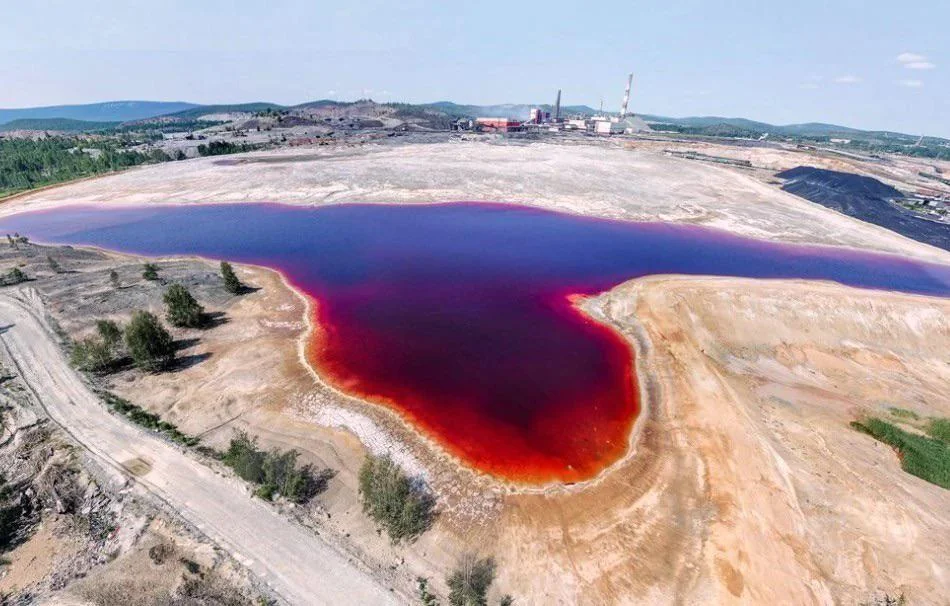
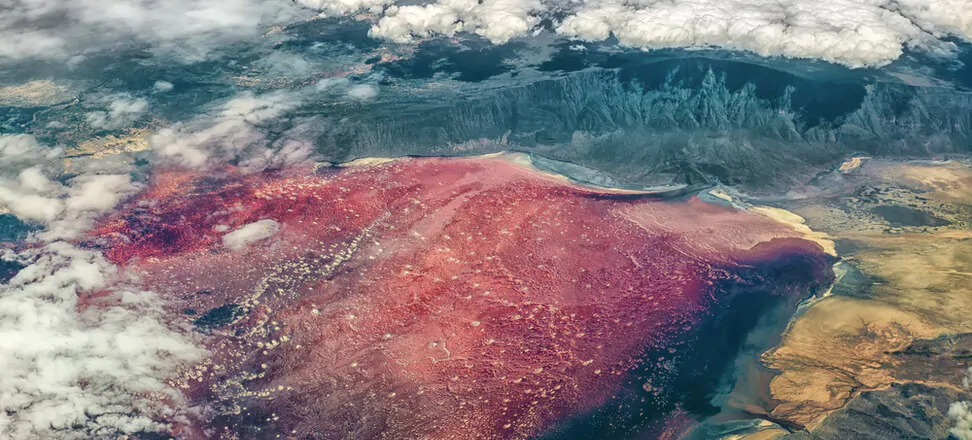
Over the years, an estimated 120 million curies of radioactive material accumulated in the lake, primarily strontium-90 and cesium-137. Some sources place the figure even higher, at around 150 million curies. The amount of radioactivity concentrated there exceeded that released during many of the world's most serious nuclear accidents.
By 1990, radiation levels near the main disposal area reached approximately 600 roentgens per hour. Exposure to 400–500 roentgens is generally considered potentially fatal. This meant that spending about an hour near the shoreline could deliver a lethal dose of radiation. Some estimates suggested that even 15 to 20 minutes of exposure without protective equipment could be extremely dangerous.
Beneath the lake, a contaminated groundwater plume developed, extending roughly 100 meters deep and covering about 10 square kilometers. Within the basin itself, nearly 190,000 cubic meters of radioactive sediment accumulated over the decades.
The 1967 Windborne Disaster
The most dramatic chapter in Lake Karachay’s history was not caused by dumping itself, but by the weather.
In 1967, severe drought struck the southern Urals. Water levels in the lake dropped significantly, exposing large areas of radioactive sediment along the shoreline and lakebed.
In April of that year, strong winds swept across the region. The dried radioactive mud and sand were lifted into the air and carried over a vast area.
The scale of the contamination was enormous.
The radioactive cloud affected between 1,800 and 2,700 square kilometers of territory. An estimated 400,000 to 500,000 people were exposed to varying levels of radioactive contamination. Approximately 600 curies of radionuclides, primarily cesium-137 and strontium-90, were dispersed by the wind.
People unknowingly inhaled radioactive dust as it settled on gardens, rooftops, schools, and homes.
The event compounded contamination already present from the 1957 Kyshtym disaster, which had occurred at the Mayak facility when a tank containing radioactive waste exploded. The two incidents together created one of the most heavily contaminated regions in the world.
Burying the Lake
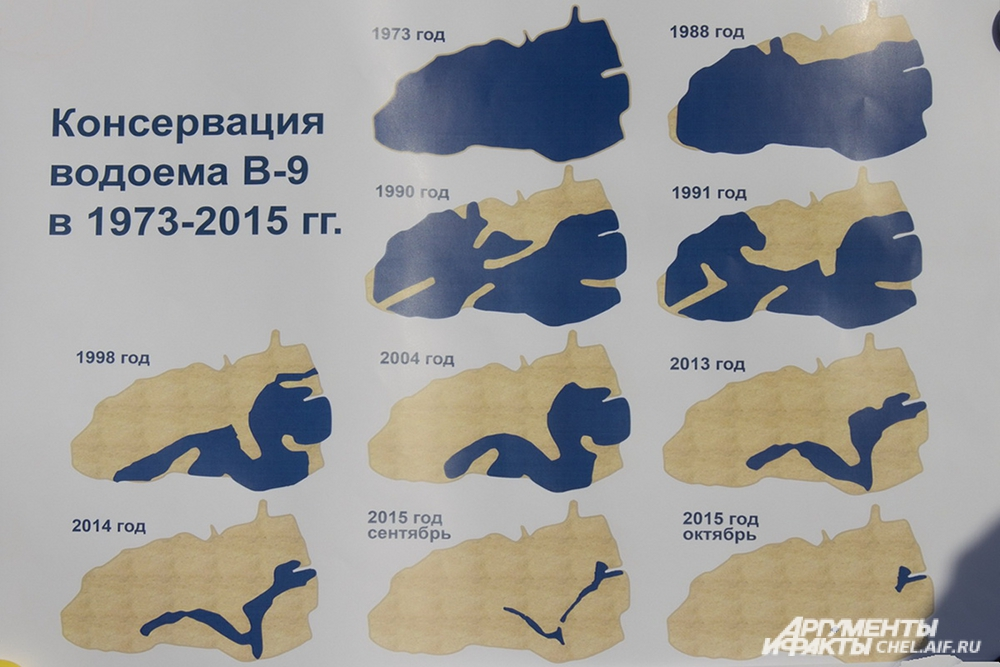
Following the 1967 incident, Soviet authorities recognized the scale of the threat and eventually decided that the lake itself had to be eliminated.
Beginning in the 1970s, engineers started covering exposed areas of the lakebed. A unique method was developed in which hollow concrete blocks were placed directly into the water to stabilize the sediments and prevent radioactive material from being carried away. Shoreline areas were gradually covered with rock.
The effort slowed during the political and economic turmoil that accompanied the final years of the Soviet Union. For a time, the project remained incomplete.
Work resumed decades later. On November 26, 2015, the final concrete blocks were placed, and the remaining surface was covered with millions of tons of rock and soil. The lake was effectively transformed into a giant engineered burial site.
Today, what was once considered one of the most radioactive lakes on Earth appears from the surface to be little more than a grassy field.
The Danger Has Not Disappeared
Covering Lake Karachay did not eliminate the radioactivity. It merely isolated it.
The greatest concern today is groundwater contamination. The radioactive plume beneath the former lake continues to require careful monitoring. Scientists and engineers must ensure that radionuclides do not migrate into nearby waterways and river systems.
Long-term management remains a major challenge. Monitoring wells, geological surveys, and environmental controls are necessary to track conditions beneath the site. Experts agree that oversight will be required for many decades, and likely far longer.
The human consequences have also been significant. Communities affected by contamination from Mayak-related incidents have experienced elevated rates of various health problems, including cancers and other radiation-associated illnesses. Researchers continue to study the long-term effects on local populations.
A Monument to the Nuclear Arms Race
Lake Karachay became a symbol of an era when military and technological goals often took precedence over environmental considerations.
Between 1951 and 2015, the site accumulated such extraordinary amounts of radioactive material that it was frequently described as a ticking environmental time bomb. Although the lake has disappeared from the landscape, the radioactive waste remains beneath layers of engineered barriers.
Today the area is closed to the public and remains under strict control. It serves as a stark reminder of the costs that can accompany technological progress when environmental protection and long-term safety are neglected.
Lake Karachay was erased from maps, buried beneath rock and concrete, and hidden from view. Yet the legacy of what lies beneath will remain part of the nuclear age for centuries to come.
About the Creator
Enjoyed the story? Support the Creator.
Subscribe for free to receive all their stories in your feed.
Comments
There are no comments for this story
Be the first to respond and start the conversation.