
Iron and Ruin: The Story of Germany in World War I
Remembering Germany's Involvement in World War I
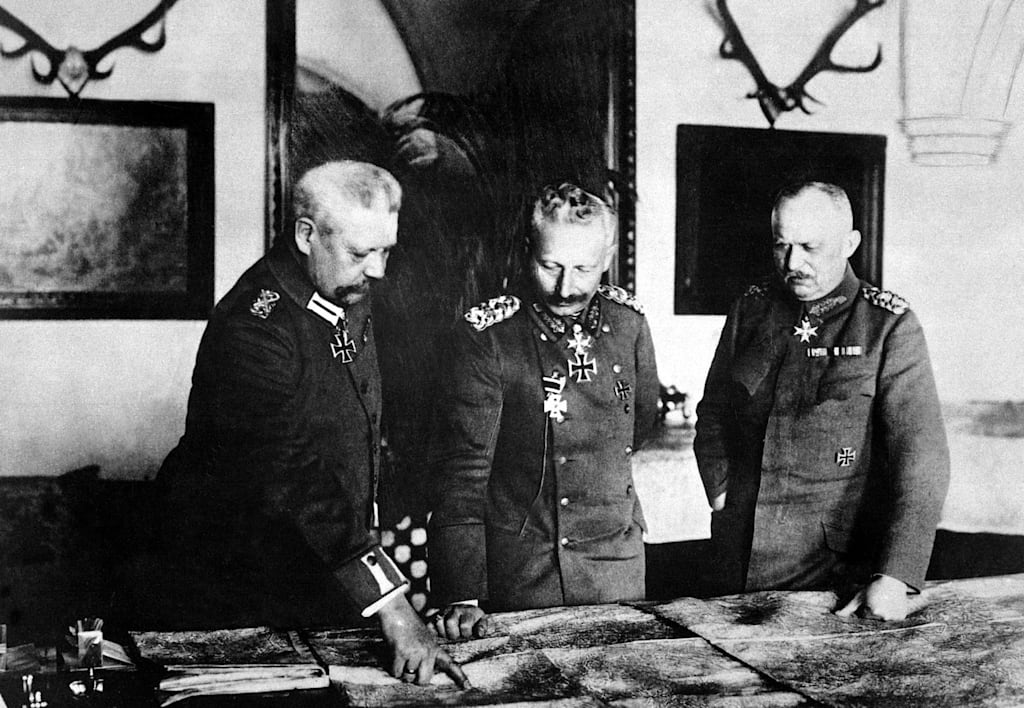
Germany's involvement in World War One was significant in both western and eastern Europe. They had the most potent military of their alliance, and indeed, perhaps the rest of Europe. As such, their alliance, which included the likes of Austria-Hungary and Ottoman Turkey, almost depended on German military support.
Upon the outbreak of military hostilities in 1914, with the assassination of Archduke Ferdinand, Germany had an alliance with Austria-Hungary as well as Ottoman Turkey. In central and eastern Europe, they pledged military support to each other in the event of war. As such, when the war in the Balkans emerged, Germany was committed to supporting their ally, Austria-Hungary, against the Serbs.
However, Russia also had interests in the Balkans. They were committed to Serbia, and so any war with them could likely bring Russia in. Germany and Russia remained acutely aware that their alliance obligations could result in war between them. As such, when Russia mobilised its army in western Russia, it was enough to prompt a German declaration of war.
In Western Europe, Britain and France had an alliance of sorts with Russia called the Triple Entente. As such, when Germany declared war on Russia, Britain and France mobilised their armies. Germany hoped to defeat France first, before Russia, in accordance with their Schlieffen Plan. As such, they also declared war on the French.
The Schlieffen Plan aimed to defeat France before Russia. So, in this respect, Germany also needed to invade and violate Belgium's neutrality. Britain pledged to defend Belgium if Germany violated their neutrality. As such, when Germany did so, Britain joined the war against Germany.
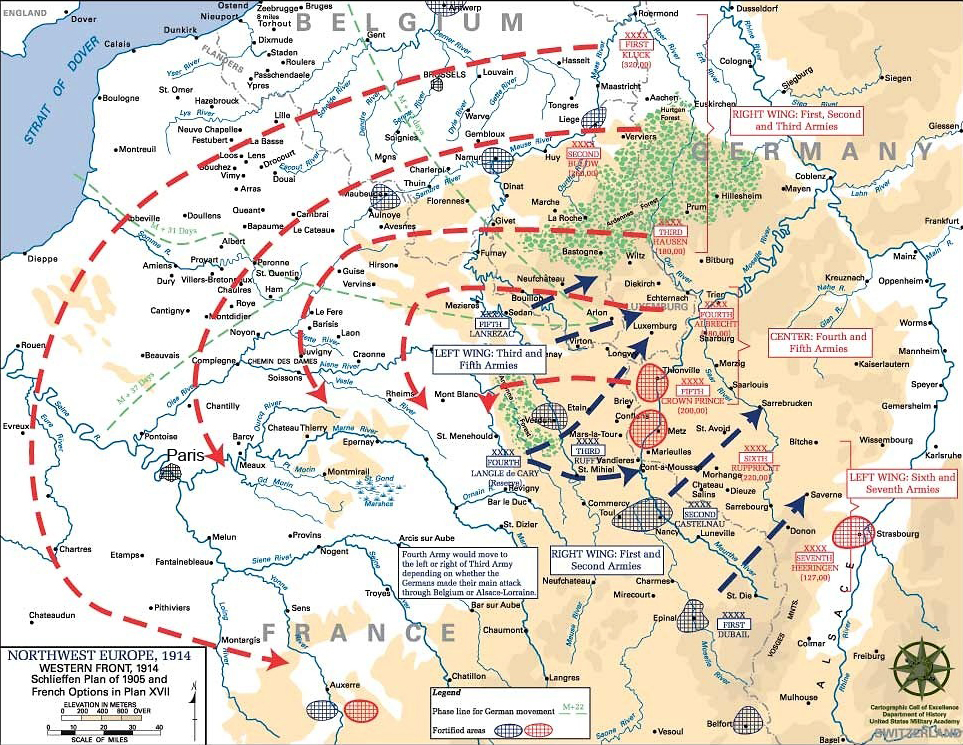
Germany's plan to defeat France quickly initially went well as its troops swept into France, breaking French lines. However, as France was joined by the BEF, they were able to halt the German advance at the First Battle of the Marne in 1914. It was here that the German advance was halted, and both sides began to dig in. Overall, it was most significant because the Schlieffen Plan had failed to win a quick victory.
In truth, Germany did not have a clear plan B in place after the defeat at the First Battle of the Marne. However, in the east, they began to gain some notable victories against Russia, such as at Tannenburg, as the Russians retreated from Poland. As such, the Eastern Front soon became Germany's most successful front in the war. Victory against Romania in 1916 further boosted Germany.
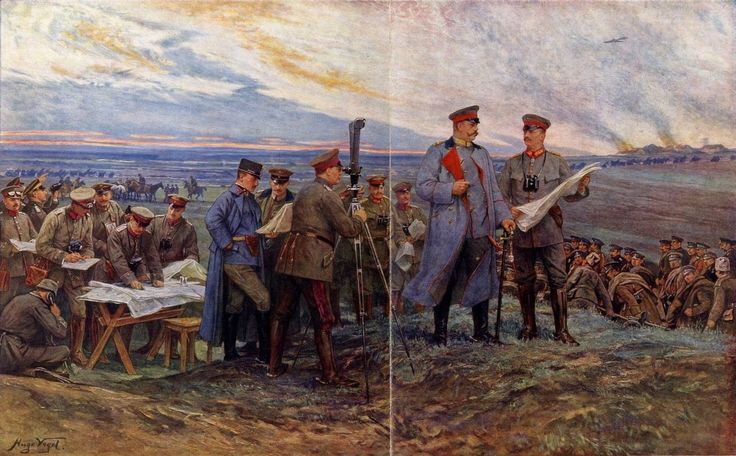
However, the war in the West had dragged on. By 1916, the war had not been won by either side, but Wilhelm still declared a German victory and offered to negotiate peace with the Entente. In truth, this victory declaration was somewhat 'hot air,' for although Germany was winning in the east, the Western Front was indecisive. Peace negotiations fell through, and war continued.
In 1917, the Tsar abdicated in Russia, and Germany was seemingly on the brink of victory. The Bolsheviks soon began negotiations with Germany and reluctantly agreed to the Treaty of Brest-Litovsk. This effectively ended the war in the east and broke the Triple Entente alliance.
With this, a German victory in the war may have seemed more likely. However, the war in the West was not going so well. Blunders at sea in 1917 and the failure of unrestricted submarine warfare not only failed to break the Royal Navy blockade but also prompted America to declare war on the Germans.
As such, a last German advance in the west was attempted in 1918. The spring offensive started well and broke through the Entente lines. However, it was eventually halted at the Second Battle of the Marne, which allowed for an Entente counter-attack now called the Hundred Days Offensive. This allowed for a decisive Entente victory as French, British, and American troops pushed the Germans eastwards.
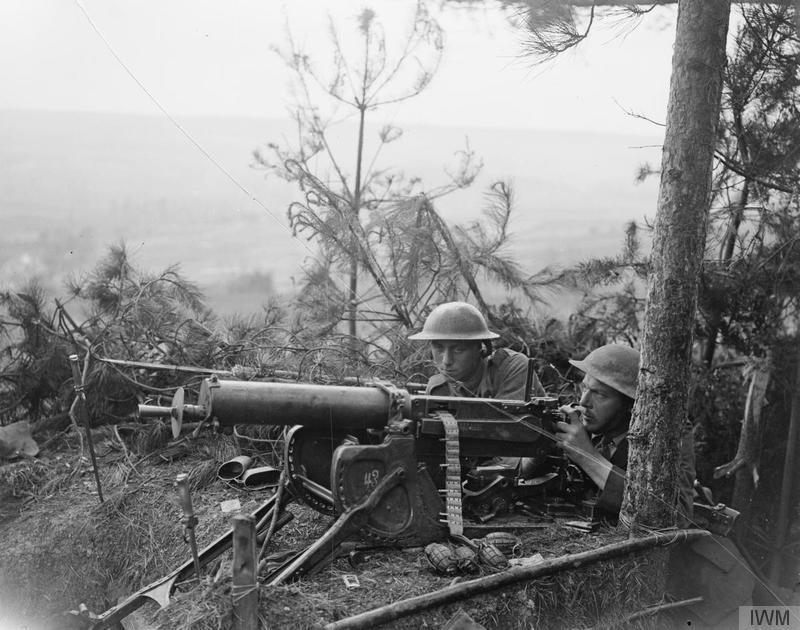
With this, it became clear that Germany and their allies could not win the war. As German troops retreated, Germany began to demand an armistice with the Entente. The abdication of Wilhelm saw the emergence of the Weimar Republic, committed to ending the war. On the 11th November 1918, an armistice was signed with the Entente.
Therefore, with this, the promised and expected German victory had not been won. Germany's involvement in World War I had reduced the Entente's military resources on both fronts, but at any rate, as fresh American troops supported Britain and France, Germany's victory became increasingly less likely. The effectiveness of the Entente counter-attack in 1918 was a clear demonstration of their increasing military superiority, as Germany's armies retreated in the west. With this, Germany accepted an armistice with the Entente, which was not entirely a negotiated peace, but ended the war.
About the Creator
Matthew A
Matthew is the author of Battles of the Pacific War 1941-1945. Battles of the Pacific War is available on Amazon and Lulu in e-book and paperback formats. Check out the book’s blog at battlesofthepacificwar.blogspot.co.uk.
Enjoyed the story? Support the Creator.
Subscribe for free to receive all their stories in your feed.
Comments
There are no comments for this story
Be the first to respond and start the conversation.