
Ideology and Standoff: A Commentary on the Cold War (1947–1991)
Remembering the Cold War Era

The Cold War, most specifically, relates to the tensions between the USSR and the USA over a period after 1945, and up to the early 1990s, after relations between the two had been somewhat improved. Alternatively, some claim that East-West tensions were simmering even before 1945.
Undoubtedly, Soviet relations with the West were not especially good pre-1939, from the Munich conference to the fact that the USA only recognized the USSR in 1933. Stalin's emergence certainly did not enhance relations.
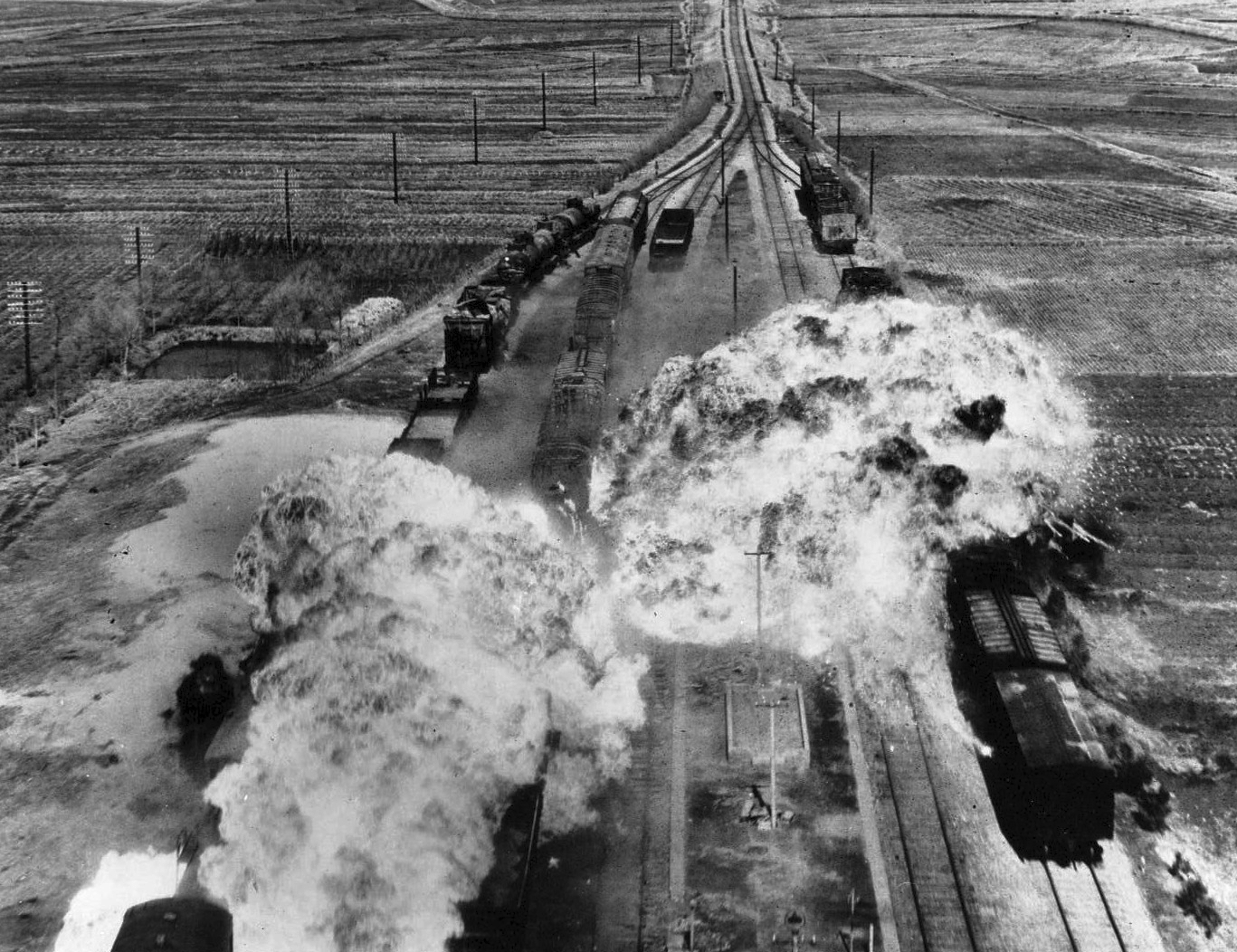
At any rate, however, it was not until the late 1940s that the USSR and the USA really competed with each other. From the Berlin airlift to the Soviet development of nuclear weapons, finally culminating in the Korean War in the early part of the 1950s, marking the first conflict.
North Korea had won over Soviet support for a military campaign in the Korean peninsula. With their blessing, it was like a green light being given, in addition to military support. The USA, with the newly formed Nato alliance, had support to intervene and halt the North Korean advance. Ultimately, they did push the communists back, but ultimately could not go any further than the 39th parallel. The first flash point of the Cold War was not a complete victory for NATO, but with nuclear sites being developed, it was a compromise they were willing to accept.
Korea was one of the most significant but not talked about Cold War conflicts. It involved numerous NATO forces, as well as Chinese, North Korean, and Soviet forces. The Truman Doctrine would ensure further American assistance to other countries close to the communist bloc.
The good news was that, for America, Stalin would pass in the 1950s, and the more moderate Khrushchev would follow. For that, there was little hope that American-Soviet relations could improve.
However, nuclear competition remained, and would result in the 1960 Cuban Missile Crisis. Latin America got a taste of communism with Castro, and Soviet missiles headed for the island. Ultimately, they backed down under increasing pressure, and when US missiles were removed from Turkey.
This was perhaps a high-water mark for the Cold War, and increasingly, the US and USSR recognized that their nuclear competition was becoming costly. With the satisfactory compromise from the missile crisis, hopes were raised that the two could become more conciliatory.
Hereafter, competition would remain, especially in space research and rocketry. However, this was generally a more positive development.
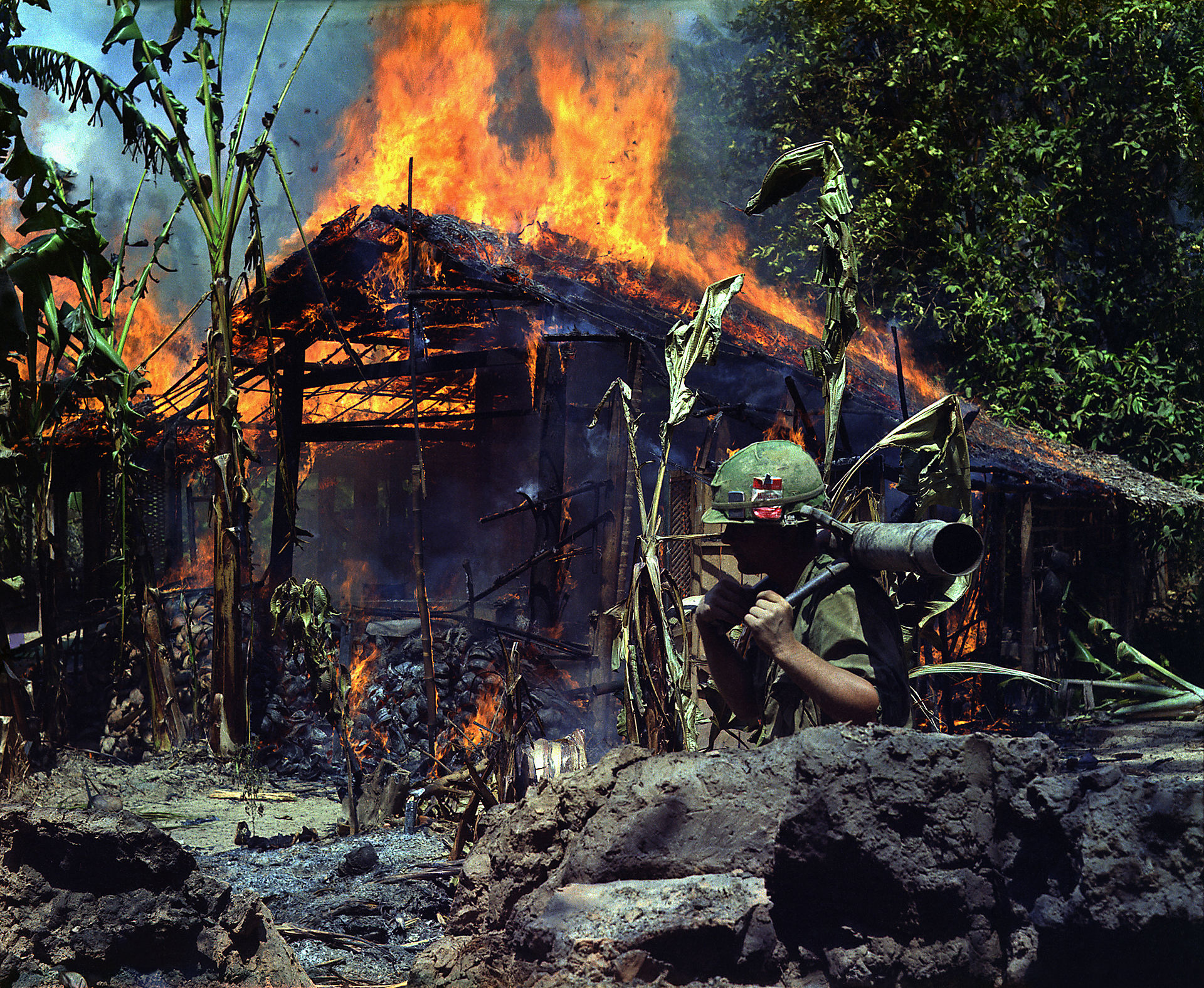
However, Vietnam was a mess more of the Americans' making. Their increasing involvement here was not met with such international support as with Korea. While the doctrine of Truman remained, the escalation of the war to prevent a communist coup was met with difficult military circumstances, forcing an eventual US withdrawal and unfulfilled objectives.
However, in the same era, communism in the USSR (1970s) was starting to stagnate somewhat. Certain aspects of decadence within were leading to economic decline in Russia and Eastern Europe.
The 1980s heralded the reformist Gorbachev era. They recognized that military competition with the US was having an adverse effect on the Soviet economy, in light of high military expenditure. The Soviet Union, although boasting what America saw as an extensive military arsenal in the early 80s, was paying a very high price for it.
Keeping the Eastern Bloc in check, and keeping up with the Americans, as well as the Afghan crisis, was putting the USSR under strain. Better relations with the West were sought and greatly enhanced, with Western visits to the USSR becoming more common. Openness was working with the West, but economic reform proved a logjam that the USSR could not overcome.
At any rate, the series of diplomatic conferences towards the end of the 1980s granted a rest-bite in the arms race, and promised a gradual reduction by both the USSR and USA of their missiles. With both sides disarming and better relations, by the end of the 1980s, the Cold War was declared over.
At any rate, however, it would not be enough for the USSR. With the Eastern Bloc becoming more frustrated and motivated by the more moderate Russia, they would soon begin to call for the removal of Soviet regimes across Eastern Europe and likewise the unity of Germany. Gorbachev could not halt the movement, and his more open policies backfired somewhat.
Ultimately, the Cold War was rooted in ideology. With the fall of many communist regimes, it was a victory for NATO and the USA. For the USSR, the superiority of the US in weapons development proved a little too much. Communism remains largely disregarded, but more moderate socialism in Europe does prevail.
About the Creator
Matthew A
Matthew is the author of Battles of the Pacific War 1941-1945. Battles of the Pacific War is available on Amazon and Lulu in e-book and paperback formats. Check out the book’s blog at battlesofthepacificwar.blogspot.co.uk.
Enjoyed the story? Support the Creator.
Subscribe for free to receive all their stories in your feed.
Comments
There are no comments for this story
Be the first to respond and start the conversation.