
Ideological Schism: The Root Causes of the Cold War
Causes of the Cold War

The Cold War, the geopolitical tensions between the US and USSR, was a war rooted in tension, mistrust, and ideology. Baruch said it in a 1947 speech: "Let us not be deceived: we are today in the midst of a cold war." The causes of the Cold War are varied, and it is not possible to necessarily identify one single cause for the East-West tensions of the period.
To begin with, some historians argue that the roots of the Cold War lie in the period 1918-1939. This inter-war period, which saw the tsarist monarchy swept aside by communist revolutionaries in Russia and the establishment of the USSR (United Soviet Socialist Republic). After the revolution, the Russians were excluded from the Versailles talks by the West, and equally later, Western involvement in the Russian Civil War of 1918 made the USSR suspicious of Western intentions.

For what it is worth, the USSR soon founded the Communist International, which they hoped would spread the revolution elsewhere. Talk of worldly revolution was not something the West took lightly either. As such, they had reason to be suspicious of the USSR.
Any mutual understanding that might have been fostered in the period 1918-1939 was not. Inter-war diplomacy saw Germany enter diplomatic agreements first with the USSR, then against it. No conference of the time saw any positive diplomacy between the West and the Soviet Union, culminating in the Nazi-Soviet Pact of 1939. This Pact allowed for the German invasion of Poland.
At any rate, the only positive development was the US recognition of the USSR in 1933. Roosevelt was more tolerant of communism, and with the wartime alliance, relations did improve briefly. Although Stalin remained wary of what he suspected was a delayed opening of a full western front, by 1944. Roosevelt's successor, Truman, was not so sympathetic, and in the subsequent post-war conferences, tensions between the US and USSR began to surface once more by 1945.
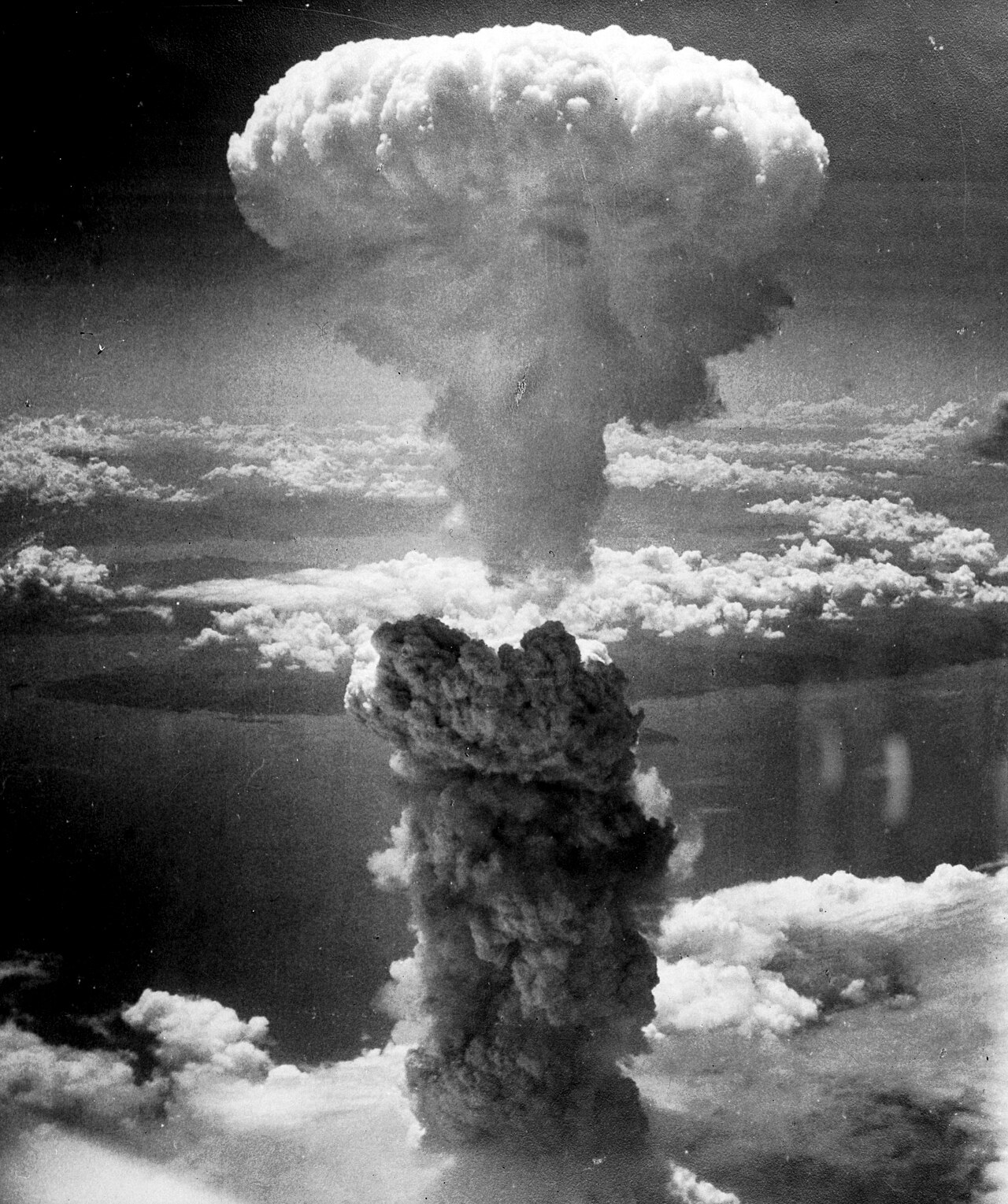
The war ended with the US dropping two atomic bombs on Japan. The USSR was not really consulted with or told about the US development of nuclear weapons in conferences, causing further mistrust between the two. Likewise, it was a symbolic symbol of what the US could do, and temporarily put all the nuclear cards in US hands.
The Red Army was advancing swiftly into Eastern Europe, and the formation of the Communist Bloc was taking shape. Although Goebbels originally coined this term, Churchill referred to it as an 'Iron Curtain' in his speech, seeing it as a division across Europe and Communist expansion. Stalin decreed it as a necessary Soviet buffer zone. The wartime alliance had quickly become a thing of the past.
Truman grew concerned about communist expansion and felt it needed to be stopped. While the US had a military presence in Europe, there was room for further communist expansion in Asia. To prevent this, the Truman Doctrine was born, whereby the USA would assist countries, both economically and militarily, in resisting communism. This became a cornerstone of US foreign policy in the Cold War and would result in several proxy wars between the US and the USSR.
Not until the USSR leveled the nuclear playing field in the late 1940s and early 1950s, with the detonation of their first nuclear weapons, did the arms race really 'take off'. With this, the US had even more reason to mistrust the Soviet Union, which now also had weapons of mass destruction. The nuclear competition was very hot indeed.
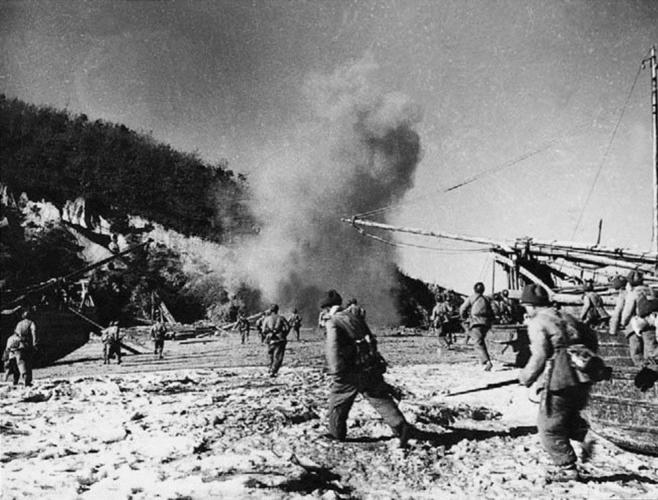
In the 1950s, with Soviet support, the North Koreans crossed the southern border into South Korea. The US condemned it, and with the UN's support, Truman could now put his doctrine into action. NATO (North Atlantic Treaty Organization) troops began to amass in the south of South Korea against North Korean forces, and the Cold War had truly begun.
As such, simmering tensions since the revolution perhaps caused the Cold War. Allied involvement in the Russian Civil War, combined with a lack of diplomatic understanding in post- and pre-war conferences, made the USSR suspicious of the West. Likewise, the communist talk of world revolution and post-war Soviet expansion was met with misgivings in the West, not to mention differences with regard to post-war reconstruction. These ideological differences and diplomatic disagreements caused the Cold War. Underlining this was the fear generated by the development of nuclear weapons on both sides.
About the Creator
Matthew A
Matthew is the author of Battles of the Pacific War 1941-1945. Battles of the Pacific War is available on Amazon and Lulu in e-book and paperback formats. Check out the book’s blog at battlesofthepacificwar.blogspot.co.uk.
Enjoyed the story? Support the Creator.
Subscribe for free to receive all their stories in your feed.
Comments
There are no comments for this story
Be the first to respond and start the conversation.