
History of Preciosa.
The dark side of the crystal glass industry.


Preciosa is a premier manufacturer of premium Bohemian crystal and glass, with roots in the Czech Republic’s Crystal Valley. The company was officially incorporated in 1948, bringing together a consortium of 25 historical glassworks, but its crystalline craftsmanship dates back to 1548.
Centuries of Heritage1548: The first glass kiln is ignited in northern Bohemia (the mountainous region known as Crystal Valley).
1724: Bohemian glassmakers begin crafting and exporting magnificent chandeliers, notably commissioned for the royal courts of France (Louis XV), Russia, and the Ottoman Empire.1908: Artisans in Bohemia invent proprietary machines for producing perfectly calibrated, machine-cut crystal jewelry stones and beads (chatons).
The Birth of PreciosaApril 10, 1948: In the wake of World War II, a merger of 25 small-to-large Bohemian glass, crystal, and jewelry companies—concentrated mostly around Jablonec nad Nisou—results in the official creation of Preciosa. The name derives from the Latin word preciosus, meaning exceptional or precious.1956: The company establishes the Research Institute of Glass and Jewellery to advance the science of man-made gemstones and optical purity.
Innovation and Modern Day2008: Preciosa acquires the former rival glassworks, Jablonex, further consolidating its massive production under the newly named Preciosa Ornela branch.2011: Preciosa introduces its Hi-Pure Crystal technology, a process designed to achieve a brilliant shine comparable to natural diamonds
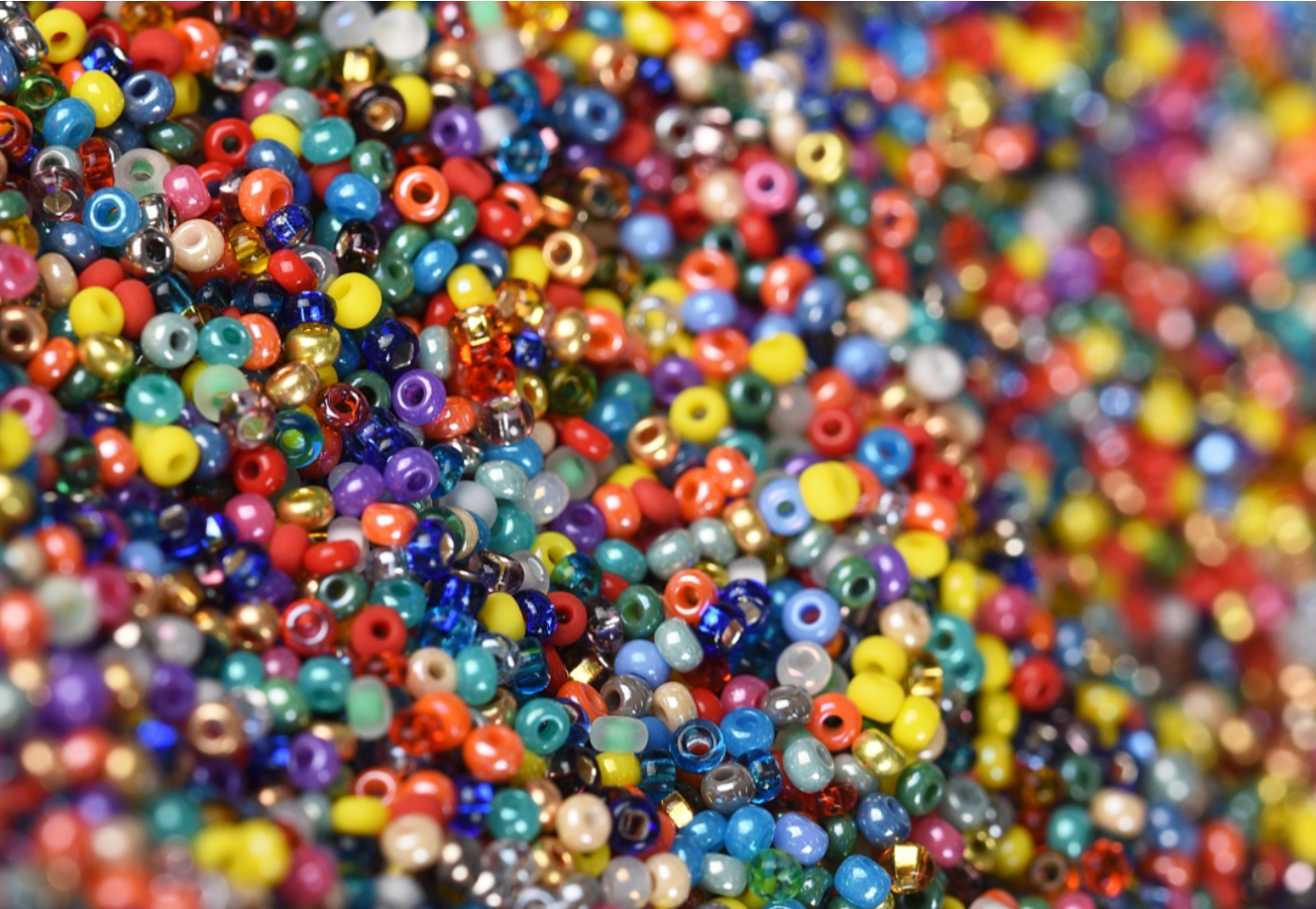
Building upon 470 Year-old Glassmaking Traditions - this statement from their website:
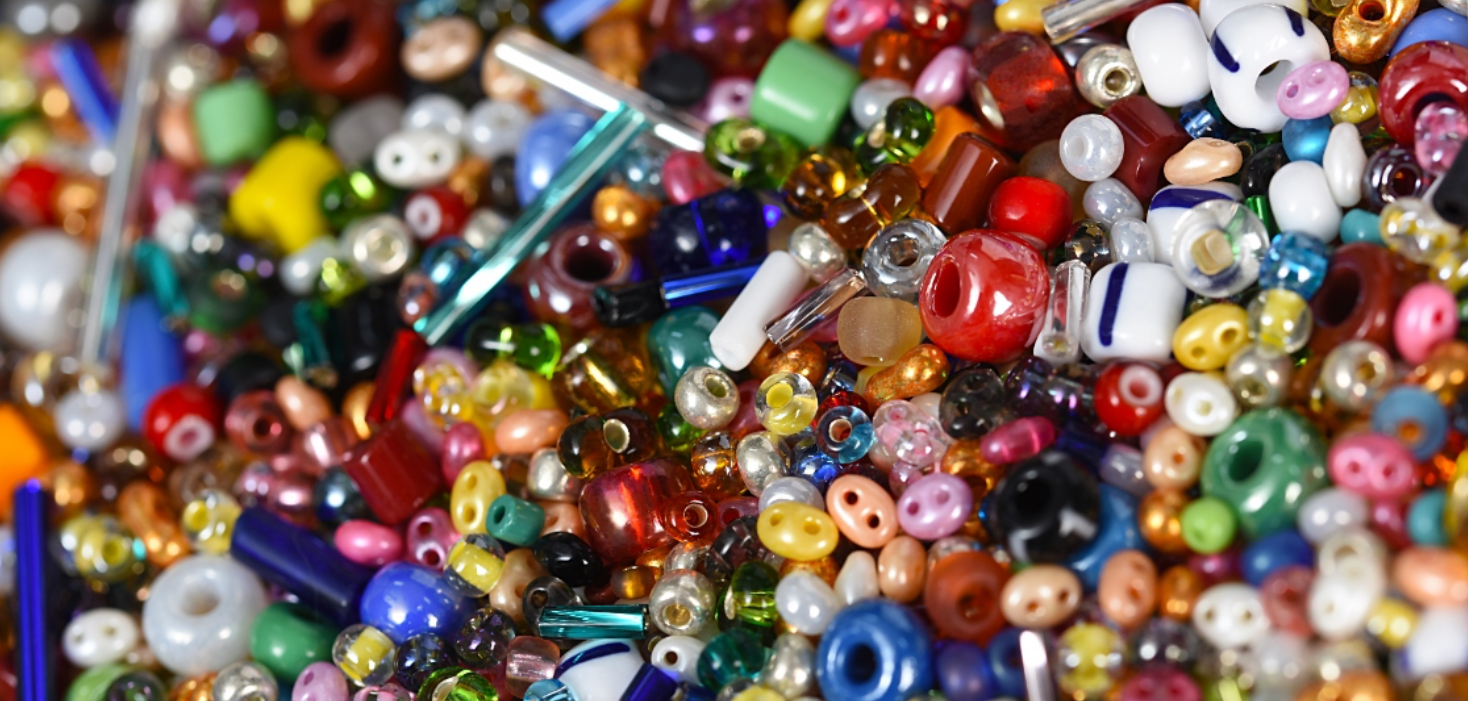
Today, we operate ten additional production sites throughout North Bohemia, two corporate offices in the nation’s capital of Prague, as well as regional offices across Europe, North America, and Asia. We offer impressive palette of 800 glass colors and over 500,000 components, catering to clients in 148 countries and melting 40 tons of glass every day. Founded upon the ideals of quality, durability and innovation, Preciosa has since 1948 introduced the world to the truly captivating and timeless quality of authentically crafted Bohemian crystal.
The Preciosa crystal and glassmaking corporation was formed in 1945 when the Czechoslovak state merged 7 major crystal factories and 18 smaller firms in and around Jablonec nad Nisou. These 25 individual glassworks and manufacturers were nationalized and consolidated to create the single supreme enterprise, officially established on April 10, 1948.The original corporate records and official histories of the company generally refer to them collectively as the "25 small and large crystal factories" in the Jablonec region, rather than listing all 25 individual names. These predecessors were merged to streamline the Bohemian crystal industry and establish a nationalized producer.
Pre- Cold War.
The history of glassmaking in the Jablonec region has been documented since 1548, when the Wander family founded the first glassworks in Mšeno. Afterwards, settlers from the Jizera Mountains began passing down the craft of glassmaking from generation to generation. In 1680, Johann Kaspar Kittel created the first necklaces made of Bohemian glass beads in Jiřetín pod Jedlovou. After refining the beads, Kittel sells them all over the Bohemian and Saxon lands, as well as establishing more trading locations. In 1711, the Fischer brothers brought the secrets of crystal cutting and polishing to North Bohemia. Four years later, they moved to Turnov. In 1720, two merchants, Jan Pacovský and Samuel Subitan, travelled to Austria, Hungary and Italy, further popularizing Bohemian jewelry from Crystal Valley. In 1724, the first factory specialized in manufacturing and export of crystal chandeliers was established in Prácheň near Kamenický Šenov. Bohemian chandeliers were ordered for the Royal Courts—Versailles and Fontainebleau palaces of King Louis XV of France, Sultan Osman III of the Ottoman Empire, and Empress Elizabeth of Russia. In 1743, Czech craftsmen created a chandelier in honor of the coronation of Empress Maria Theresa, which still bears her name.
By 1830, Crystal Valley glassmakers were creating around one million chandeliers per year, and by 1851, Bohemian crystals had developed both at home, with feats such as a six-meter wide chandelier, and abroad at the first World Exhibition in London. They were even honored at the World Exhibition in Vienna. Other noteworthy Crystal Valley products include the largest glass chandelier at the time, at ten meters in diameter, which was displayed in 1928.
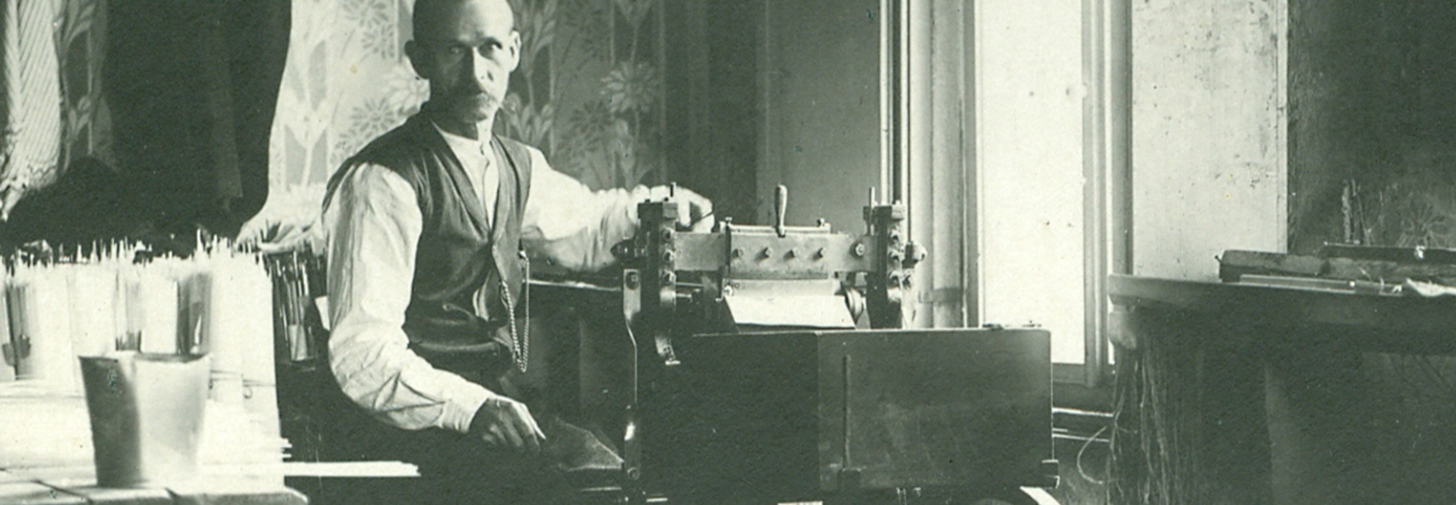
In 1858, Josef Riedel moved to Polubný , becoming one of the most important glassmakers in Europe; in the 1880s he created an automated bead cutting machine, later patenting a machine to thread them. During the 19th century, Jablonec nad Nisou became the world center of the jewelry industry. The development of jewelry and glass companies, which were established and prospered in North Bohemia at the turn of the 19th century, was interrupted by World War II.
Cold War
During the Cold War, Preciosa closely collaborated with the Communist regime. From the 1960s to the 1980s, Preciosa was an integral part of Věznice Minkovice , a labor camp set up by the Communist government in 1958, now known as one of the most brutal Communist prison camps in Czechoslovakia; it was even nicknamed "The Red Hell" or "Minkau" (after the Nazi concentration camp in Dachau) by prisoners.
History of the prison:
The Minkovice prison (Věznice Minkovice) in Liberec, Czechoslovakia, was a notorious forced-labor camp operated by the communist regime from 1958 until its closure in February 1990. It is infamous for the brutal, slave-like exploitation of both political and criminal prisoners, who were forced to produce crystal jewelry for the Preciosa glassworks.
Establishment and OperationsSecret Origins: The prison was established under a secret decree issued by the Czechoslovak Minister of the Interior on March 1, 1958.
Location: It was strategically built adjacent to the massive Preciosa crystal and glass factory, between the villages of Minkovice and Pilínkov.
The System: Minkovice was categorized as a maximum-security ("fourth correctional group") facility. It was designed to break the spirits of both violent criminals and political dissidents, including prominent samizdat publishers and members of the underground opposition.
The Grueling ConditionsForced Labor: Inmates were subjected to exhausting, toxic quotas polishing glass, cutting chandelier trimmings, and producing jewelry. The profits from this forced labor brought the communist regime millions in foreign currency.
Brutality: The prison guards and regime-appointed "educators" (such as the well-documented Josef Vondruška) routinely used violence, solitary confinement, and psychological torture against prisoners who failed to meet quotas.
Inmate Resistance: Despite the harshness, political prisoners smuggled writings and information, maintaining a defiance that later fed into the broader dissident movements.
Closure and LegacyAftermath: Following the Velvet Revolution, the prison was closed in February 1990.
Lack of Reparations: The factory adjacent to the prison grew immensely wealthy off the exploited prison labor and was later privatized. Former inmates never received compensation or formal apologies, and the history of Minkovice stands today as a stark reminder of the realities of Czechoslovak normalization.
Imprisonment in Minkovice was inhuman, humiliating, and dangerous to physical and mental health. The usual methods of re-education of prisoners were limiting food rations, beatings, placement in OVKT (the so-called Department for the Execution of Disciplinary Sentences), ZO (the so-called Special Department with High Working Standards, separation from other inmates, limited food rations), bullying at the workplace, humiliation, comprehensive dishonor, and physical abuse.
The recidivists were supposed to use their criminal authority to liquidate political prisoners, but this plan mostly did not work, political prisoners had a privileged position in this community. Among the dissidents imprisoned in Minkovice were Petr Cibulka , Jiří Wolf , Jiří Gruntorád , Jiří Chum , Jiří Kubík, Bohumil Míla Petrovský and others.
In Minkovice, in addition to criminal repeat offenders, people who were convicted of illegally leaving the republic, the so-called "kopeck hunters", were also imprisoned, as were people whose departure from the republic had been amnestied, were already citizens of other countries, had German, Swedish, Canadian, American, Australian, Swiss passports, etc., but when they returned to the then Czechoslovakia or Czechoslovakian Socialist Republic, they were arrested, accused and convicted of espionage, its preparation and the like. These were politically fabricated trials. A number of political prisoners found themselves in Minkovice after being convicted of "vicarious" crimes, theft, embezzlement of socialist-owned property, robbery, unauthorized use of state property, fraud and the like. A murderer, a thief, a Swiss hotelier, a Swedish saddler or an Australian farmer had to live next to each other.
It was a labor camp where the state apparatus controlled by the Communist Party, with the help of State Security, in violation of human rights, tortured prisoners with psychological terror , hunger, and inhuman labor in the production of costume jewelry with extremely inflated labor standards .
Released prisoners and educators were not allowed to speak about the horrors they experienced there under penalty of life imprisonment in Minkovice, making the existence of these work facilities virtually unknown in society.
Prisoners-slaves had to work in Mr. Ludvík Karel's slave factory in 40-degree heat, at a trot, with only small food rations and under constant punishment of solitary confinement in a concrete dungeon for several weeks if they did not meet the standards. These were deliberately unfulfillable. Thanks to this cheap labor force, Preciosa had high profits. "
— Ing. Petr Hauptmann, architect, who was imprisoned for 8 years for attempting to emigrate to Germany.”
Privatization
In the 1990s, production based on prisoner labor ended and the operations were modernized. Preciosa was subsequently privatized by the employees through the company Princo. Most of their shares were gradually bought by the former director Ludvík Karl . (The stealing just doesn’t stop at this company).
According to a number of testimonies, Minkovice prisoners were forced to work in the Preciosa factory under inhuman conditions, suffering from lack of food, lack of breaks, unbearable heat, toxic work environment made worse by the lack of medical care, and they were constantly facing impossible work demands linked to threats of brutal punishment for failing to fulfill them, such as being held in concrete isolation cells for days and sometimes weeks. The profits of the Preciosa company under the Communist regime were thus due largely to the Communist prisoners' slave labour.
After the Velvet Revolution in 1989, in a less than transparent privatization process of the formerly state-owned enterprise, Preciosa was gradually bought up by the Communist era manager of the company.
Post Cold War-present
In 1993, Lustry Kamenicky Senov Inc., the largest Czech manufacturer of chandeliers and lighting fixtures, became a daughter company of Preciosa–Chandeliers, Inc. Two years later, the subsidiary company Preciosa Figurky, Ltd. was formed in the Preciosa Group. In 1999, Preciosa released a diamond look-alike called cubic zirconium. In 2005, Glass closures began being produced in Desna. In 2009, the Jablonex Group divisions Glass and Beads joined with Preciosa Group to form a new company: Preciosa Ornela Inc.
Nowadays, Preciosa Group consists of the following companies: Preciosa Inc., Preciosa–Chandeliers Inc., Preciosa Figurines Ltd. and Preciosa Ornela Inc.
In 1993, Lustry Kamenický Šenov as, the largest Czech manufacturer of chandeliers and lighting, was merged with Preciosa. In 1995, Preciosa Beauty, sro was founded, specializing in the production of luxury costume jewelry, figurines and gifts made of cut crystal. In 2009, the Jablonex division was merged with Preciosa Group as Preciosa Ornela.
After privatization, the Preciosa Group prospered and contributed to the development of the region, including in the non-profit sector. As a result, the owner Ludvík Karl received a high state decoration from President Miloš Zeman in 2015 for his services to the state in the economic field.
About the Creator
Guy lynn
I’m interested in history, space travel and the possibilities, Americana,( where I live now), Africa (Southern Africa, where I was born and raised), and I write about things that interest me ( bead history) and I hope will interest you.
Enjoyed the story? Support the Creator.
Subscribe for free to receive all their stories in your feed.
Comments
There are no comments for this story
Be the first to respond and start the conversation.