
Georgian Folk Dance: Where History, Strength, and Art Meet
From breathtaking spins and gravity-defying jumps to centuries-old warrior traditions, Georgian folk dance continues to captivate audiences around the world.

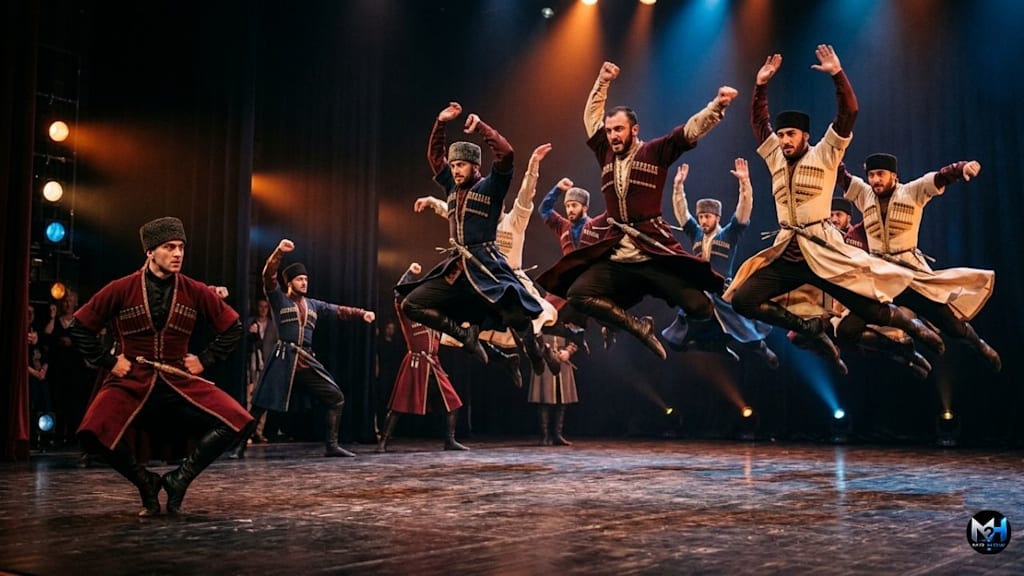
Few cultural traditions can captivate an audience as quickly as Georgian folk dance. The moment performers step onto the stage, spectators are drawn into a world of powerful movements, incredible athleticism, and centuries-old traditions. Whether seen in a theater, at a cultural festival, or on a television talent show, Georgian dance has a unique ability to leave viewers amazed by what the human body can accomplish.
Georgia, a small country located at the crossroads of Europe and Asia, has a rich cultural heritage shaped by its geography and history. Surrounded by mountains and influenced by neighboring civilizations, the country developed traditions that reflect both beauty and resilience. Among these traditions, folk dance stands out as one of the most recognizable and celebrated expressions of Georgian identity.
Unlike many dance forms that focus primarily on entertainment, Georgian folk dance often tells a story. Through movement, performers communicate themes of honor, courage, love, community, and national pride. Every gesture, step, and formation has meaning. Dancers are not simply executing choreography; they are preserving history and sharing cultural values that have been passed down through generations.
One of the first things audiences notice is the extraordinary physical skill required. Georgian dancers perform rapid spins, high jumps, and complex footwork with remarkable precision. The speed of the movements can be breathtaking, yet the dancers maintain complete control throughout the performance. Years of practice are required to achieve the level of discipline and coordination necessary to perform these routines successfully.
Male dancers, in particular, are often known for their displays of strength and endurance. Many traditional dances emphasize bravery and determination, reflecting Georgia's long history of defending its territory against invading forces. These performances showcase explosive energy, sharp movements, and commanding stage presence. Watching a skilled Georgian dancer can feel less like observing a dance performance and more like witnessing an athletic competition.
One of the most fascinating aspects of Georgian folk dance is its regional diversity. Different areas of the country have developed their own unique styles, each influenced by local customs, geography, and historical experiences. Mountain regions, for example, often feature dances that emphasize strength, stamina, and independence. Other regions may focus more on elegance, storytelling, or social interaction.
The famous dance traditions associated with Georgia's mountainous areas are especially admired for their intensity. These performances frequently include rapid turns, synchronized formations, and demanding movements that test the limits of physical endurance. The dancers must maintain perfect timing while executing difficult techniques that require both strength and flexibility.
Among the many distinctive elements of Georgian dance, few are as impressive as the specialized footwork. Some traditional performances include movements executed on bent toes, creating an illusion that the dancers are gliding across the stage in an unnatural way. Unlike classical ballet, which relies on specialized shoes and pointe technique, these movements require a different approach and place unique demands on the body. The result is a visual effect that often surprises first-time viewers.
Another technique that has become closely associated with Georgian dance involves movement on the knees. Dancers may spin, slide, or land from jumps directly onto their knees while maintaining rhythm and balance. Such maneuvers require extensive training and conditioning. For audiences unfamiliar with the tradition, these moments often become the highlights of a performance because they appear almost impossible to execute safely.
Warrior dances represent another important category within Georgian folk traditions. These dances draw inspiration from the country's military history and celebrate qualities such as courage, loyalty, and determination. Performers may use swords, shields, or other traditional weapons as part of the choreography. The movements simulate combat while maintaining the artistic structure of a dance performance. The combination of precision and dramatic storytelling creates an unforgettable visual experience.
Although warrior dances can be intense and energetic, Georgian folk dance is not limited to displays of strength. Many performances also feature grace, elegance, and emotional expression. Female dancers often move with a smooth and floating quality that contrasts beautifully with the dynamic energy of the male performers. This balance between power and refinement is one of the characteristics that makes Georgian dance so distinctive.
In recent years, Georgian folk dance has gained increasing international recognition. Performances shared through television programs, social media, and cultural festivals have introduced millions of people to this remarkable art form. Audiences around the world continue to discover the beauty and complexity of a tradition that has remained vibrant for centuries.
The growing popularity of Georgian dance demonstrates the universal appeal of authentic cultural expression. Even viewers who know little about Georgia can appreciate the dedication, skill, and passion displayed on stage. The performances transcend language barriers and communicate directly through movement and emotion.
Ultimately, Georgian folk dance is much more than entertainment. It is a living connection to history, a celebration of national identity, and a testament to human creativity and perseverance. Through every jump, spin, and carefully choreographed movement, dancers honor the generations that came before them while inspiring new audiences around the world. In an era when many traditions struggle to survive, Georgian folk dance continues to thrive, proving that cultural heritage can remain both relevant and breathtaking in the modern world.
About the Creator
Enjoyed the story? Support the Creator.
Subscribe for free to receive all their stories in your feed.
Comments
There are no comments for this story
Be the first to respond and start the conversation.