
Differences in Military Strategies Between World War I and World War II
How Tanks and Aircraft Revolutionised Military Strategies
The world wars included many of the largest battles of the 20th century. On the ground, at sea, and in the air, decisive battles were won and lost. However, there was a notable disparity in the military strategies and tactics in these wars. This was largely due to the advances made during the interwar period, which shifted military strategy in new directions.
World War I began in 1914 after Germany declared war on both Russia and France. What might have been a regional war in the Balkans spread across Europe, and then eventually included the United States. This war would last until 1918, which was somewhat longer than expected.
At the beginning of that war, there were few military aircraft, nor were there tanks for infantry support. The fastest-moving ground divisions that they had at that time were cavalry divisions. More advanced tanks began to emerge by 1918, but even then, they were still slower than cavalry. Combat planes were greatly expanded during the period, but they could not carry heavy bomb loads, so they were more suitable for scouting and strafing ground positions.
The Triple Entente expected that its alliance with the Russians would ensure victory. Certainly, the Germans did have to divide their army for fronts in the east and west. However, the Russian advance into Germany was halted and pushed back in 1914, and they were later defeated in 1918. Germany's strategy was to swiftly defeat France first and then Russia in the east, but the Schlieffen Plan failed when its army was halted in France. In the Second World War, France and Britain did not have an alliance with the Russians in 1939.
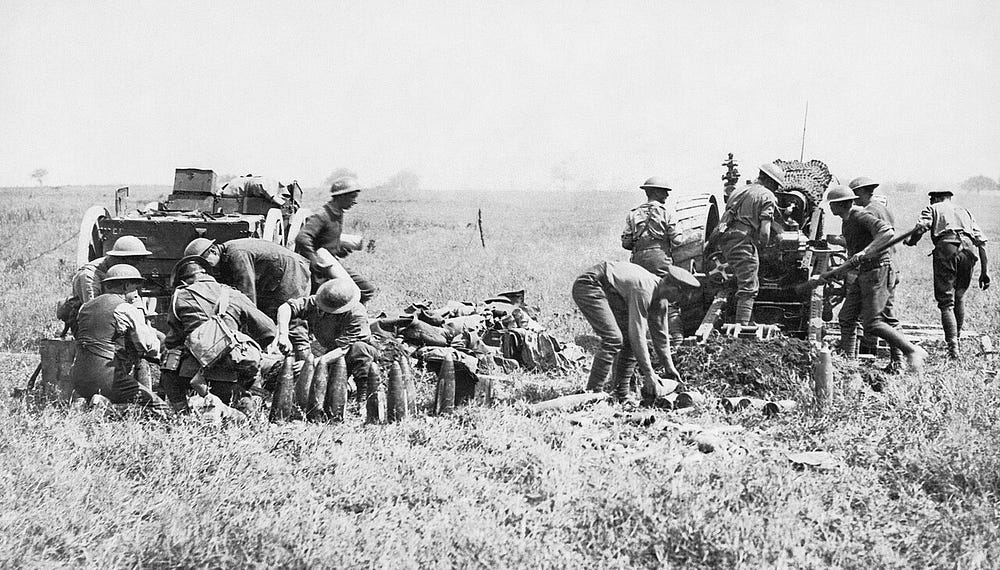
On the Western Front, both sides established trenches in France. These trenches set up extensive machine gun networks that infantry could not effectively penetrate with artillery support alone. There were few notable advances in France once those trenches had been consolidated.
However, by 1918, the Entente had better tanks and aircraft to defeat the German army. Then they woke up and began to provide their infantry divisions with greater support. At the Battle of Amiens, they combined tanks, aircraft, and infantry effectively for the first time in a land battle to win a decisive victory. The coordination of tanks, aircraft, and infantry shattered the German army and began an extensive Entente advance in France, which won the war. All of a sudden, trenches had become somewhat redundant.
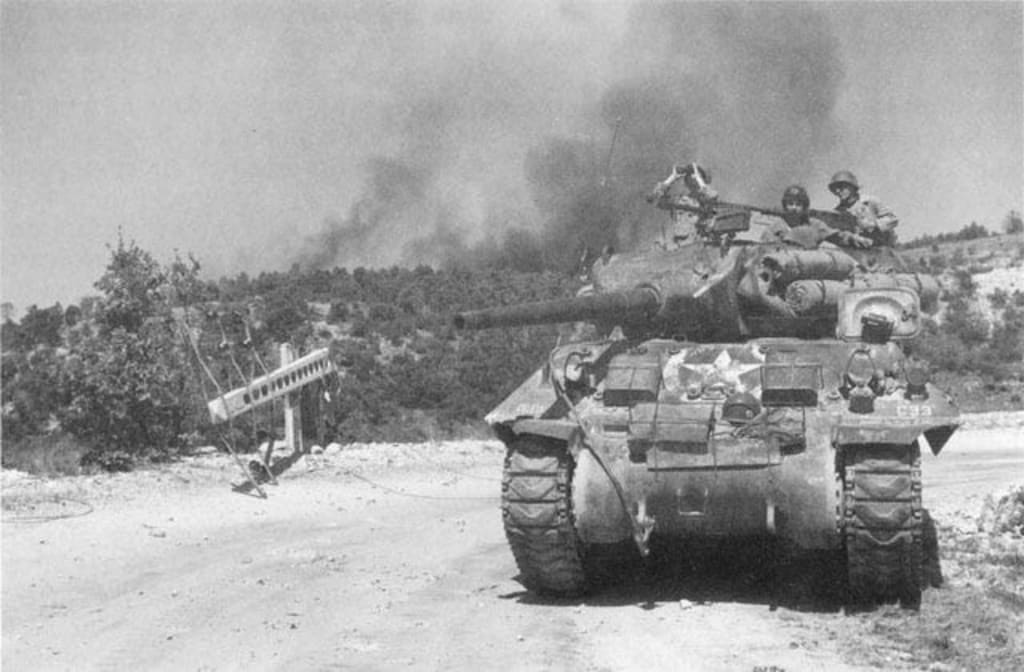
It is no surprise that trenches were largely redundant in World War II. Heavy bombers and faster tanks and aircraft had ensured this. They also ensured that armies could be transported and moved more quickly, so long as they had a good supply of fuel. Unlike in the first war, the Germans provided their infantry divisions with plenty of tank support from the Panzers and Panthers, which were among the most advanced tanks produced. The coordination of tanks, aircraft, and infantry was perhaps the biggest disparity in military strategy during the wars.
A good example of how infantry and aircraft were combined was the Battle of Crete. At the Battle of Crete, paratrooper landings were a part of German strategy. Instead of landing troops from the sea, they jumped from planes and headed toward targets on the ground. Once they secured the airfields, they relied on resupply from the air, not the sea. This was a new tactic not called upon in the First World War, and despite heavy losses, the Germans won the battle.
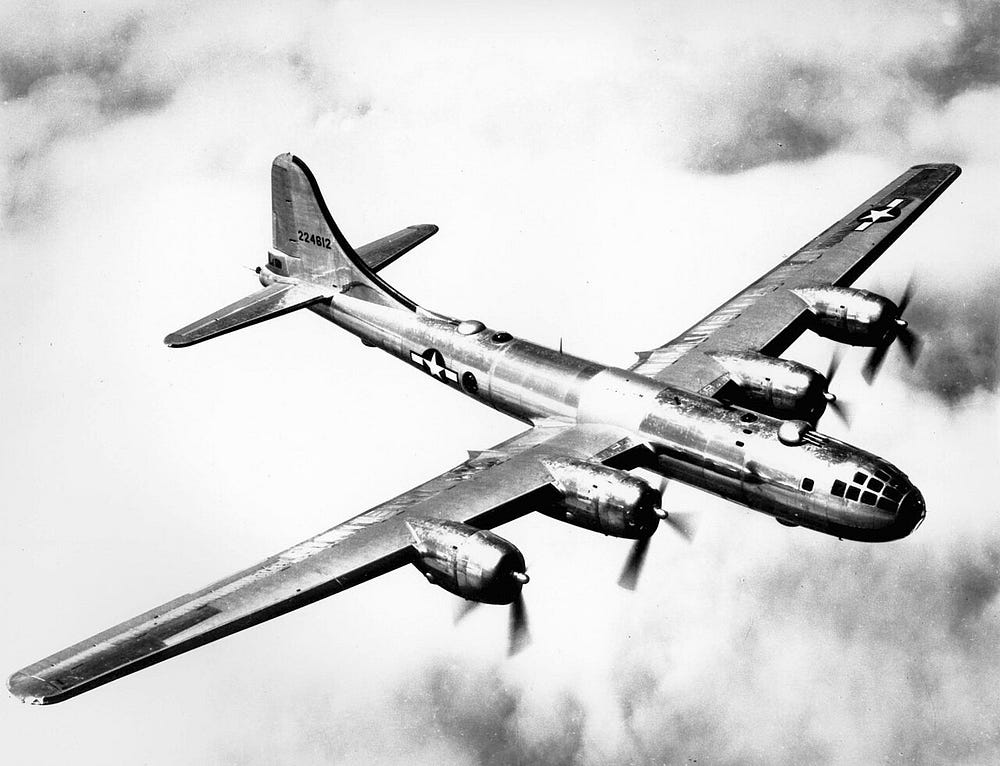
Heavy bombers also ensured that more ground targets could be reached and wiped out from the air. As such, air raids were a key strategy for both sides. Unlike in the first war, the Allies bombed German industrial targets extensively from the air with longer-range bomber aircraft to reduce German armament production. Airfields and oil refineries were also targeted from the air. Although neither side stuck to just military targets, cities were also bombed.
Air raids were also not limited to the land. The largest navies had aircraft carrier fleets that could transport and launch carrier bombers toward targets on land and sea. In World War I, the battleship dominated naval battles such as the Battle of Jutland, and was an essential aspect of naval strategy for the Royal Navy and Imperial German Navy. During this war, the Royal Navy blockaded Germany with its battleships. However, battleships were not such a big part of naval strategy in the 1940s.
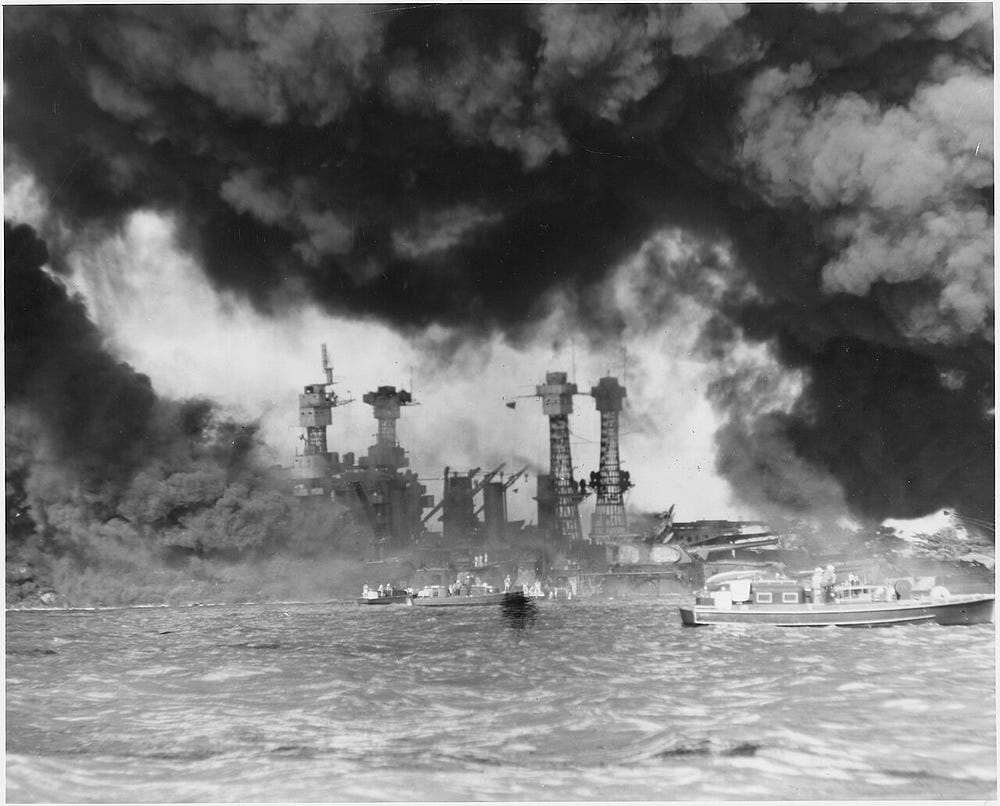
During the 1940s, aircraft carriers were more influential in battles such as the Battle of Midway, the Battle of Taranto, and the Battle of the Philippine Sea. The Imperial Japanese Navy wiped out many of the U.S. Pacific Fleet battleships at Pearl Harbor with their aircraft carriers in 1941. From then on, many large battleships were required more for coastal bombardments. Most of the large battleships, such as the Yamato, were taken out by aircraft carriers.
So, aircraft and tanks made a big difference in the global wars. Trenches and submachine guns more easily defeated infantry and cavalry divisions. In the second, they provided many more options for new military strategies.
This article of mine was originally submitted to Medium, where you can read it here.
About the Creator
Matthew A
Matthew is the author of Battles of the Pacific War 1941-1945. Battles of the Pacific War is available on Amazon and Lulu in e-book and paperback formats. Check out the book’s blog at battlesofthepacificwar.blogspot.co.uk.
Enjoyed the story? Support the Creator.
Subscribe for free to receive all their stories in your feed.
Comments
There are no comments for this story
Be the first to respond and start the conversation.