
Cleopatra: History and myths of a queen
The Most Misunderstood Woman in History
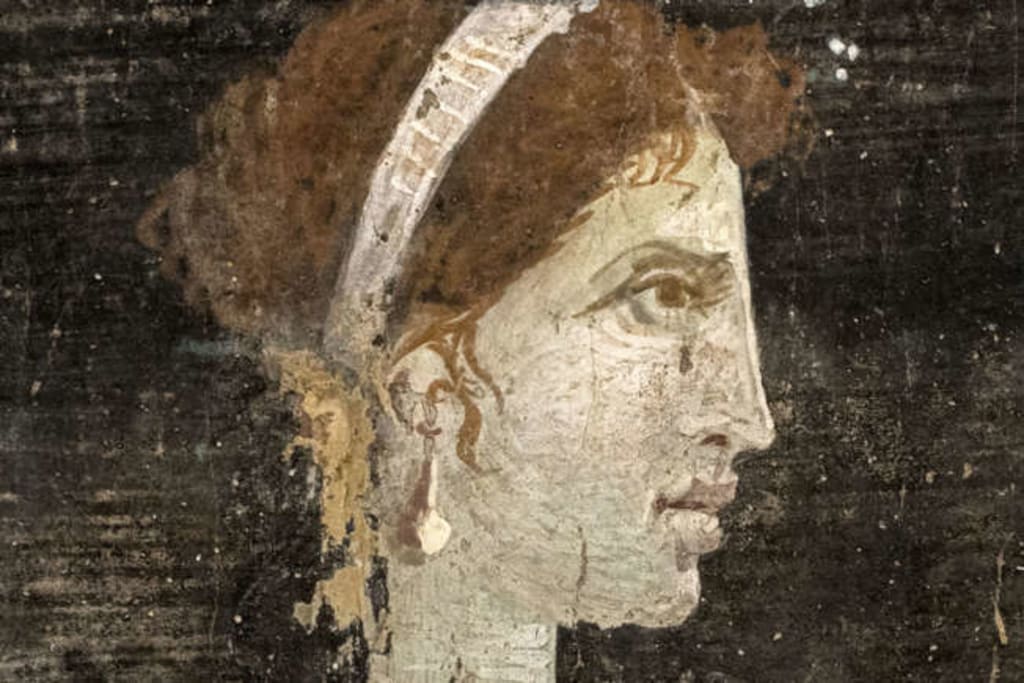
We think we know her.
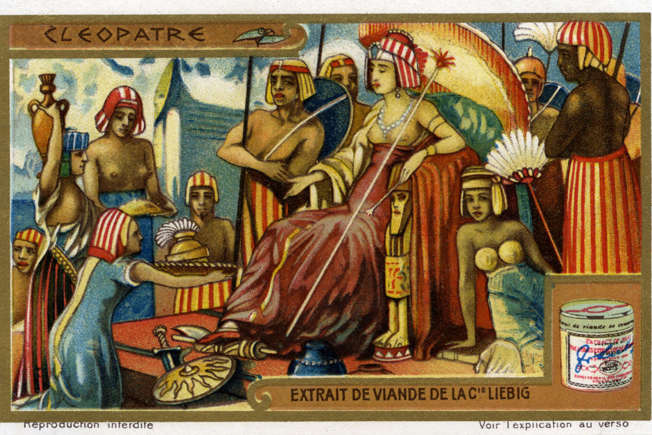
We've seen her in the movies — draped in gold, dark-lined eyes, impossibly beautiful, luring powerful men into her bed and bending empires to her will. Elizabeth Taylor played her. Countless novels have romanticised her. Halloween costumes have reduced her to a silhouette. And for centuries, the world has told the story of Cleopatra the seductress — the dangerous woman who brought great men to ruin.
But that story is wrong. Or at the very least, it is dangerously incomplete.
Because the real Cleopatra VII was something far more threatening to the world than a beautiful woman. She was a brilliant one.
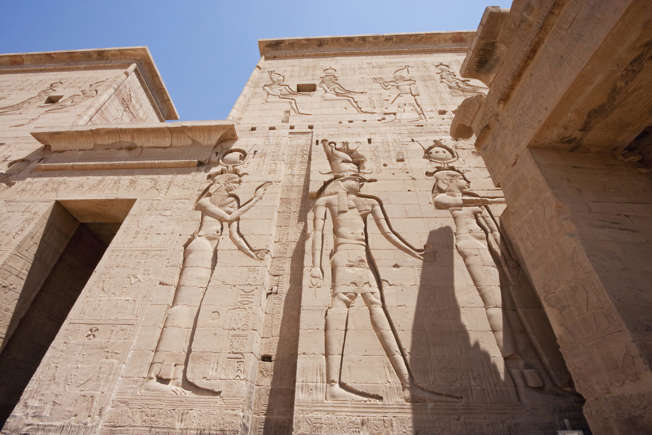
She was born around 69 BC in Alexandria — a city that was, at the time, the intellectual capital of the known world. And she was shaped by it completely. Educated at the Mouseion, the ancient precursor to what we might today call a research university, Cleopatra became a polyglot who could speak multiple languages fluently. She was the only ruler of her Ptolemaic dynasty — a line of Greek-origin kings who had ruled Egypt for generations — to actually bother learning the Egyptian language. Think about that for a moment. Every ruler before her had governed a country whose language they never learned. Cleopatra learned it. She learned the language of her people, because she understood something most leaders still struggle with today: you cannot truly lead people you do not understand.
She was 18 years old when her father died and she assumed the throne.
Eighteen.
What followed was not a love story. It was a masterclass in political survival.
When her younger brother Ptolemy XIII tried to seize power and drove her into exile in Syria, Cleopatra did not collapse. She strategised. Rome was an ally of her father, and Julius Caesar — the most powerful man in the Western world — had arrived in Egypt. Cleopatra arranged to be smuggled into the royal palace, reportedly rolled inside a bundle of cloth, to meet him.
What happened next has been told as romance. But look closer and it reads as something else entirely — calculated diplomacy executed by a woman who had exactly one move left and made it perfectly. Yes, they became lovers. But Caesar also backed her militarily against her brother, who drowned in the Nile during the fighting that followed. Cleopatra regained her throne. She then immediately married her 12-year-old brother Ptolemy XIV — not out of affection, but because Egyptian tradition demanded a female ruler share the throne with a male co-regent. She complied with the tradition. She kept the power.
A year later, her son with Caesar — Caesarion, meaning "little Caesar" — was born, binding the Ptolemaic dynasty to the most powerful bloodline in Rome. It was a geopolitical move wrapped in a cradle.
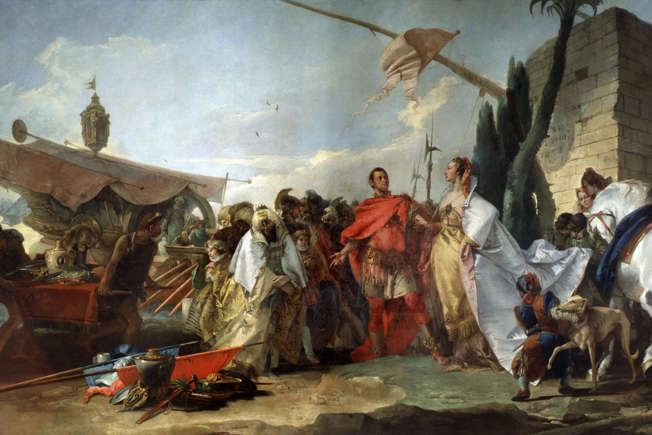
After Caesar's assassination in 44 BC, Cleopatra left Rome and returned to Egypt. She waited. She read the room, as we would say today. And when Mark Antony — Caesar's general and Rome's next great power — needed her, she arrived at their meeting in Tarsus on a golden barge, dressed as the goddess Isis, surrounded by music and perfume and spectacle.
People have always called this seduction. But what it actually was, was branding. Messaging. The kind of carefully constructed public image that any modern political strategist would recognise immediately. She arrived as a goddess because she needed Antony to see her as one — not as a suppliant, not as a client ruler asking for favours, but as an equal. An empire meeting an empire.
It worked.
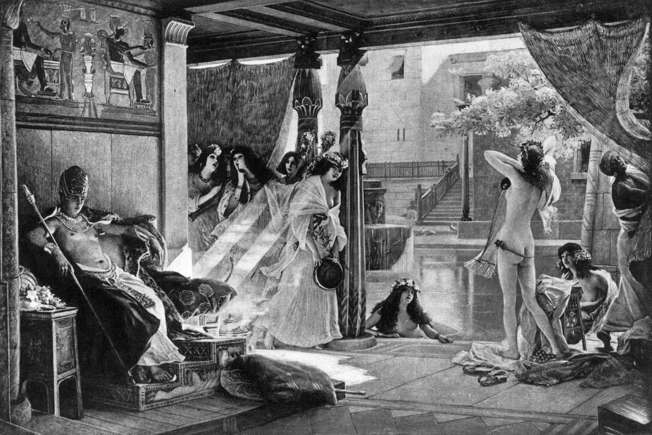
Their alliance was not just personal — it was political, military, and dynastic. Together they formed a power bloc that threatened to reshape the ancient world. She funded his military campaigns. He named her Queen of Kings. Their children were assigned territories across the known world. For a moment, it genuinely looked like Cleopatra might do what no ruler of Egypt had managed — stand firm against Rome's relentless expansion.
She didn't. In the end, Octavian's forces were too great, Antony's defeat at the Battle of Actium in 31 BC too complete. Mark Antony took his own life. Cleopatra, at 39, followed.
Whether it was an asp bite, as the ancient sources claim, or something else entirely, remains debated by historians to this day. What is not debated is what she left behind: two decades of reign, a kingdom held together through intelligence and will, and a legacy so powerful that the world has spent two thousand years trying to reduce it to a costume.
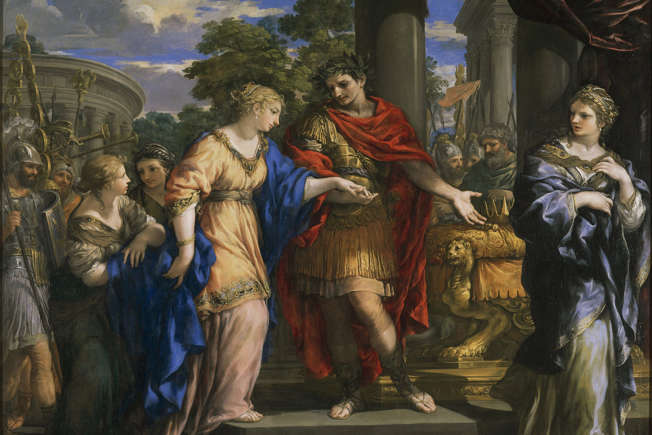
She was not just a queen. She was the last pharaoh of Egypt — and arguably, the most capable ruler her dynasty ever produced.
The world called her a seductress. History, if you read it carefully enough, calls her something else.
Unstoppable.
About the Creator
Enjoyed the story? Support the Creator.
Subscribe for free to receive all their stories in your feed.
Comments
There are no comments for this story
Be the first to respond and start the conversation.