
Breaking the Grand Alliance: The Origins of the Cold War
Why the Cold War Started

The origins of the Cold War can be traced to the Russian Revolution. In 1917, Lenin returned to Russia after the abdication of the tsar. Then the Russian monarchy had crumbled, leaving a vacuum for other parties to fill. Exactly which party that would be was somewhat unclear, but Lenin ensured that it was the Bolsheviks. In October, they seized the Winter Palace, and in the period that followed, they consolidated the first communist regime in Russia.
Some might suggest that the Cold War began there. But in actual fact, it did not. For much of the inter-war period, the USA did not even recognise the Soviet Union, which was established by the Bolsheviks during the 1920s. Only by the 1930s did the USA consider the USSR a part of the international community.
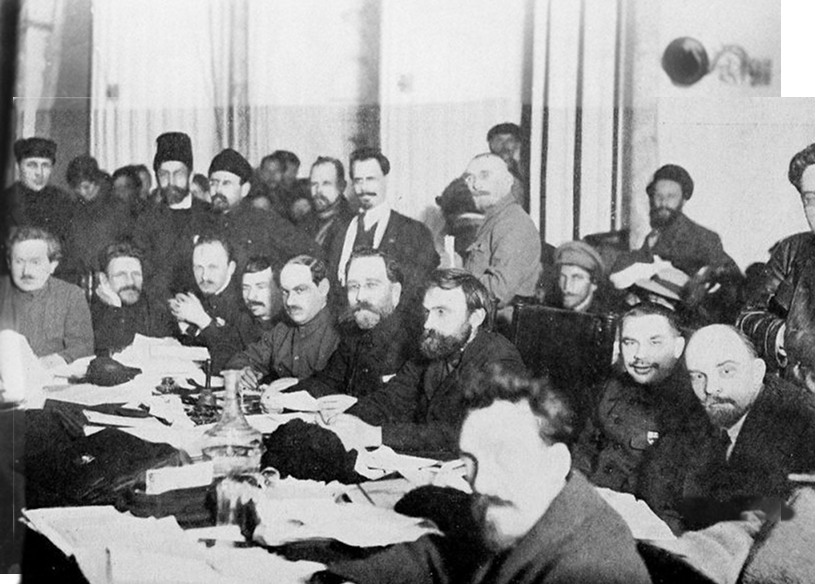
The West remained somewhat suspicious of the communists during the period. That much cannot be doubted, especially after the rise of Stalin. Even during the period of German rearmament, neither Britain nor France established any notable treaties or alliances with the Russians, despite the considerable size of the Red Army and expanding Soviet air force.
In 1939, the Munich Conference was held to preserve peace in Europe. This was the final step of appeasement, but Stalin was not in attendance. As such, by then, the West was not inclined to establish any discussions with Stalin and the Russians. In Stalin's Russia, the Soviet Premier gave his blessing to shooting political dissenters, generally non-Bolsheviks, and Lenin had previously made it clear in his final testament that Stalin not to emerge as his successor. The West remained suspicious of the regime, and so Stalin established a pact with Germany that was the Nazi-Soviet Pact.
Then the Russians were briefly considered an enemy of Britain and France, much the same as the Germans. But no state of war actually existed between them. However, during Russia's war with Finland, Britain provided vocal support for the Fins, and small supplies were shipped to them. Stalin remained cagey on expanding the Nazi-Soviet Pact to provide any notable military support for the Germans. As such, they remained as neutral as possible.
When the USSR was invaded, the Russians became allies of Britain and the USA. Politics aside, from a military perspective, the USSR was exactly the sort of ally Britain required, one with a huge army that was much larger than Britain’s. The West provided more rosy propaganda for Stalin's regime from 1941 to 1945. Western politicians visited the Kremlin for the first time during the Soviet era to meet with Stalin, who himself attended the wartime conferences at Yalta and Potsdam.
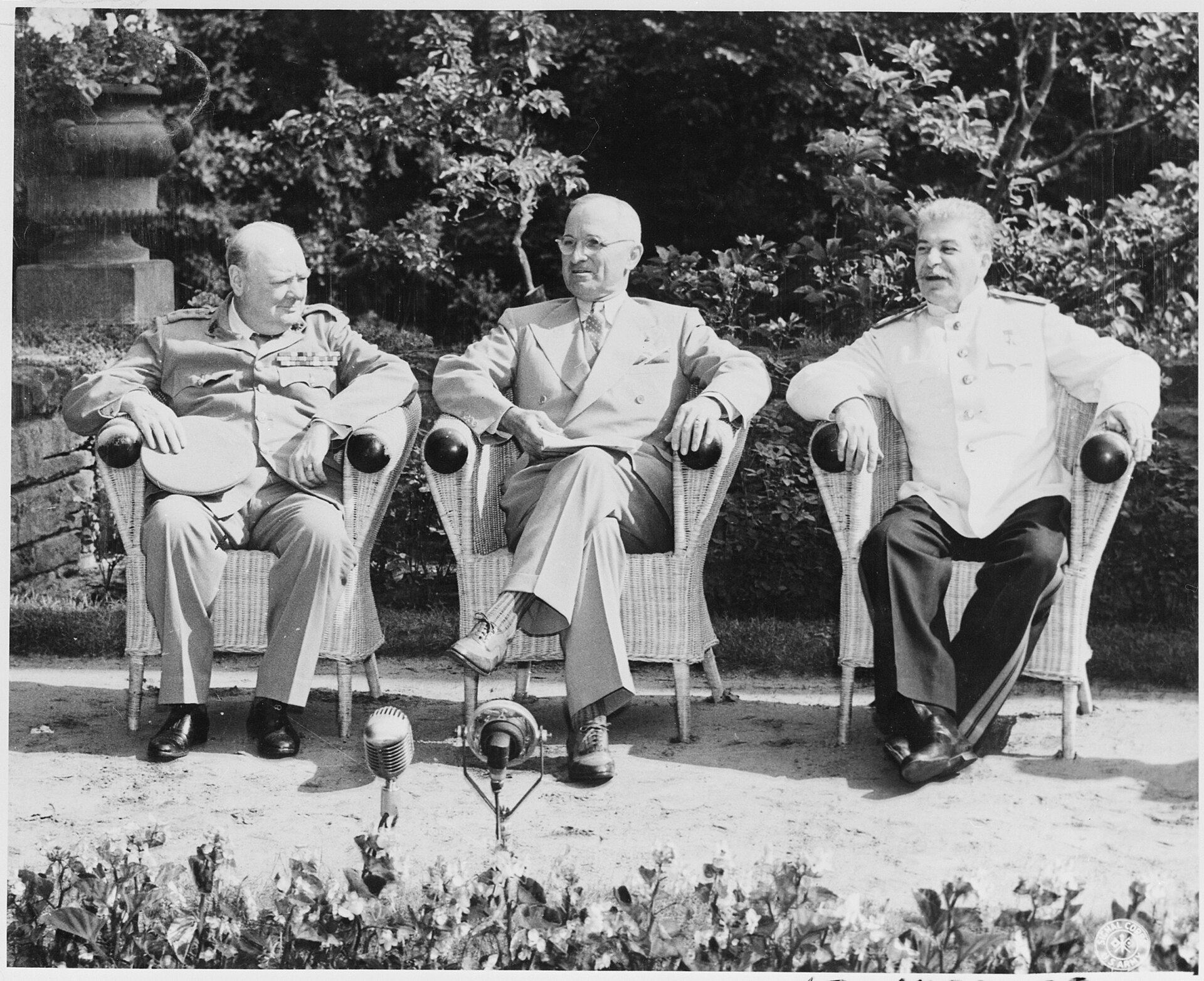
However, the victories of the Red Army in the 1940s very much laid the foundations for the Cold War. By 1945, the Red Army was dominant in a decimated Eastern Europe and occupied Berlin. Stalin's lukewarm pledges for elections across the region were not exactly fulfilled. Even though they did not always win the majority of votes, communist regimes across the Eastern Bloc were established. As Churchill put it, "an Iron Curtain has descended across Europe." Germany was divided into East and West.
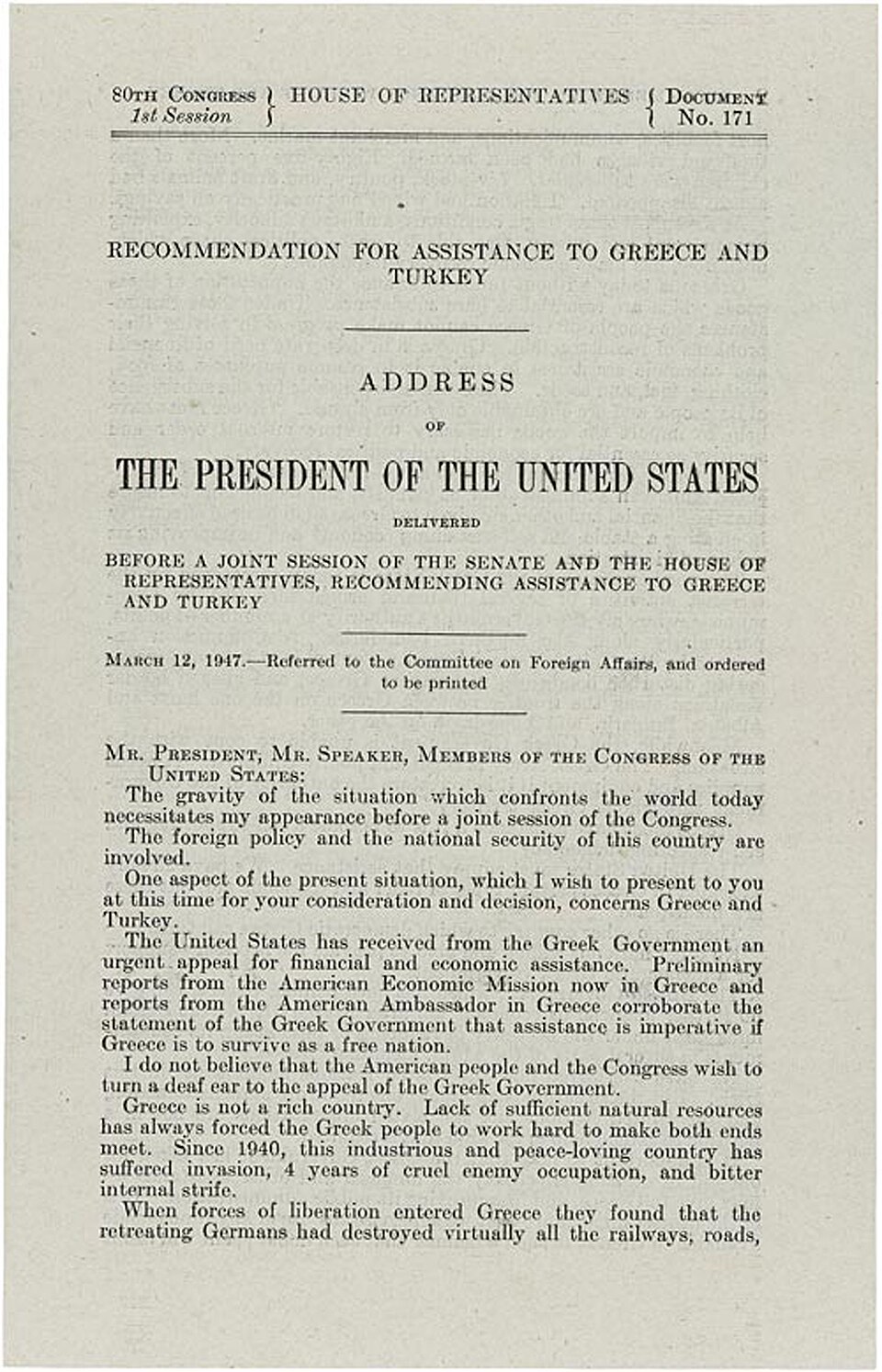
Now communism was spreading beyond the USSR's borders, especially as a communist regime also emerged in China. This might have seemed like the worldly revolution discussed by Marx, and so western propaganda once again shifted. No longer were the USSR allies of the West, and the USA adopted new foreign policies. The Truman Doctrine was one in which the USA pledged support for any non-communist groups at war with communist factions, such as during the Greek Civil War. That became the cornerstone of U.S. foreign policy in the emerging Cold War.
An exact date for when the Cold War began cannot be provided. But for many, the revealing of the nuclear bomb was the moment the Cold War with the USSR began. This began a nuclear arms race with the USA, and the Russians were playing catch-up until they themselves detonated their first nuclear arsenal in 1949. Both sides expanded their nuclear arsenal with greater investment in nuclear missiles during the 1950s.
And so the Cold War began during the postwar period as communism expanded. The Red Army was the largest in the world, but the USA held the nuclear edge in the 1940s. Fortunately, both the USA and the USSR later established treaties that preserved peace, and reduced the arms race, but the Cold War was not officially considered over until the collapse of the Eastern Bloc in 1989.
About the Creator
Matthew A
Matthew is the author of Battles of the Pacific War 1941-1945. Battles of the Pacific War is available on Amazon and Lulu in e-book and paperback formats. Check out the book’s blog at battlesofthepacificwar.blogspot.co.uk.
Enjoyed the story? Support the Creator.
Subscribe for free to receive all their stories in your feed.
Comments
There are no comments for this story
Be the first to respond and start the conversation.