
Beyond the Mud: The War in the Skies and Seas That History Forgot
How World War I's Planes and Submarines Redefined Naval Warfare
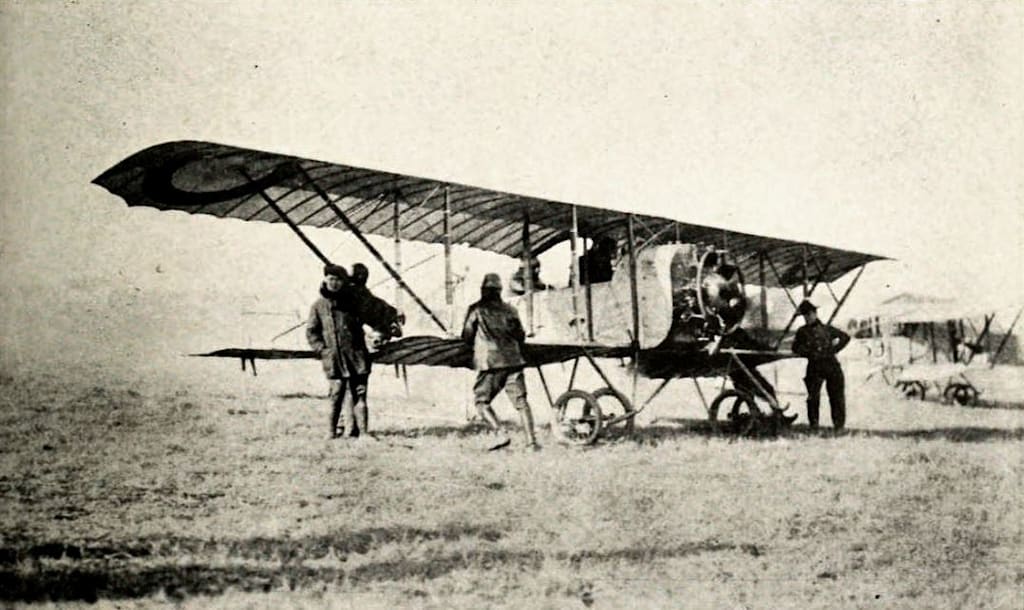
The popular memory of the First World War is firmly anchored in the mud of the Western Front. We envision a static, subterranean nightmare of waterlogged trenches, barbed wire, and the relentless churn of artillery. Yet, while millions locked horns in the bloody stalemate of mainland Europe, a remarkably different, highly dynamic war was being waged. Beyond the mud, the conflict expanded into the skies and deep into the seas, utilizing cutting-edge technology that would forever change the face of global warfare. While the trenches came to symbolize the tragic inertia of the war, the air and the deep ocean became the staging grounds for unprecedented strategic innovation and terrifying new dangers.
The Duel in the Clouds: Birth of the Air War
In August 1914, aviation was still in its infancy. Wright brothers’ historic flight had occurred just over a decade prior, and aircraft were widely viewed by military traditionalists as fragile toys, useful only for scouting enemy movements. Early pilots took to the skies unarmed, occasionally waving to enemy scouts as they crossed paths above the battlefields.
However, the strategic value of aerial reconnaissance quickly became undeniable. Troops could no longer hide their movements, and artillery could be directed with devastating precision from above. To protect their own scouts and bring down the enemy’s, mechanics began mounting machine guns to the fuselage.
The turning point came in 1915 with Anthony Fokker’s invention of the interrupter gear. This mechanical breakthrough synchronized a machine gun’s firing mechanism with the rotation of the propeller, allowing pilots to shoot straight ahead through the spinning blades without destroying their own aircraft.
Almost overnight, the "fighter pilot" was born. The skies over Europe transformed into a deadly arena filled with iconic biplanes and triplanes like the British Sopwith Camel and the German Fokker Dr.I. Pilots like Manfred von Richthofen, famously known as the "Red Baron," became international celebrities, romanticised as modern-day knights engaging in chivalric aerial duels.
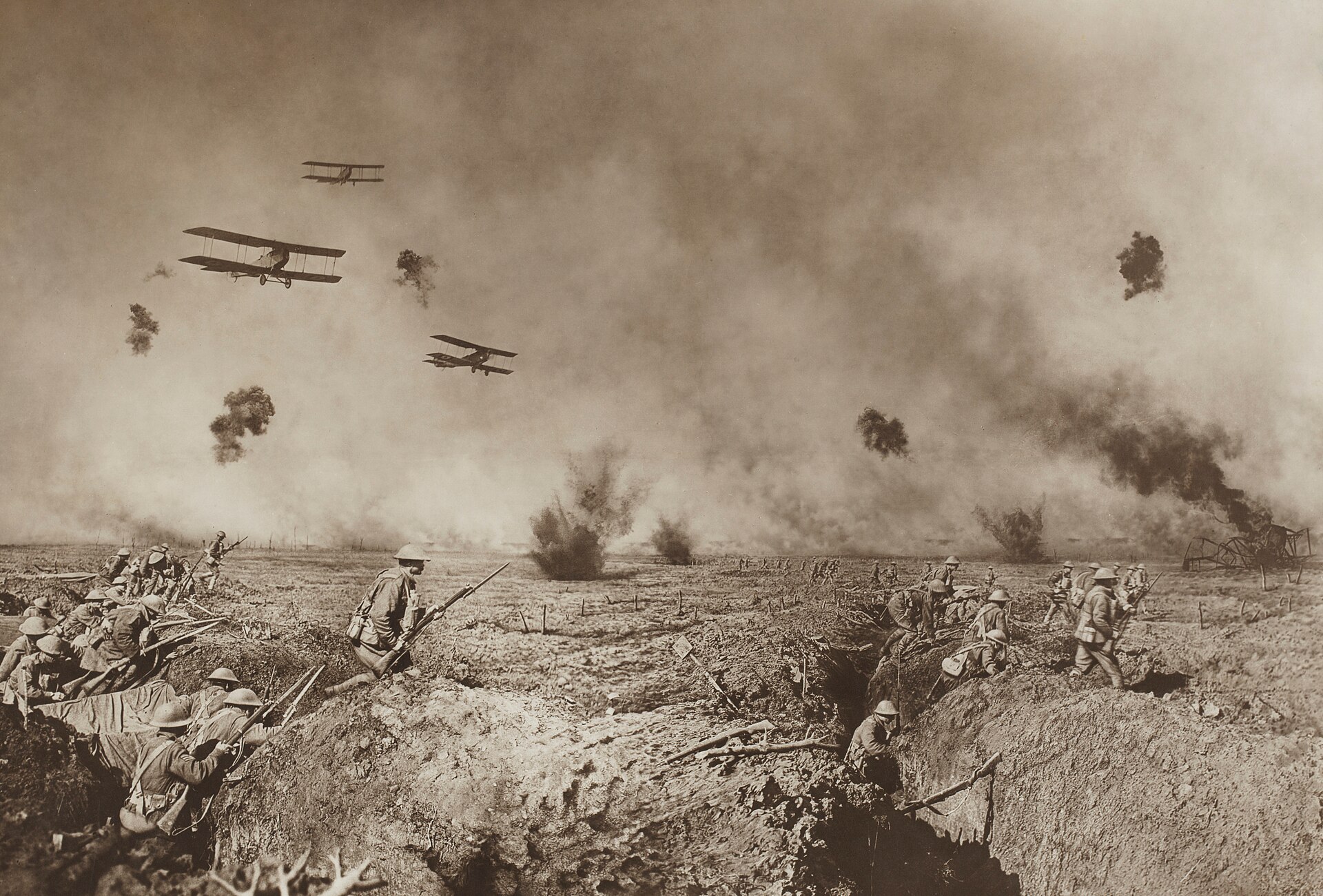
But the reality was far from romantic. The average life expectancy of a new pilot on the Western Front was measured in weeks. Cockpits were completely exposed to the freezing elements, engines were notoriously unreliable, and pilots flew without parachutes. Beyond the glamorous headlines of the "aces," the air war was a brutal war of attrition that laid the foundational doctrine for modern tactical and strategic bombing.
The Terror Below: The Submarine Threat
While the air war was defined by its visibility and high-flying drama, the war at sea was defined by stealth, isolation, and an invisible terror. Before 1914, naval supremacy was measured by the size and firepower of massive capital ships—dreadnoughts and battleships. The British Royal Navy ruled the waves, enforcing a strict blockade on German ports to starve the Central Powers of vital resources.
Unable to match the British fleet in a direct surface confrontation, Germany turned to a relatively unproven and widely despised weapon: the Unterseeboot, or U-boat.
The submarine shattered centuries of naval tradition. Operating under the dark cover of the Atlantic and North Sea waves, U-boats bypassed the mighty surface fleets to target the lifeblood of the Allied war effort: merchant shipping. In February 1915, Germany declared the waters around the British Isles a war zone, launching a campaign of unrestricted submarine warfare.
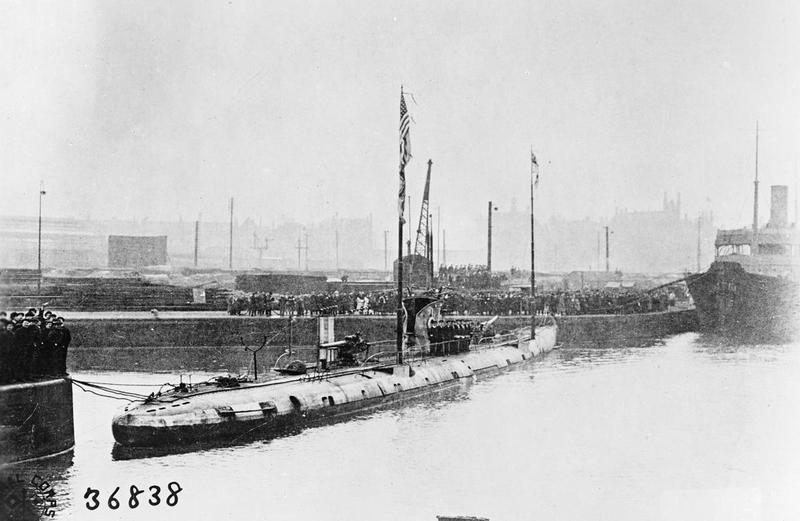
This meant any ship, including neutral merchant vessels and passenger liners, could be sunk without warning. The sinking of the RMS Lusitania in May 1915, which claimed over 1,100 civilian lives, shocked the world and sowed the seeds for United States entry into the war.
For the sailors tracking them, the U-boats were an elusive, phantom menace. Allied navies had to rapidly invent entirely new methods of seafaring defense, developing early underwater listening devices (hydrophones), depth charges, and the highly effective convoy system, where merchant ships sailed in tight formations protected by heavily armed warships. The Battle of the Atlantic was a desperate, invisible chess match where a single torpedo could alter the economic survival of an entire nation.
A Legacy Beyond the Trenches
When the armistice was signed in November 1918, the headlines naturally focused on the liberation of occupied lands and the silencing of the great guns along the trenches. Yet, the silent victories and tragic losses in the skies and seas were just as pivotal in deciding the outcome of the war.
The innovations forged in these secondary theaters didn't just impact the timeline of World War I; they fundamentally redrew the blueprint for World War II and the future of military science. The fragile wooden biplanes of 1914 evolved into the metallic strategic bombers of the mid-century, and the rudimentary U-boats paved the way for nuclear-powered fleets.
To fully understand the First World War, we must look up from the cratered earth of France and Belgium. By looking beyond the mud, we uncover a global conflict that was won and lost in the vast, unforgiving horizons of the open sky and the silent, terrifying depths of the sea.
Editor’s Note: This article was co-created using AI assistance from Google AI for drafting and research structure, in compliance with Vocal’s community standards
About the Creator
Matthew A
Matthew is the author of Battles of the Pacific War 1941-1945. Battles of the Pacific War is available on Amazon and Lulu in e-book and paperback formats. Check out the book’s blog at battlesofthepacificwar.blogspot.co.uk.
Enjoyed the story? Support the Creator.
Subscribe for free to receive all their stories in your feed.
Comments
There are no comments for this story
Be the first to respond and start the conversation.