
A Brief History of Submarine Warfare
How Submarines Revolutionized Naval Warfare
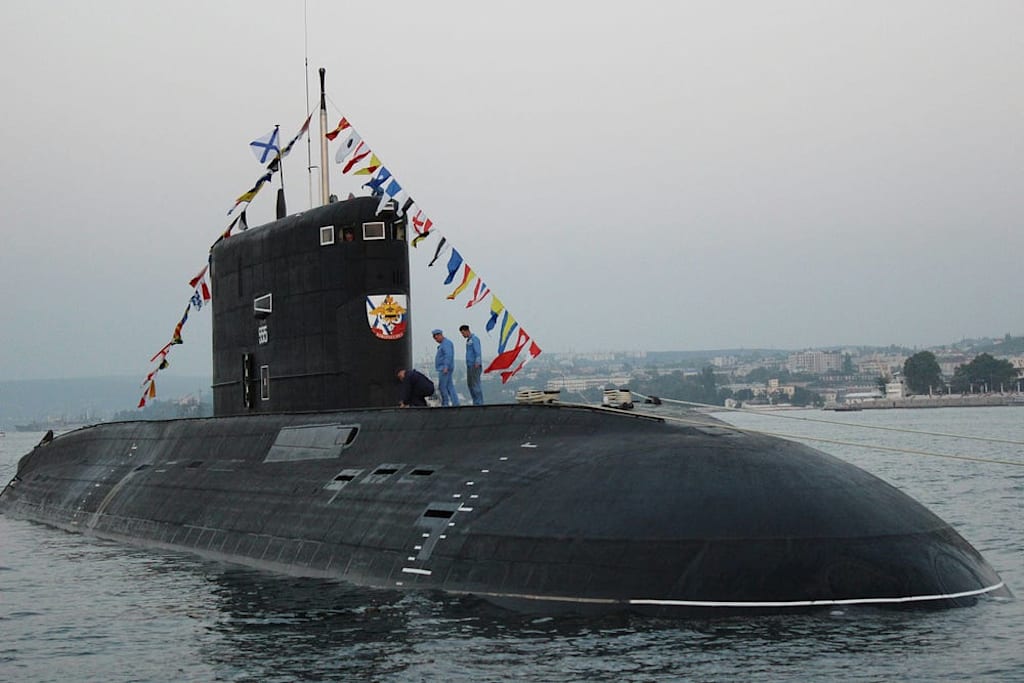
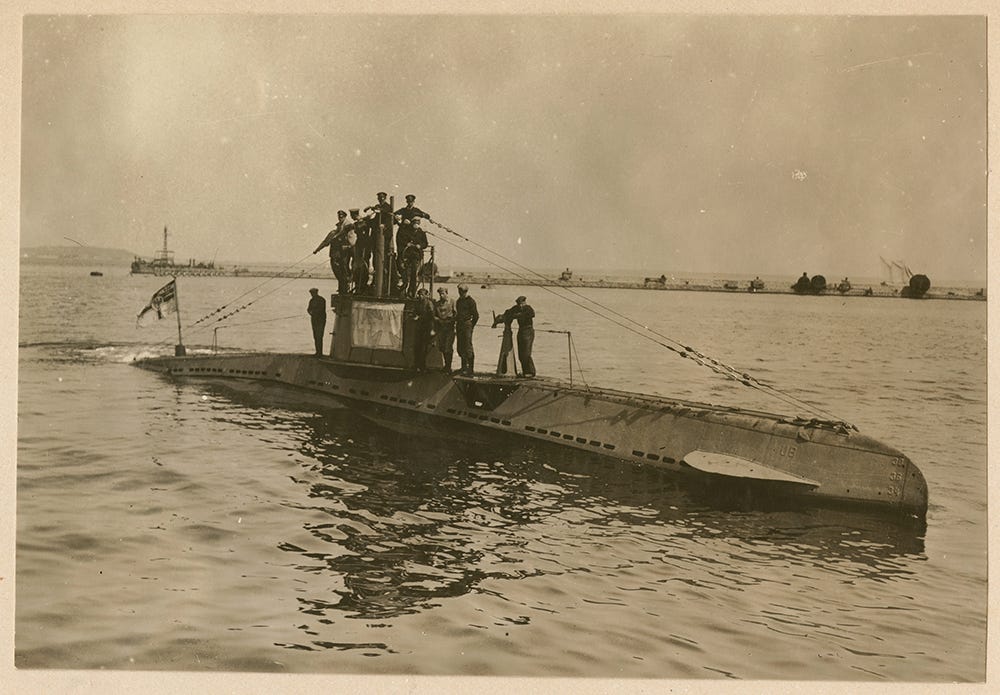
The first modern submarines were constructed in the 20th century, shortly before 1914. During the Anglo-German naval race, the Germans built a variety of U-boats, the first of which was the U-1. The Royal Navy also expanded with submarines. In wars shortly before 1914, such as the Italo-Turkish War, submarines were deployed with little impact.
During the Balkan Wars, the Greek Navy had a few submarines. Among them was the Deflin, which was the first submarine to fire a torpedo. As the torpedo had little impact, the targeted warship remained intact.
In 1914, the German Empire declared war on Russia and France. The British declared war on Germany after its troops invaded Belgium. This ensured that German U-boats (submarines) were widely deployed for the first time. As the German army advanced in France, the first submarine patrols targeted British warships in the North Sea.
The first patrol had little impact, but the German U-boat U-9 was more effective. During its North Sea patrols, it intercepted a squadron of three British cruisers. After reloading its torpedoes, the U-boat wiped out all three cruisers. Alongside the U-21, it was among the first submarines to destroy surface fleet warships.
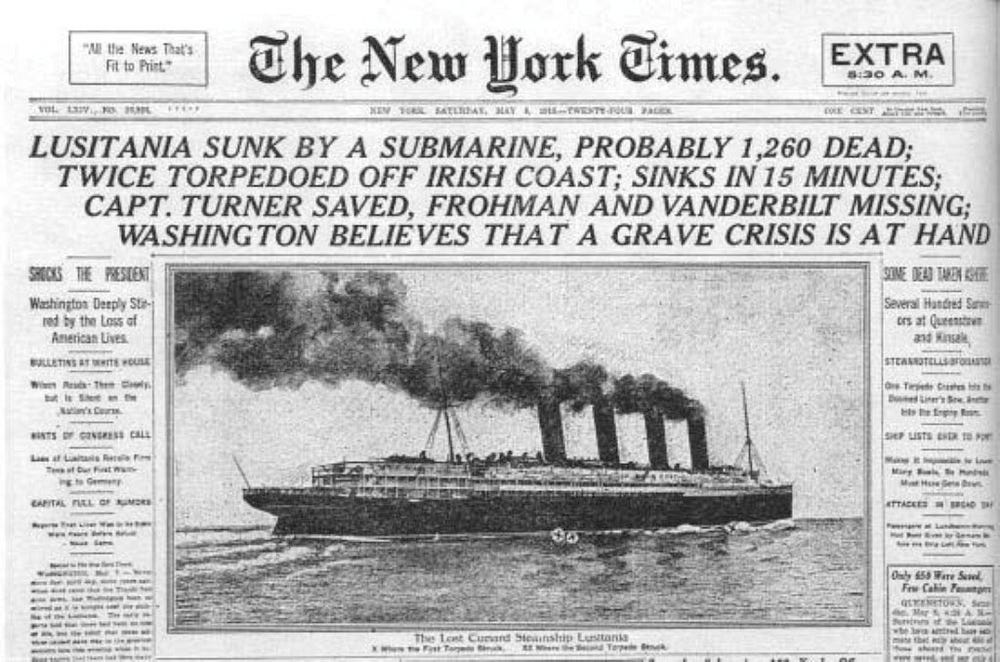
During the war, the German navy gradually expanded its U-boat missions, which primarily targeted British merchant ship supplies. However, they were not the only ships targeted. In 1915, a German U-boat torpedoed the Lusitania ocean liner. As the ocean liner sank within an hour, there was little time to abandon the ship.
Germany resumed unrestricted submarine warfare in 1917. The German High Command planned to effectively sever Britain's supplies by sinking a larger number of merchant ships with an expanded U-boat campaign. This campaign was initially very effective, and there was a notable increase in merchant ship losses. However, as the Royal Navy provided better convoy support for its merchant ships, their losses were reduced. Britain remained in the war, and the United States joined their side as U.S. naval vessels were also lost during the campaign.
After the war, the German U-boat fleet was largely scrapped in accordance with the Treaty of Versailles. However, the world's foremost navies expanded their submarine fleets. The German navy also began to rebuild its U-boat fleet during the interwar period.
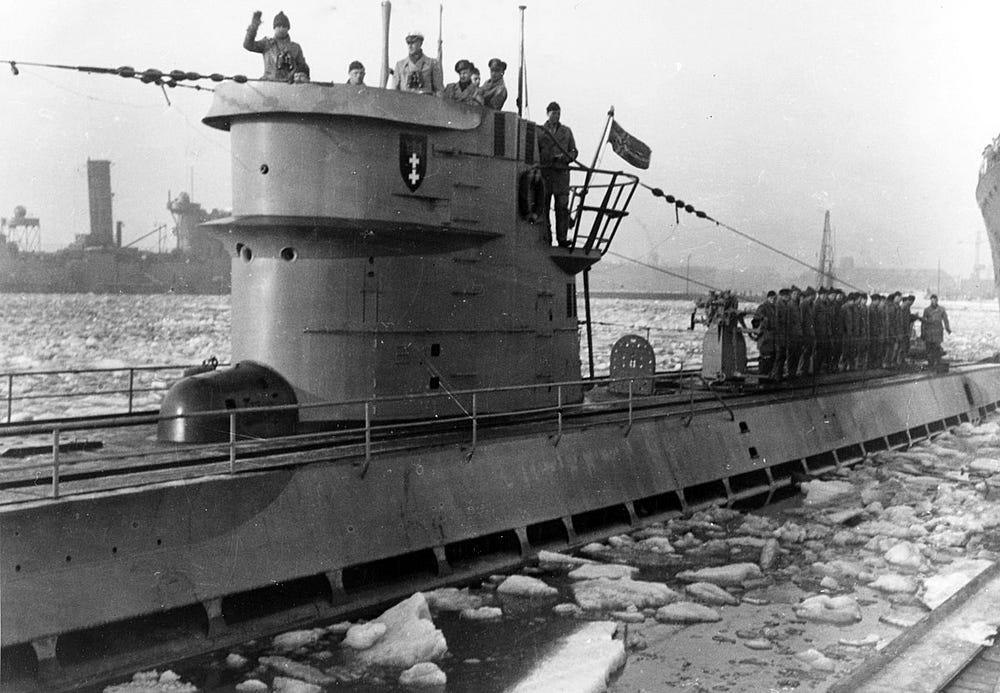
When war with Britain resumed in 1939, Germany widely deployed U-boats for commerce raiding missions. Commerce raiding missions targeting merchant ship supplies were effective, but the Nazis did not have enough U-boats to win victory in the Atlantic. As the Allies expanded convoy escorts and developed more effective U-boat detection with radar and sonar, German U-boat losses increased. Allied code-breakers also filtered through details of approaching wolfpacks so their convoys could be routed around them. Consequently, merchant shipping losses steadily fell.
In the Pacific, submarine blockades were also a big part of the Allied naval tactics. The Allied submarines wiped out a large proportion of Japanese merchant ship supplies during the Pacific War. Estimates suggest Japan lost 2,117 merchant ships during the period. Allied submarines also wiped out some Japanese aircraft carriers in battles such as the Battle of the Philippine Sea.
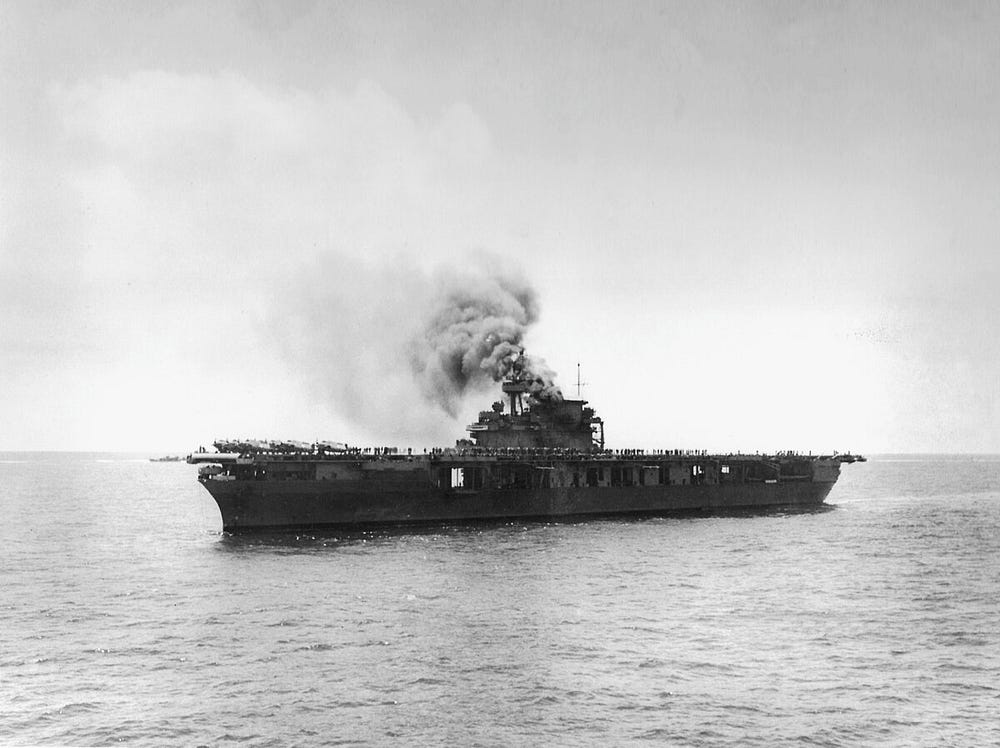
Despite the effectiveness of the Allied submarine blockade, Japan deployed its submarines primarily for surface fleet support. In battles such as the Battle of Midway, the Japanese dispatched some submarines to intercept U.S. surface fleet ships. Only one intercepted a U.S. aircraft carrier, the Yorktown, after its crew had abandoned the ship. The aircraft carrier remained afloat after Japanese air bombardments but was duly finished off by the Japanese submarine, which also wiped out the USS Hammann with its torpedoes.
The impact of submarines in the 1940s ensured they remained a key part of NATO and Russian navies during the Cold War. The development of cruise and ballistic missiles made submarines increasingly essential during the Cold War. During the 1950s, the first missile-equipped submarines were constructed, such as ballistic missile submarines, which supported nuclear-tipped missiles. The new generation of nuclear submarines could also strike at ground targets. For the first time, submarines became a nuclear deterrent for the NATO and communist navies.
As the Cold War was not strictly a war, there was little direct naval combat. Cat-and-mouse naval engagements were instead the alternative. However, the USSR and USA still lost some of their submarines during the period.
Aside from the Cold War, Britain also deployed nuclear submarines in the Falklands. When Argentina invaded, the Royal Navy dispatched the HMS Conqueror to the region. This submarine sank the General Belgrano with its torpedoes. After General Belgrano was lost, the Argentine surface fleet withdrew from the Falklands. It was the first surface fleet ship to have been wiped out by a nuclear submarine.
Cold War submarines remain a part of modern-day navies. They are versatile naval units that navies can deploy for a variety of missions. Few will doubt that submarines revolutionized naval warfare.
This article of mine was originally submitted to Medium, where you can read it here.
About the Creator
Matthew A
Matthew is the author of Battles of the Pacific War 1941-1945. Battles of the Pacific War is available on Amazon and Lulu in e-book and paperback formats. Check out the book’s blog at battlesofthepacificwar.blogspot.co.uk.
Enjoyed the story? Support the Creator.
Subscribe for free to receive all their stories in your feed.
Comments
There are no comments for this story
Be the first to respond and start the conversation.