
7 Key Events in the History of the German Empire
Remembering the Most Significant Events in German Empire History
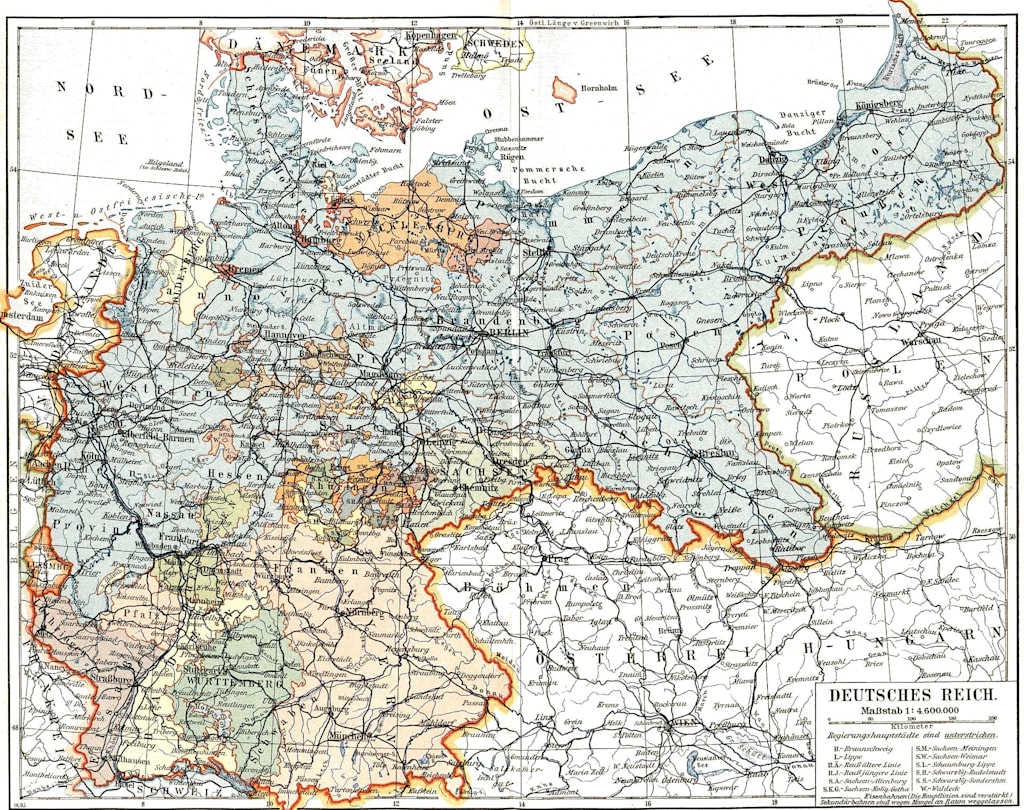
The German Empire was established in the 19th century, and gradually it expanded with new colonies in Africa, etc. Germany was united by Bismarck and the Prussian army's victories in Europe. The defeat of France paved the way for German unification, in which Prussia dominated, whilst Austria remained outside of the new German Empire. This empire remained intact until World War One.
Triple Alliance Established
As foreign minister, Bismarck established numerous alliances with other European empires. Among the most notable was that of the Triple Alliance of 1882. Germany extended their alliance with Austria-Hungary to include Italy, in what was essentially a military alliance. The triumvirate of empires pledged military support for others within the Triple Alliance.
This alliance was effectively the first of the alliance blocs established in Europe. However, the Italians remained lukewarm and by 1914 did not provide any military support for either Germany or Austria-Hungary. The Italian Empire actually joined Europe's other alliance bloc, that of the Triple Entente (Britain, France, and Russia), and so abandoned the Triple Alliance altogether.
Wilhelm II Ascends the Throne
It was in 1888 that Wilhelm 2nd became German emperor. Germany's foreign minister, Bismarck, was sidelined and later resigned. Wilhelm and the new German foreign ministers would begin to establish new foreign policies, abandoning Bismarck's Reinsurance Treaty with the Russians. That all but ensured that the Russians would later join the Triple Entente with Britain and France.
Wilhelm greatly encouraged the expansion of the Imperial German Navy. As such, German shipbuilding companies constructed an ever larger number of warships, such as battleships, which expanded Germany's fleets. This also sparked a naval race with Britain's Royal Navy, and they later constructed the first dreadnought battleship in 1906 to ensure they remained ahead of the Germans. In actual fact that sparked a more general dreadnought naval race, and the Germans also added a considerable assortment of dreadnoughts to their navy.
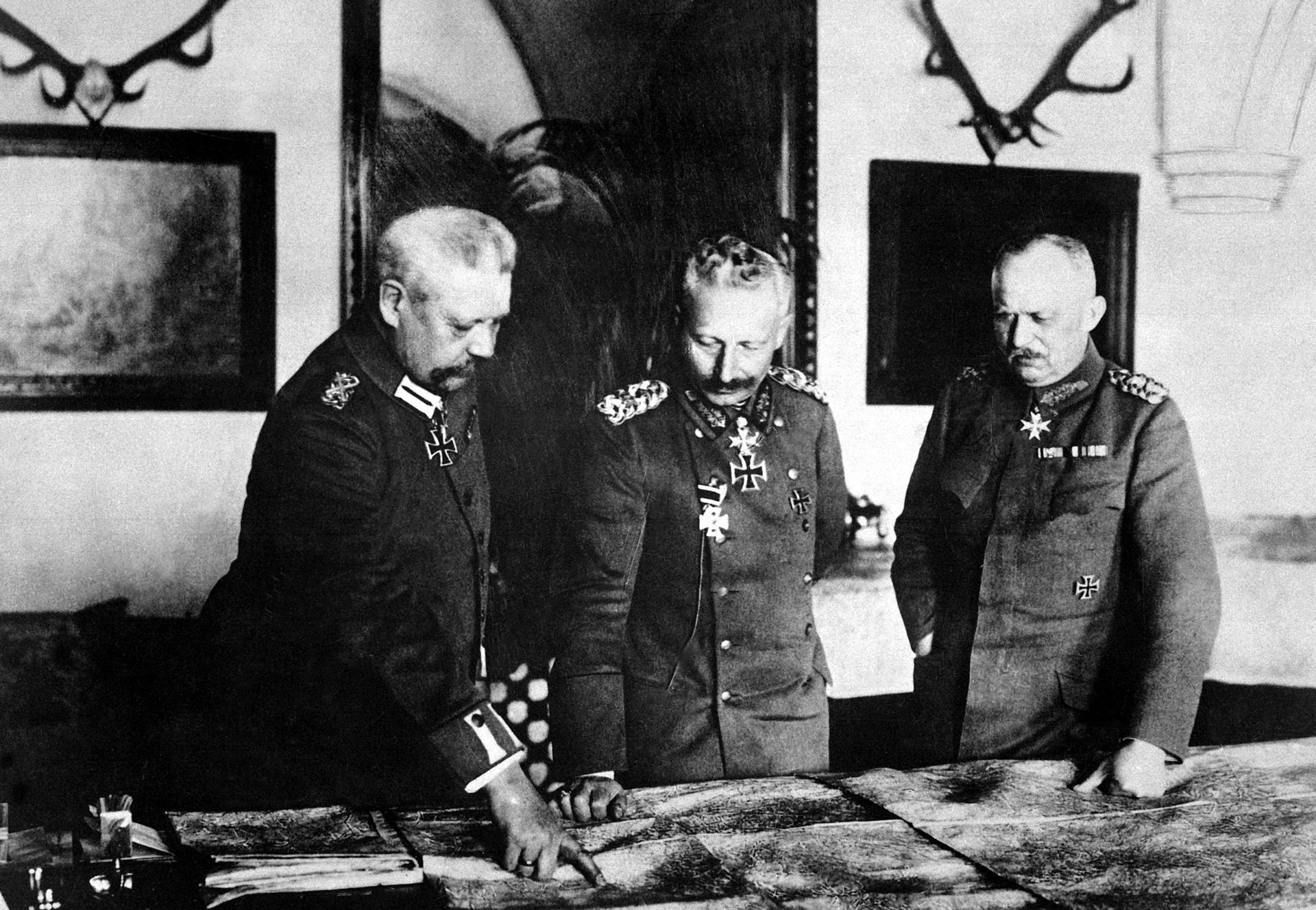
Wilhelm was effectively the final king of the German Empire. He remained king during the war period in which Germany was increasingly a military dictatorship. The silent dictatorship, which included the king and his chief military advisers, Ludendorff and Hindenburg, reigned in Germany until 1918.
Assassination of Archduke Ferdinand
In 1914, the Archduke Ferdinand was assassinated by Serb nationalists. The assassination of the Archduke ensured war between Serbia and Austria-Hungary. The German Empire threw its support behind Austria-Hungary, which all but ensured the escalation of war beyond the Balkans. At the time, there was no League of Nations or U.N., and so no platform for open diplomacy between the primary European empires. The Germans declared war on both the Russian Empire and the French Empire.
Soon after, their army swiftly invaded France, as outlined by the Schlieffen Plan. The quick defeat of France was to be followed by a victorious military campaign in Eastern Europe. That was the plan at least, and as the German army invaded Belgium, the British Empire also joined the fray and declared war on Germany. As such, the German Empire was at war with three of the largest empires.
Battle of Marne
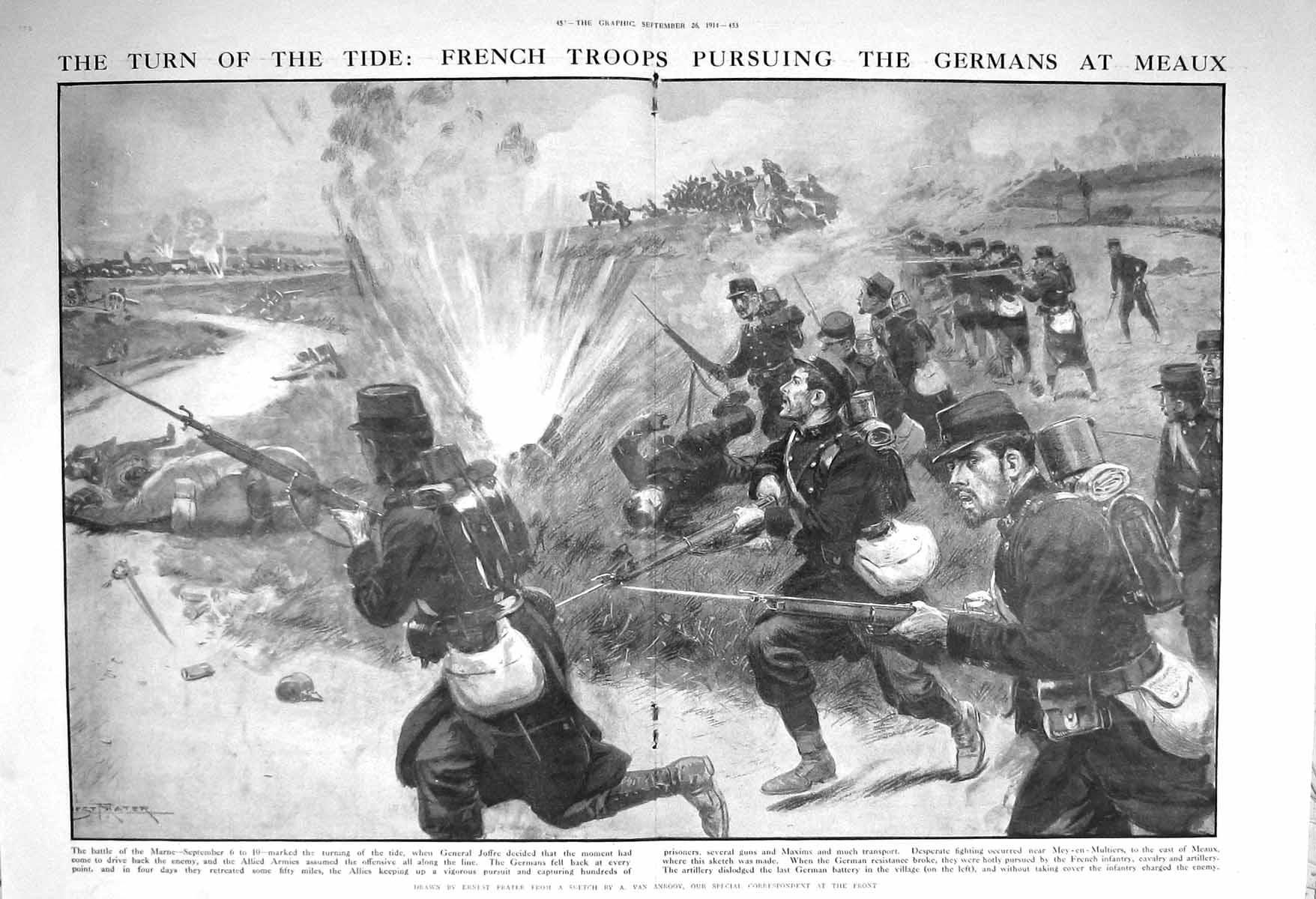
The advance into France was initially effective as the French fell back in disarray. The thrust into Belgium was slowed by the British, but they could not halt the Germans either. The French retreated back to the River Marne, and it was at the Battle of the Marne that shortcomings in Germany's plan became increasingly more evident.
The Russians had advanced more quickly into East Prussia than initially expected, and so additional German divisions were required to reinforce the front there. At the Battle of the Marne, the Germans were left with fewer troops, and their advance was duly halted when thousands of French reinforcements were rushed in. A combined Anglo-Franco counter was somewhat unexpected, and no provisions had been made for that with the Schlieffen Plan. As such, the orders were given for the Germans to pull back and dig in. France remained undefeated by the end of 1914, and so their original plan had not reached its objectives.
Battle of Amiens
By 1918, the war continued, and the German Empire was not defeated. But with the United States joining the Entente, and France undefeated, it was clear that the Germans had to win a victory soon. Ludendorff threw in fresh new divisions from the east after the defeat of Russia to reinforce a new German advance in France, which could not be sustained. The new British, French, and American coalition halted their advance around the Marne and then began to draft plans for their own counterattacks.
The counters began at the Battle of Amiens. At the Battle of Amiens, Rowlinson effectively combined the Entente's infantry divisions with aircraft, tanks, and cavalry to mow down the German lines. The counter was not expected by the Germans, and their own divisions had little time to organize their positions once the advance began. And so it was that their lines around Amiens collapsed as a large number of German troops surrendered. Here, the Entente made its most substantial advances in France and began a general advance that would push the German army beyond the Hindenburg Line. This defeat highlighted that the German Empire could no longer defeat France and win the war.
November 11 Armistice & Abdication Wilhelm II
November was the month in which the empire crumbled. Calls for an armistice within Germany became increasingly vocal as the Entente armies pressed towards the Rhine. Flabbergasted by the turn of events in France, the king's chief military advisor, Lunderdorff, resigned. The German chancellor, Prince Max, began negotiations with the Entente for an armistice. Then it was clear that the king had to abdicate to bring an armistice, and Wilhelm duly vacated the throne. Soon after the 11th November armistice came into effect, which was something of a cease-fire that would last into 1919.
German Revolution
The abdication of the king all but ensured the demise of the German Empire. With the collapse of the German monarchy, a vacuum was left which the socialist parties would fill. In 1919, Ebert proclaimed the new German Republic in Weimar (Weimar Republic), in which he would be the first president. The Weimar Coalition became the first of a series of coalitions that would come and go, as few parties within the Reichstag won a notable majority.
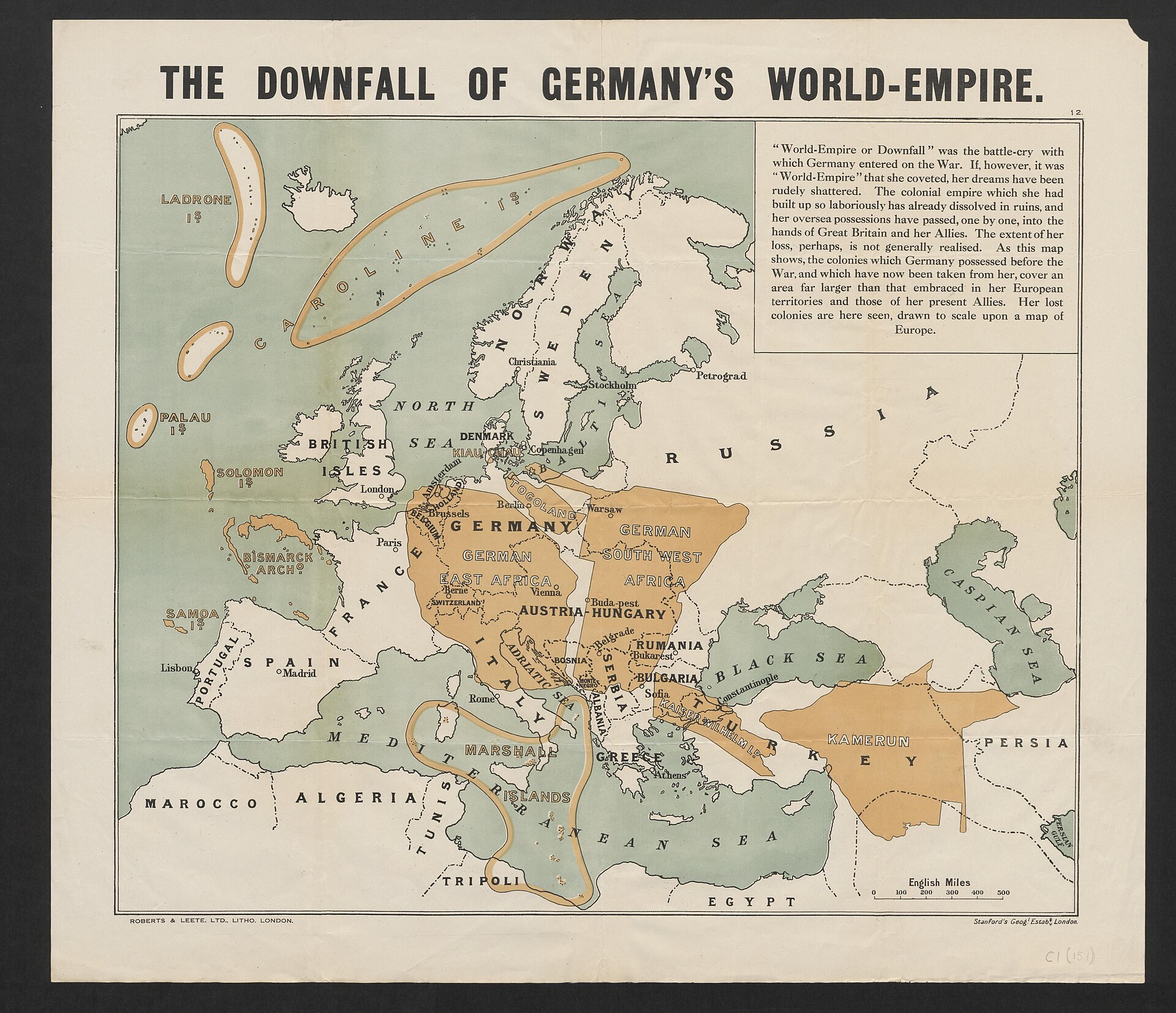
In Paris, France, and their allies drafted the Treaty of Versailles. Among the provisions of this treaty was that of the dissolution of the German Empire, and thus the loss of their colonies, such as Togoland. Territory from the German Empire was absorbed into the British and French Empires. The defeat of the German army had brought about the collapse of their empire, and others in Eastern Europe, such as Ottoman Turkey and Austria-Hungary.
About the Creator
Matthew A
Matthew is the author of Battles of the Pacific War 1941-1945. Battles of the Pacific War is available on Amazon and Lulu in e-book and paperback formats. Check out the book’s blog at battlesofthepacificwar.blogspot.co.uk.
Enjoyed the story? Support the Creator.
Subscribe for free to receive all their stories in your feed.
Comments
There are no comments for this story
Be the first to respond and start the conversation.