
10 Major Conflicts Where U.S. Intervention Helped Prevent Even Greater Wars
From global standoffs to regional crises, these moments show how American involvement sometimes helped keep larger conflicts from spiraling out of control.

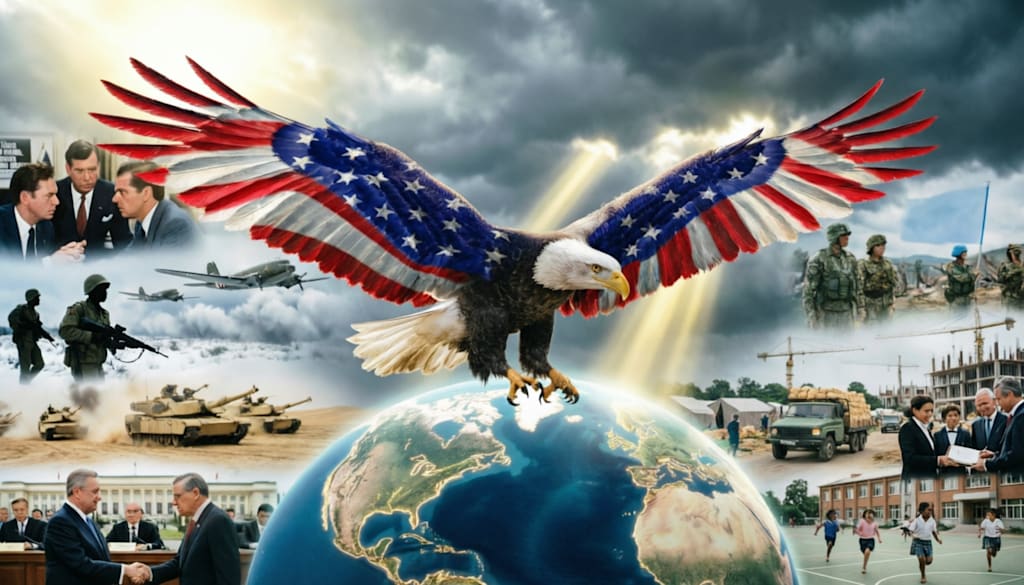
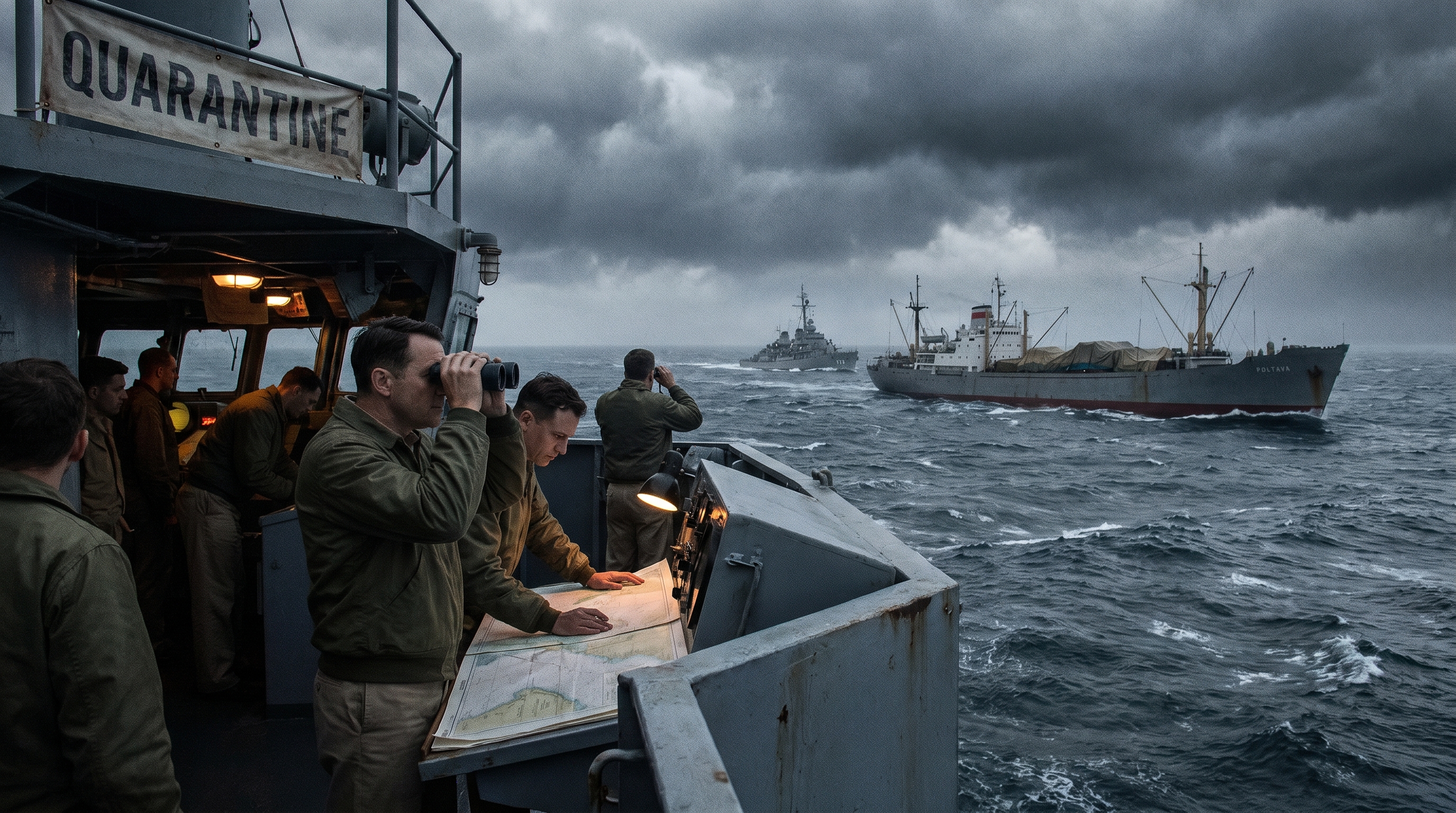
History often remembers wars for the destruction they caused. Yet there are also moments when military power, diplomacy, or strategic intervention helped prevent conflicts from becoming even more devastating. The United States has played a controversial role in world affairs, and not every intervention has been successful. However, there have been several occasions when American involvement helped contain violence, deter aggression, or prevent a regional conflict from escalating into a much larger war. Here are ten significant examples where U.S. actions contributed to maintaining international stability and preventing potentially greater disasters. 10. The Cuban Missile Crisis (1962) In October 1962, the world came closer to nuclear war than at any other point in history. American reconnaissance flights discovered that the Soviet Union was installing nuclear missile sites in Cuba, just 90 miles from Florida. President John F. Kennedy responded with a naval blockade around Cuba and demanded the removal of the missiles. For thirteen tense days, the United States and the Soviet Union stood on the brink of nuclear conflict.
Fortunately, diplomacy prevailed. The Soviets agreed to remove their missiles, while the United States secretly agreed to remove certain missiles from Turkey. Historians widely regard the peaceful resolution of the Cuban Missile Crisis as one of the greatest diplomatic successes of the twentieth century. A potential nuclear war that could have killed millions was avoided.
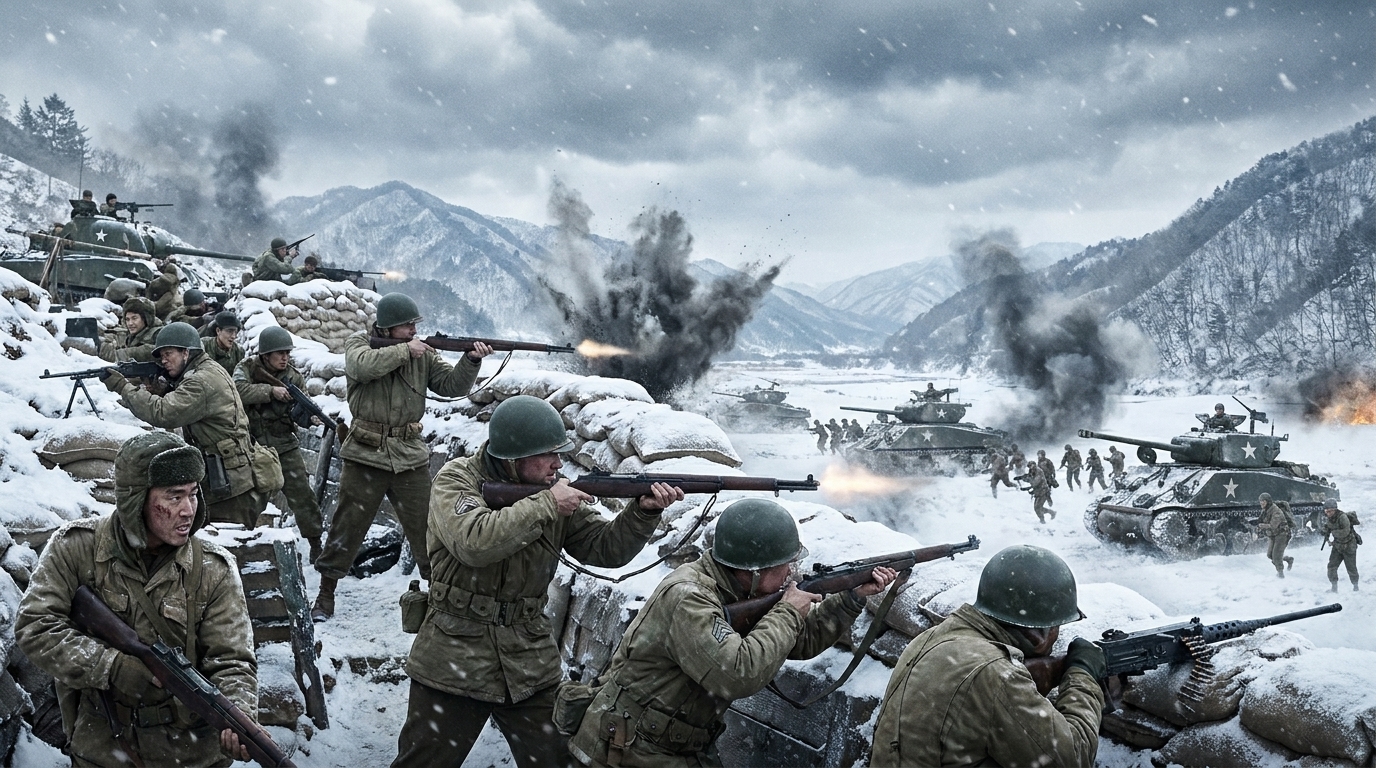
9. The Korean War (1950–1953) When North Korea invaded South Korea in June 1950, many feared that communist expansion in Asia would continue unchecked. Under a United Nations mandate, U.S. forces joined an international coalition to defend South Korea. The war was brutal and costly, but the intervention prevented the complete takeover of South Korea. Had the invasion succeeded, the balance of power in East Asia might have shifted dramatically. Today, South Korea stands as one of the world's leading economies and democracies. While the Korean Peninsula remains divided, the conflict was contained rather than expanding into a wider regional war.
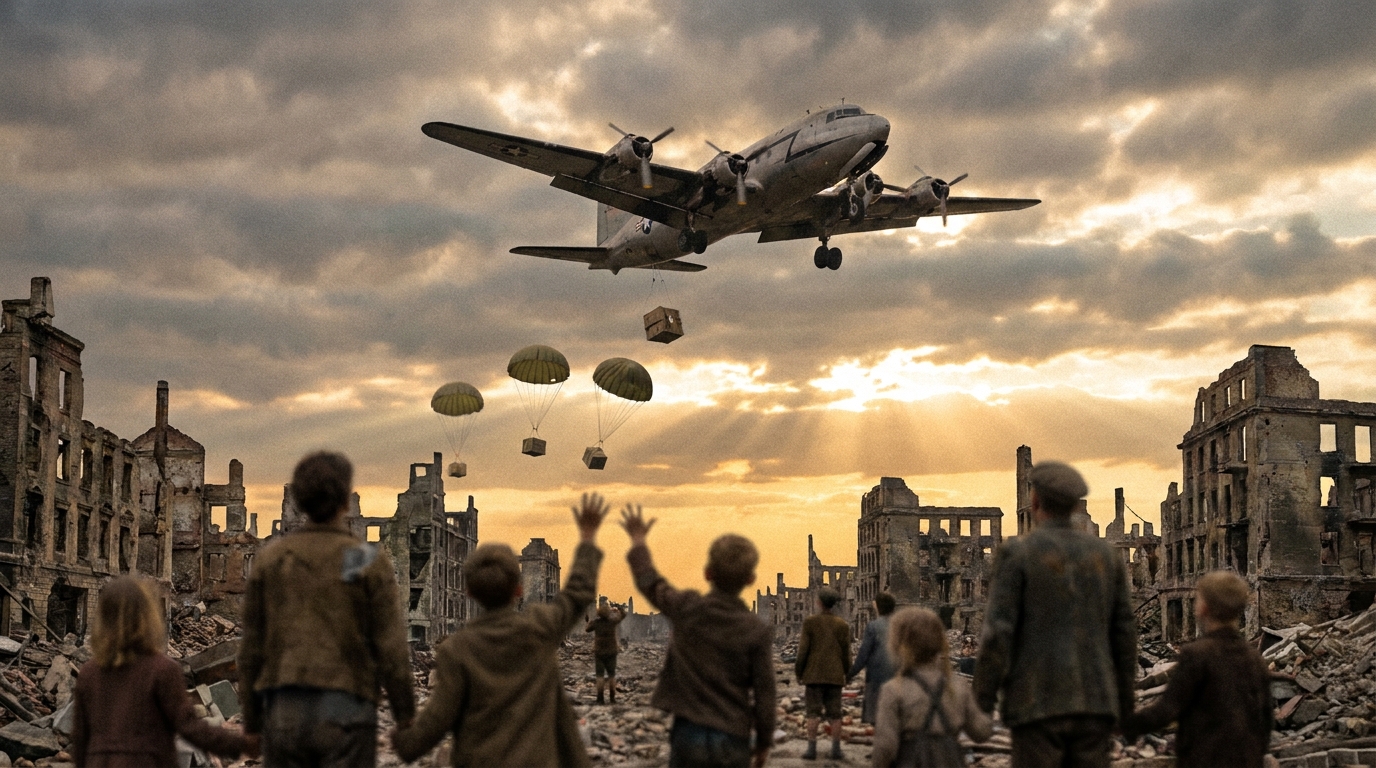
8. The Berlin Airlift (1948–1949) After World War II, tensions between the Western Allies and the Soviet Union increased rapidly. In 1948, the Soviet Union blocked all land routes into West Berlin, hoping to force the city into its sphere of influence. Rather than responding militarily, the United States organized one of the largest humanitarian operations in history. American and allied aircraft delivered food, fuel, and supplies to Berlin around the clock. The Berlin Airlift demonstrated that determination and logistics could succeed where military confrontation might have triggered another world war. The Soviet blockade eventually failed, and direct conflict was avoided.
7. The Gulf War (1991) When Iraq invaded Kuwait in 1990, many countries feared that Iraqi forces would continue into neighboring states and threaten the stability of the entire Persian Gulf region. The United States assembled a large international coalition and launched Operation Desert Storm. Within weeks, Iraqi forces were expelled from Kuwait. Although the war remains debated, the intervention prevented the permanent occupation of Kuwait and discouraged further regional expansion by Iraq. Many analysts believe it helped prevent a broader Middle Eastern conflict.
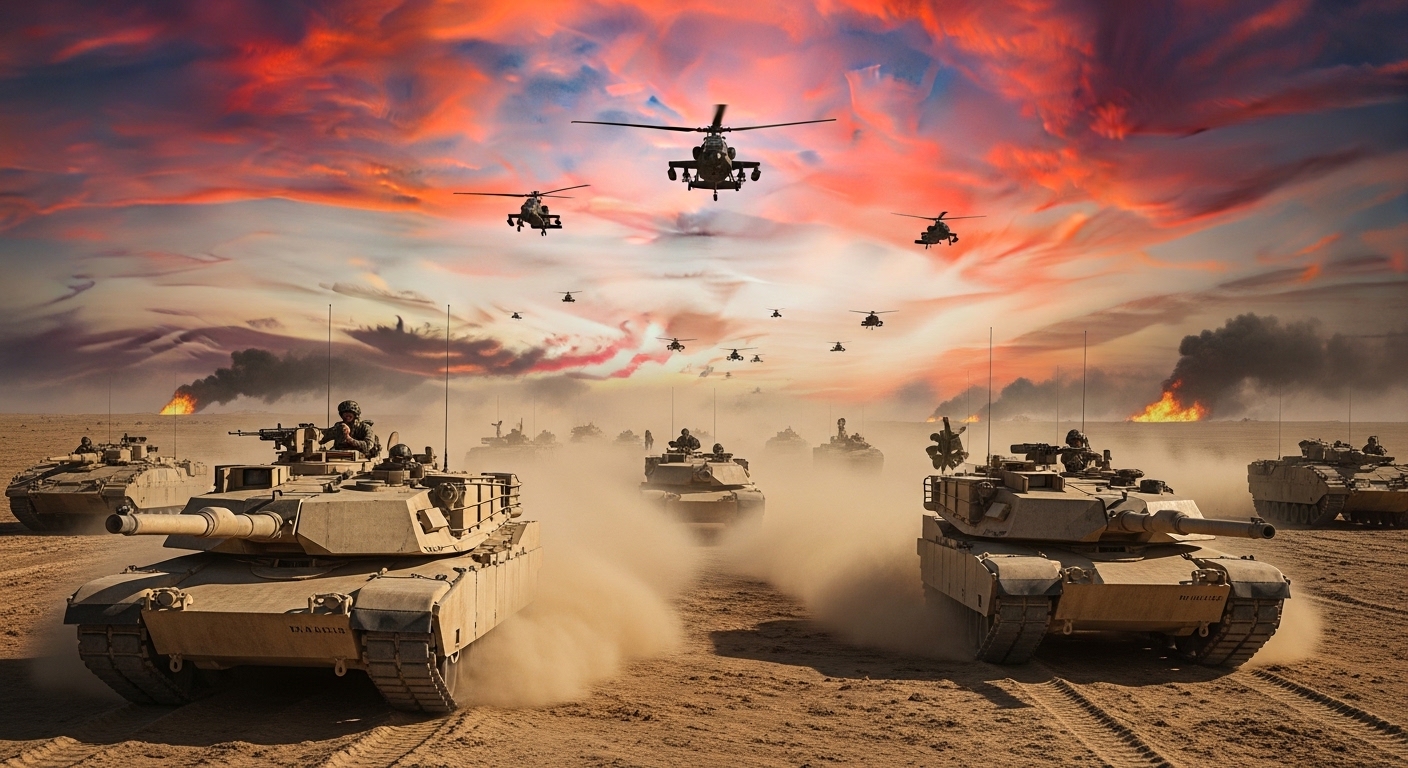
6. NATO Intervention in Bosnia (1995) The Bosnian War was marked by ethnic violence, mass killings, and humanitarian disasters. For years, diplomatic efforts struggled to stop the bloodshed. In 1995, NATO, led largely by American military capabilities, launched air strikes against Bosnian Serb forces. Combined with diplomatic negotiations, the pressure helped bring all sides to the negotiating table. The resulting Dayton Agreement ended one of Europe's deadliest conflicts since World War II and prevented further escalation throughout the Balkans.
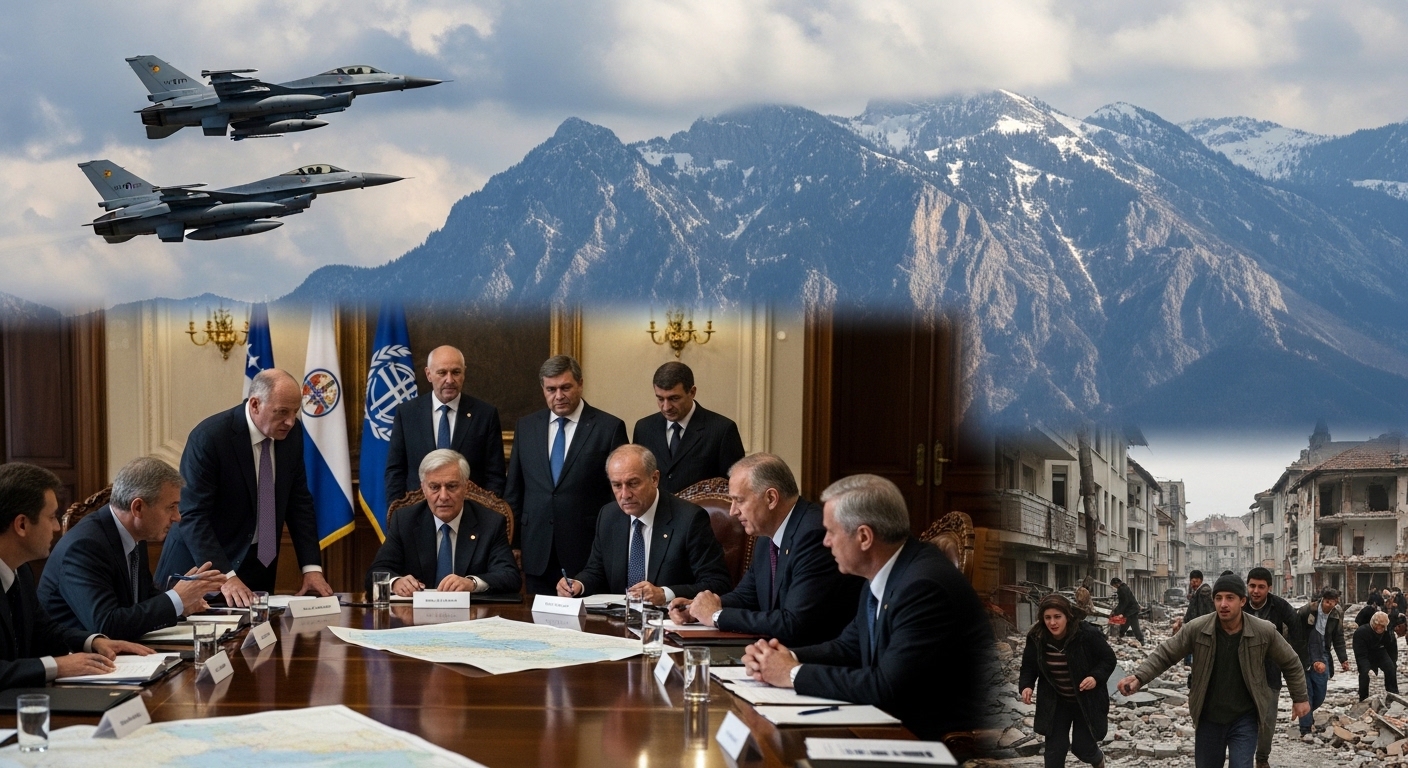
5. The Kosovo Crisis (1999) By the late 1990s, violence between Serbian forces and ethnic Albanians in Kosovo threatened to trigger wider instability across southeastern Europe. The United States supported NATO's intervention to halt the conflict. Although controversial, the campaign contributed to the withdrawal of Serbian forces and reduced the immediate risk of regional escalation. Many observers believe the intervention helped prevent another prolonged Balkan war.
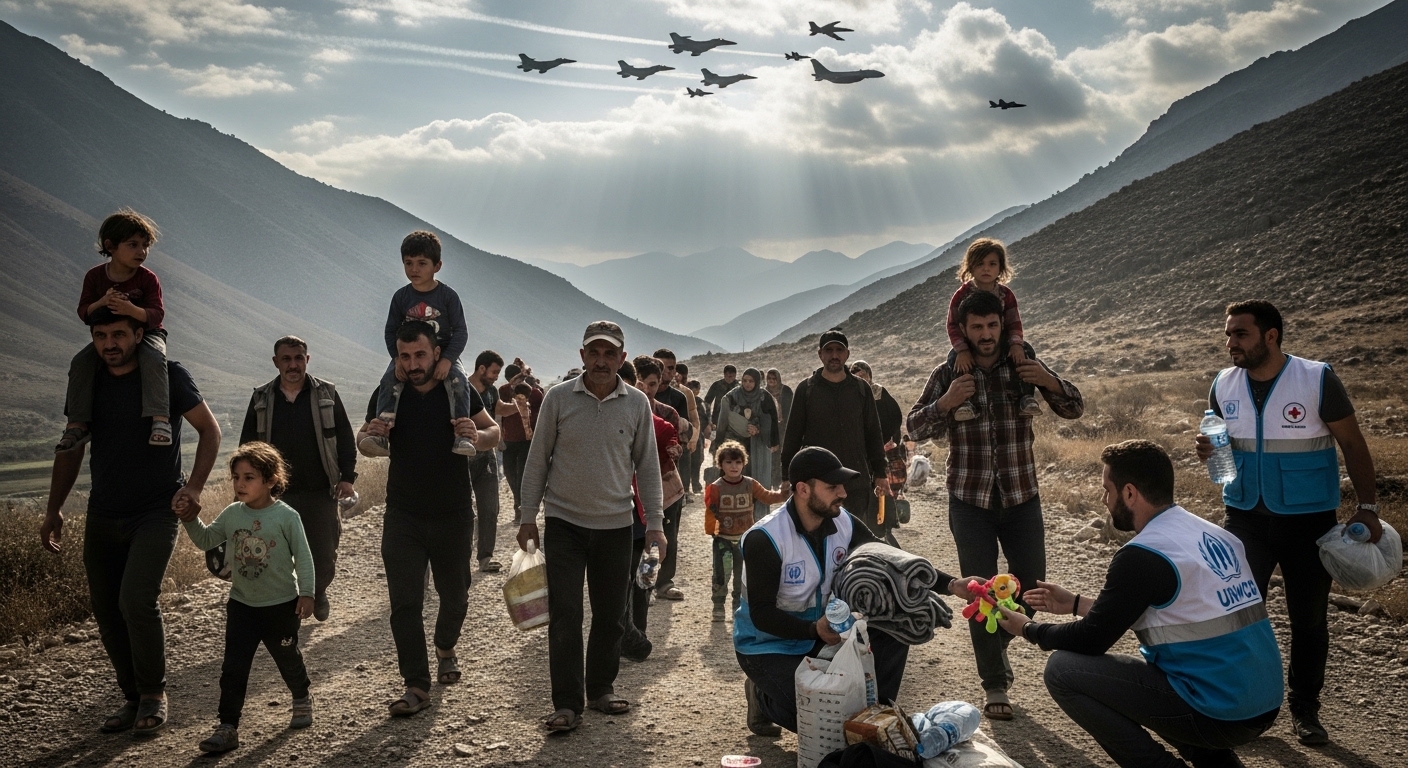
4. The First Taiwan Strait Crisis (1954–1955) During the early Cold War, tensions between Communist China and Taiwan raised fears of a larger war involving major powers. The United States pledged support for Taiwan and deployed military assets to the region. This show of commitment discouraged further escalation and helped stabilize the situation. The crisis ended without a major war, setting a precedent for deterrence in East Asia that continues to influence international relations today.
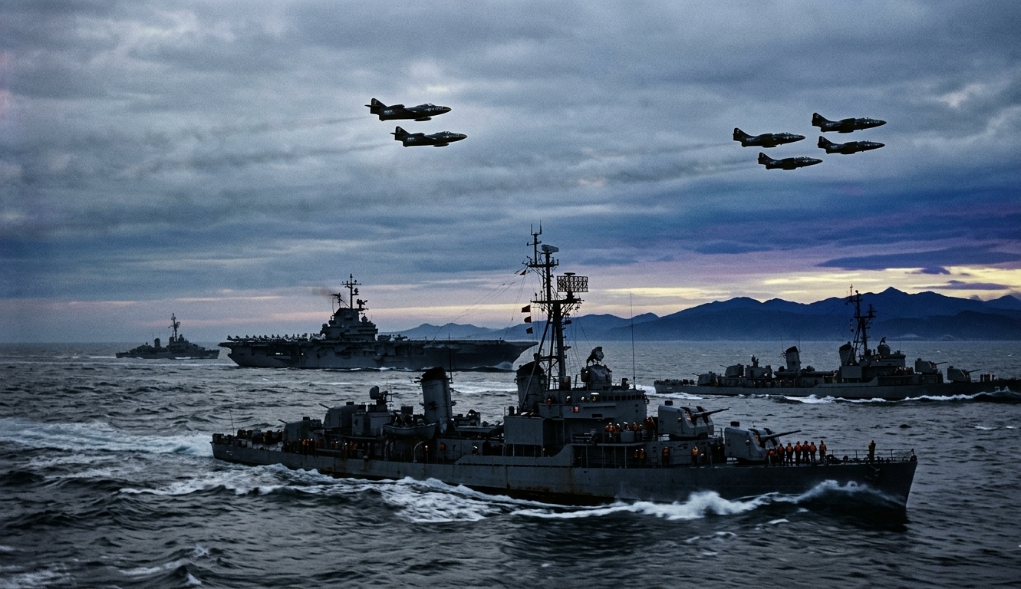
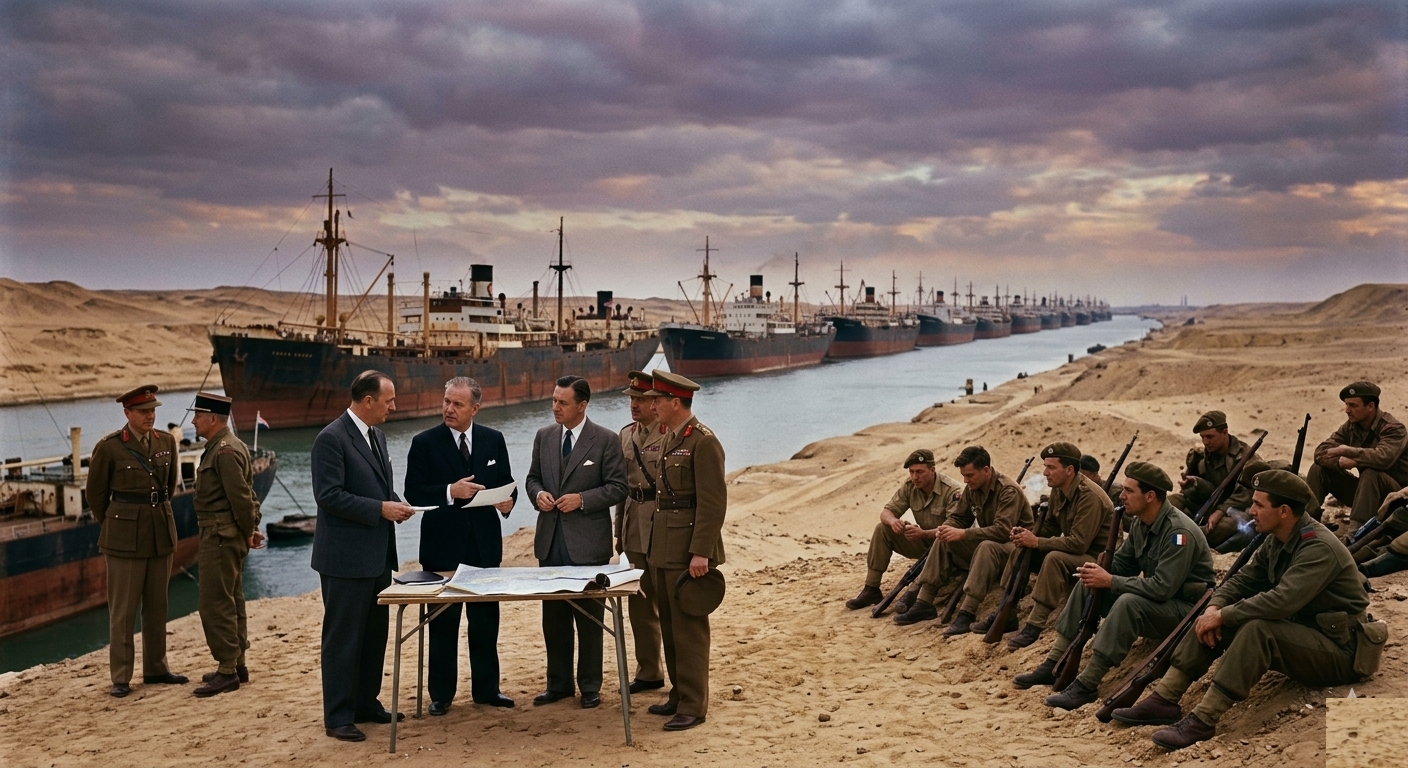
3. The Sinai Crisis and Peacekeeping Efforts (1956) The Suez Crisis erupted when Egypt nationalized the Suez Canal, prompting military action by Britain, France, and Israel. Rather than supporting its traditional allies unconditionally, the United States pushed for diplomatic solutions and international pressure to end the conflict. American efforts contributed to a ceasefire and helped establish one of the first large-scale United Nations peacekeeping operations. The crisis demonstrated the importance of diplomacy in preventing wider regional warfare.
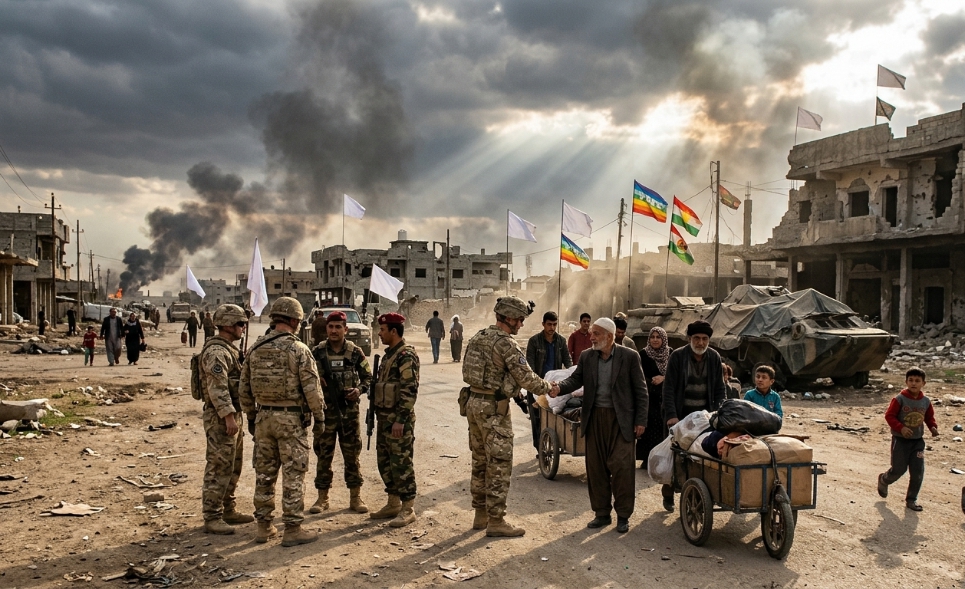
2. The Intervention Against ISIS (2014–Present) The rapid rise of ISIS threatened Iraq, Syria, and much of the Middle East. The group's territorial expansion, mass executions, and terrorist activities alarmed governments worldwide. The United States formed an international coalition that provided air support, intelligence, training, and logistical assistance to local forces. While challenges remain, the coalition helped dismantle ISIS's territorial control and prevented the extremist group from establishing a permanent state capable of destabilizing multiple countries.
1. The End of the Bosnian and Kosovo Conflicts The most significant example may be the combined American role in ending the wars of the former Yugoslavia. Throughout the 1990s, ethnic conflicts threatened to spread across the Balkans. Through diplomacy, military pressure, coalition-building, and peace negotiations, the United States played a central role in bringing the conflicts to an end. The Balkans remain complex, but the region avoided a much larger and longer war that could have drawn in neighboring nations and destabilized Europe for decades.

Final Thoughts The role of the United States in global conflicts has always been debated. Critics and supporters often disagree about whether specific interventions were justified or successful. Nevertheless, history shows that there have been moments when American diplomacy, military power, or international leadership helped prevent crises from becoming even larger catastrophes.
About the Creator
Enjoyed the story? Support the Creator.
Subscribe for free to receive all their stories in your feed.
Comments
There are no comments for this story
Be the first to respond and start the conversation.