
You Can’t Make Raven Baxter Green: A Statement on Raven-Symoné’s Blackness Problem by NWO Sparrow
Why her latest podcast comments aren't a slip, they're a philosophy.


From The Cosby Show to 'Colorless': Tracing Raven-Symoné's Identity Problem by NWO Sparrow
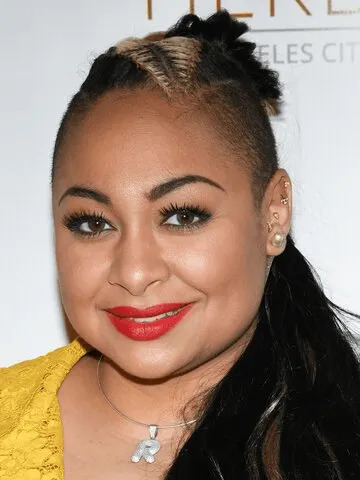
Let’s start with the facts, because this isn’t about feelings. This is about a pattern.
In April, during an episode of her podcast “Tea Time with Raven and Miranda,” Raven-Symoné sat next to her wife and guest Kalen Allen and questioned whether her own iconic character, Raven Baxter, was even Black. When Allen described the character as unmistakably Black, Symoné pushed back, asking him why the character felt that way to him. Her argument, stripped down, was that if you took away Raven Baxter’s skin color and made her green, the words and the story would still work the same. That’s not representation theory. That’s erasure with a bow on it.
And here’s the part that should stop us in our tracks. That’s So Raven wasn’t just “Black facing,” as Symoné put it. It was a show that dedicated entire episodes to racial profiling, colorism, and Black hair politics. It gave us a working class Black family in Victor and Tanya Baxter who owned a restaurant and raised their kids with the kind of specificity that only comes from lived experience. The show didn’t have to whisper its Blackness. It spoke it plainly, in front of millions of kids who had never seen themselves centered on Disney Channel before. Raven Baxter mattered because she was undeniably, specifically Black, not despite it.
This didn’t come out of nowhere. Back in 2015, while sitting on “The View,” Symoné said she wouldn’t hire someone if their name sounded a certain way, using the name “Watermelondrea” as her example during a segment about racial bias in hiring. She wrapped it in the language of being “discriminatory” instead of racist, as if renaming the behavior changed what it was. A Black woman, sitting on national television, drawing a line between herself and the names, cadences, and cultural markers that read as “too Black” for her comfort. She apologized for it later, calling it poor taste. But apologies don’t erase patterns. They just mark the timeline.
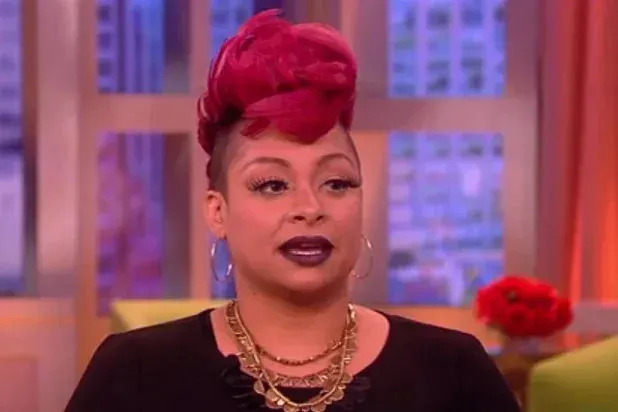
Now put those two moments side by side. A decade apart, same throughline. In one, she distances herself from names that sound too Black. In the other, she tries to strip the Blackness out of the very character that made her a household name. That’s not a coincidence. That’s an ideology, and it’s an old one. It’s the “no Black show is truly successful if it’s a Black show loved by Black people” mindset. The idea that Blackness has to be diluted, universalized, or made palatable to be considered valuable. Old Hollywood taught a generation of Black entertainers that crossover appeal required distance from the community that made them. Symoné came up in that machine, and it shows.
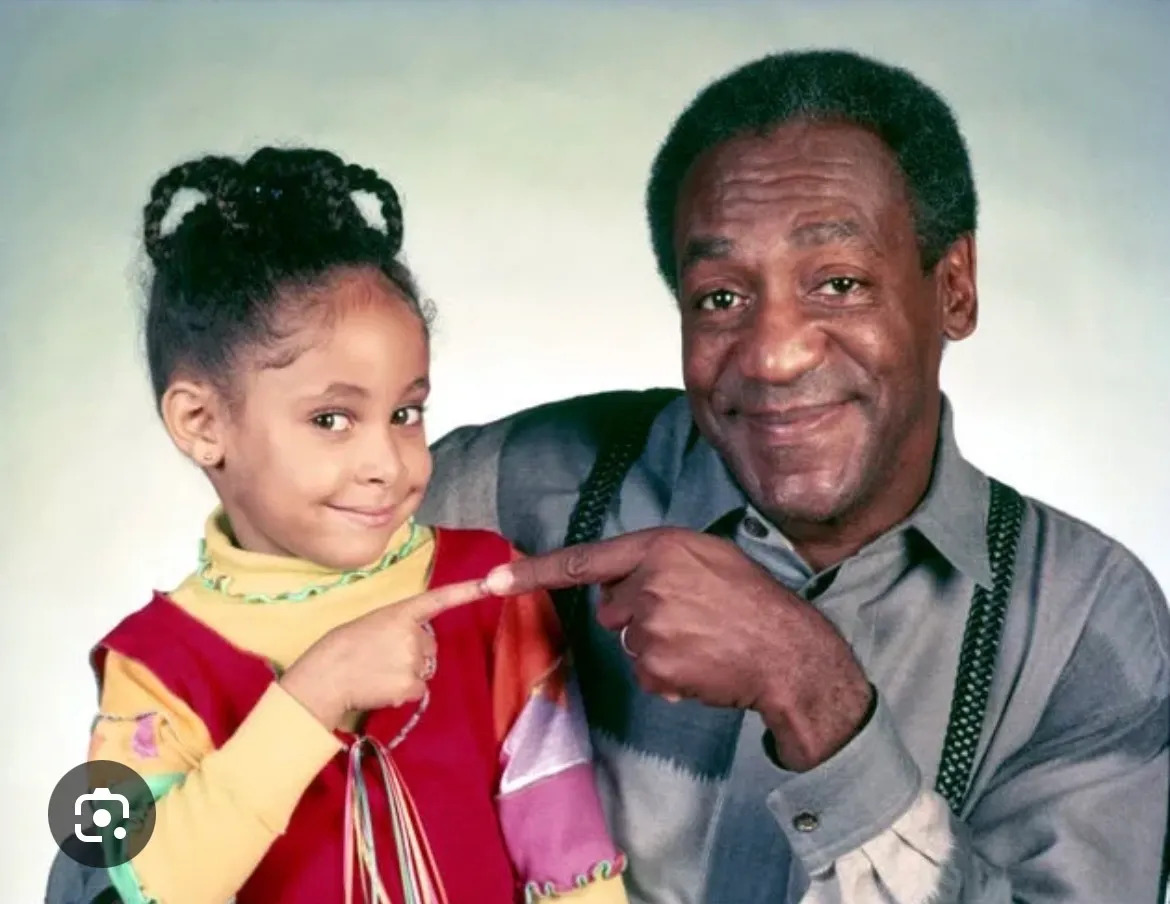
Here’s what makes this sting more than it would from anyone else. The Black community has claimed Raven-Symoné since she was a child actress on “The Cosby Show.” We watched her grow up on our screens. We celebrated her as one of our own, homegrown, from Atlanta, raised in a Black household, embraced in Black spaces long before Disney ever knew her name. That kind of communal ownership is not casual. It’s rooted in decades of Black audiences uplifting our own, especially in industries that historically shut us out. And what we’ve gotten back, repeatedly, is an entertainer who seems most comfortable when she’s putting daylight between herself and the very community that built her platform.
This isn’t about tone policing a Black woman for having complicated feelings about identity. Everybody’s relationship to race is their own to work through. But when the pattern is this consistent, and this public, calling it what it is isn’t an attack. It’s accountability. Raven Baxter was Black. That’s So Raven was a Black show. And no amount of rebranding, philosophizing, or “colorless” language changes the community that raised Raven-Symoné up and has every right to ask her why she keeps trying to walk away from it.
About the Creator
NWO SPARROW
NWO Sparrow — The New Voice of NYC
I cover hip-hop, WWE & entertainment with an edge. Urban journalist repping the culture. Writing for Medium.com & Vocal, bringing raw stories, real voices & NYC energy to every headline.
Enjoyed the story? Support the Creator.
Subscribe for free to receive all their stories in your feed.
Comments
There are no comments for this story
Be the first to respond and start the conversation.