
Why Oliver Tree Dead Rumors Keep Shocking Fans Online
The internet moves faster than emotions can process. One shocking headline, viral post, or confusing video can spread across social media within minutes and leave millions of people anxious before facts become clear.

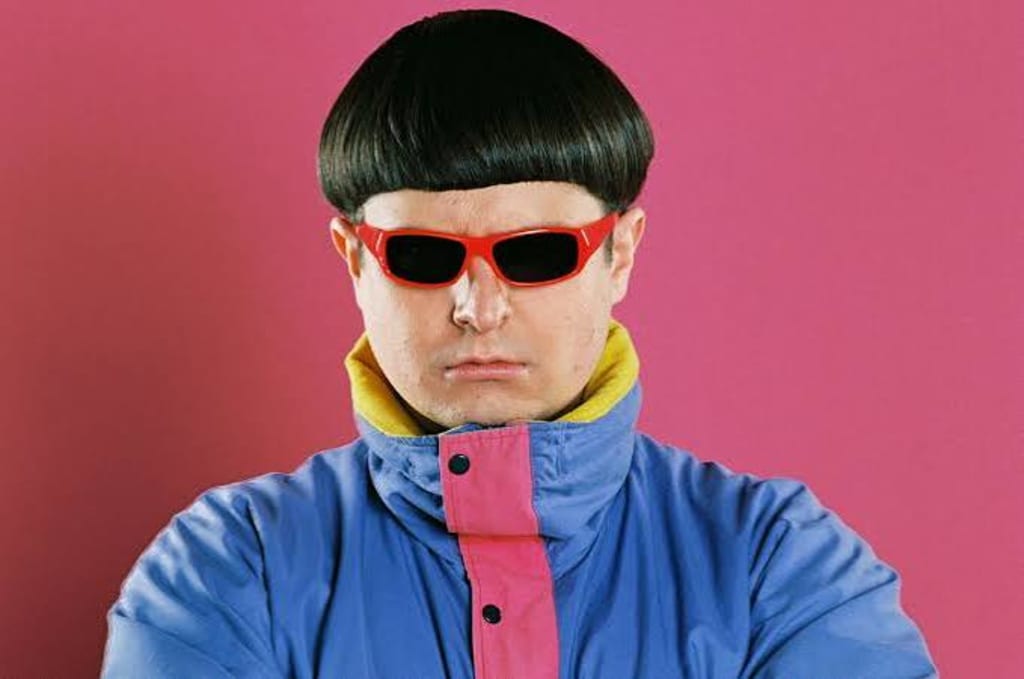
The internet moves faster than emotions can process. One shocking headline, viral post, or confusing video can spread across social media within minutes and leave millions of people anxious before facts become clear. Celebrity death rumors have become one of the most emotionally intense parts of online culture because fans feel personally connected to artists they follow closely. When those rumors appear suddenly, panic spreads quickly.
The phrase oliver tree dead has repeatedly appeared online, confusing fans and triggering emotional reactions across social media platforms. Some people search out of fear. Others search because they saw alarming posts without context. These moments reveal something important about modern internet culture: people form emotional bonds with artists even if they never meet them personally.
Who Is Oliver Tree?
Oliver Tree is an American singer, performer, filmmaker, and internet personality known for blending music, comedy, emotional storytelling, and absurd humor into a highly recognizable public image.
His bowl haircut, oversized clothing, dramatic internet persona, and emotionally chaotic style helped him stand out online quickly.
But behind the humor and exaggerated character performances, many fans connected emotionally with his music because it explored loneliness, frustration, heartbreak, identity, and emotional confusion in surprisingly honest ways.
Why Celebrity Death Rumors Spread So Quickly
Modern social media rewards emotional shock.
Posts that trigger fear, confusion, or outrage often spread faster than ordinary information.
Celebrity death rumors generate immediate emotional reactions because fans stop scrolling instantly when they see alarming headlines.
People react before verifying information.
Some repost content emotionally.
Others search for confirmation urgently.
This rapid emotional cycle helps rumors spread widely within hours.
The internet’s speed often overwhelms careful fact-checking.
Oliver Tree’s Internet Persona Creates Confusion
One reason oliver tree dead rumors repeatedly appear online is because Oliver Tree intentionally creates chaotic and unpredictable internet content.
His public persona often mixes satire, exaggerated emotional drama, fake retirements, absurd stunts, and intentionally confusing humor.
Fans sometimes struggle distinguishing jokes from serious announcements.
This confusion becomes amplified when clips or headlines spread without context.
People unfamiliar with his comedic style may misunderstand videos entirely.
Why Fans Feel Emotionally Attached to Artists
Music creates emotional intimacy in unusual ways.
Fans listen to songs during heartbreak, loneliness, anxiety, celebrations, or painful life periods.
Over time, artists become emotionally connected to personal memories.
Even without direct interaction, listeners feel familiarity and emotional closeness.
That emotional bond explains why celebrity death rumors affect fans so strongly.
The reaction is not only curiosity.
It often feels personal emotionally.
The Emotional Reality of Parasocial Relationships
Modern internet culture strengthened parasocial relationships dramatically.
A parasocial relationship happens when audiences feel emotionally connected to public figures they do not actually know personally.
Social media intensifies this effect because artists share daily thoughts, videos, livestreams, and emotional moments constantly.
Fans begin feeling emotionally invested in creators’ lives.
Oliver Tree’s unusual personality and emotionally expressive content strengthened this connection with many followers.
Why Shock Content Performs Well Online
Internet algorithms often reward emotional reactions.
Shocking headlines generate clicks quickly.
Fear spreads faster than calm explanation.
Celebrity death rumors therefore become highly effective attention traps online.
Some accounts intentionally spread false information simply to attract engagement.
Unfortunately, emotional panic often reaches audiences before corrections do.
This pattern repeatedly affects celebrities across music, film, sports, and internet culture.
Oliver Tree Built a Career Around Emotional Chaos
Oliver Tree’s artistic identity often revolves around emotional chaos intentionally.
His videos, interviews, and performances mix comedy with emotional discomfort.
He frequently exaggerates conflict, sadness, frustration, or absurdity for entertainment.
This style attracts audiences because it feels unpredictable and emotionally raw.
However, it also creates situations where fake news spreads more easily because fans expect unusual behavior from him already.
Why Younger Audiences React Strongly Online
Younger generations often experience celebrity culture differently than older audiences.
Social media creates constant exposure to artists’ personalities and emotional lives.
Fans watch livestreams, interviews, behind-the-scenes clips, and personal updates daily.
This constant exposure increases emotional attachment.
When rumors appear suddenly, younger audiences may react intensely because artists feel emotionally present in everyday life.
The Emotional Role of Music During Difficult Times
Many fans discover artists during emotionally vulnerable periods.
Certain songs become attached to depression, heartbreak, loneliness, anxiety, or emotional healing.
Oliver Tree’s music connected with listeners partly because it explored emotional instability honestly while still using humor and absurdity.
Fans who relied emotionally on his music naturally react strongly when frightening rumors appear online.
Why Internet Humor Sometimes Becomes Dangerous
Internet humor often relies on shock, irony, and confusion.
Unfortunately, fake death rumors sometimes become treated like jokes online even though they create real emotional distress for fans and families.
Repeated false rumors can also damage trust between audiences and online information generally.
This emotional exhaustion affects internet culture increasingly.
People struggle knowing what information feels real anymore.
Oliver Tree’s Character Blurs Reality Intentionally
Part of Oliver Tree’s popularity comes from how intentionally artificial and exaggerated his public image feels.
He often behaves like a fictional character version of himself rather than a traditional celebrity.
This artistic choice creates entertainment value but also confusion.
When dramatic headlines appear, audiences sometimes cannot immediately tell whether content is satire, promotion, or reality.
That confusion fuels search terms like oliver tree dead repeatedly online.
Why Fans Panic Before Checking Facts
Emotions move faster than logic online.
When people see alarming news involving someone emotionally important to them, panic often comes before verification.
Fans immediately message friends.
Search social media.
Refresh news pages repeatedly.
This emotional urgency spreads rumors further even when information remains unconfirmed.
The internet’s emotional speed creates powerful cycles of misinformation.
Social Media Rewards Emotional Extremes
Online platforms often amplify emotionally extreme content.
Calm, factual posts usually spread slower than shocking or emotional headlines.
Celebrity death rumors therefore gain visibility rapidly even without evidence.
This problem affects many public figures repeatedly.
Fans experience emotional whiplash moving between panic and relief once rumors get debunked.
Why Oliver Tree’s Fans Feel Protective
Many fans feel emotionally protective toward artists whose work helped them through difficult experiences.
Oliver Tree’s music often explored emotional alienation, frustration, loneliness, and mental exhaustion in ways listeners found relatable.
Humor softened these themes, but emotional honesty remained underneath.
Fans therefore respond strongly when rumors threaten someone they feel emotionally connected to.
The Emotional Exhaustion of Internet Misinformation
Constant misinformation online creates emotional fatigue.
People repeatedly experience panic, confusion, anger, and relief cycles through viral rumors.
Over time, audiences become emotionally drained by nonstop uncertainty.
Celebrity death hoaxes contribute to this exhaustion because they manipulate emotional attachment for attention.
Why Internet Fame Feels Different Today
Modern internet fame differs from older celebrity culture significantly.
Artists today maintain constant online visibility.
Fans expect regular updates and emotional access.
This closeness increases emotional reactions during crises or rumors.
Oliver Tree’s online presence especially feels personal and unpredictable, making audiences highly reactive whenever concerning information spreads.
Music and Identity Connection
Fans often connect personal identity with artists emotionally.
Music becomes part of self-expression, emotional memory, and social belonging.
Certain songs define life periods emotionally.
When rumors appear involving artists tied closely to personal identity, reactions become more intense because people feel emotionally connected beyond entertainment alone.
Why Fake Death News Feels So Disturbing
Death rumors create emotional fear because mortality itself feels deeply unsettling.
People suddenly imagine loss unexpectedly.
Fans remember concerts, songs, videos, or emotional memories attached to artists instantly.
Even temporary confusion can feel emotionally overwhelming.
This explains why false celebrity death rumors often trigger such powerful online reactions.
Oliver Tree’s Humor Often Uses Emotional Discomfort
Oliver Tree’s comedy style frequently relies on awkwardness, emotional tension, exaggeration, and unpredictability.
This approach makes his content memorable but also confusing at times.
Audiences expect absurd situations from him already.
As a result, dramatic rumors sometimes appear believable temporarily even when false.
Why Online Communities React Collectively
Fan communities operate emotionally together online.
When alarming rumors appear, reactions spread communally.
Fans comfort one another.
Share updates.
Search for confirmation.
Argue about evidence.
This collective emotional response strengthens the visibility of rumors across platforms.
Celebrity Death Rumors Are Not New
False celebrity death rumors existed long before social media.
However, internet speed changed the scale dramatically.
Decades ago, misinformation spread slower through tabloids or word of mouth.
Now millions see alarming headlines instantly.
Corrections often arrive later after emotional panic already spreads widely.
Why Emotional Authenticity Matters to Fans
Despite his absurd humor, many fans appreciate Oliver Tree because emotional sincerity exists beneath the comedy.
Songs often reveal vulnerability hidden under exaggerated presentation.
Listeners recognize emotional honesty even within bizarre artistic styles.
This authenticity strengthens emotional attachment between artist and audience.
The Emotional Impact of Viral Panic
Viral panic affects emotional well-being even temporarily.
Fans may feel genuine grief or fear before learning rumors are false.
These emotional reactions remain real regardless of misinformation.
This reality explains why repeated death hoaxes can feel emotionally harmful rather than harmless internet jokes.
Why Audiences Continue Searching the Rumor
Search terms like oliver tree dead continue appearing because internet rumors leave lingering confusion.
Some people discover older posts without context.
Others encounter edited videos or misleading headlines later.
Internet misinformation often survives long after being disproven.
Search behavior reflects ongoing emotional uncertainty.
Oliver Tree Represents Modern Internet Celebrity Culture
Oliver Tree’s career reflects many aspects of modern online celebrity culture.
Performance and authenticity blur together.
Humor mixes with emotional vulnerability.
Internet personas evolve constantly.
Fans interact directly through social media.
These conditions create powerful emotional connections but also greater confusion during viral rumor cycles.
The Emotional Relationship Between Fans and Artists
Fans often underestimate how emotionally meaningful artists become over time.
Music accompanies life experiences quietly.
People attach songs to relationships, heartbreak, loneliness, healing, and identity formation.
Artists therefore occupy emotional spaces much deeper than entertainment alone.
That emotional closeness explains why false rumors spread such intense reactions online.
Why Verification Matters More Than Ever
Modern internet culture requires emotional patience before reacting to shocking headlines.
False information spreads rapidly because people react emotionally before checking reliable sources.
Celebrity rumors reveal how vulnerable online audiences remain to manipulation driven by fear and confusion.
Learning to pause before believing viral claims becomes increasingly important emotionally and socially.
Conclusion
The repeated spread of oliver tree dead rumors reflects more than internet confusion alone.
It reveals how emotionally connected audiences become to artists through music, humor, social media, and shared emotional experiences.
Oliver Tree built a career around emotional unpredictability, absurd comedy, and vulnerable storytelling, which naturally creates confusion when dramatic rumors appear online.
But beneath the viral headlines and internet chaos lies something deeply human.
Fans care because music matters emotionally.
About the Creator
Muqadas khan
Hi! Welcome to my Vocal page. I’ll be sharing fresh articles every day covering stories, ideas, and a bit of inspiration to brighten your feed. Thanks for reading and supporting daily writing! 📖💫
Enjoyed the story? Support the Creator.
Subscribe for free to receive all their stories in your feed.
Comments
There are no comments for this story
Be the first to respond and start the conversation.