
The Trap We Build Ourselves
The most terrifying monsters are not hidden in haunted houses or ancient catacombs—they live within our own ambition, arrogance, and refusal to see the truth.

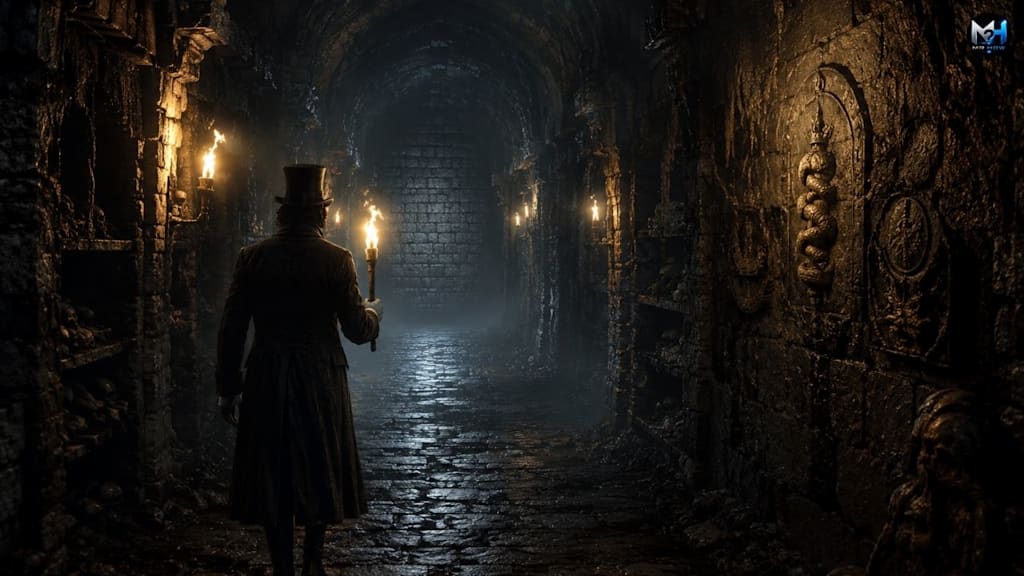
The most terrifying horror stories are not always about ghosts, monsters, or supernatural curses. Sometimes the greatest horror comes from something far more familiar: human nature itself.
Many of the most enduring tales of terror share a common thread. A character believes they are smarter than everyone around them. They trust their judgment completely. Warnings are ignored, risks are underestimated, and danger is dismissed as impossible. By the time they recognize the truth, it is already too late.
This is the horror of pride.
Unlike physical threats, pride is invisible. It doesn't announce itself with a scream in the night or a shadow in the corner of the room. Instead, it quietly convinces people that they are in control. It whispers that they know better than others. It encourages them to take one more step forward, even when every instinct should tell them to turn back.
That is what makes pride such a powerful force in horror fiction.
Readers often find themselves watching a character walk directly toward disaster. The signs are obvious. The danger is clear. Yet the character continues moving forward because their confidence blinds them. The audience sees the trap long before the victim does, creating a feeling of dread that grows stronger with every passing page.
Psychological horror thrives on this tension.
A haunted house can be escaped. A monster can be fought. A curse can potentially be broken. But what happens when the enemy exists inside the victim's own mind?
That question lies at the heart of many unforgettable stories.
The most effective psychological horror does not rely on jump scares or graphic violence. Instead, it explores how ordinary human weaknesses can become pathways to destruction. Pride, greed, jealousy, obsession, and revenge are transformed into invisible monsters that consume people from within.
Consider how often people ignore warning signs in real life. Investors become convinced they cannot lose money. Leaders refuse to listen to advice. Experts assume they are incapable of making mistakes. History is filled with examples of intelligent individuals whose confidence became their downfall.
Horror fiction exaggerates this reality, but the underlying truth remains familiar.
Perhaps that is why these stories continue to resonate with readers centuries after they were written.
Ancient civilizations understood the danger of excessive pride. Greek mythology is filled with heroes who challenged fate, only to discover that their confidence had led them to ruin. The concept of hubris—dangerous overconfidence—appears repeatedly throughout classical literature.
Shakespeare embraced similar themes in his tragedies. Characters often possessed admirable qualities, but a single flaw pushed them toward destruction. Their downfall was not caused entirely by external forces. Instead, it emerged from choices they willingly made.
Modern horror has inherited this tradition.
Today's psychological horror stories frequently focus on characters trapped by their own decisions. A detective becomes obsessed with solving a mystery. A scientist pushes an experiment too far. A writer loses touch with reality while pursuing perfection. In each case, the horror develops gradually as the character's flaw tightens around them like a noose.
What makes these narratives especially disturbing is their sense of inevitability.
The audience often understands what is happening before the character does. Every decision becomes painful to witness because readers know where the path leads. The victim believes they are moving toward success, knowledge, or satisfaction when they are actually moving toward disaster.
This creates a unique form of suspense.
Instead of wondering whether something terrible will happen, readers wonder when the character will finally realize the truth. The horror comes from watching someone remain blind to the danger that surrounds them.
Another reason these stories endure is that they reflect genuine human fears.
Most people do not worry about encountering vampires or ghosts. However, many people fear making a terrible mistake. They fear trusting the wrong person. They fear allowing ambition or pride to cloud their judgment. Psychological horror taps into these anxieties by presenting situations that feel emotionally believable, even when the circumstances themselves are fictional.
The result is a deeper and more personal form of fear.
A monster may frighten us temporarily, but a story about self-destruction lingers in the mind. Readers begin to examine their own choices and assumptions. They ask themselves whether they would recognize danger in similar circumstances. They wonder if they, too, could be fooled by their own confidence.
These questions transform horror from simple entertainment into something more profound.
At its best, psychological horror acts as a mirror. It reflects aspects of human behavior that people would rather ignore. It exposes weaknesses that exist within everyone. It reminds us that intelligence does not guarantee wisdom and that confidence does not guarantee safety.
The darkness in these stories is rarely found in abandoned buildings or hidden catacombs.
It exists within the human heart.
That realization may be the most frightening lesson horror has to offer. The greatest threats are not always lurking outside, waiting to attack. Sometimes they are already with us, disguised as certainty, pride, or ambition.
And by the time we recognize them for what they truly are, the door behind us may have already closed.
That is why stories of pride and doom remain timeless. They reveal a truth that transcends generations: the path to destruction is often not forced upon us. More often, we walk it willingly, convinced that we know exactly where we are going.
Only at the end do we discover that the darkness was guiding us all along.
About the Creator
Enjoyed the story? Support the Creator.
Subscribe for free to receive all their stories in your feed.
Comments
There are no comments for this story
Be the first to respond and start the conversation.