
The Strait of Hormuz Is Currently Open, But Only for Certain Countries
Strait Of Hormuz

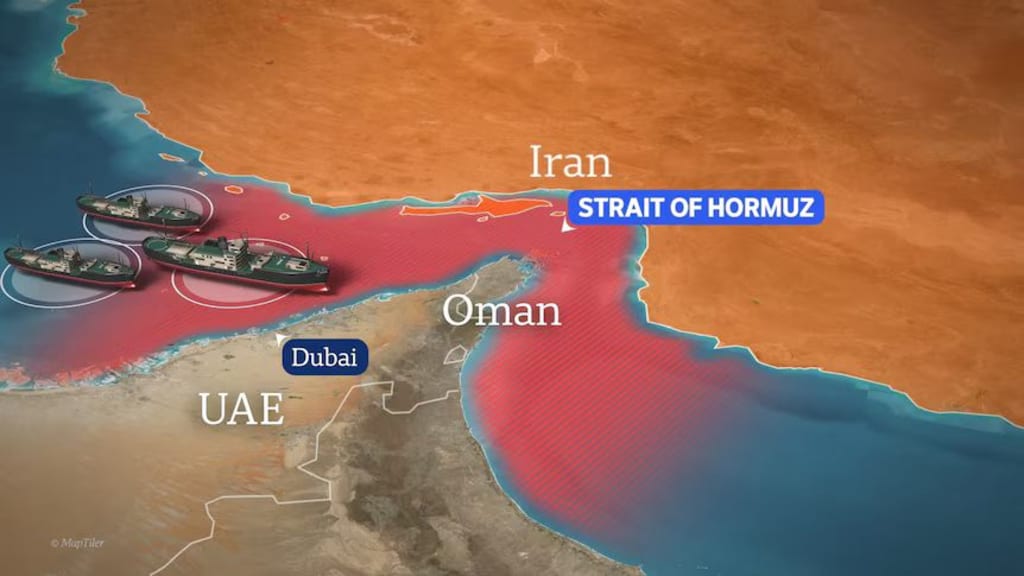
The Strait of Hormuz has once again become the center of global attention, not because it is fully closed, but because it is only partially open—and selectively so. In 2026, amid rising tensions between Iran, the United States, and their allies, this crucial maritime passage is operating under strict control rather than normal international access.
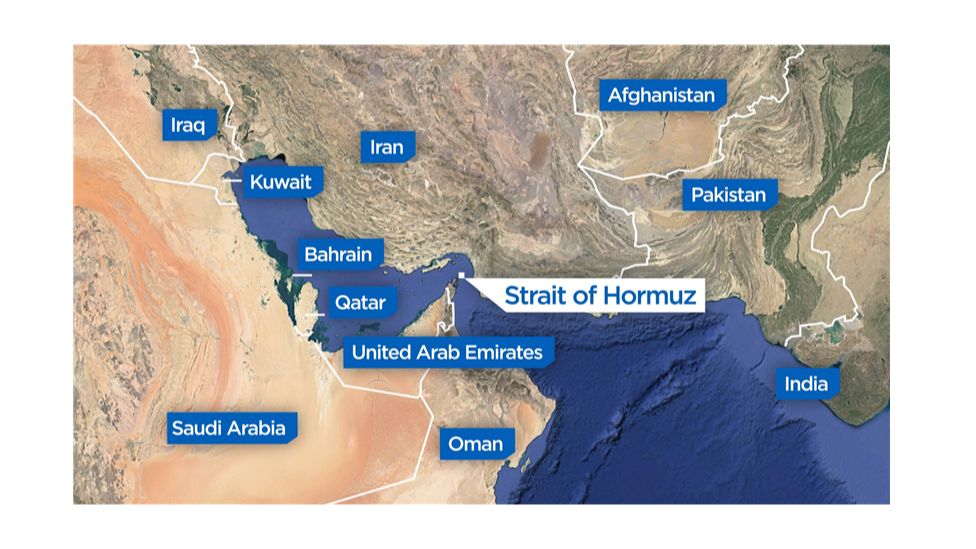
Stretching between the Persian Gulf and the Gulf of Oman, the Strait of Hormuz is one of the most important trade routes in the world. Nearly 20% of global oil shipments pass through it. However, since the outbreak of conflict earlier this year, the strait has been heavily restricted, causing major disruptions in global energy markets and international trade.
Is the Strait Really Open?
Technically, Iran claims that the Strait of Hormuz is “open.” However, this statement comes with significant conditions. Iranian officials have clearly stated that the passage is not open to all countries equally. Instead, it is restricted based on political and strategic alignments.
According to recent reports, Iran has declared that the strait is closed to vessels linked to the United States and Israel, as well as their allies. �
This means that ships associated with these countries are either denied entry or face serious threats if they attempt to pass.
Jerusalem Post +1
Which Countries Can Use the Strait?
While restrictions remain in place, Iran has allowed limited access to certain countries. These typically include nations that are either neutral or maintain relatively stable relations with Tehran.
Countries whose ships have reportedly been allowed or considered for passage include:
- China
- India
- Pakistan
- Turkey
- Possibly Japan (under negotiation)
These vessels often require prior approval and must follow designated “safe corridors” monitored by Iranian forces. �
Al Jazeera +1
However, even for these countries, access is not fully guaranteed. Ships must comply with strict conditions, and in many cases, pay high transit fees or tolls imposed by Iranian authorities.
Why Is It Not Fully Open?
Despite claims of partial reopening, the Strait of Hormuz remains effectively restricted for several reasons:
Security Risks: Naval tensions and threats of military confrontation continue.
Sea Mines: Reports indicate that mines placed during the conflict have not been fully cleared.
Political Leverage: Iran is using the strait as a strategic tool in negotiations.
Economic Pressure: High insurance costs and transit fees discourage shipping companies.
As a result, most global shipping companies are still avoiding the route. In fact, daily ship traffic has dropped dramatically compared to pre-conflict levels. �
- Barron's
- Reality vs. Official Claims
- The current situation can be summarized in a simple but powerful way:
- Officially: The Strait of Hormuz is open
Practically: It is tightly controlled and only accessible to selected countries
Even though a few ships have recently passed through, this is far from normal operations. Many vessels remain stranded, and global markets continue to feel the impact. �
Reuters
Global Impact
The restricted access to the Strait of Hormuz has far-reaching consequences:
- Oil prices have surged due to reduced supply routes
- Energy-importing countries face economic pressure
- Global trade routes are being rerouted, increasing costs and delays
- Because of its strategic importance, even partial disruption in the strait affects economies worldwide.
Conclusion
The Strait of Hormuz is not completely closed—but it is far from fully open. Instead, it operates under a system of selective access controlled by Iran. Countries that maintain neutral or cooperative relations are allowed limited passage, while others, particularly the United States and Israel, are effectively blocked.
In simple terms, the strait today is “open in theory, restricted in reality.” Until geopolitical tensions ease and security conditions improve, full and free navigation through this vital waterway remains uncertain.
About the Creator
shaoor afridi
“I am a passionate writer dedicated to sharing informative, engaging, and well-researched articles. My goal is to provide valuable content that educates, inspires, and adds real value to readers.”
Enjoyed the story? Support the Creator.
Subscribe for free to receive all their stories in your feed.
Comments
There are no comments for this story
Be the first to respond and start the conversation.