
The Social Reckoning: Movie Review
a reminder of what we already know
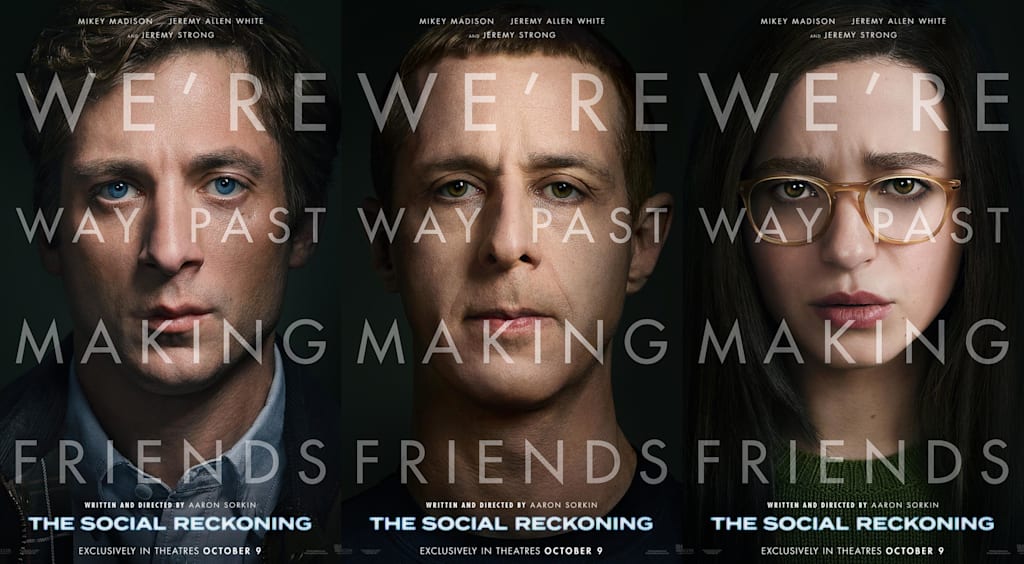
If you haven't seen The Social Network, it's genuinely hard to put into words just how incredible a movie it is. It's one of the defining films of the 2010s, and even now, more than a decade after its release, it hasn't lost any of what made it so great in the first place. If anything, it's a film that seems to get better with time. It tells the story of how Mark Zuckerberg became the youngest billionaire in history through the creation of Facebook, as well as the business partners who eventually took him to court over it.
In the sixteen years since the film's release, public opinion of Mark Zuckerberg has shifted considerably, with the Meta CEO becoming increasingly controversial and losing much of the respect he once had. Given how much his reputation has changed over the years, it seems only fitting that the sequel focuses on the 2021 Facebook leak, which exposed the company's internal practices and brought renewed scrutiny to Zuckerberg and the platform he built.
The Social Reckoning had really big shoes to fill, and comparisons to The Social Network were always inevitable, especially with David Fincher not returning to direct. Instead, Aaron Sorkin, who wrote the first film and won an Oscar for Best Adapted Screenplay for his work on it, took on the role of both writer and director this time around.
So, did the movie live up to its expectations?
Yes and no.
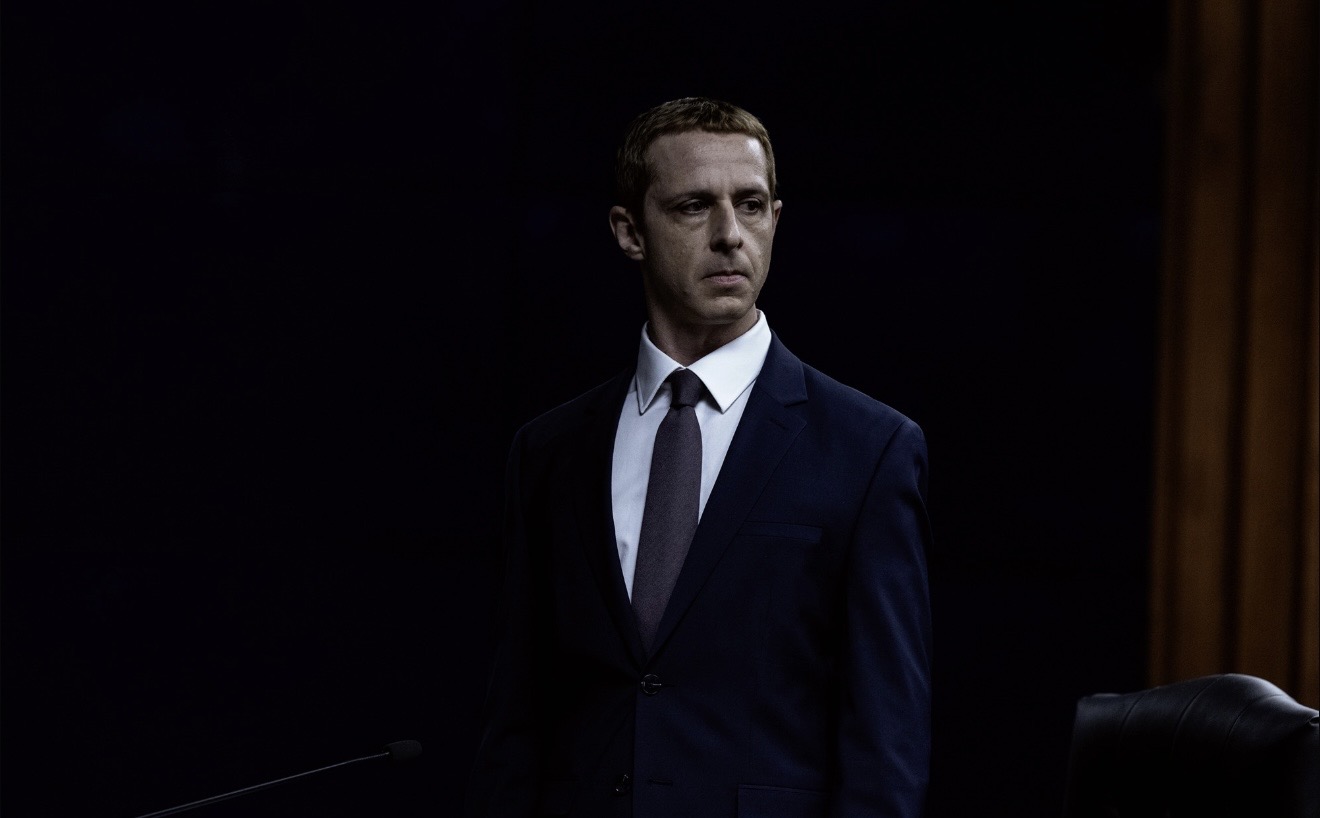
The Social Reckoning has opened to lukewarm reviews and a disappointing box office start. Most critics seem to agree that it's an unremarkable film that lacks the substance and standout moments that made the original so memorable. But to what extent is the backlash driven by comparisons to its predecessor? Quite possibly, a significant amount. Even so, reviews from those approaching the sequel on its own merits have been largely unfavourable, suggesting that the criticism extends beyond the shadow of the first film.
Personally, I really enjoyed it.
Sure, it doesn't hold a candle to The Social Network, but I don't think it's necessarily trying to, either.
The story is interesting enough in its own right to keep you engaged and invested throughout the entire runtime. Based on the 2021 Facebook leaks, the film dramatises the events surrounding Frances Haugen, the former Facebook employee who leaked thousands of internal documents revealing that the company was aware of the harm its platforms could cause, yet failed to adequately address many of these issues. Her actions sparked widespread controversy and put Facebook under intense public and political scrutiny.

Mikey Madison takes on the role of Frances, marking her first film role since winning the Oscar for Best Actress. Even though she lacks the physical resemblance to the real Frances, she delivers a convincing performance, doing a good job of portraying the internal conflict she faced when deciding whether to do the right thing at the risk of jeopardising her career and livelihood. Opposite her, Jeremy Allen White plays Jeff Horwitz, the investigative technology reporter and former Wall Street Journal journalist who partnered with Frances to expose Facebook, publishing a series of reports known as The Facebook Files. Horwitz would later go on to write Broken Code: Inside Facebook and the Fight to Expose Its Toxic Secrets, the book that the film is based on.
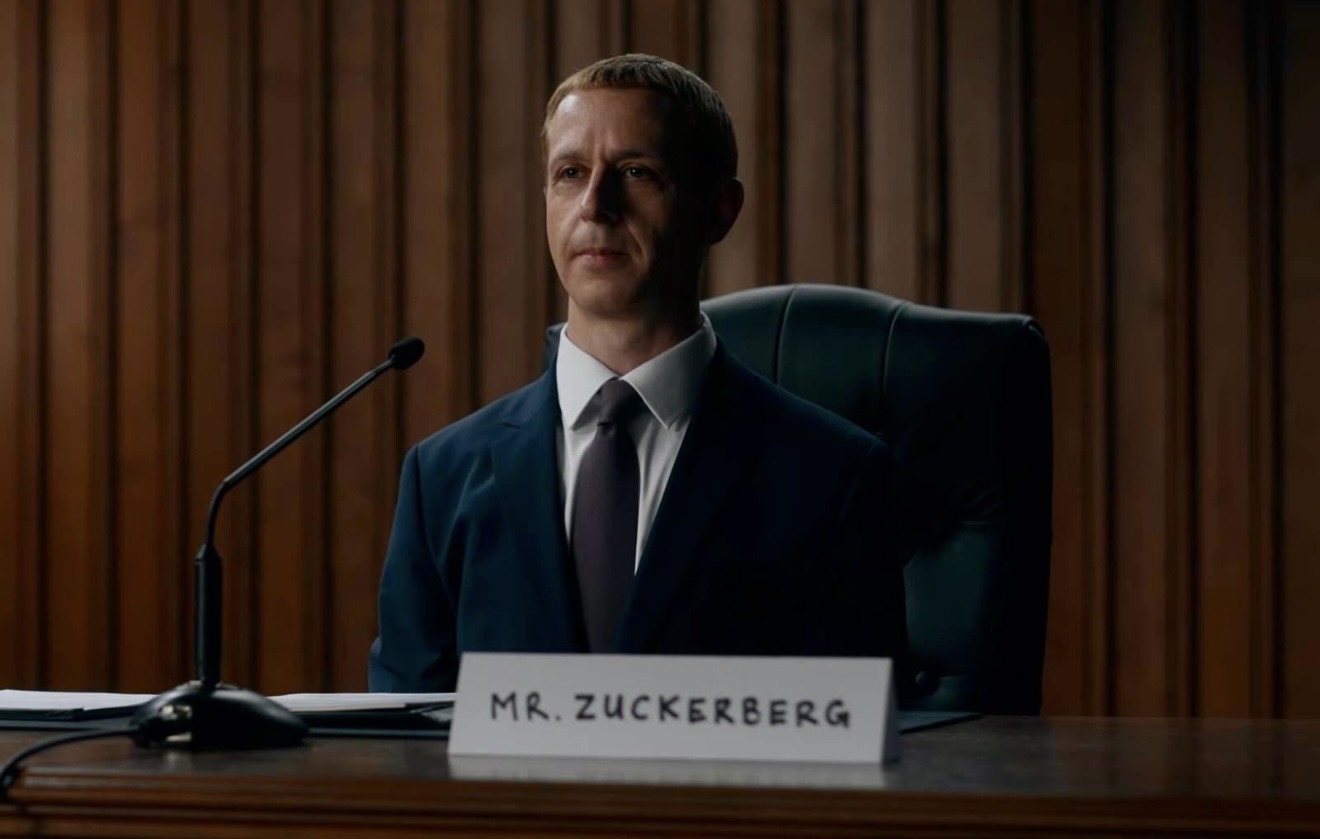
But for me, the real standout of the movie is Jeremy Strong. And how could he not be, when he gets to take on a character like Mark Zuckerberg?
His portrayal is very different from Jesse Eisenberg's in The Social Network, which can only be a good thing. For one, the last thing we would have wanted is for Strong's take on the character to feel like a copy of Eisenberg's, rather than something that feels distinct and entirely his own. More importantly, the two actors are portraying Zuckerberg at very different stages of his life. In The Social Network, we see a young, cocky and somewhat inexperienced version of Mark, still in the early stages of building his empire. In The Social Reckoning, however, Strong portrays a much older Zuckerberg, now a married man with children who has spent years at the top. His success and the power that comes with it have only made him colder, harsher and more ruthless over time.
Every scene with Jeremy Strong ended up being a personal favourite of mine. While I was still invested in Frances and Jeff's story and enjoyed seeing how it all unfolded, I couldn't help but find myself looking forward to the moments when the film shifted its focus back to Zuckerberg.
One sentiment I've seen quite a lot online, particularly from those who weren't big fans of the movie, is the question of whether we really needed it in the first place. We already know how damaging social media can be and how controversial Mark Zuckerberg is, so what exactly does The Social Reckoning bring to the table that we didn't already know?
I would argue that we absolutely did need it. Sure, much of the information presented may already be common knowledge, but that doesn't make it any less important, especially when it's one of the most relevant and pressing issues we're facing today. If you spend any amount of time on social media, you'll know just how radically people have been influenced by it, how easily people are drawn into extreme views, and just how much damage these platforms have caused and continue to cause every single day. We're all aware of the problems, we've seen the consequences, and yet nothing seems to be getting better. If anything, things are becoming much, much worse.
The Social Reckoning is kind of movie that makes you stop and think, perhaps even more than you would have before watching it. So, despite the lukewarm reviews, I wouldn't let the critics put you off giving this one a watch on the big screen. It's a story worth hearing, especially when the issues it explores are only becoming more relevant with time.
About the Creator
Enjoyed the story? Support the Creator.
Subscribe for free to receive all their stories in your feed.
Comments
There are no comments for this story
Be the first to respond and start the conversation.