literature
Geek literature from the New York Times or the recesses of online. Our favorite stories showcase geeks.
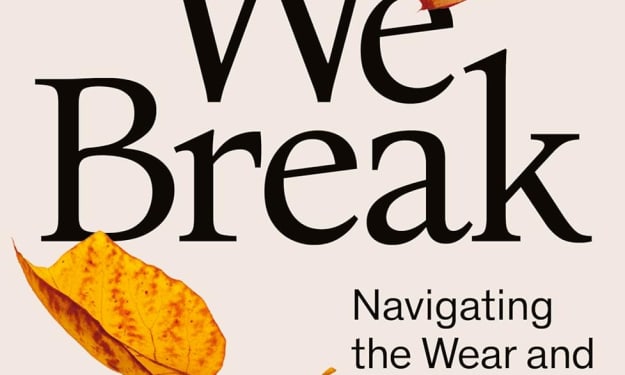
Book Review: "How We Break" by Vincent Deary
I spent a while thinking about whether I actually wanted to read this. I usually get Penguin Nonfiction texts as ebooks because they work out cheaper and yet, I still had to think it over. Well, this is one of the situations where I am glad that I did actually read it because it turned out to be just what I needed right now. My mental health is in the gutter, my lifestyle choices have not been wise and I'm even on medication - so here we are. Here we are, about the dive into the book How We Break by Vincent Deary. Thankfully, this doesn't feel like an 'instagram positive vibes' book. Instead, there's a lot of science here.
By Annie Kapur2 years ago in Geeks
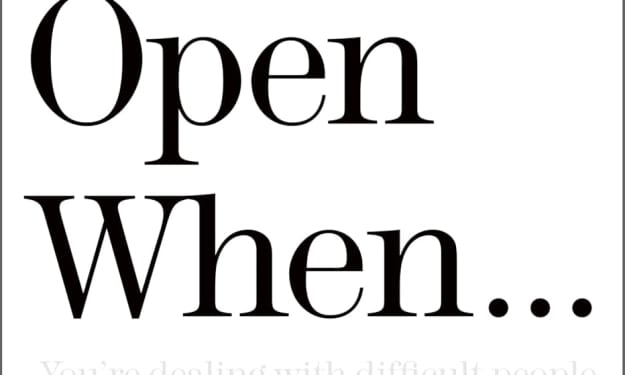
Book Review: "Open When" by Dr Julie Smith
I think that this book was recommended to me by someone but I don't remember who. If we put it into context, there's a whole thing about people recommending people self-help books when they know you well enough to do so. I think I have been recommended Atomic Habits more times than I can count and yet, I have no intention of reading it. For me, there is a fine line between self-help that actually works and self-help that comes off as taken straight from a 'positive affirmations' Instagram post. Unfortunately, this book by Dr Julie Smith toes that line and toes it carefully - sometimes it does fall into the latter and so, you know it isn't going to get the full marks from me.
By Annie Kapur2 years ago in Geeks
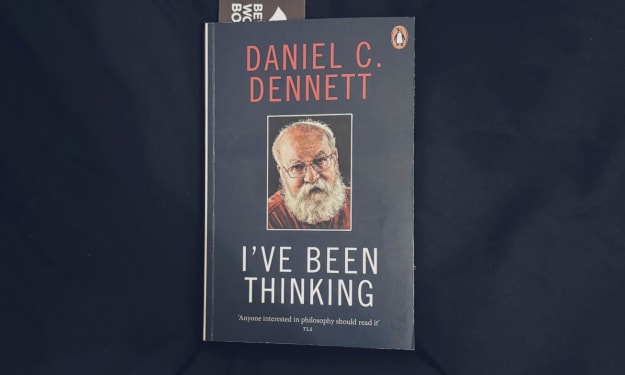
Book Review: "I've Been Thinking" by Daniel C. Dennett
As you know, I've been living in Nottingham for a few months now and it's February, but I still haven't made any friends. This means that more often than not, I have stayed in my apartment when not at work because I have quite literally nowhere I need to go. After my mental health going into the gutter I decided to book a doctor's appointment (yes, it's become that bad) and until the time for it came, I wandered around the streets of the city centre. This is where the independent bookshop Five Leaves comes in. I had been meaning to visit for a while but couldn't find the time or reason to go. Now, with both at hand, I picked up a couple of books and this was one of them. At the Caffé Nero the next day - I sat and read most of the book, much to the surprise of some unusual on-lookers who, everytime I lifted by head, would give me a strange glance as if they'd never seen anyone read in a cafe before. But here we are...
By Annie Kapur2 years ago in Geeks
"Spurn Fate, Scorn Death"
Background and Context: If I've said it once, I've said it a million times - most of the readings for these essays come from things I did on my degree. Please, try to read the secondary sources if you're interested. There's a lot of great stuff in there! (If you want to be pointed in the direction of which are the best then please, do not hesitate to get into contact. I love sharing this stuff about Shakespeare).
By Annie Kapur2 years ago in Geeks
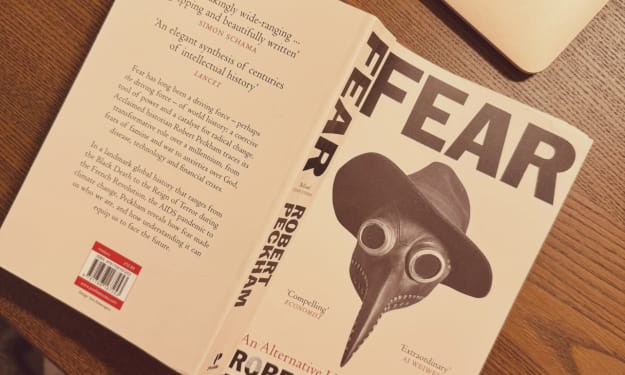
Book Review: "Fear" by Robert Peckham
I feel like there are a lot of deals on used books at the moment and this was one of them. I love books that re-examine our lives and times, our histories and the way we have been told certain narratives. This book, entitled Fear: An Alternative History of the World examines our relationship with fear through terrifyingly bad events such as the plague and the AIDS crisis. What drew me to the book was not only that, but the cover which features a plague doctor's mask topped off with a strange looking 1950s gangster-style hat. A lengthy book with big black lettering for its title, I was sure that this book could not possibly disappoint. And it did not. Let's have a look at the points I found most interesting and most shocking...
By Annie Kapur2 years ago in Geeks
Book Review: "James and John" by Chris Bryant
I've known for a bit that this book is a book to read and yet again, I had to wait for available funds to be able to get it. James and John is about a miscarriage of justice which resulted in horrors but then again, it is about so much more. It is about the way in which that from the Restoration to the Georgian period, the English especially began to get so disgusted by homosexuality that it was pretty much omitted from Victorian arrest records and the most famous case therefore became Oscar Wilde's 1895 trial after he wrote The Picture of Dorian Gray. Even foreigners from on the continent were confused about the Englishman's disgust at same-sex relationships to the point that homosexuality was punishable by execution. This book details England's dark years in which love was punishable by death. It was a truly terrifying time.
By Annie Kapur2 years ago in Geeks
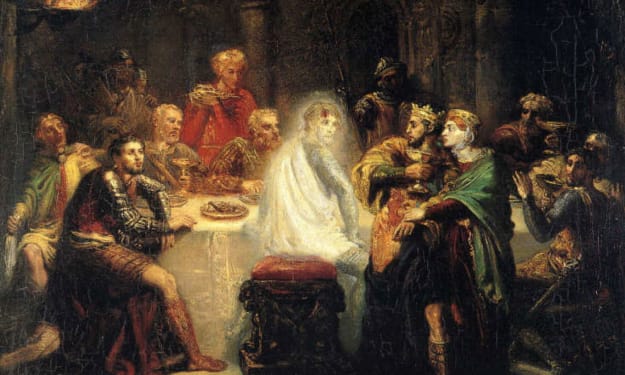
"Instruments of Darkness"
Background and Context: Yes, I'm still sifting through those notes I'm finding on essay ideas I had but never wrote from back when I was in university. It was a long time ago but I think I had some pretty good ideas I never explored. Here's one of the finished products.
By Annie Kapur2 years ago in Geeks
Book Review: "Fake History" by Otto English
I was trying to keep myself from reading certain books like this because as much as I love history, reading 'pop history' is not for me. However, we should not judge a book by its cover and that's how I discovered that this is not actually a pop history book at all. Instead, this is an in-depth look at the lies we were told in history class and the ways in which myths and legends were made and constructed deliberately out of half-truths. We are forced to confront the lies and then, opened up to what the truths actually are no matter how estranged they are from what we have been made to believe over the years.
By Annie Kapur2 years ago in Geeks
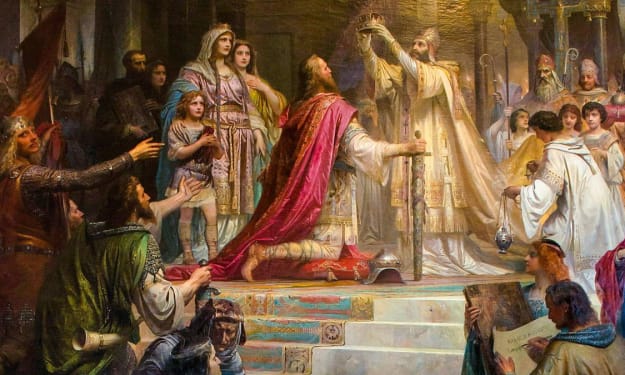
The Phantom Dark Age
The Phantom Dark Age is a shifty historical theory proposing that approximately 300 years of early medieval European history—roughly between AD 614 and 911—were either fabricated or miscalculated. The theory, most notably advanced by German historian Heribert Illig in the 1990s, suggests that these centuries were artificially inserted into the historical record due to misinterpretations, calendar errors, or deliberate falsifications.
By Annie Kapur2 years ago in Geeks