beauty
Geek beauty advice, products, and cosplay techniques.
How Labubu Conquered the Toy World
“It’s not just a toy—it’s a viral movement wrapped in fuzzy fur and a devilish grin.” That’s how millions of fans describe Labubu, the wildly popular mischievous doll from the “The Monsters” series by Kasing Lung and Pop Mart. What began as a niche designer toy quietly sitting on collectors’ shelves has now exploded into a worldwide phenomenon, commanding long queues, soaring resale prices, and a cult-like following that rivals luxury brands.
By Leah Brookeabout a year ago in Geeks
"An Alien Landed in My Backyard: Here’s What Happened Next"
Not the kind you hear from a refrigerator or a distant plane, but a vibration deep in your bones—like the earth itself was clearing its throat. At first, I thought it was a generator going out or maybe thunder rolling somewhere far away.
By Nizam khanabout a year ago in Geeks
Is Stephen Colbert Cancelled?
In recent weeks, the internet has been buzzing with one burning question: Is Stephen Colbert cancelled? Rumors are swirling, hashtags are trending, and fans of The Late Show with Stephen Colbert are demanding answers. So, what’s really going on with the Colbert show, and why are so many people asking if the Late Show is ending?
By Saboor Brohi about a year ago in Geeks
Molly’s Game: A movie every entrepreneur should watch
So I sat down to watch Molly’s Game, Aaron Sorkin’s directorial debut, and let me tell you — this movie doesn’t walk. It talks. And I don’t mean casual chit-chat. I mean rapid-fire, razor-sharp, caffeinated monologues that come at you like a machine gun wrapped in a designer dress. You could probably close your eyes, listen to the dialogue, and still get the full story. It’s like a podcast with perfect lighting and heels that cost more than my rent.
By Kristen Orkoshneliabout a year ago in Geeks
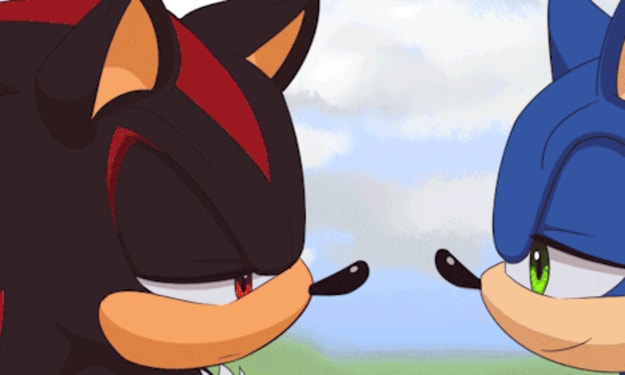
Sonadow (Sonic and Shadow) having some good times
Disclaimer: This story is not suitable for children; it is intended for readers 17 and above. There is talk about sexual activity, sexuality, and there is a lot of profanity. It is Fan fiction, I don't own any copyright, I just did this for fun. please enjoy!
By stephanie borgesabout a year ago in Geeks
Versatile Performer and International Icon
In the glittering world of Hollywood, where talent meets opportunity and charisma commands attention, only a few stars manage to achieve both national reverence and global recognition. One such remarkable name is Global Star Rock, an American actor whose magnetic screen presence, diverse roles, and relentless dedication to his craft have etched his name in entertainment history. With each performance, he solidified his place not just in films but also in the hearts of millions across the globe.
By Lana Roseeabout a year ago in Geeks
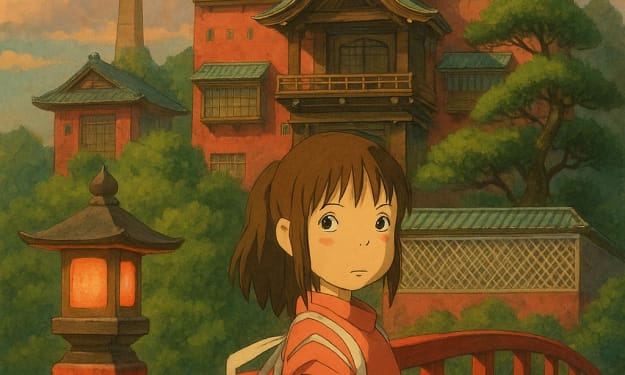
3 Anime That Will Make You Fall in Love with Japan 🇯🇵✨ . AI-Generated.
For many people outside Japan, anime is more than just a form of entertainment—it’s a gateway to an entire culture. Through animated stories, we glimpse ancient beliefs, seasonal traditions, and even the quiet beauty of everyday life in Japan.
By Takashi Nagayaabout a year ago in Geeks
Dragons Through Time: The Myth, The Mystery, The Legacy
Few mythical creatures have held such a universal grip on the human imagination as dragons. From the misty mountains of China to the fiery tales of Europe, dragons appear in nearly every major civilization’s folklore. But what makes these beasts so timeless? Why did ancient peoples from opposite ends of the Earth describe such strikingly similar creatures? Today, dragons are seen in movies, literature, video games, and tattoos. But their story goes far deeper than fantasy—it’s rooted in history, fear, power, and the primal mystery of the unknown. --- 🐉 1. The Birth of the Dragon Myth The word "dragon" comes from the Greek drakōn, meaning “serpent” or “giant sea fish.” However, long before the word existed, the idea of giant reptilian creatures had already taken hold. Ancient Chinese texts from over 4,000 years ago describe dragons as celestial beings—symbols of wisdom, water, power, and the Emperor’s divine right to rule. In these cultures, dragons were benevolent, often controlling rain, rivers, and seasons. In contrast, European dragons, particularly in Norse, Greek, and medieval myth, were malevolent, fire-breathing beasts hoarding gold and destroying villages. They symbolized chaos and greed—often serving as a final challenge for heroic knights or gods. How did such opposing views emerge in different parts of the world? Some scholars believe the concept of dragons may have developed independently, inspired by discoveries of dinosaur fossils, giant crocodiles, or exaggerated encounters with large snakes. --- 🔥 2. Dragons in Religion and Symbolism Dragons weren’t just scary monsters—they represented profound cultural and spiritual meaning. In Christianity, dragons were often used to symbolize Satan or evil. The most famous example is St. George, a Roman soldier-saint who slays a dragon in Christian legend—representing good triumphing over sin. In Hinduism, the serpent-dragon Vritra is slain by Indra, the god of thunder, to release waters and restore balance—a story very similar to many flood and creation myths around the world. In Aztec culture, the feathered serpent god Quetzalcoatl was a symbol of creation, wind, and learning—demonstrating that not all dragon figures were feared. These religious links elevated dragons beyond just “monsters”—they became symbols of the ultimate battle between light and dark, order and chaos, creator and destroyer. --- 🗺️ 3. Global Dragon Myths: A Shared Legacy Here’s how dragons appeared across different cultures: Region Dragon Role Traits China Sacred guardian, symbol of luck Serpentine, wise, often wingless Europe Evil, chaotic beast Winged, fire-breathing, gold hoarders Japan Water spirit, protector Long body, no wings, spiritual Middle East Test of heroism or divine challenge Giant serpents in deserts or seas Mesoamerica Creator deity (e.g., Quetzalcoatl) Feathered serpent, godlike The similarities—especially the reptilian form, immense power, and mysterious origin—suggest a deep-rooted psychological or cultural archetype. Perhaps dragons were ancient humanity’s way of explaining the uncontrollable forces of nature. --- 🧬 4. Could Dragons Have Been Real? While no scientific evidence confirms the existence of fire-breathing dragons, some researchers believe the myths may have origins in reality. Dinosaur fossils uncovered by ancient civilizations may have looked like dragon bones to early humans. Stories of dragons in mountains or caves may have been inspired by komodo dragons, giant pythons, or even crocodiles. Some believe ancient knowledge of natural gas vents could explain fire-breathing legends. In short, while dragons as described in myth likely didn’t exist, their symbolism may be rooted in real creatures, bones, or natural phenomena that early humans couldn’t explain at the time. --- 🎮 5. Modern Dragons: From Myth to Pop Culture Icons Today, dragons have been reborn through films, books, games, and digital art. From Smaug in The Hobbit to Daenerys’ dragons in Game of Thrones, they are no longer just symbols of fear—but also of power, freedom, and identity. Games like Skyrim, Dungeons & Dragons, and franchises like How to Train Your Dragon have reimagined the beast in every possible way: allies, enemies, pets, gods, and monsters. Even in tech culture, the Dragon spacecraft by SpaceX represents innovation and ambition—proof that the dragon symbol still holds massive relevance. --- 🧠 Final Thoughts Dragons may not roam the skies, but they live in something just as powerful: our collective imagination. Whether they represent wisdom or terror, creation or destruction, dragons are more than just legends. They are reflections of humanity’s hopes and fears, shaped by culture and time, yet ever evolving. --- ✨ Conclusion Dragons are timeless. They are the guardians of ancient temples, the final test for brave knights, and the majestic fire-breathers flying across modern screens. Their evolution from feared monster to pop culture icon proves their unmatched power over the human mind. In every culture, every generation, and every imagination—they rise again.
By James World about a year ago in Geeks
A Court of Thorns and Roses, BookTok & the Renaissance of Cosplay Fantasy Balls
Sarah J. Maas's A Court of Thorns and Roses (ACOTAR), first published in 2015, has grown into a captivating romantic fantasy universe. With over 38 million copies sold, ACOTAR's influence extends beyond its pages, inspiring themed cosplays, fantasy balls, and fan meetups that bring Prythian to life, fueling TikTok communities with billions of tag views.
By Jenna Deedyabout a year ago in Geeks