
Some 21st Century Thoughts on a 20th Century Icon
Do Gentlemen Prefer Blondes?


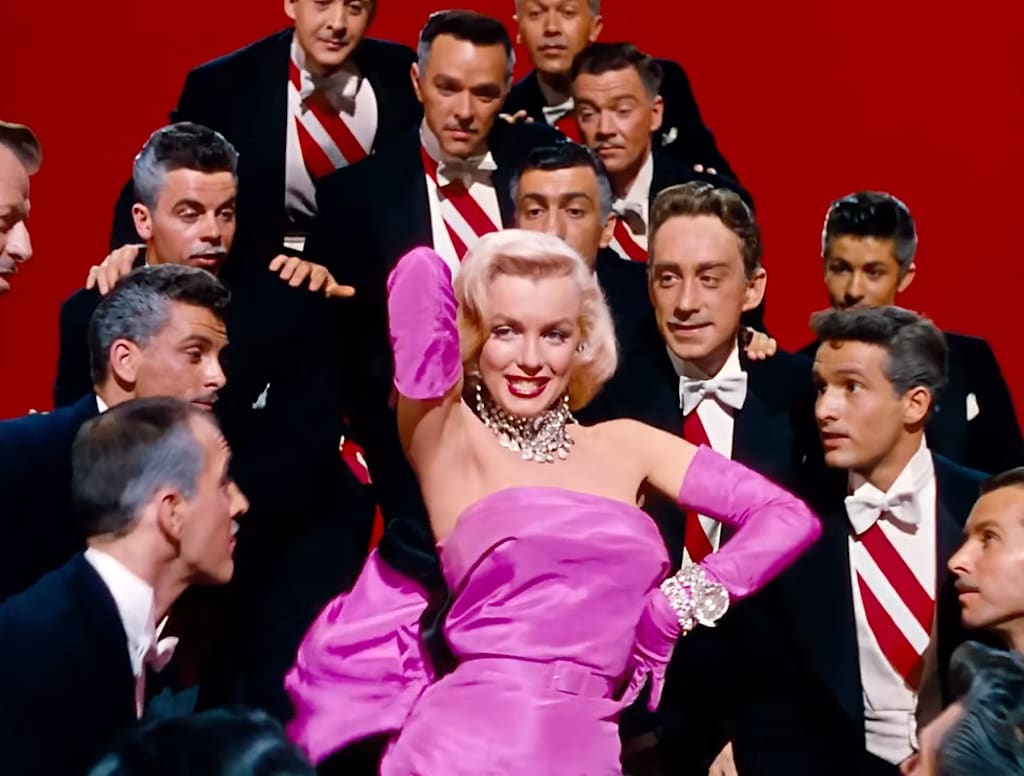
“A girl being pretty is like a man being rich… If you had a daughter, you’d want her to marry a rich man.”
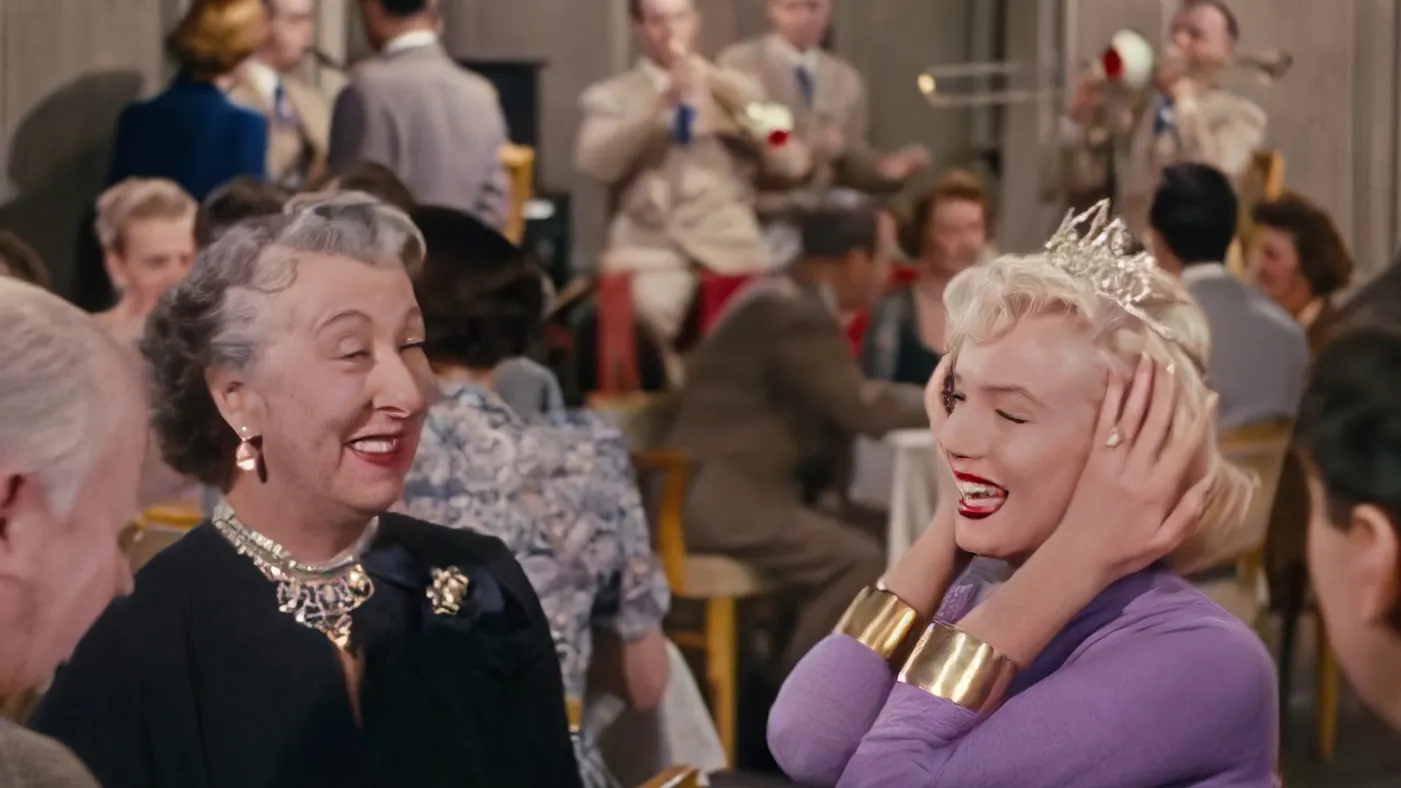
Monroe’s Lorelei explains this fact of life to her potential father-in-law in Gentlemen Prefer Blondes. The line is expertly delivered with breathy sensuality and an underlying knowing that winks. We recognise the pouting, open-mouthed look from the plethora of images of the blonde icon.
The rich capitalist of 1950s America has to agree with the persuasiveness of Lorelei’s argument.
And a mixed audience of 21st century viewers laugh at his floundering in the face of such exquisite logic.
We are approaching the centenary of Marilyn Monroe’s birth. I have written very little about the biggest, brightest Hollywood icon, which may seem odd for a film essayist, with a particular interest in 40s and 50s films. However, with an image that big and so many words already written, what can I possibly add to the mix?
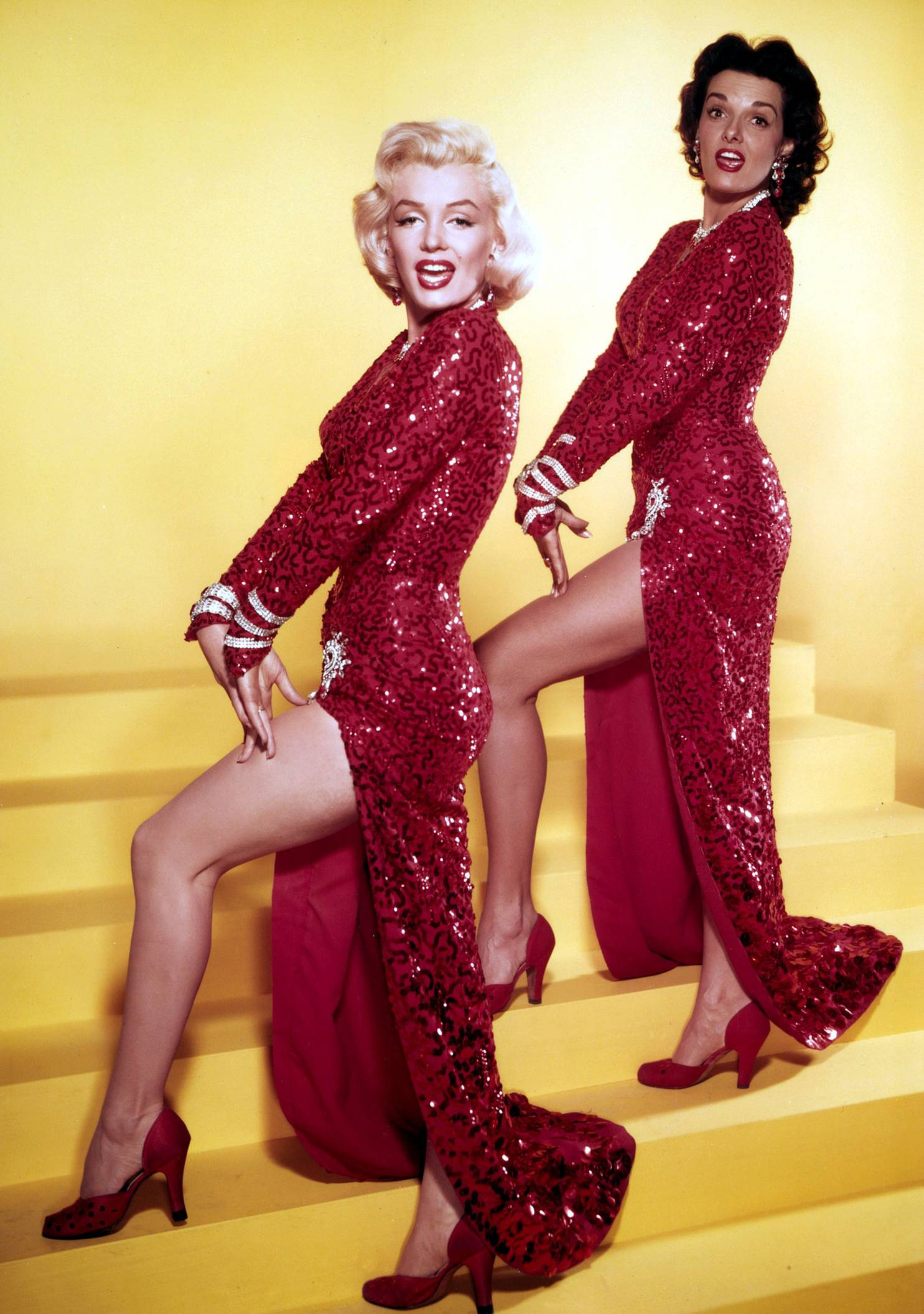
Yet, when I heard that my local art house cinema was having a short season of her films to mark her birthday, I went to see Gentlemen Prefer Blondes. I wanted to see those sparkly red dresses on the big screen. I was not alone. It surprised me to be in a nearly full cinema for a film made over 70 years ago. The ages in the audience ranged from late teens to late eighties.
I am happy to report that Gentlemen Prefer Blondes has staying power. I was worried that a film I had watched and half-remembered enjoying on television many years ago, may not stand up to the scrutiny of a public outing on a big screen. I got concerned that I would be left shifting in my seat at the clumsy gender politics, those outdated notions of how men and women should respond to each other. But that wasn’t the case. I gave just the slightest wince when Elliot Reed as Ernie Malone kisses Jane Russell’s Dorothy without her consent. In the grand scheme of things, it felt pretty tame compared to the treatment of many women on screen.
In fact, the film is quietly revolutionary. It takes women’s desires seriously. Lorelei wants a man with wealth and Dorothy wants a man with a body and stamina. Both can argue their case with sass and charm.
So, yes Lorelei is a gold-digger. But within the context of the film (and the 1950s drive to get women back into the kitchen) her ambition seems perfectly rational.
When Piggy (a South African diamond mine owner) is introduced to Lorelei there is a shot of him, taken as from her viewpoint, where his head morphs into a giant diamond. The audience laughs. We are laughing at her apparent greed. But let’s face it, if Piggy can mine for diamonds by exploiting land and workers, surely it’s not so bad that Lorilei digs for gold using the resources she’s been given.
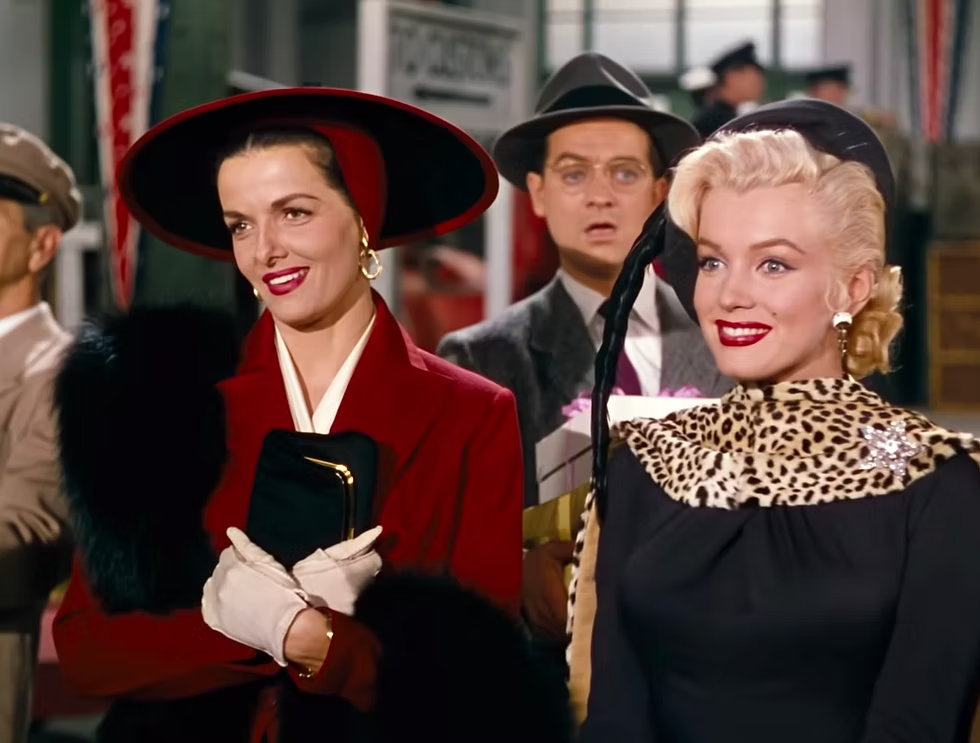
So, yes, I enjoyed the film. It is adapted from Anita Loos satirical novel that lampoons the avarice of the 1920s. Like the novel, it pokes fun at the hedonism and greed of the protagonist, but also quietly respects it, understands it, sees it as a product of the times and contemporary morals. Sometimes the writing of the film seemed sharper than the direction. I was left wondering if Howard Hawks really understood the material he was working with, or did he just want to show off two beautiful women?
Here’s one of the reasons I haven’t written much about Monroe, even after watching this comic turn, I can’t tell you if she is a talented comedienne or not. I feel the same when I watch the fabulous Some Like it Hot. In both films, her role relies so much on her physicality and image beyond the screen, it is hard to determine her real talent. And that feels unfair.
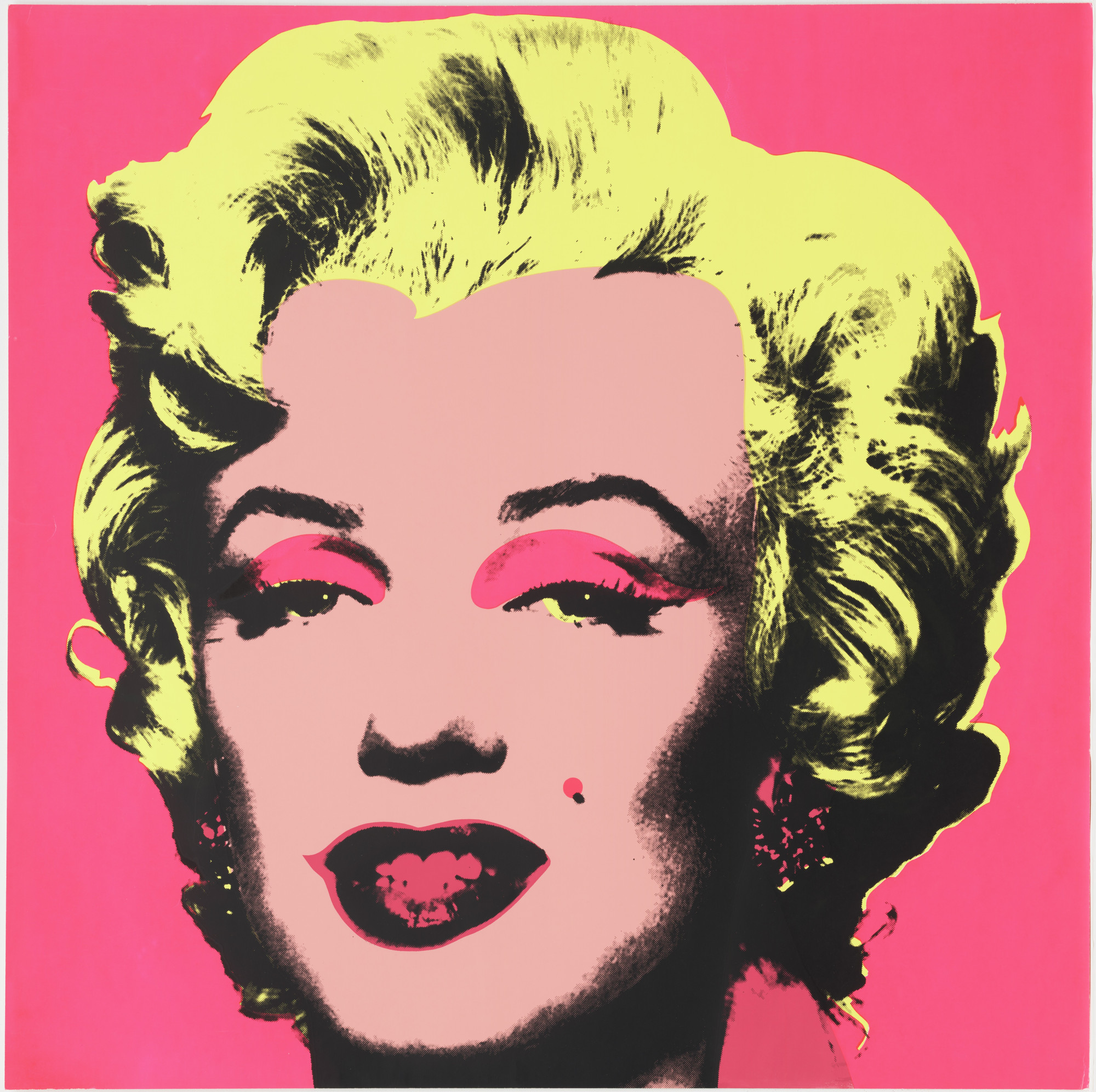
If she hadn’t been so beautiful could she have been taken seriously as an actress? I can’t tell, because every role offered relies on her looks, directed by men interested only in their ability to gaze upon her face. Watch how the camera follows her from behind and then moves to a close up of her lips.
She never got to play ugly, or second-fiddle, or hard-nosed, brittle career women. She didn’t get to play old. Her repertoire was limited by an image, she may or may not have helped to create, but could not control. An image that leaves me uncomfortable, with its play on innocence, on dumbness, on men’s fatal attraction. I never wanted to be Monroe. Her vulnerability didn’t feel safe.
Had she lived into her forties or fifties, could she have made the shift from child-like innocence, or vulnerable sex-siren into cinematic grande dame?
We will never know how good or edgy or what range she could have brought to the big screen, because she died before Hollywood could discount her as a sex symbol. But even if she had survived into the1960s and 70s, Hollywood, with few exceptions, still didn’t care too much for women’s stories.
In recent years, we have seen a rise in the number of women directors, writers and producers. This increases the way women’s stories can be told, in all their fabulous diversity. But backlash comes in all shapes and sizes. Just as a wave of feminine power surges, a brutal take-down is on the horizon.
Cate Blanchett has recently stated that #metoo got killed off very quickly. Lupita Nyong’o has faced fierce criticism for being cast as Helen of Troy from filthy rich men who believe that they know what a mythical woman looks like (and have too little imagination to see beyond very narrow European beauty ideals). A recent survey reported how current films were more likely to feature a talking animal or a man named Chris, than a woman in her 60s.
It is exhausting. Surely, if women were going to give up on trying to be heard, we’d have submitted by now.
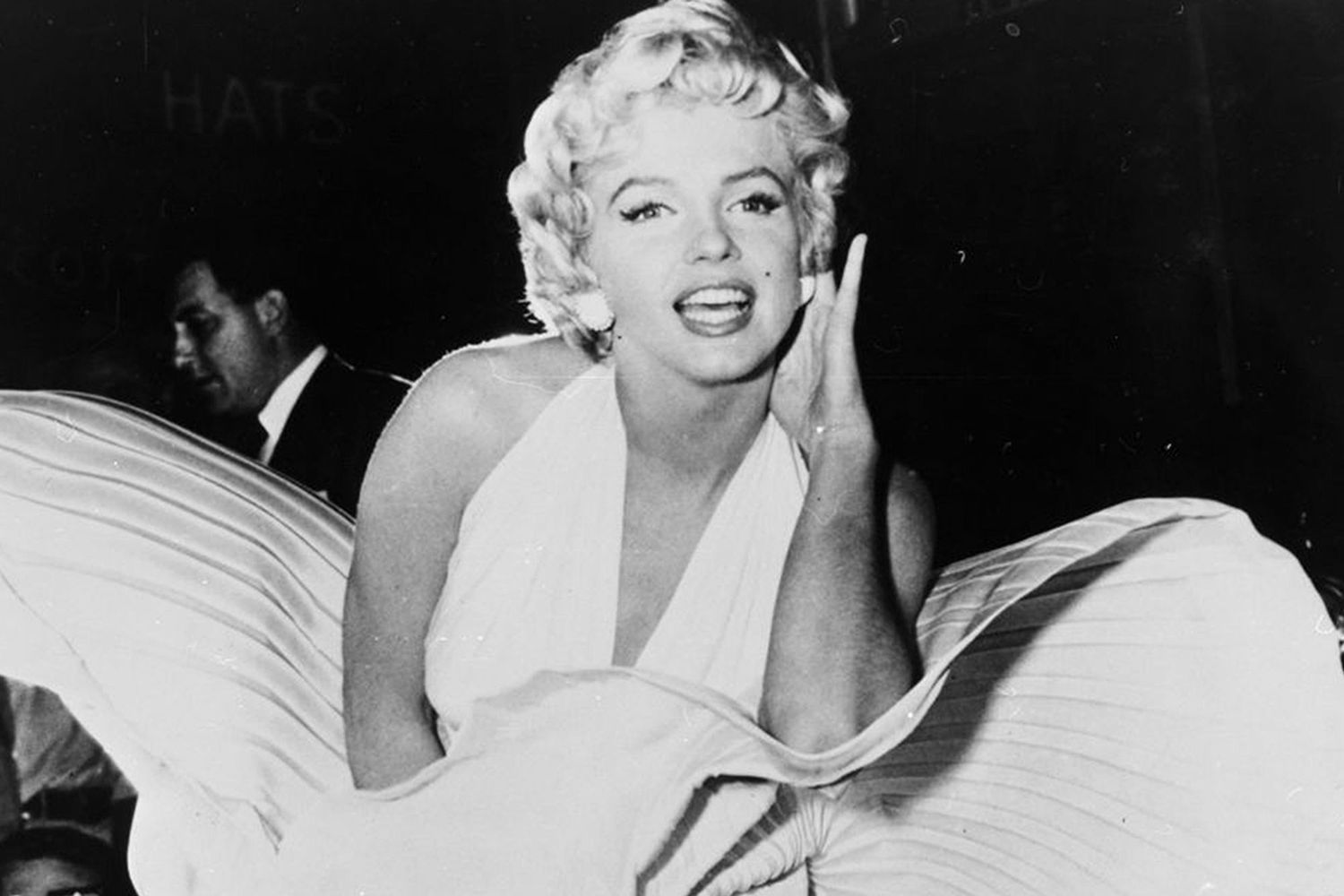
And this is the crux of the problem with Monroe. Sometimes, she looks like she did submit. That she is nothing more than a plaything, an image, a white blond cloud of sexuality. But that’s because we know her image, more than we know her talent.
What I can say, in fairness to Monroe, is that if all she could ever play was the sex-object or gold-digger archetypes – she did it, exceptionally well.
If you've enjoyed what you have read, consider subscribing to my writing on Vocal. If you'd like to support my writing, you can do so by leaving a one-time tip or a regular pledge. Thank you.
About the Creator
Rachel Robbins
Writer-Performer based in the North of England. A joyous, flawed mess.
Please read my stories and enjoy. And if you can, please leave a tip. Money raised will be used towards funding a one-woman story-telling, comedy show.
Enjoyed the story? Support the Creator.
Subscribe for free to receive all their stories in your feed. You could also become a paid subscriber, letting them know you appreciate their work.
Comments
There are no comments for this story
Be the first to respond and start the conversation.