
Men Seldom Make Passes…
Spectacle-wearing women in 1940s Hollywood



As I sit typing away in my imaginary 1940s writers’ room, I know that a woman who looks like me rarely makes it onto the screen. And definitely not as leading lady material. You see, my reading habits have led to an unfortunate condition – I wear glasses. And I have watched enough films to know Dorothy Parker’s little poem, News Item, has a ring of truth about it:
“Men seldom make passes
At girls who wear glasses.”
At least on the Hollywood screen. Let’s put it this way, glasses don’t actually act as a shield against sexual harassment. They just look like they might. I would update Parker’s ditty to say:
“Women wear glasses
Men still tap their asses”
So, I ask why do we see glasses on film as if they de-sexwomen?
Because I wear glasses, I don’t bump into furniture. I can read several books for pleasure (an act rarely shown on screen) and this all feeds into my sparking conversation. But that is not enough to be found attractive, because it signals intelligence before sex.
This means, unsurprisingly, I can do clever sums:
Education + professionalism ≠ attractive woman in 1940s Hollywood
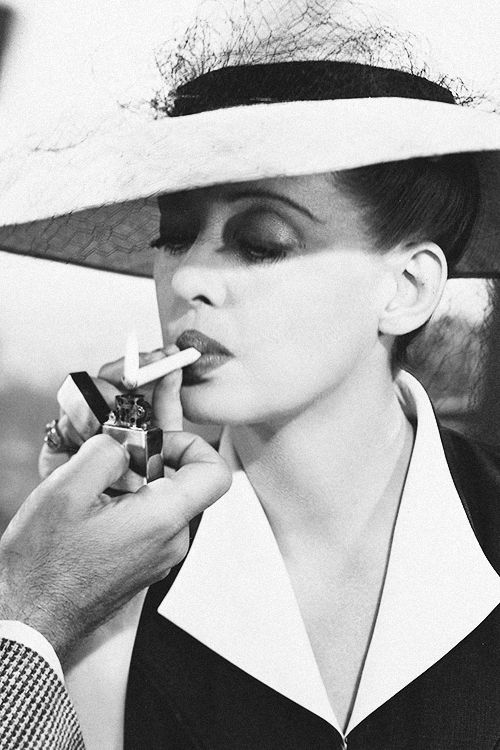
Take Charlotte Vale. To live a full-life, she has to lose weight, the frumpy clothes, the heavy eyebrows and most importantly ditch those darned glasses.
No mention is made post-makeover of how she is supposed to navigate the world without them. Being visually impaired is easier than being unnoticed. Maybe that is why men have to light cigarettes for her post-makeover - now that she can't find her own lighter.
Another clever equation
Costume = Character
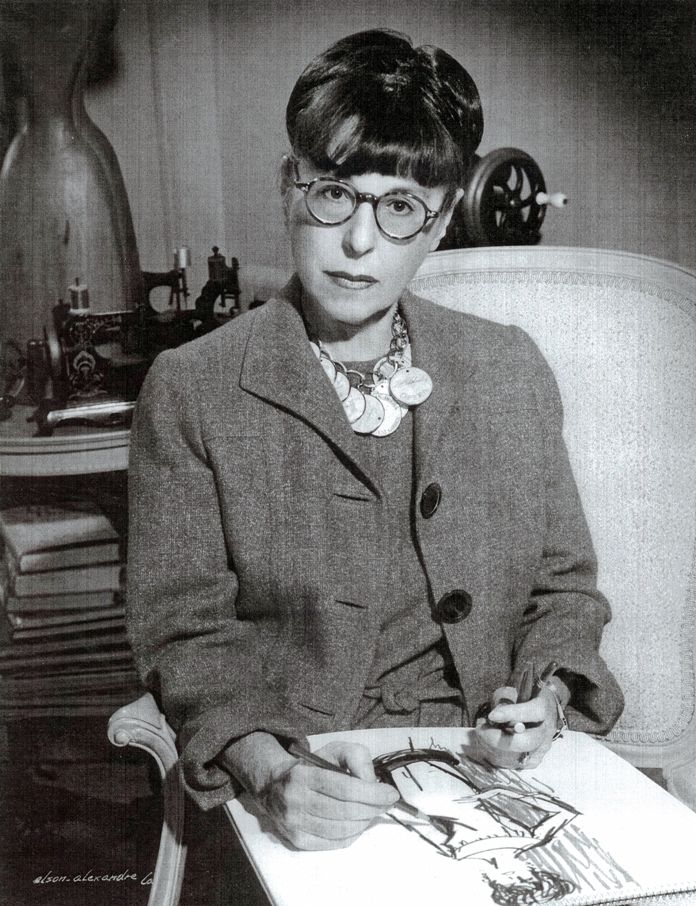
Edith Head, glasses wearer, understood this as her record eight academy awards for costume design demonstrate.
“Fashion is a language. Some know it, some learn it, some never will – like an instinct” (Edith Head)
In the language of Hollywood costume, women with glasses is short-hand for a lack of interest in the world of romance and a deficit of social skills.
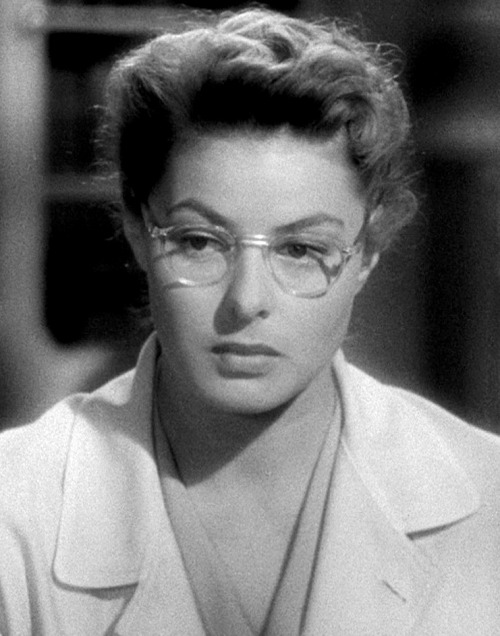
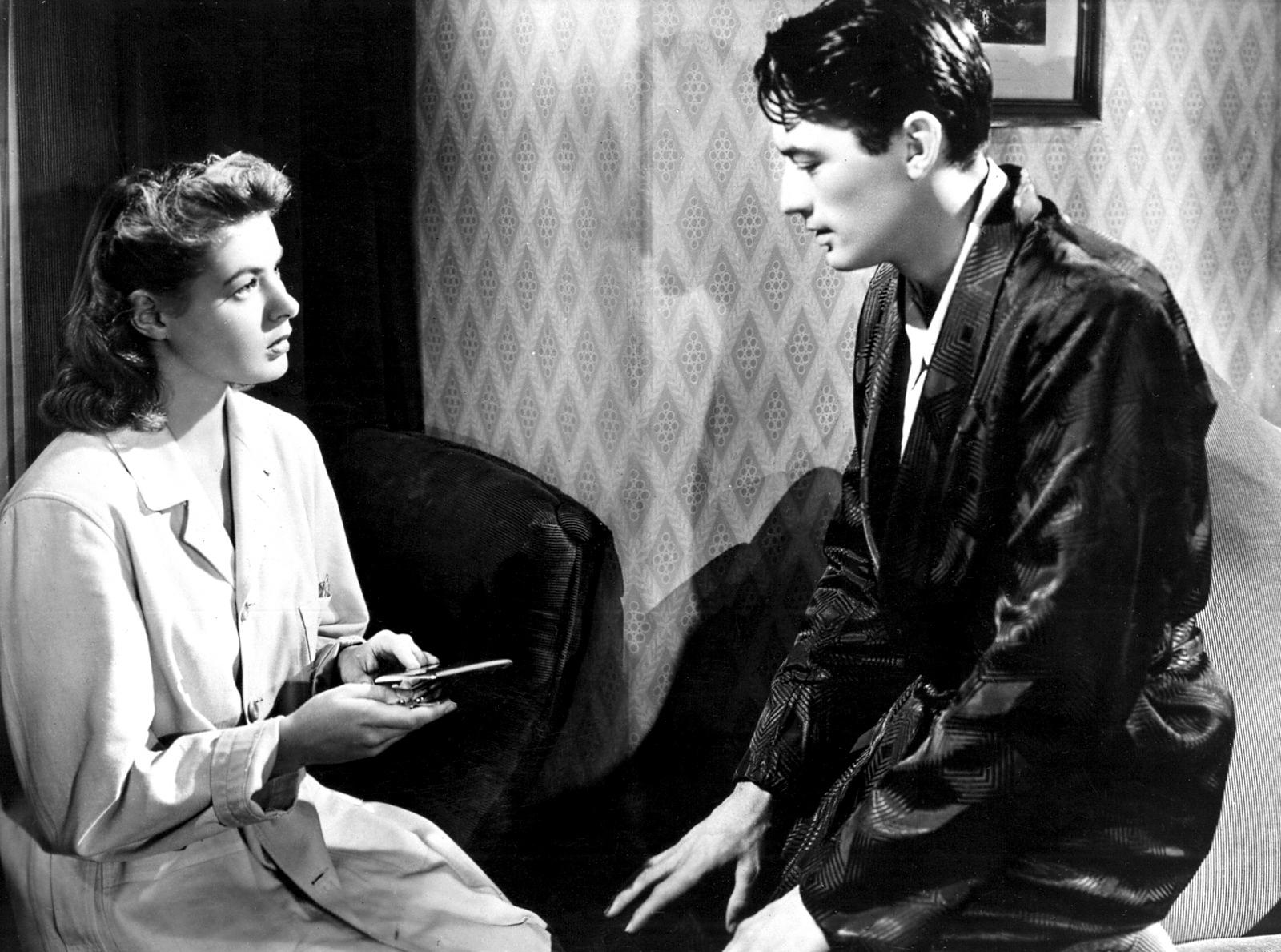
Take Doctor Constance Petersen in her office and white coat. With her glasses on, she is interested only in intellectual pursuit. She is only half a woman. But when she takes the glasses off, she can actually see more clearly. It is without her spectacles that she can fully appreciate the romantic appeal of John Ballantyne.
(I must be special because I can find Gregory Peck attractive with or without my glasses).
Amidst the confusion of the cutting and re-editing of The Big Sleep, the audience has no doubt that the be-spectacled Dorothy Malone can flirt all she wants with Bogart, but Bacall will win out. Ah, spectacles, the attire of the dry, witty book-seller, librarian, lawyer or writer – but not romantic leads.
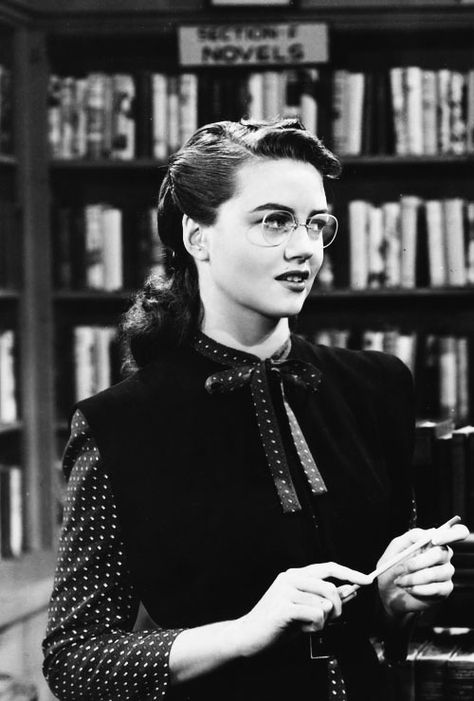
So, the simple lesson is – girls if you want romance, ditch the glasses.
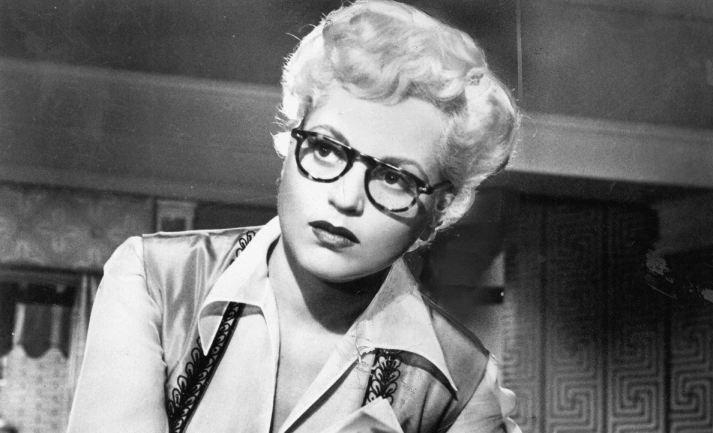
Well, almost because of course, refusing to wear glasses will also get you called vain and silly. Billie Dawn knows this. She can win a rich man without glasses or an intellectual, kind man with them. Wearing glasses is like all other rules for women. Follow the rules, don't follow the rules - you have no idea what will actually work.
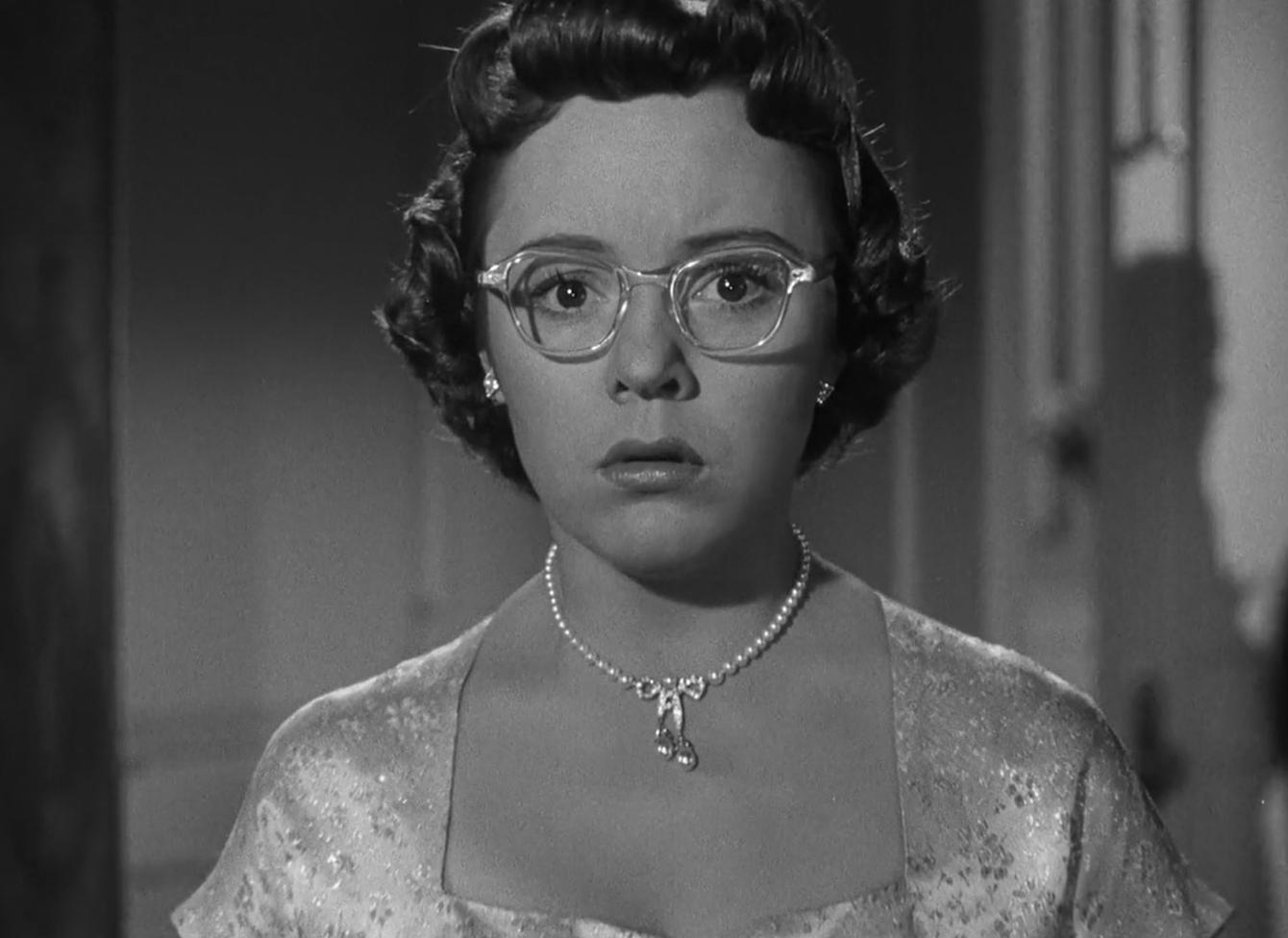
And of course without her glasses Barbara would not have understood the villainy of Bruno in Strangers on a Train (1951). Sometimes, we see more depth through our enhanced vision.
I can see the problem, before the 1940s, glasses were never fashion items. They were for practical women who preferred vision over glamour with thick round horn rims or wire fittings. It wasn’t until the end of the decade that the popular harlequin or cat eyes became fashionable.
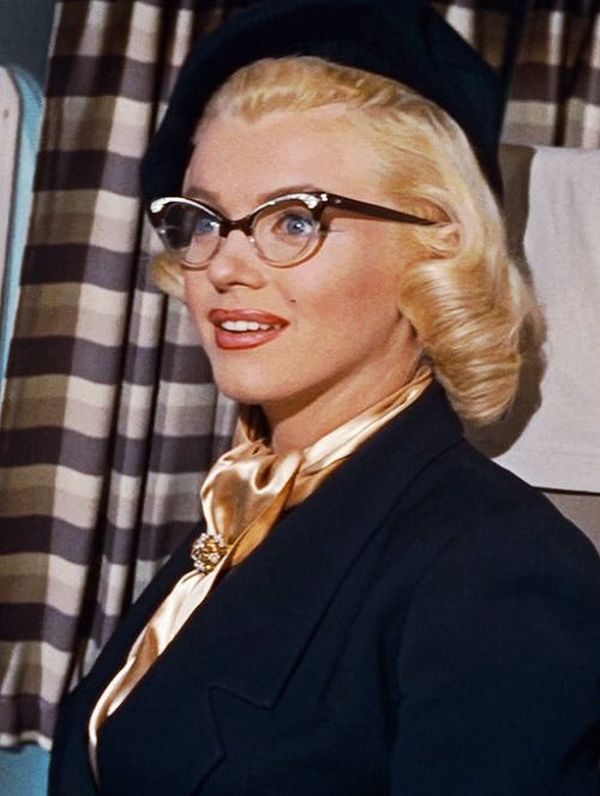
Glasses just couldn’t be cool in the 1940s...
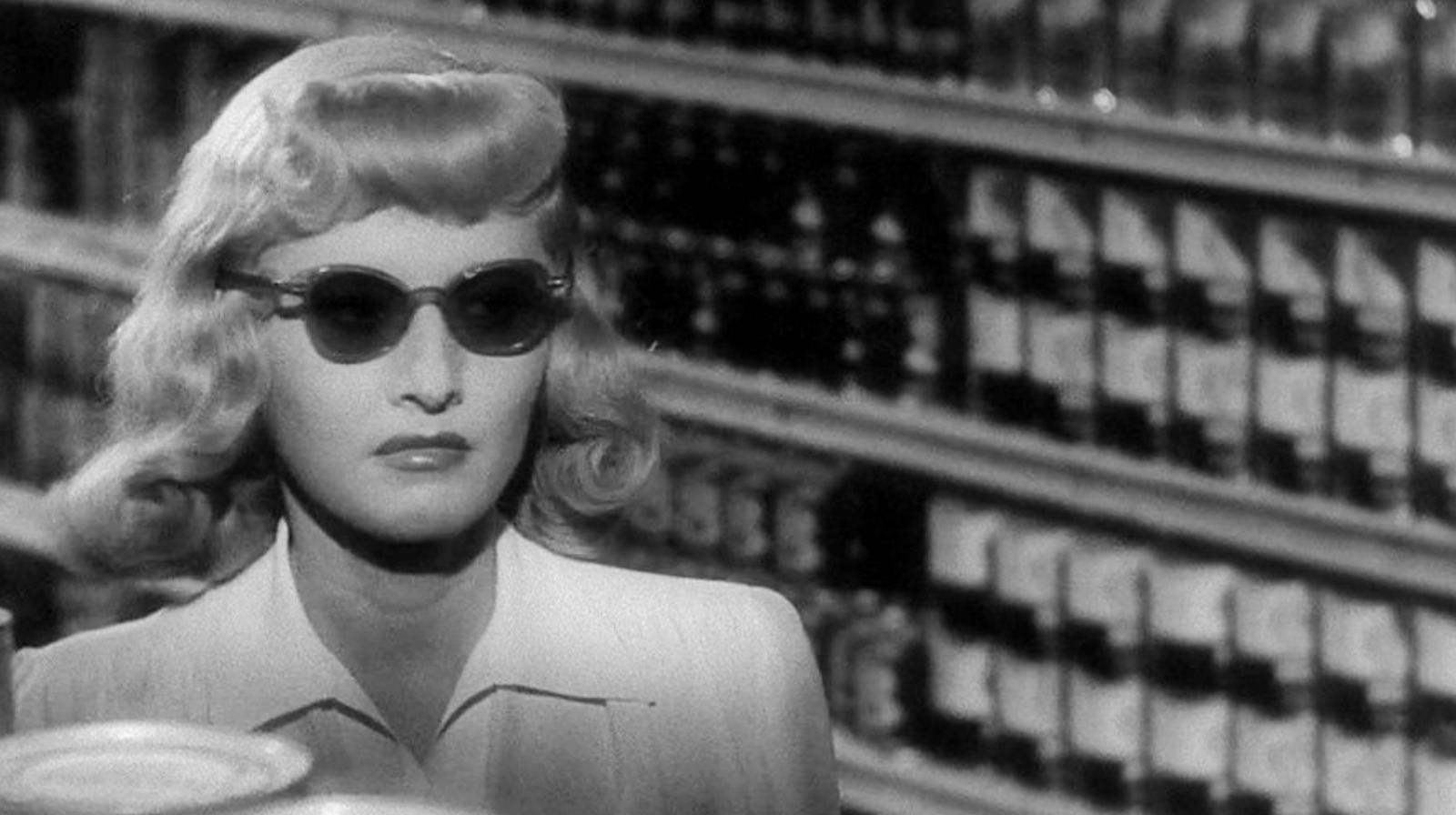
Unless, of course, they are dark shades worn in a supermarket by the ultimate femme fatale.
If you've enjoyed what you have read, consider subscribing to my writing on Vocal. If you'd like to support my writing, you can do so by a regular subscription or leaving a one-time tip. Thank you.
About the Creator
Rachel Robbins
Writer-Performer based in the North of England. A joyous, flawed mess.
Please read my stories and enjoy. And if you can, please leave a tip. Money raised will be used towards funding a one-woman story-telling, comedy show.
Enjoyed the story? Support the Creator.
Subscribe for free to receive all their stories in your feed. You could also become a paid subscriber, letting them know you appreciate their work.
Comments
There are no comments for this story
Be the first to respond and start the conversation.