Latest Stories
Most recently published stories in Geeks.
Weather. AI-Generated.
Weather is one of the most constant yet overlooked influences in human life. It quietly determines what we wear, how we travel, what we eat, and even how we feel. From calm sunny mornings to sudden storms that change plans in minutes, weather affects our routines in ways we often take for granted. While it may seem like a simple topic, weather is a complex system driven by natural forces that operate far beyond human control. At its core, weather refers to the day-to-day conditions of the atmosphere. These conditions include temperature, humidity, wind, precipitation, and air pressure. Unlike climate, which describes long-term patterns over decades, weather is immediate and ever-changing. A clear sky today does not guarantee the same tomorrow, and that unpredictability is what makes weather both fascinating and challenging. How Weather Forms Weather begins with the sun. Solar energy heats the Earth unevenly, warming some areas more than others. This uneven heating causes air to move, creating wind and influencing pressure systems. Warm air rises while cooler air sinks, setting the atmosphere in motion. As this air moves and interacts with moisture, clouds form, rain falls, or storms develop. Oceans also play a vital role in shaping weather. Large bodies of water store heat and release it slowly, affecting temperatures and rainfall patterns across nearby land. This is why coastal regions often experience milder weather compared to inland areas. Mountains, forests, and deserts further influence local weather by altering wind flow and moisture levels. The Emotional Impact of Weather Weather does not only affect the physical world; it also influences human emotions and behavior. Bright, sunny days often bring a sense of energy and positivity, encouraging outdoor activities and social interaction. In contrast, prolonged cloudy or rainy weather can make people feel tired, unmotivated, or reflective. Seasonal changes are closely tied to emotional well-being. For some, winter’s shorter days and colder temperatures can lead to feelings of isolation or sadness. Meanwhile, spring often symbolizes renewal and growth, lifting spirits as nature comes back to life. These emotional responses highlight how deeply connected humans are to their environment. Weather and Daily Decision-Making Almost every daily decision involves weather in some way. Farmers rely on accurate forecasts to decide when to plant or harvest crops. Pilots and sailors depend on weather reports to ensure safe travel. Even small choices, like whether to carry an umbrella or schedule an outdoor event, are shaped by weather conditions. Modern technology has greatly improved weather forecasting. Satellites, radar systems, and computer models allow meteorologists to track storms and predict changes with increasing accuracy. While forecasts are not always perfect, they provide valuable guidance that helps reduce risks and plan ahead. Extreme Weather Events While most weather changes are mild, extreme events can have serious consequences. Heatwaves, hurricanes, floods, droughts, and blizzards can disrupt communities and threaten lives. These events remind us of the immense power of nature and the importance of preparation. Extreme weather often tests infrastructure and emergency systems. Roads, power grids, and communication networks can fail under intense conditions. Communities that invest in preparedness, early warning systems, and public awareness are better equipped to respond when severe weather strikes. Weather in a Changing World In recent years, weather patterns have become a frequent topic of global discussion. Many regions are experiencing unusual temperature shifts, altered rainfall patterns, and more frequent extreme events. These changes have sparked conversations about how human activity may be influencing the natural balance of the atmosphere. Regardless of the causes, adapting to changing weather conditions is becoming increasingly important. Cities are redesigning drainage systems to handle heavier rainfall, farmers are experimenting with new crops, and individuals are becoming more mindful of water and energy use. These adjustments reflect a growing awareness of how closely human life is tied to environmental conditions. Cultural and Historical Connections Throughout history, weather has shaped cultures, traditions, and stories. Ancient civilizations worshipped weather-related deities, believing storms or droughts were signs from higher powers. Seasonal festivals around the world still celebrate rainfall, harvests, and changing seasons. Weather has also influenced historical events. Harsh winters, unexpected storms, and prolonged droughts have altered the outcomes of wars, migrations, and economic systems. These moments serve as reminders that nature often plays a role in human history, even when it goes unnoticed. Respecting the Power of Weather Despite technological advances, weather remains something humans cannot fully control. Forecasts can guide us, but nature always has the final say. This reality encourages respect and humility in how we interact with the environment. Paying attention to weather patterns helps foster a deeper connection with the world around us. It reminds us that we are part of a larger system, one that requires balance, awareness, and responsibility. Conclusion Weather is far more than small talk or a daily forecast on a phone screen. It is a powerful, dynamic force that shapes ecosystems, cultures, emotions, and everyday decisions. From gentle breezes to life-altering storms, weather influences the rhythm of life on Earth in countless ways. By understanding and respecting weather, we become more prepared, more adaptable, and more connected to the natural world. In a rapidly changing environment, this awareness is not just useful—it is essential.
By Saboor Brohi 8 months ago in Geeks
Keke Palmer remembers the time Tyler James Williams pulled out a ‘black card’ as a teen
Now on ABC’s hit sitcom Abbott Elementary, Tyler James Williams is adding to his fortune. In the past, however, he had flexed on Keke Palmer with an American Express black card, allegedly. It had been reported the child actor earned close to $200,000 an episode. Williams batted down these claims as rumors and that the “on your first show, the quote is really, really low.”
By Skyler Saunders8 months ago in Geeks
Jacob’s Room by Virginia Woolf
Published in 1922, Jacob’s Room was Virginia Woolf’s third novel and marked a significant departure from her earlier, more traditional narratives. The book is considered Woolf’s first major experimental work, foreshadowing the stream-of-consciousness style that would define Mrs Dalloway (1925) and To the Lighthouse (1927). Jacob’s Room was published by the Hogarth Press, the small publishing house founded by Woolf and her husband, Leonard Woolf.
By Annie Kapur8 months ago in Geeks
British Passports. AI-Generated.
A British passport is often seen as a simple requirement for international travel, but its significance goes far beyond airport security checks and border stamps. It represents legal identity, citizenship, and a long history shaped by the United Kingdom’s evolving relationship with the world. From its origins to its modern design and practical value, the British passport reflects both tradition and change. In today’s global landscape, where mobility, security, and national identity intersect, the British passport remains an important document with cultural, political, and personal meaning. The Origins of the British Passport Passports in Britain date back several centuries, though they did not resemble the standardized booklets used today. Early versions were letters issued by the Crown, requesting safe passage for travelers. Over time, as international travel increased and borders became more regulated, the need for a formal identification system grew. By the early 20th century, passports had become standardized documents, influenced by international agreements following World War I. These developments laid the foundation for the modern British passport, aligning it with global travel norms while retaining distinct national features. Design and Symbolism The design of a British passport has always carried symbolic weight. Traditionally featuring a deep burgundy cover, the passport displayed the royal coat of arms, reinforcing its connection to the monarchy and the state. This design became widely recognized around the world and associated with European Union membership. In recent years, changes to the passport’s appearance have sparked public discussion. The updated design emphasizes British heritage, featuring historical figures, cultural icons, and technological achievements within its pages. These illustrations serve not only as security features but also as a visual narrative of the nation’s past and present. Beyond aesthetics, modern British passports include advanced biometric technology. Embedded chips store personal data and facial recognition information, enhancing security and reducing the risk of fraud. Citizenship and Eligibility Holding a British passport is a confirmation of citizenship, but eligibility is not always straightforward. British nationality law includes several categories, such as British citizens, British Overseas Territories citizens, and British nationals (overseas). Each status carries different rights and privileges, particularly when it comes to residency and travel. For most applicants, citizenship is acquired by birth, descent, or naturalization. Naturalization involves meeting residency requirements, demonstrating knowledge of life in the UK, and showing proficiency in the English language. The passport, once issued, becomes a tangible recognition of this legal status. Global Mobility and Travel Access One of the most practical aspects of a British passport is the level of international access it provides. British passport holders can travel to a large number of countries without requiring a visa in advance, making it a valuable document for business travelers, tourists, and students alike. While visa-free access can change depending on international relations and policy updates, the British passport has consistently ranked among the stronger passports globally. This mobility reflects the UK’s diplomatic relationships and longstanding ties with many countries around the world. Security, Responsibility, and Renewal With its benefits come responsibilities. British passport holders are expected to safeguard their documents, report loss or theft promptly, and ensure that their passport remains valid for travel. Many countries require passports to have several months of validity remaining, making timely renewal essential. The UK government has modernized the application and renewal process, offering online services that simplify submissions and tracking. Despite these improvements, applicants are encouraged to plan ahead, especially during peak travel seasons when processing times may increase. Passports in a Changing Political Landscape Political changes have influenced how British passports are perceived, both domestically and internationally. Shifts in immigration policy, border control, and international agreements have all played a role in shaping public conversations around citizenship and identity. For some, the British passport represents continuity and heritage. For others, it reflects adaptation to new global realities. Regardless of perspective, the document remains a key link between individuals and the state, symbolizing both rights and obligations. Cultural and Personal Significance Beyond legality and logistics, a British passport often carries deep personal meaning. For first-time applicants, it can symbolize independence or the beginning of global exploration. For naturalized citizens, it may represent years of effort and a sense of belonging. Families often pass down passports through generations, each one holding memories of journeys taken, milestones reached, and connections formed across borders. In this way, the passport becomes more than an administrative tool—it becomes a record of personal history. Looking Ahead As technology advances and global travel evolves, passports will continue to change. Digital verification, enhanced biometrics, and streamlined border processes are likely to shape the future of travel documents. The British passport will adapt alongside these developments, balancing security, convenience, and identity. What remains constant is its role as a bridge between the individual and the wider world. Whether used for travel, identification, or simply stored safely at home, the British passport continues to carry significance beyond its pages. Final Thoughts A British passport is more than a booklet issued by the government. It reflects centuries of history, evolving national identity, and the practical realities of global movement. From its symbolic design to its legal importance, the passport stands as a reminder of how closely personal freedom and national policy are connected. In a world where borders and identities are continually redefined, the British passport remains a powerful symbol of citizenship, responsibility, and opportunity.
By Saboor Brohi 8 months ago in Geeks
Tamer Hassan. AI-Generated.
Tamer Hassan is a name that carries weight in British film, television, and even popular culture beyond the screen. Known for his tough-guy roles and unmistakable presence, Hassan has built a career that reflects resilience, reinvention, and a deep connection to family. In recent years, public curiosity around him has also grown because of his daughter, Belle Hassan, who rose to fame on Love Island. This combination of cinematic grit and reality TV visibility has introduced Tamer Hassan to a whole new generation of audiences. Early Life and Path to Acting Before becoming a familiar face in crime dramas and action films, Tamer Hassan lived a life far removed from movie sets. Born in London, he grew up in a working-class environment where discipline and survival were everyday lessons. In his early adulthood, Hassan was involved in professional boxing and worked as a bouncer, experiences that later influenced the authenticity he brought to his on-screen roles. Unlike many actors who follow a traditional drama school route, Hassan’s entry into acting was unconventional. His natural intensity, real-life toughness, and commanding voice caught the attention of casting directors looking for realism rather than polish. This background helped him stand out in an industry often saturated with similar profiles. Career Highlights and Acting Style Tamer Hassan is best known for portraying hardened characters—gangsters, enforcers, and morally complex figures who live on the edge. Films such as Layer Cake, The Business, Kick-Ass, and Batman Begins allowed him to showcase his ability to bring depth to characters that could otherwise feel one-dimensional. His performances often balance menace with vulnerability, making his roles memorable even when screen time is limited. On television, Hassan has appeared in popular British series including EastEnders, Silent Witness, and Game of Thrones. These roles further cemented his reputation as a reliable character actor who elevates every project he joins. Rather than chasing leading-man status, Hassan has built a steady career by embracing roles that feel authentic to his life experience. Life Beyond the Camera While his on-screen persona is often intimidating, those close to him describe a different side of Tamer Hassan. Family plays a central role in his life, and this became especially visible when his daughter entered the public eye. Many viewers who searched online for “belle hassan dad” or “who is belle’s dad Love Island” were surprised to discover the connection between the reality TV contestant and the seasoned actor. This curiosity wasn’t just gossip-driven. It reflected genuine interest in how two people from the same family could navigate fame in such different ways—one through gritty cinema and the other through modern reality television. Belle Hassan and Public Curiosity Belle Hassan appeared on Love Island in 2019 and quickly became known for her strong personality and emotional honesty. As her popularity grew, so did questions like “who is Belle from Love Island’s dad” and “who is Belle Hassan dad”. The answer consistently led back to Tamer Hassan. Unlike some celebrity parents who actively leverage their status, Hassan remained largely in the background during Belle’s time on the show. This approach earned respect from fans who appreciated that Belle’s journey felt independent rather than manufactured. Searches such as “Love Island Belle dad” or “belles dad Love Island” often revealed interviews where Hassan expressed pride in his daughter while emphasizing that her success was her own. A Father-Daughter Dynamic in the Public Eye The relationship between Tamer Hassan and his daughter added an interesting layer to public discussions. People asking “who is Belle’s dad from Love Island” often expected a flashy celebrity figure, but instead found a grounded actor who values privacy and hard work. Hassan has spoken openly about wanting to protect his children from the harsher sides of fame while still supporting their ambitions. This balance resonated with many parents watching from the sidelines, especially those navigating social media-driven celebrity culture. In that sense, Hassan’s role as a father became just as compelling as his roles on screen. Legacy and Cultural Impact Tamer Hassan’s career is a reminder that success in entertainment doesn’t follow a single path. His journey from boxing gyms and nightclubs to major film sets reflects determination and adaptability. At the same time, his association with Love Island through Belle Hassan has expanded his relevance beyond traditional film audiences. For some, he is the actor known for intense performances; for others, he is simply the answer to “who is Belle from Love Island dad.” Both identities coexist, and together they paint a fuller picture of a man who has lived multiple lives within one. Final Thoughts Tamer Hassan stands as a unique figure in British popular culture. His work ethic, authenticity, and commitment to family have shaped a career that continues to evolve. Whether recognized for his film roles or through questions about who is Belle Hassan dad, Hassan remains a compelling example of how personal history and professional life can intersect without losing integrity.
By Saboor Brohi 8 months ago in Geeks
Ben Affleck and Matt Damon Reunite for The Rip. AI-Generated.
Few Hollywood friendships have endured the pressures of fame, criticism, and changing trends quite like the bond between Ben Affleck and Matt Damon. From their early days as struggling actors in Boston to becoming Academy Award winners and respected filmmakers, their careers have remained deeply intertwined. With The Rip, the longtime collaborators are once again stepping into familiar creative territory, reminding audiences why their partnership continues to matter in modern cinema. A Brotherhood Built on Storytelling Affleck and Damon’s story is well documented, but it never loses its relevance. Childhood friends who shared a passion for acting, they rose to prominence together with Good Will Hunting, a film that not only launched their careers but also established them as serious storytellers. The project was personal, grounded, and emotionally honest — qualities that would later become trademarks of their collaborations. Over the years, both men pursued individual paths. Damon became known for his versatility and global box office appeal, while Affleck balanced acting with directing, earning praise for films like Gone Baby Gone, Argo, and The Town. Despite periods where they worked separately, their creative connection never truly faded. The Rip represents another meaningful chapter in that shared journey. What The Rip Represents While The Rip is rooted in the crime-thriller genre, its significance goes beyond plot details. The project signals a return to character-driven storytelling — something both Affleck and Damon have increasingly gravitated toward as their careers have matured. Rather than relying on spectacle alone, the film leans into moral complexity, personal stakes, and the psychological tension that defines effective crime dramas. Affleck and Damon have always excelled in stories where flawed individuals are forced to confront uncomfortable truths. The Rip appears to follow that tradition, focusing on the human consequences behind crime rather than glorifying it. This approach aligns well with current audience preferences, where authenticity and emotional depth often resonate more strongly than formulaic action. Creative Control and Artistic Trust One of the most compelling aspects of The Rip is the level of creative trust involved. Affleck and Damon are no longer just actors for hire; they are producers and decision-makers with a clear vision of the stories they want to tell. Their shared production background allows them to shape projects from the ground up, ensuring consistency in tone and purpose. This kind of control is rare, but it suits their working style. Both actors have spoken openly about learning from past missteps and prioritizing projects that feel meaningful rather than commercially safe. The Rip reflects that mindset — a film made not to chase trends, but to tell a story they believe in. A Mature Take on Crime Cinema Crime films have long been a part of Affleck’s filmography, particularly as a director. What sets The Rip apart is its apparent focus on restraint. Instead of excessive violence or flashy twists, the film emphasizes tension, atmosphere, and ethical ambiguity. Damon’s involvement further strengthens this approach, as he has consistently shown an ability to convey internal conflict with subtlety. Together, they bring a grounded realism that elevates the genre. Their performances are expected to rely less on bravado and more on silence, expression, and moral uncertainty — elements that often define the most memorable crime dramas. Why Audiences Still Care In an era dominated by franchises and reboots, the continued interest in Affleck and Damon’s collaborations speaks volumes. Audiences aren’t just watching familiar faces; they’re investing in a partnership that has evolved alongside them. Many viewers who grew up with Good Will Hunting are now drawn to stories that reflect adult complexity, accountability, and consequence. The Rip taps into that shared history. It doesn’t attempt to recreate the past, but it honors it by showcasing how both men have grown — as artists and as people. That sense of progression gives the project emotional weight beyond its narrative. The Broader Impact of Their Reunion Affleck and Damon’s reunion also highlights a broader shift in Hollywood, where established actors are increasingly taking ownership of smaller, more focused projects. Rather than relying solely on blockbuster appeal, they are using their influence to support films that prioritize substance over scale. This approach benefits audiences and the industry alike. It encourages diverse storytelling and proves that experience, when paired with creative risk, can still produce compelling cinema. Looking Ahead The Rip may not redefine the crime genre, but it doesn’t need to. Its strength lies in intention — two longtime collaborators choosing a story that reflects their values and artistic instincts. For Affleck and Damon, the film is less about reinvention and more about refinement. Their partnership has always thrived on honesty, both on and off screen. With The Rip, they continue to demonstrate that meaningful collaborations don’t fade with time — they deepen. As audiences await the film’s release, one thing remains clear: when Ben Affleck and Matt Damon work together, the result is more than nostalgia. It’s a reminder of what thoughtful, character-driven filmmaking can still achieve.
By Saboor Brohi 8 months ago in Geeks
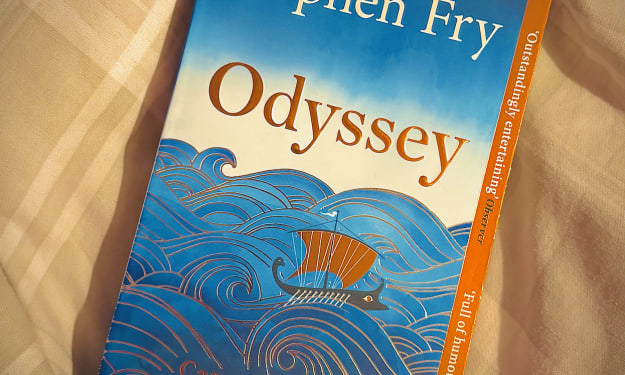
Book Review: "Odyssey" by Stephen Fry
If you know anything about me you will know that Stephen Fry is one of my favourite people on this earth. He's a proper polymath and has a great personality with it - he also reminds me of Oscar Wilde in some ways. I've read the other books in the series but this is the one I was truly waiting for because I love the story of the Odyssey. I've read different translations over the years and of course, we all remember it being included in the 2016 Nobel Prize Lecture by Bob Dylan - it is truly one of the most impactful stories of all time. No wonder Christopher Nolan is currently directing the anticipated movie.
By Annie Kapur8 months ago in Geeks
The Rise of AI in Everyday Life. AI-Generated.
Discover how AI seamlessly integrates into daily activities, enhancing productivity and transforming personal routines. In the not-so-distant past, artificial intelligence (AI) was a concept confined to science fiction, often depicted as futuristic and distant. Today, AI has woven itself into the fabric of our daily lives, subtly enhancing our routines and boosting productivity. This transformation is not just a technological shift but a personal evolution, as AI becomes an integral part of how we work, learn, and interact.
By Timothy A Rowland8 months ago in Geeks
People We Meet on Vacation
Our first Netflix movie of the year is The People We Meet on Vacation. Obviously this is based on a book, one of those “summer reads” kind of books. So the expectations for this movie are very low. It’s gonna be some fluff and that’s okay as long as it doesn’t try to be more than what it is. I have no problem with mindless films as long as the movie itself knows it's mindless.
By Alexandrea Callaghan8 months ago in Geeks
Agnes Abdullahu's DiaMondaine Diamantaires Club partners with Isis Fashion Awards (Brings Diamonds, Luxury and Deluxe Dubai Flair to Amsterdam)
In the glittering world of high-end jewelry and haute couture, there are those who simply attend events, and then there are those who weave the very fabric of the experience. As the calendar turned toward the highly anticipated 4th edition of the Isis Fashion Awards (IFA) on May 6th, a new and formidable alliance began to take shape.
By postworldview8 months ago in Geeks
28 Years Later: The Bone Temple Review
The Bone Temple Review: A Wild, Gruesome, Surprisingly Solid Sequel Well… That Was Not What I Expected Twist my eyebrows and mail me to Alaska, because The Bone Temple was absolutely not the experience I thought I was walking into.
By Bella Anderson8 months ago in Geeks
Top 7 Oak Island Discoveries the Show Didn’t Air
The Curse of Oak Island has captivated audiences for over a decade, blending historical intrigue with reality TV drama. But what fans see on screen is only part of the story. Behind the edited episodes and dramatic voiceovers lies a treasure trove of discoveries that never made it to air — some due to time constraints, others possibly too speculative or controversial for mainstream broadcast.
By Rukka Nova8 months ago in Geeks