
From Clowns to Crew: What One Piece Episodes 6–10 Taught Me About Life
What the earliest adventures of Luffy’s journey taught me about courage, promises, and ordinary people.

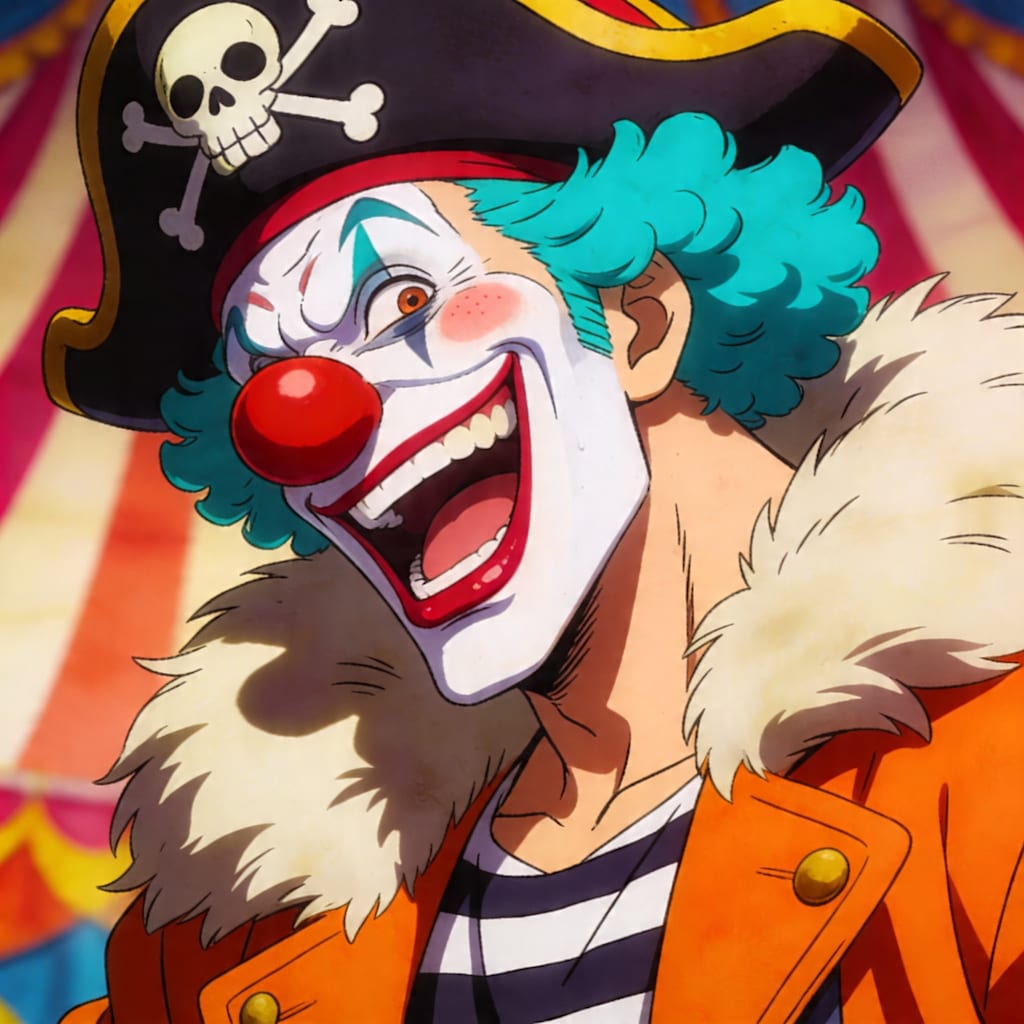
In my first essay, I wrote about what I learned from One Piece’s opening episodes, 1 through 5. Those were my first steps into this wild, stretchy, loud world where a boy in a straw hat decides he’s going to become Pirate King and somehow makes that feel both ridiculous and completely serious at the same time. Now I’m moving a little further in—episodes 6–10—and even here, the show is already teaching more about **courage, community, and the cost of dreaming out loud.
These aren’t just “early episodes” you rush through to get to the big arcs; they’re the foundation for how **One Piece talks about power, pride, and chosen family
Episode 6 – Facing Fear When You’re Outmatched
By this point, Luffy and his tiny crew are already getting in deeper than they “should” for a bunch of nobodies from East Blue. Episode 6 continues to show what it looks like to stand up even when you’re clearly outmatched and outnumbered. Luffy doesn’t wait until he has the perfect crew, the perfect plan, or the perfect power‑up; he moves with what he has and who he has.
In real life, that’s uncomfortable. A lot of us were taught to only move when we’re sure, safe, or “ready”—but those conditions almost never show up on their own. Sometimes the only way to grow into your power is to walk straight into situations where you feel like you have no business winning, and choose to show up anyway.
That doesn’t mean recklessness. It means acknowledging, “Yes, I’m scared. Yes, I’m under‑resourced. But I’m still going.” That’s one of the first big lessons I see forming in these early episodes: courage isn’t the absence of fear; it’s stubbornness in the presence of it.
Episode 7 – The Weight of a Promise
One Piece loves promises. The promise to become Pirate King, the promise to protect friends, the promise to keep moving forward no matter what. Episode 7 starts leaning into how heavy a promise can actually be. A simple, “I’ll do it” in this world is never just words—it becomes a spiritual contract, a line in the sand between who you were and who you are trying to become.
In day‑to‑day life, we throw words around quickly. “I’ll be there.” “I’ve got you.” “I’m working on it.” But One Piece reminds me that integrity is built in the gap between what we say and what we actually show up and do.When Luffy or another character commits to something, the show doesn’t let them forget. The whole narrative will bend to test that promise.
For me, that looks like asking:
- Where am I promising more than I can hold?
- Where am I under‑promising because I’m afraid of failing?
- Where do I actually need to recommit—with my chest, not just my mouth?
The early episodes make it clear: **a dream is just a loud promise made to yourself and the world, and you will be tested on it.
***
Episode 8 – Pride, Power, and What We Laugh at
By episode 8, the show is still playful, but there’s a sharper edge underneath. We see how pride and ego show up in villains and in heroes, and how easily power can slide into cruelty when there’s nobody to check it. One character’s idea of “fun” can mean someone else’s terror, and One Piece doesn’t pretend that’s harmless.
One of the most striking things about this series is what the characters choose to laugh at. Luffy laughs at adventure, food, and the joy of being alive. The villains laugh at pain, fear, and humiliation. That contrast is a lesson in itself.
In my own life, this episode made me think about:
- What jokes am I okay with in my spaces?
- Whose discomfort are we calling “entertainment”?
- What gets normalized when we keep laughing instead of setting a boundary?
One Piece quietly suggests that what you find funny reveals what you truly value—and who you’re willing to sacrifice for that value.
Episodes 9 & 10 – Ordinary People, Extraordinary Pressure
By episodes 9 and 10, the series starts introducing more “ordinary” people—villagers, liars, kids, rich families, quiet folks who didn’t ask for pirates to land on their doorstep. Not everyone in this world is chasing a Grand Line‑sized dream. Some just want safety, stability, or to be left alone.
What I love here is that One Piece doesn’t treat them as background props. Their fears are real, their vulnerability matters, and their choices carry weight. You can feel the pressure: protecting your home, deciding whether to resist or submit, choosing whether to trust someone who looks like trouble but talks about freedom.
These episodes remind me that:
- Not everyone is called to be the loud, front‑facing hero.
- Some people are the heart of the story precisely because they’re ordinary.
- It’s often “small” people making courageous choices that allow the big, flashy victories to happen at all.
In community work, spirituality, or even family life, this hits home. There are the “main characters” everyone sees and the quieter folks holding everything together in the background. One Piece is already teaching, this early on, that every role is sacred when it’s aligned with freedom and care.
Threads Tying Episodes 6–10 Together
Looking at episodes 6–10 as a cluster, I notice a few threads already forming that will keep echoing later in the series:
1. Starting before you’re ready
Luffy doesn’t wait for the perfect conditions. He moves now and grows on the way.
2. Promises shape identity
Once you declare a dream, the universe (and this story) will test whether you meant it.
3. Power reveals values
How a person uses their strength—who they protect, who they hurt—tells you exactly who they are.
4. Ordinary people matter
Villagers, side characters, and bystanders aren’t just scenery; they’re the soul of the world.
By the time you leave episode 10, you might not have met the full crew or seen the really huge battles yet, but the moral backbone of One Piece is already standing upright. It quietly asks you:
- What are you willing to stand for before you feel “strong enough”?
- Are your promises just words, or are they living commitments?
- What kind of laughter are you comfortable sitting in?
- Do you respect the “ordinary” people around you as much as the bold ones?
Where I Am Now vs. Where the Story Started
Writing this while I’m all the way in Punk Hazard, around episode 603, I can see how wild the journey becomes. But going back mentally to episodes 6–10 reminds me that none of that later greatness exists without these awkward, early, imperfect steps.The seeds of loyalty, courage, and chosen family are planted right here.
It’s the same in real life. The version of you who’s just starting—scared, under‑resourced, still figuring out your crew—is not a “lesser” self. That’s the self that had the nerve to get moving at all.
So if you’re at your own “episode 6 to 10” moment—not a beginner anymore, but not fully formed either—this part of One Piece is for you. It’s a reminder that the early, messy chapters matter just as much as the big climaxes.
About the Creator
Sun Pirate Essasys
I write about what One Piece teaches us about politics, trauma, community, and the real world we live in — and I write cross‑anime fanfiction about tired adults, found family, and slow‑burn healing (Sanji × Tohru, Law × Maomao, and more).
Enjoyed the story? Support the Creator.
Subscribe for free to receive all their stories in your feed.
Comments
There are no comments for this story
Be the first to respond and start the conversation.