
Eric Swalwell Controversy Explained: Allegations, Denials, and Political Fallout in 2026
Inside the allegations, denials, and political consequences surrounding one of Washington’s most controversial modern scandals

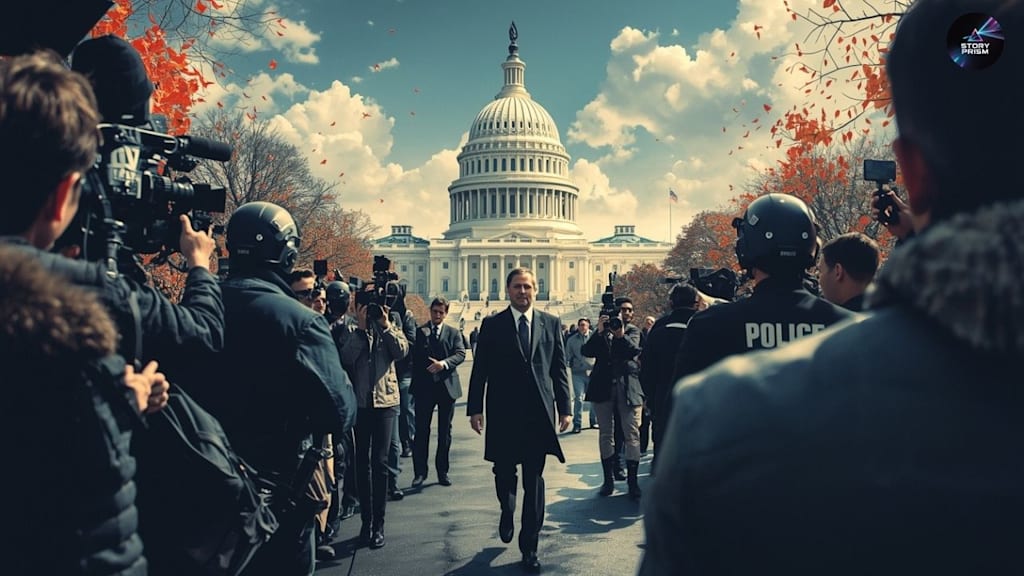
In 2026, former U.S. Congressman Eric Swalwell has become the center of a highly discussed and controversial political story involving multiple allegations reported across major media outlets. These reports have sparked public debate about accountability, due process, media influence, and the consequences faced by political figures when serious accusations become public.
It is important to note that much of the information circulating is based on allegations, interviews, and ongoing claims, not court convictions or final legal rulings.
📌 The Allegations Reported in Media Coverage
According to reporting from outlets such as NBC News and CBS News, several women have come forward with accusations involving Eric Swalwell. These allegations vary in nature and severity.
Some women have described interactions that they say began in a professional or political context and later became personal. In certain accounts, they allege that communication moved to private messaging platforms and became inappropriate or sexual in nature. Others have made more serious claims involving alleged sexual misconduct during private encounters.
One particularly serious allegation reported in NBC News coverage includes a woman claiming she was drugged and sexually assaulted, describing memory loss and fear for her safety during the alleged incident. These claims are presented as allegations made by the accuser and have not been proven in court.
CBS News also reported interviews with women who described feeling misled by what they believed were mentorship-style relationships that allegedly became inappropriate over time. These women have spoken publicly about their experiences, saying they felt pressure, discomfort, or fear due to the power imbalance they perceived.
⚖️ Eric Swalwell’s Response
Eric Swalwell has denied the sexual assault allegations reported in media coverage. He has stated through public responses and legal representation that he disputes the most serious accusations made against him.
In statements reported by multiple outlets, he has acknowledged past “poor judgment” in personal or professional interactions but has rejected claims of criminal behavior. His position, as reported, is that the allegations are false or misrepresented.
As of now, there is no public record of a criminal conviction or judicial ruling confirming the allegations.
🧠 The Role of Media and Public Opinion
The situation has also become a broader discussion about how modern media coverage influences political careers. Opinion commentary, including a New York Times piece, has raised questions about how quickly public figures can face consequences based on allegations alone.
The argument presented in some commentary is that political outcomes—such as resignation, campaign withdrawal, or loss of public support—can occur long before any legal process is completed. Critics of this view argue that media exposure is necessary for accountability and that public trust in political figures requires transparency when serious accusations are made.
This tension between due process in the legal system and judgment in the court of public opinion is central to how the Swalwell situation is being interpreted.
🏛️ Political Impact and Fallout
The allegations and surrounding media attention have had significant political consequences. Reporting suggests that Swalwell stepped back from a gubernatorial campaign and later resigned from Congress amid growing scrutiny and public controversy.
Supporters of accountability argue that political consequences are appropriate responses to credible allegations, especially when multiple individuals come forward with similar claims. Others argue that without formal legal findings, such consequences may raise concerns about fairness and presumption of innocence.
This divide reflects a larger national debate about how allegations against public officials should be handled in an era of rapid news cycles and social media amplification.
📊 Broader Context and Ongoing Debate
The Eric Swalwell situation is not occurring in isolation. It fits into a broader pattern in U.S. politics where allegations of misconduct against public figures often become major news events, regardless of legal outcomes.
Key issues being debated include:
• How media outlets should report unverified allegations
• Whether political institutions act too quickly or too slowly in response
• How to protect both alleged victims and due process rights
• The long-term effects of public accusations on political careers
Legal experts and commentators often emphasize that allegations, even serious ones, must be distinguished from proven facts. At the same time, advocates for survivors argue that public reporting is sometimes the only way to bring attention to misconduct that may otherwise remain hidden.
🔍 Conclusion
The Eric Swalwell controversy remains a developing and disputed political story. Multiple allegations have been reported by major news organizations, and those involved have publicly shared their accounts. At the same time, Swalwell denies the most serious claims, and no judicial ruling has established criminal guilt.
As the situation continues to unfold, it highlights a broader societal question: how should allegations against powerful figures be weighed against the principles of due process?
For readers and observers, the key takeaway is to distinguish between allegations, reporting, and verified legal findings, while understanding the real-world impact such stories can have on political careers and public trust.
About the Creator
Enjoyed the story? Support the Creator.
Subscribe for free to receive all their stories in your feed.
Comments
There are no comments for this story
Be the first to respond and start the conversation.