
An Interview With WEBTOON Creators Punko and Derek V. Song
Talking Stagtown, Fantasy High, and creating for one of the most unique web comic platforms of all time


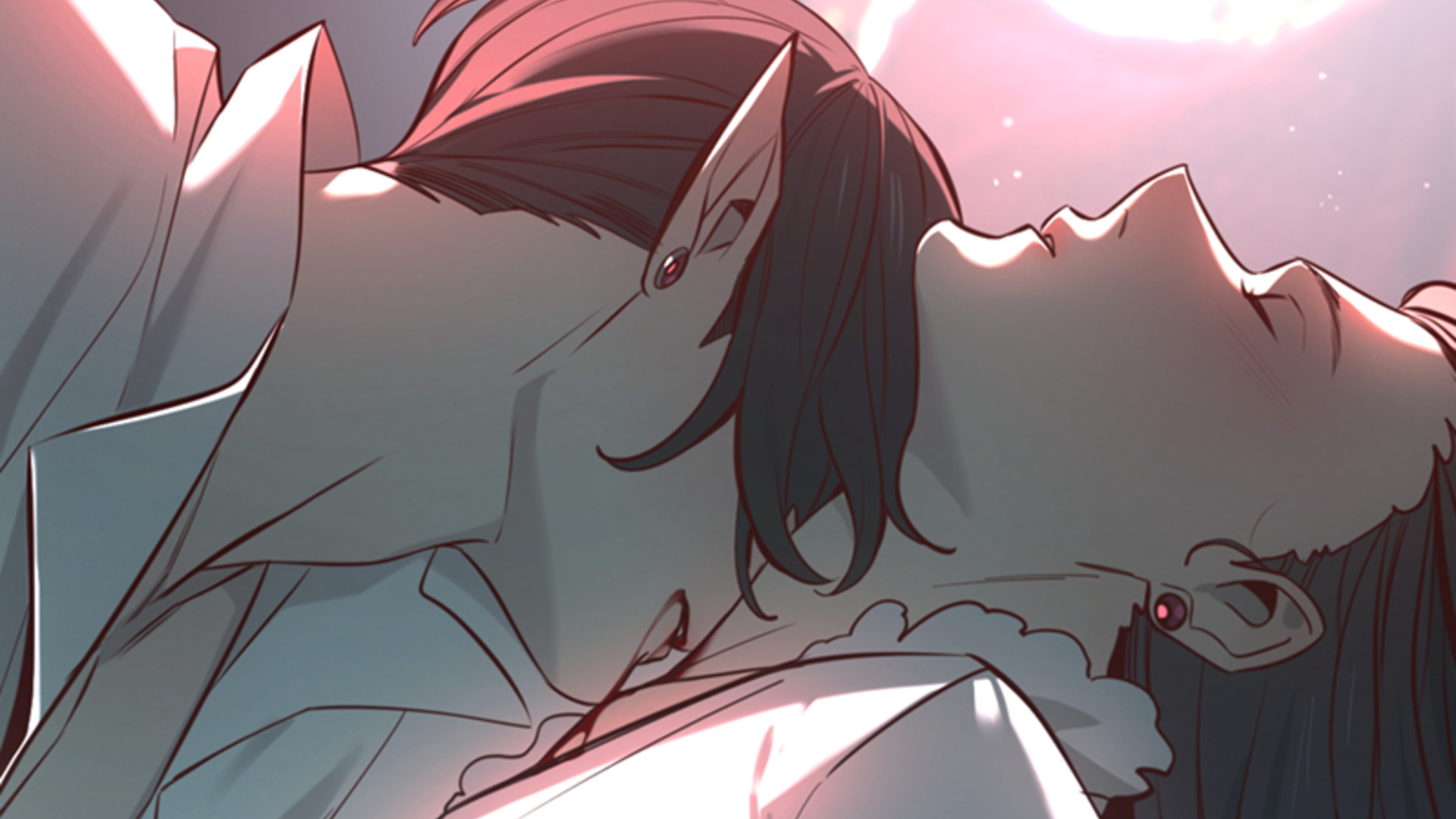
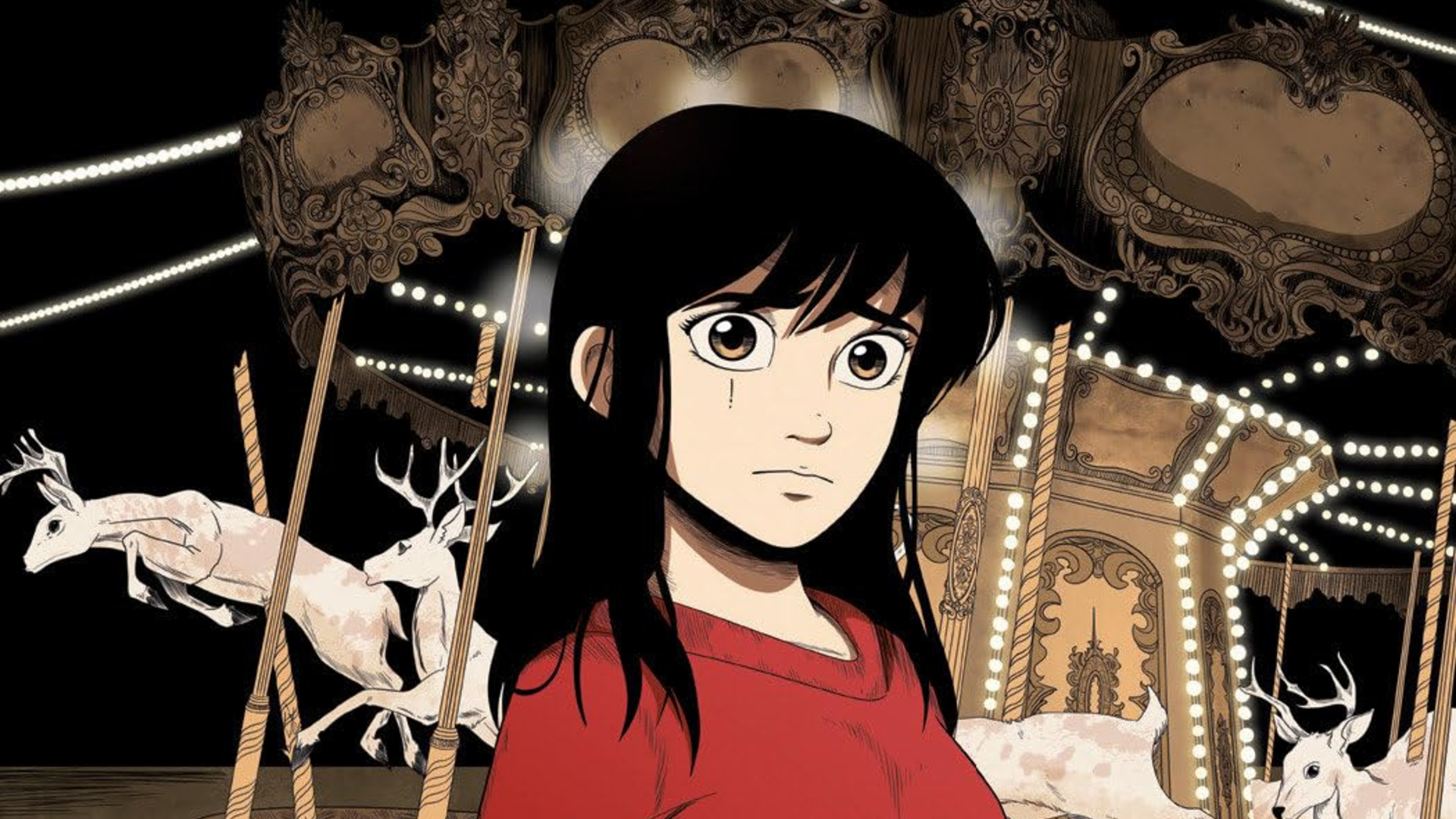
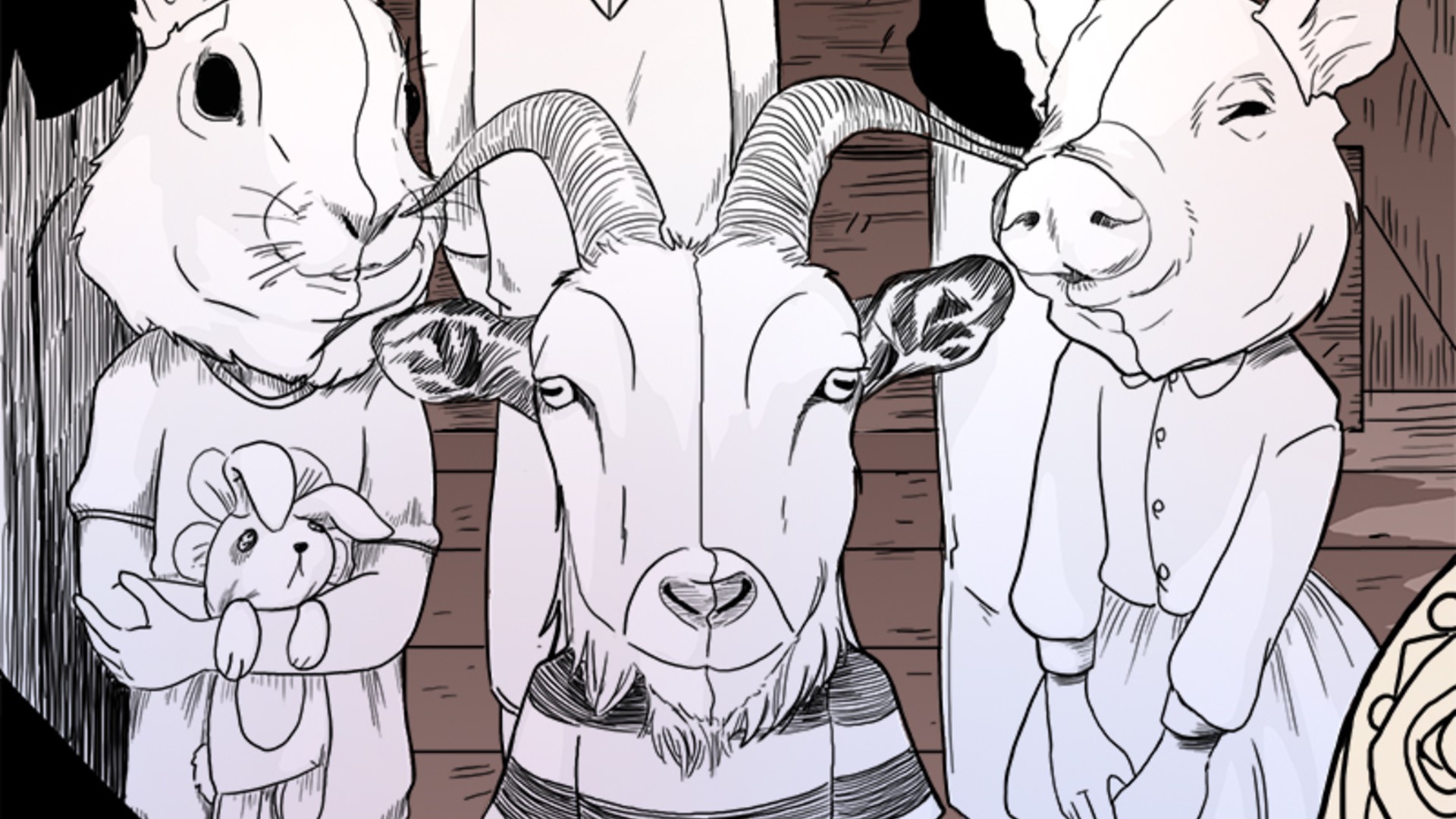
Back in August, I had the opportunity to speak to two of the biggest names on WEBTOON - Punko, the creator of the hit series Stagtown and Cinderella Boy, and Derek V. Song, best known for his work as a writer on Fantasy High, The Last Bloodline, and Paranoid Mage.
Now, you dear readers get to unpack that conversation, and it covers everything from what creative avenues the WEBTOON platform affords its creators to what bringing a series like Stagtown to life on the small screen looks like from behind-the-scenes.
Can y'all give me just a quick breakdown of your WEBTOON journey?
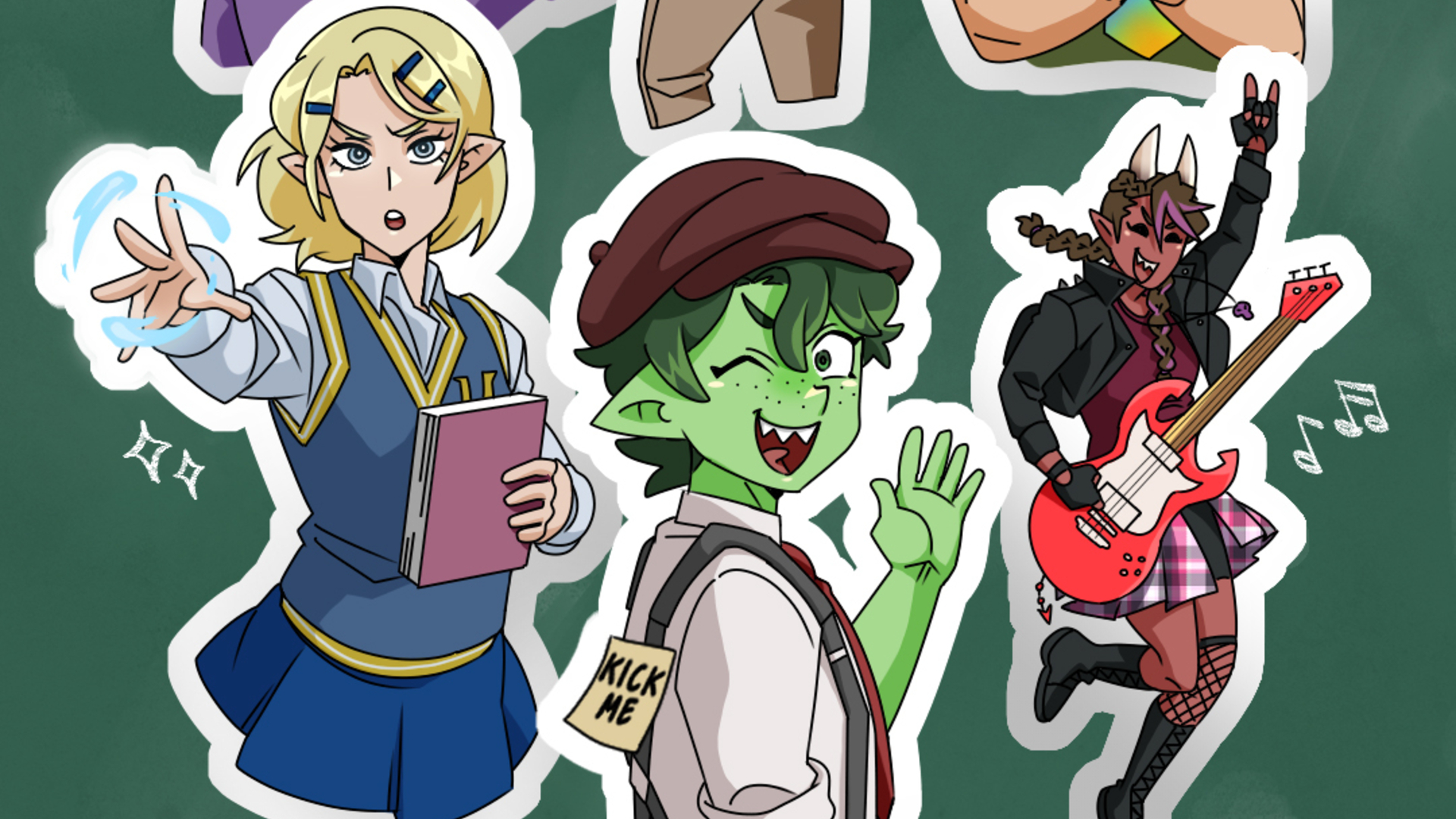
Derek: The very quick version. I discovered WEBTOON in 2019 and fell in love with a title called Lore Olympus that my friend had recommended me. I thought, oh my God, I really want to write this like vertical scroll style.
So I submitted to a contest in 2020, lost, but had gotten the bug, and so I just kept creating and creating until they noticed me. And then I was an intern, a scriptwriting intern, very shortly. And then I started working on some adaptations, which eventually brought me to Fantasy High, and that's what I've been doing ever since.
Punko: So we both entered. Yeah, I was in that too. I got second place, but that was the second time I entered a contest. The first time I worked so hard to enter and didn't win a thing. So I know the feels.
So I've been working in comics for 20 years now, and let's see. When I first started, well, when I first started with WEBTOON, I heard about it from my former publisher at Action Lab, and they're like, "Y'all hear about this app where you can read comics? And my boss is like, "It'll never take off,” and I'm like, “I don’t know, I’d read comics on my phone.”
And so I heard about a contest that was in 2018, I think it was, and I found out about it. You had to have like five chapters or five episodes done for this whole thing, and I found out about it 10 days before it ended, so I stayed up for like 10 days straight, and I got an honorable mention, but I didn't actually win anything. But I did decide to keep going on that story because you know you had to post it to Canvas, and that was Stagtown. And so later on, I was working as a toy designer at a toy company, and I just kept doing that on the side, like on my lunch break, and then the pandemic happened, and the toy company shut down.
So I was like, "Well, now I have no excuse not to update all the time on Stagtown.” So I started doing that, and then I found out about the same contest that [Derek] did in 2020, and I was like, “Maybe I could get some money from this.” And I entered, and that was the short story contest. I got wait, was there two categories in that?
Derek: Yeah, it was heart and brain.
Punko: Yeah, I entered the brain one because I knew there'd be less competition. Literally, it's also how I got honorable mention in the last one too. I entered horror because I knew that it would be the least built-up category. Like, I don't know, just opportunistic. So I got second place in the brain category for a short story called Red Dart, and then I said, "Can I pitch you my Canvas series?” And they said absolutely, and I showed them Stagtown, and so they ended up buying that.
And then halfway through Season Two of Stagtown, I wanted to do like more fun series, and I asked them, you know, could I do this? And they said, “Well, we don't know about it. We don't know if your readers will move on to like a different genre from horror.” And so I was like, "Well, then I'll just get new ones.”
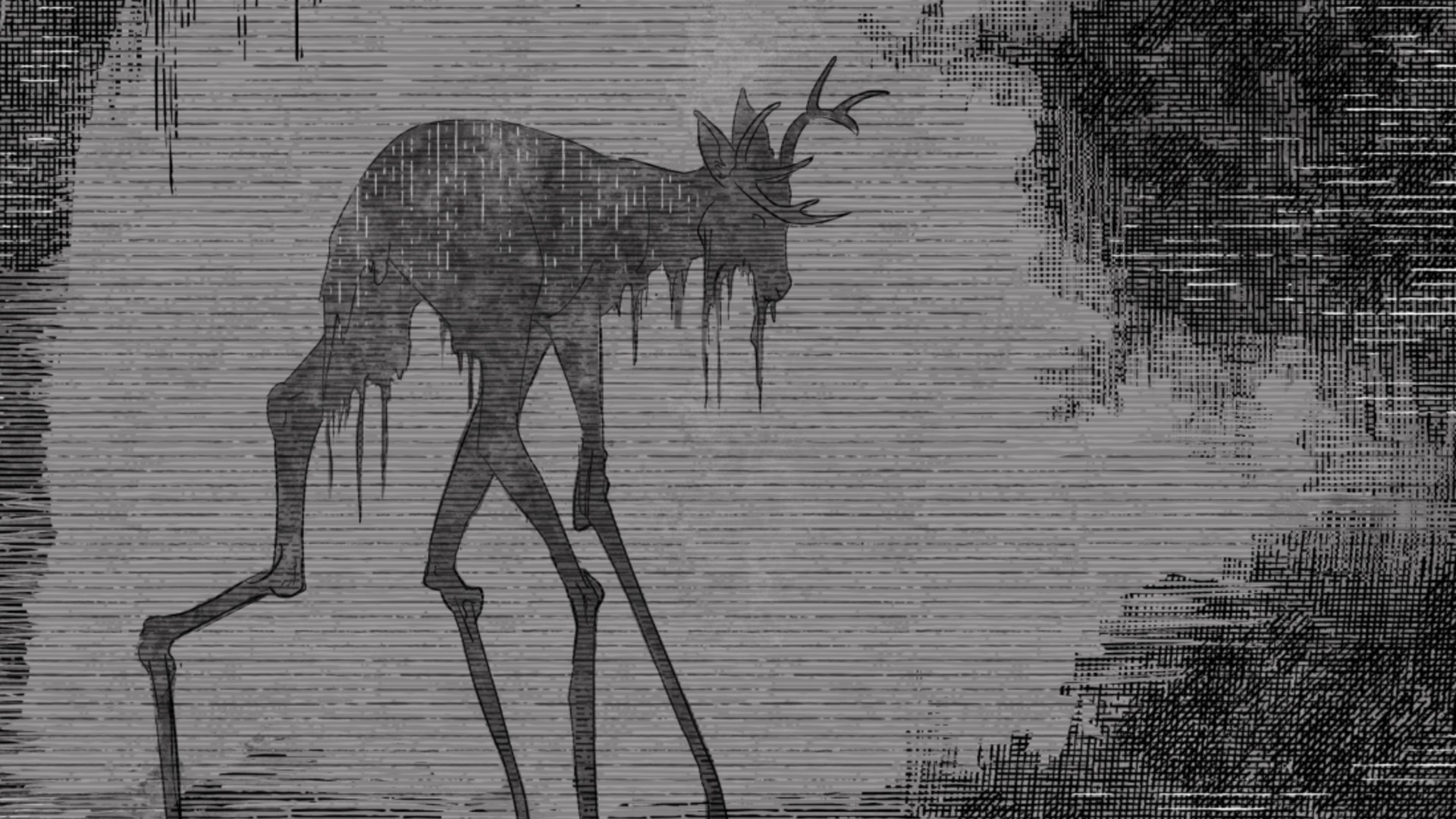
And so I started secretly putting that the new series I do now on canvas under an assumed name to get like a whole new genre of fans to prove that I could do it. And then I proved it, and then they were happy because they like evidence of that sort of thing. And so now I do Cinderella Boy, and that's the whole story.
Amazing. All right, and Derek, you do a lot of adaptations for WEBTOON. How do you approach translating characters and concepts that people already know from elsewhere for the platform?
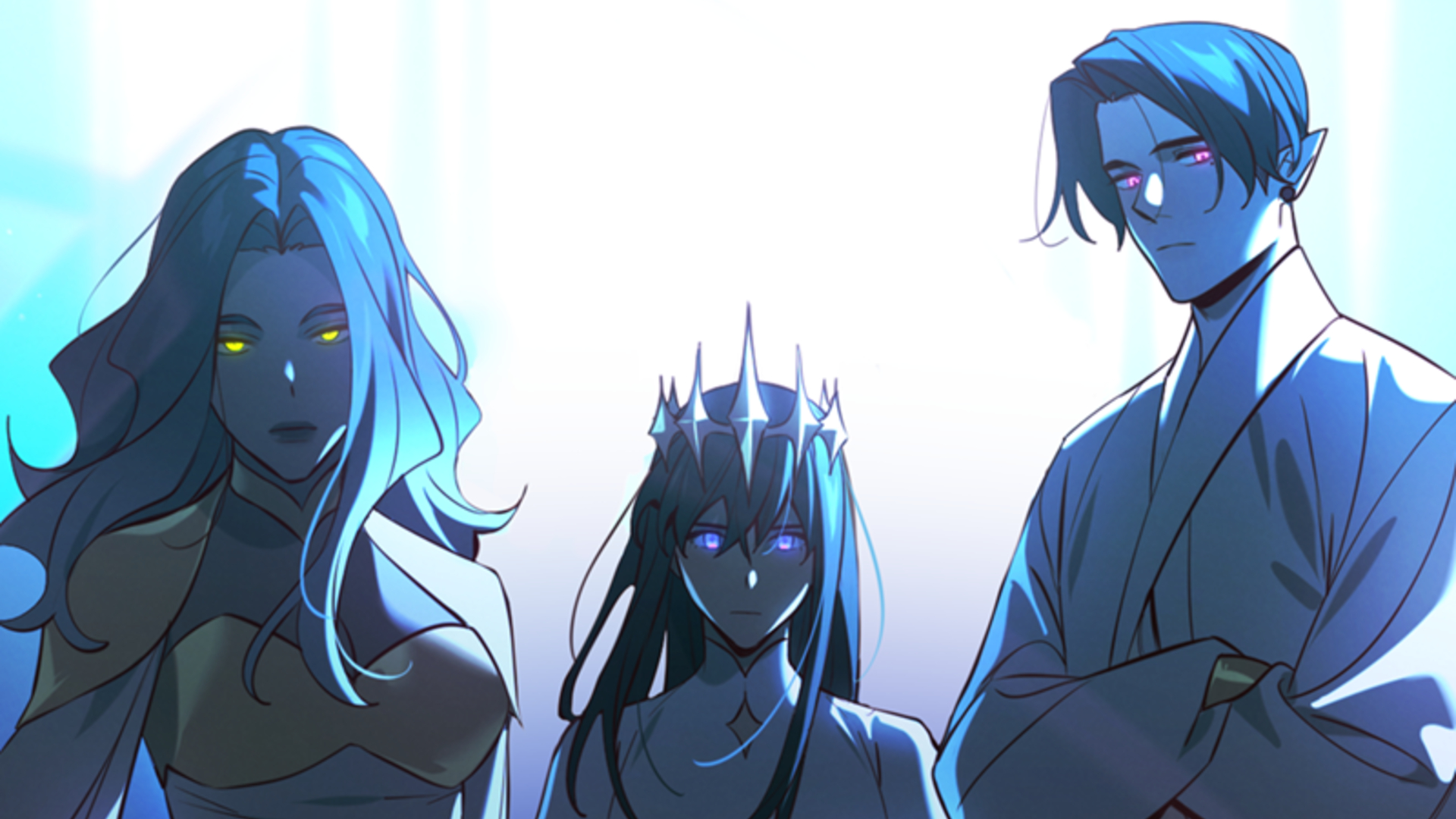
Derek: Great question. I think it depends a lot on the project. I think some projects, the translation is pretty seamless. I think a lot of web novels are oftentimes built with this sort of demographic and tropes and archetypes in mind. So there are certain series that are not all that difficult to translate, and then there are some where you are doing a lot of work, and Fantasy High is one where it takes a lot of work because it's just such a vastly different medium of being like this improvised group storytelling where there isn't really a main character; it's just a bunch of comedians sitting around a table, and streamlining that into a slightly tighter, more cohesive narrative.
It was actually the focus of the beginning of the series for a long time. It was just figuring out how to find the way into the story. Where Fantasy High begins, the source video begins with you know just six disconnected vignettes introducing each character, their home life, their family, you know, etc. We knew for the WEBTOON that we had to pick a singular character for at least a couple episodes to focus on. There are ensemble pieces that have succeeded on WEBTOON, but they're few and far between. So we knew that the best thing we could do for new readers was to lock in on someone, and then once we use them as the entry point, we can then sort of bring in other characters, and then around a couple episodes in, we could start then start treating it like a true ensemble piece.
So Fantasy High was very difficult in that regard, and we had a lot of discussion for weeks, if not months, about like just how to accomplish that, and who would we focus on, and how do we strip down their backstory? How do we, if we're going to take out this element of their introduction, how can we reincorporate that somewhere else? Whether that be just moving it to a different scene or just taking the information and finding a different way to exposit it. I think the one thing I would credit is that I was working with some incredible collaborators. The producers on Fantasy High are as much experts in the series as I am, and we went through probably like over half a dozen different variations of those first episodes, and they kept constantly pushing me to like, “Can we do a little bit better? Can we do a little bit better? Can we streamline just a little bit more? Can we get to this point a little bit faster?”
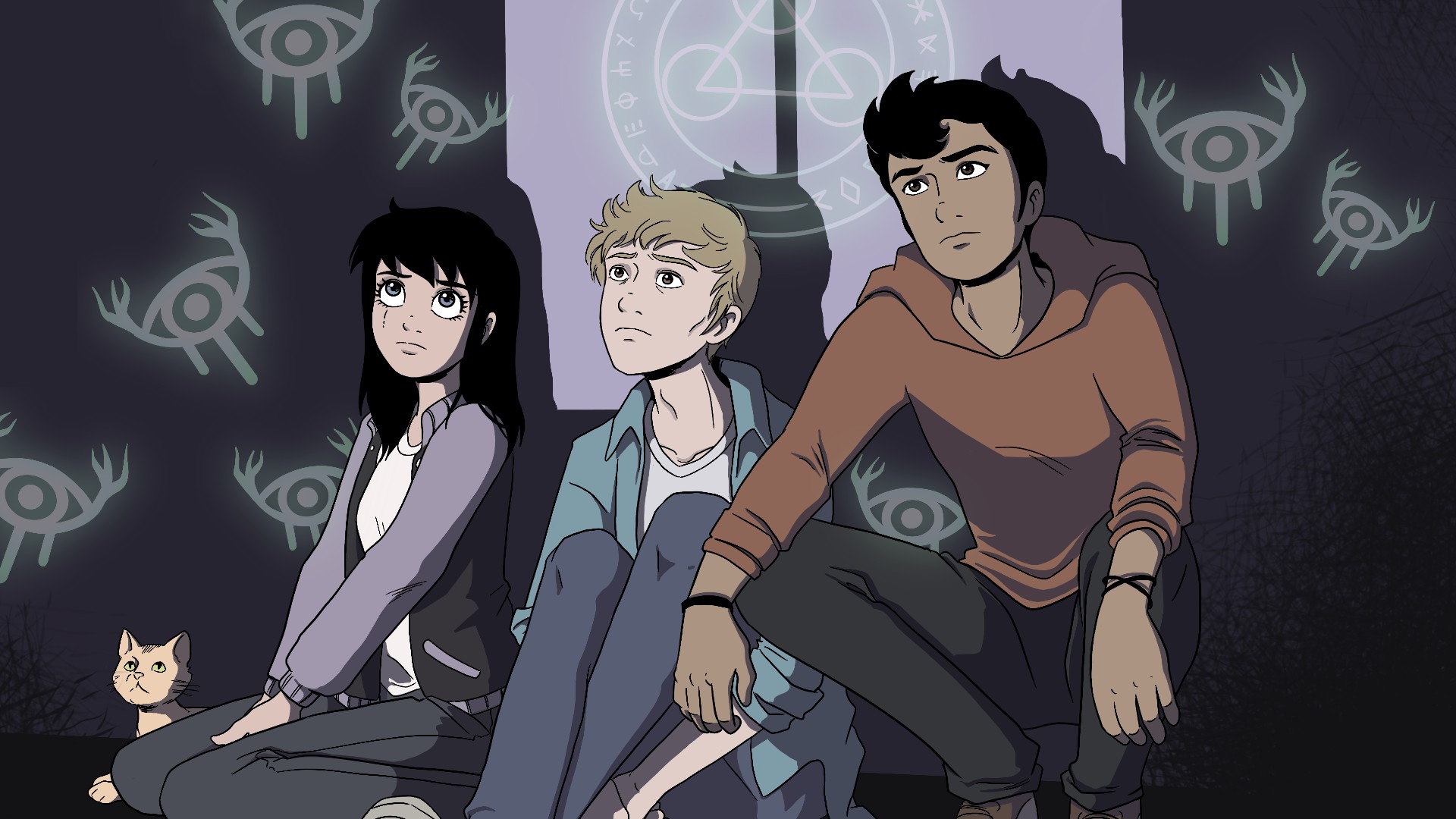
And I think in the end, it was all the better for it. They figured it out. Well, we all figured it out together. And yeah, so shout out shout out to them. I think Fantasy High is one of the more difficult ones, but the other titles I've worked on, like Paranoid Mage and Primal Hunter, there's a little bit of changes, but for the most part, it was it was freeing to be a little more faithful to what those web novels were.
On the topic of adaptations, Punko, Stagtown is currently being adapted by WEBTOON Productions and Lucky Chap. How did that come about, and how involved in the development process are you?
Punko: It's really really cool, and I really like working with the people at Lucky Chap because, and of course our director Ben Brewer he's amazing, because they really have a very strong drive to include creators in the process and they want them to be very involved. I know I was talking to a couple of people over there at the at Lucky Chap, and they wanted to see all of the photos and whatever records we have left of the alternate reality game that ran alongside Stagtown at the same time that it was airing.
Because in Season Two there was an alternate reality game that, you know, it's an ARG, so it's kind of like an if you know you know kind of thing. It wasn't really - they're not announced anywhere. You just kind of have to find out about them. But the fans got to make their choices [which] would ultimately dictate how the story ended, whether they got like the good ending or the bad ending. And thankfully they solved all the puzzles and they got the good ending. And when I told the people at Lucky Chap about that, they immediately wanted to know.
They said even if this has even this ends up not even being in the movie or affecting the movie, like “Could you please show it to us because we really really want you to show us your process and we want to know if you want to be involved in that level, and we want to see all the little puzzle boxes that you built and mailed out and all these other goofy things. And, you know, maybe there's something there that we can sort of like mine for inspiration for the movie.” And so it's been really really great working with them because they definitely aren't a typical “Thanks for the IP we'll take it from here.”
They want to be very involved, and Ben is a great director, and he's also that has that same sort of attitude of you can't make a good movie from someone else's creation without involving them as well, and so I really like it. And they said that they would build a soundstage of my apartment because that's where it was set, and because I wrote it during the pandemic, couldn't go outside, so I used my apartment as drawing reference for one of the apartments in the series, and they said, “Well, why don't we come out and take some pictures, and then we'll build a soundstage of your apartment.” So they're very heavily involved with me.
Derek: Oh wow!
Punko: They really want me to be involved, and you know, they're very nice. They said “Hey, do you want a cameo in the movie? You know like just like a walk-on kind of thing. Do you want to do this? Do you want to do that?” And I'm going to be seeing a rewrite or like another pass with the script very soon, and so I'm looking forward to that. So it's just been a really great experience.
So you mentioned you've been doing comics for a couple of decades now. I know you were at Tokyo Pop for a while and have kind of a traditional publishing background in that regard. Were there any particular hurdles that you faced when you were making the move from more traditional comics to the vertical scrolling WEBTOON platform?
Punko: Well, it has advantages and disadvantages. I actually really prefer being able to think one panel at a time... It's a nice thing. You don't have to plan the whole page out in your mind and jigsaw piece all the panels together and make sure you're watching your page count for every issue and that sort of thing. It's much freer.
On the other hand, there really is no way to do good landscape shots, and it can be difficult to kind of cram everybody into that vertical format… It is so much easier in a vertical scroll to make later revisions where you just said like add one panel or take away one panel. If you do that in a traditional comic, you might throw off your entire page count, which then throws off this double page spread, which then throws off all of this stuff. So, the freedom, like the flexibility of being able to make small changes later on in a WEBTOON, is just so, so, so good compared to traditional comics.
I honestly don't want to go back to traditional only because of that. Or like you know you make a mistake, and it's a difference between I just write to my editor and tell them to re-upload the episode versus the book already went out. Better luck next time.
I actually use it to my advantage because my readers know that sometimes I will go back several episodes later to previous episodes and add extra panels as Easter eggs, so that they, you know, it kind of rewards them on a reread. They'll be like, "Oh, this panel wasn't there before, or this like scene has been expanded.” And I'm thinking about doing that again this week, even though I'm supposed to be on hiatus. I was just like, "I've got a great idea.”
Derek: That's professional gaslighting right there. That's crazy.
Punko: Not gaslighting. It's - it rewards a reread, is what it is.
Derek: That's incredible.
So you both have some pretty major followings on WEBTOON. Do the fans and readers have any direct impact or effect on the trajectory of the stories and the characters that you're crafting,
Derek: Well, I've never done anything as intense as an ARG like Punko did. That I have a lot of questions about that. Mostly just like, were you ever concerned that they weren't going to get all the puzzle solved? But before you answer that, I don't. It has never been as direct, but there have been times where it's like I do take criticism into account.
Obviously, you can't let negative comments ruin your life and like completely dictate everything. But it is helpful to know that, like, oh, I kind of, you know, underdelivered here, and it would be next time I have an opportunity to fix that, I probably should at least keep it in mind. And I do think pushing myself to look back a second. There were times early on in the first parts, the first episodes of Fantasy High, where I had chosen to cut some things from the source material, and I had reasons to do that, and I still stand by those reasons to certain degrees.
But I think also if I just worked a little bit harder, tried a little bit harder, and expressed a little more creativity. I might have been able to keep them in, or at least paid homage to them in a different way, where it would at least satisfy fans to know that I wasn't callously just ripping things out as I adapted it. And I think, in the months past, in the months since, I have thought a lot about the reaction to those moments, and it's just pushed me to be like to really take that second guess anytime I have to do a really big change in the webcomic to really just think is there any way that I can preserve this or at least you know honor it in some way, and there's sometimes the answer is no.
You know, sometimes it's like it just has to be done. It won't work. It has to go. But at least I'm doing that from a place of confidence now, knowing some of the upper limits of what I can get away with, and you know that that is. Before the fan reaction, I was not always as confident in that. So I think nowadays I am both trying to be as faithful as possible and feeling quite confident myself when I can be, and that comes from fan response to the previous episodes. All
And Punko, same question.
Punko: Uh, well, on the topic of just reading comments and reacting to that, usually you know you can't you can't change the direction of your story based on comments because comments are coming from people who do not have the entire perspective of what's going to happen in your story, and I'm the same way. I will watch like my favorite show and be like, “Oh my god, why don't they just do this?” And then it turns out later that that would have been very, very a bad idea, and I think, “Oh, I didn't know that was happening. I didn't know X, Y, and Z was going to occur. Now I see the vision.”
There are times, because I did start out as a horror writer, and then I went into this very 180 sort of romantic comedy that's all ages-There was a scene that was a little bit upsetting to some people. There was like one character who was, it wasn't supposed to be scary or anything, but it was just like somebody was making another character extremely uncomfortable in a way that some of the readers were like, "Well, we don't really love this,” and I took it to heart.
And when I saw that multiple people were saying that, I was like, "I will go back and I will alter the scene.” I didn't delete any art, I just toned down the language in the speech bubbles to make it a little bit nicer, a little bit more palatable, and have the scene go over… Sometimes I lose all perspective, and I was just like, "Well, this doesn't scare me.” But then I realize that a lot of things don't scare me, and sometimes I will notice in an arc that it's so great to post on WEBTOON instead of being in traditional media.
Traditional media, you get feedback like, you know, if it's a monthly comic, you get feedback a month after it comes out or something. People have to email you and tell you what they thought, and it's too late to change it. Whereas you get this on-the-fly commentary. Every week you get a comment section and you can see how people are reacting to things, and I noticed in one arc that I had set up something that people really wanted to see and that was very important. But I was taking a long time getting to it because I was so invested in this other part of a story, and I had forgotten the rule that just because it's interesting for us to write doesn't mean it's interesting for the audience to read.
You could sort of read between the lines because my commenters are all so nice. Whenever people say, "How do you handle negative comments?,” I'm like, "I handle them by not having any.” Like literally, my comment section is so clean because they're all so incredibly nice. I don't know what I did to earn them, but they're amazing. And so their their harshest critique is always like, "Well, I'm sure this will pick up again in the next episode eventually.”
I was so busy doing my own thing, and so I quickly, like, I very intensely for a week worked on rewrites to kind of speed things back up, and they appreciated that. And I did mention that with the ARG. That was a nightmare. Don't do it. Don't do that by yourself. Everybody says don't do an ARG by yourself, and I was like, “Of course. But that only applies to other people, right? Not me, because I can do anything.” I read books about it, and every book said “Do not try and do this on your own.” And I was like, “No, it's fine. It's not that big a deal.” Except, it was the biggest deal of all deals that I've ever dealed.
It was hiring actors to do voices to record secret phone recordings that people had to watch YouTube videos in a secret channel that I filmed myself out in the woods to give them secret codes to get the phone numbers to call things to then get hand carved and handmade puzzle boxes, seven of them, mailed to them from a very specific location that I had to drive to every time I mailed them out, and it was just a nightmare. But everybody really enjoyed it. They thought it was super fun, and I don't regret doing it.
I do regret doing it by myself, but they did-They did affect the outcome of the series entirely, and I did write an alternate ending for it. That was very sad, and I was really there. There was one day where I was just watching the episode go up, and I was like, “They've got 12 hours to email this one email drop and send the right code, and I've got two different versions of the episode that I'm waiting till the last minute to post.” Which was because in the story they actually the people reading the story, it's hard to explain, but they're sort of like people outside of Stagtown, that Jeremy has contacted and left messages for through his blog, and what they had to do was send an email to a very specific email address that he was going to have like five seconds to check and get a message from...
So it was either waiting there at 9 p.m. when the episode came out, or it wasn't. So I had two different versions of him getting the email and being relieved about it, or not getting it, and then things go worse. And so I'm just sitting there waiting for them to send it in, and waiting and waiting and waiting, and just being like, “Which one do I send in?” I'm waiting till the last minute, which is something you cannot do in print comics, you can really only you can only do it in this format, which I love, and that's why I like working on WEBTOON because there are so many things you can do in this format that you can't do in print.
Speaking of user engagement, when I went on hiatus between Seasons One and Two of Cinderella Boy, I like to do hiatus projects, which the readers know as the greatest hiatus. They're episodes, but they're easier for me to do than other episodes because they're formatted like a visual novel game, and I just use sprites and reused backgrounds and like do a whole big thing. So for that one, they basically read the comic version of a sprite visual novel game, and at the end of every episode, they'd vote to decide on where they would go next in the story.
So then the next episode would follow whatever route they took. It's like, “Do you want to go back to the school or do you want to go to the cafe and investigate?“ And so they'd have to pick. And so it had this whole, it was like doing a visual novel, but you know, it's a comic, and so they had a lot of fun doing that. And I am, I just went on hiatus right now, and we are doing another hiatus project, which is similar but not quite, and it has something in it that I have been field testing for quite a while now, and I don't know that anybody has ever actually done this before.
And I'm really, really, really hoping it doesn't fail. But if it goes well, it will be extremely fun, and the fans will get to. I can't really give it away, but sort of interact with the characters and their lives in a way that they have not been able to before, and without the use of AI or V-Tubers or that sort of thing. So this is what I've been working on for like months now, and I love the interaction that WEBTOON affords me that print absolutely did not.
That's really amazing. And speaking of Cinderella Boy, is there anything that fans should know going into the future of the series when you come back from hiatus?
Punko: Well, there's a Season Three, so that's always fun… In about six hours, I have to do a live stream on Twitch. I don't have to. I want to do a live stream on Twitch. And before you got here, I was mentioning to the others these the stack of books. Three out of six books, that's a collection that somebody wrote a fanfic for Cinderella Boy. That's 200 chapters long, and they had it bound up into six books that they sell.
So I bought the whole collection, the whole hardcover collection. So tonight we're doing a special live stream where I like to showcase fan-made merchandise because they make keychains and like little toys based on my characters, and they sell them, and I buy them up religiously. I don't ask them to donate them. I buy them because I want them to have their money, and so I have the books. I have a bunch of other things, and we like to do these little showcases of fan art and fan merch and everything. And so that's I that's something that I hope everybody can look forward to in Season Three, where we'll have even more regular live streams showing off people's creations and just big upping the community, man.
Big up the community because you guys make such cool stuff, and I want to own all of it.
All right, and Derek, anything that fans should be expecting from the next season of Fantasy High?
Derek: Yeah, we got Sophomore Year coming out in I think two weeks around there, or maybe one week from now. It is a lot of fun. I am so proud of the work we've been doing here, and I. I think one of the things that I am most excited about is, as I was talking about before, Season One had so much work done to make it accessible to new readers, and I think one of the great parts about Season Two is that we could trust that those new readers have acclimated at this point.
That they understand the story we're telling, they understand these characters, the tone, the sort of absurdist nature of it all, and we could really just sort of embrace the source material in its entirety in a way that we always tried with Season One, but sometimes we were hitting a wall with. So I think Season Two is more absurd. It is funnier. It is sadder in a lot of ways, and I think both fans of the original source jail and fans of just the web comic are gonna really enjoy it.
About the Creator
Enjoyed the story? Support the Creator.
Subscribe for free to receive all their stories in your feed. You could also become a paid subscriber, letting them know you appreciate their work.
Comments
There are no comments for this story
Be the first to respond and start the conversation.