
Why the Sega Dreamcast Was Too Ahead of Its Time to Survive
Remembering the Sega Dreamcast

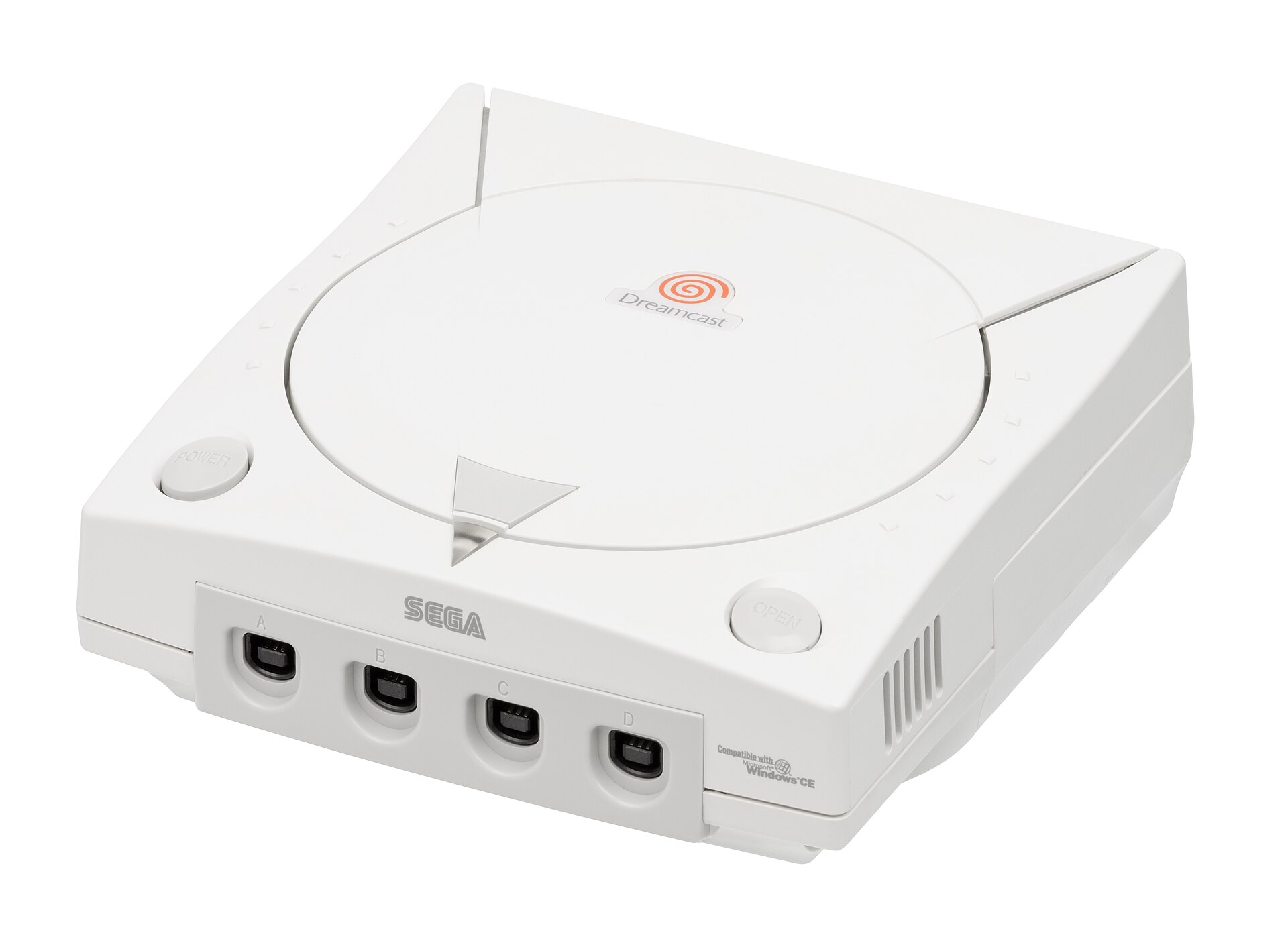
On September 9, 1999, gaming history changed forever. Sega launched the Dreamcast in North America, kicking off a marketing blitz centered around the iconic date: 9/9/99. It was a sleek, white, compact console with an orange swirl on the lid and a bright future ahead of it. Within twenty-four hours, Sega sold over 225,000 units, shattering entertainment retail records at the time.
For a brief, glorious moment, Sega was back on top of the video game world. Yet less than two years later, in January 2001, Sega announced it was discontinuing the Dreamcast and exiting the hardware business permanently. The console did not fail because it was bad. It failed because it arrived years before the rest of the gaming industry was ready for its boldest ideas.
Pioneering Online Console Gaming
Today, downloading updates, chatting with friends online, and playing multiplayer matches across the globe are standard features on every console. In 1999, those concepts were practically science fiction for living room gamers.
The Dreamcast was the first console to ship with a built-in modem right out of the box. Gamers could plug a standard telephone cord directly into the back of the machine and connect to SegaNet. Titles like Phantasy Star Online, Quake III Arena, and NFL 2K1 brought true online multiplayer to home consoles years before Xbox Live even existed. Unfortunately, dial-up internet was slow, expensive, and tied up the family phone line, limiting how many players could fully enjoy this revolutionary feature.
The Genius of the Visual Memory Unit
The Dreamcast controller was famously bulky, featuring a single analog stick and triggers that laid the blueprint for modern Xbox controllers. Its most inventive feature, however, sat right in the center: the Visual Memory Unit, or VMU.
The VMU was much more than a standard memory card. It featured a tiny monochrome LCD screen, directional buttons, and its own battery. When plugged into the controller, it displayed secret information during games, such as play calls in NFL 2K, so your friend sitting next to you could not see your strategy. When unplugged, it transformed into a standalone mini handheld console, allowing players to raise virtual pets in Sonic Adventure on the go. It was an early ancestor to the second-screen gaming later popularized by the Nintendo Wii U and Switch.
Unmatched Arcade Perfection and Bold Games
During the late nineties, arcade machines were still vastly more powerful than home consoles. The Dreamcast changed that overnight. Built on hardware nearly identical to Sega’s NAOMI arcade boards, the Dreamcast brought true arcade-perfect graphics into the living room.
Beyond technical power, Sega encouraged developers to take massive creative risks. The Dreamcast library remains one of the most inventive in gaming history:
• Shenmue invented the modern open-world genre, featuring dynamic weather, day-and-night cycles, and townspeople with daily schedules.
• Jet Set Radio pioneered cel-shaded graphics, creating a vibrant, comic-book visual style that still looks stunning today.
• Seaman used a controller microphone attachment to let players talk to a bizarre, sarcastic fish with a human face.
• Soulcalibur delivered launch-day fighting visuals that actually looked better than the original arcade version.
Why the Dreamcast Fell Short
Despite glowing reviews and passionate fans, the Dreamcast could not overcome two massive obstacles: Sega’s past mistakes and Sony’s unstoppable hype machine.
Throughout the mid-nineties, Sega had burned consumer trust with confusing, expensive add-ons like the Sega CD and 32X, followed by the poorly handled Sega Saturn launch. Retailers and gamers were hesitant to invest in another Sega system.
Then came the PlayStation 2. Months before Sony’s console even hit shelves in 2000, the gaming world froze in anticipation. The PS2 doubled as an affordable DVD player at a time when standalone DVD players cost hundreds of dollars. Gamers stopped buying Dreamcast consoles and waited for Sony, starving Sega of the cash it desperately needed to survive. Furthermore, the Dreamcast’s lack of copy protection made pirating games notoriously easy, hurting software sales at a critical moment.

A Lasting Legacy
The Sega Dreamcast lived a short life, selling just over nine million units worldwide. Yet its DNA is woven into every modern gaming console we play today. From online multiplayer networks and downloadable content to ergonomic triggers and second-screen displays, Sega built the blueprint for twenty-first-century gaming. It burned bright, died young, and proved that sometimes, being first to the future is the hardest place to survive.
Editor’s Note: This article was co-created using AI assistance from Google AI for drafting and research structure, in compliance with Vocal’s community standards
About the Creator
Matthew A
Matthew is the author of Battles of the Pacific War 1941-1945. Battles of the Pacific War is available on Amazon and Lulu in e-book and paperback formats. Check out the book’s blog at battlesofthepacificwar.blogspot.co.uk.
Enjoyed the story? Support the Creator.
Subscribe for free to receive all their stories in your feed.
Comments
There are no comments for this story
Be the first to respond and start the conversation.