
Understanding Vampires in D&D
A Practical Guide to Adding Vampire Lore to Your D&D Campaign

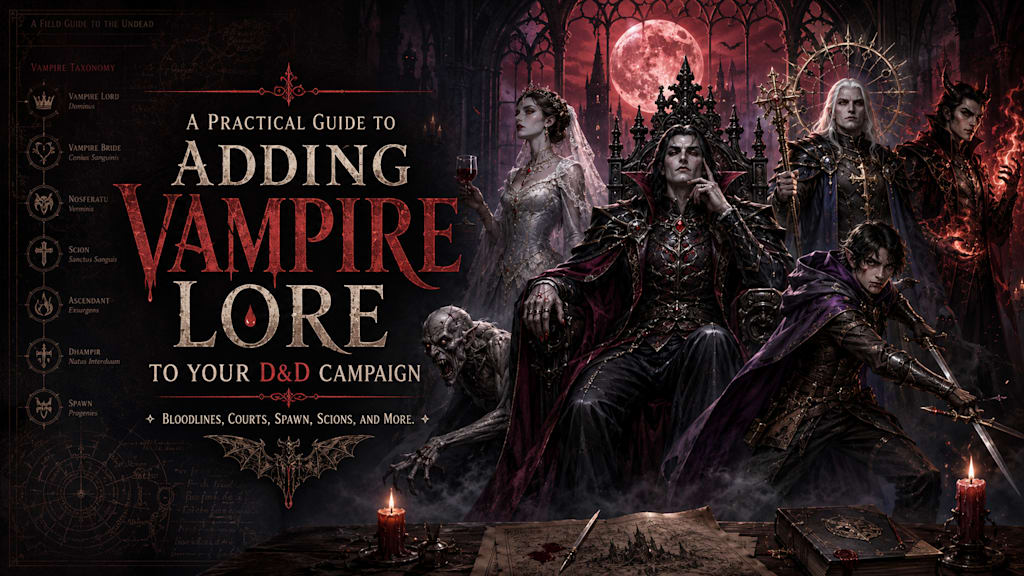
D&D has plenty of vampire material, but it is spread across monster entries, campaign settings, player options, older lore, and homebrew traditions. This guide organizes those scattered pieces into one practical system for Dungeon Masters.
The goal is simple: give every vampire type a clear job at the table.
Standard vampire spawn remain the baseline. Vampire lords control bloodlines and courts. Scion Vampire Lords connect vampirism to gods. Ascendant Vampires bring in infernal escalation. Nosferatu cover physical horror. Dhampir and Pact-Bound Vampires give players usable vampire-adjacent options. Lesser Vampires let DMs run local horror without involving ancient undead politics every time.
This taxonomy makes vampires easier to use because it answers the practical questions that matter during campaign design: what created the vampire, what rules govern it, what kind of threat it represents, and what happens when the party kills it.
Vampirism Is Not One Thing
The first rule is simple: vampirism is not one condition.
It is a family of related curses, divine corruptions, infernal bargains, necromantic experiments, bloodline mutations, and failed attempts at immortality.
That framing lets a DM use different vampire concepts in the same campaign without forcing them into one origin. A Strahd-style vampire lord, a Shar-created Scion, a Nosferatu predator, a Pact-Bound warlock, a dhampir, and a Witcher-style bruxa can all exist in the same world if each one has a defined role.
The practical benefit is clarity. Players can learn what kind of vampire they are dealing with, and that knowledge changes how the encounter should be handled.
Standard Vampire Spawn Are the Baseline
Most vampires should start from the standard D&D vampire spawn model.
That keeps the system usable. Not every vampire needs a custom origin, custom power set, or special exception. Most creatures turned by a vampire lord become standard spawn. If elevated later, they usually become standard vampire lords.
Spawn are also controlled.
A spawn cannot effectively plot against its lord because the lord can hear the spawn’s thoughts and see through the spawn’s eyes. That rule explains how vampire courts maintain order. Spawn may hate their sire, fear their sire, or want freedom, but they cannot safely rebel while the bond remains intact.
That makes spawn useful for more than combat. They can be guards, assassins, servants, tragic victims, or prisoners who understand exactly what has been done to them.
Vampire Lords Create Consequences
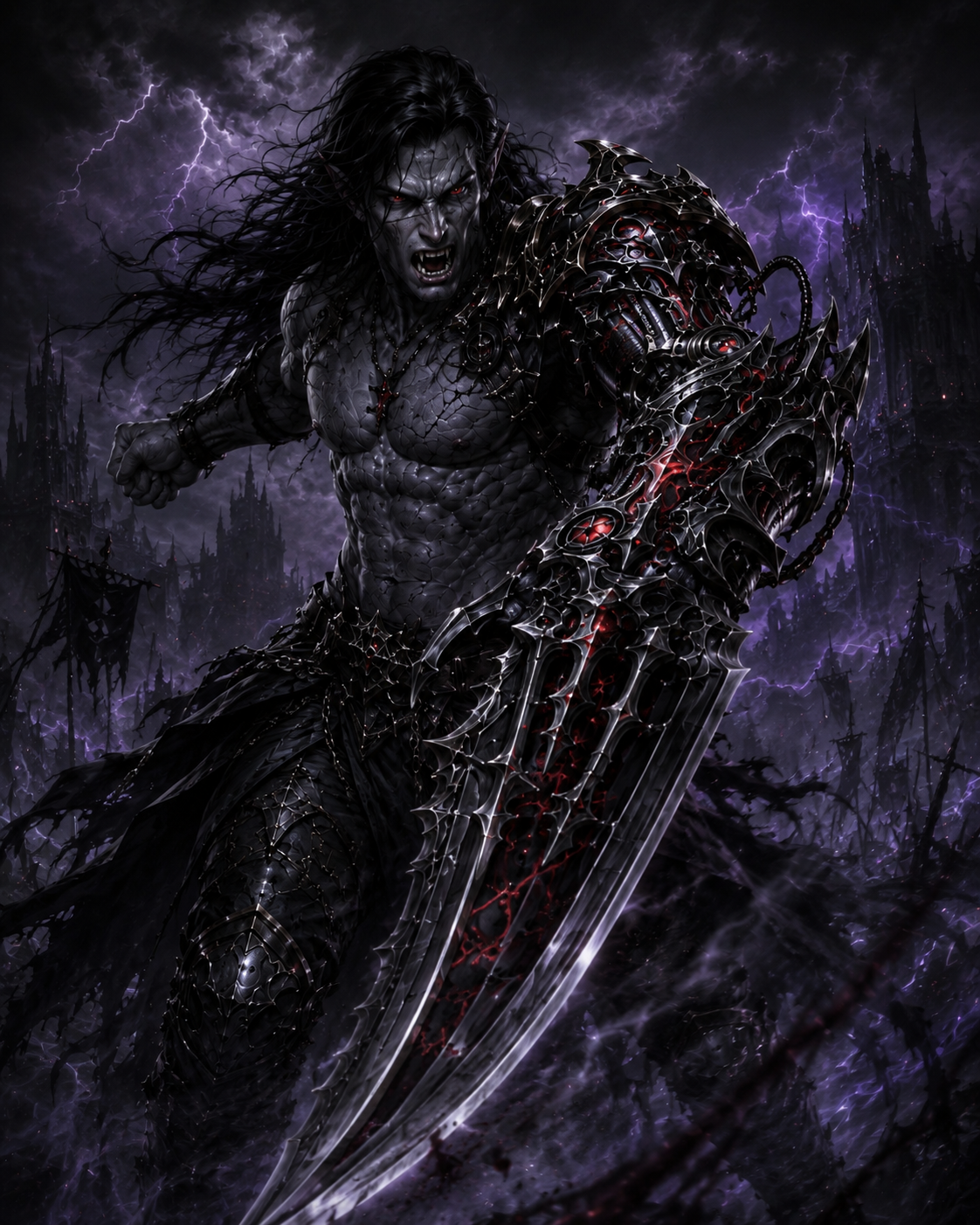
A vampire lord is the standard full vampire. This is the creature that creates spawn, controls bloodlines, maintains courts, and becomes a long-term campaign threat.
A spawn becomes a vampire lord when its sire allows it to feed from the sire’s blood. That should never feel casual. A lord who shares blood is creating a rival, heir, lieutenant, bride, weapon, or future problem.
The stronger campaign rule is succession:
If a vampire lord dies, that lord’s surviving spawn become vampire lords.
That makes killing a vampire lord a strategic decision, not just a boss fight. Destroying one ancient vampire may free a region. It may also create several new lords overnight. A controlled threat can become an uncontrolled civil war.
That rule gives vampire stories weight. The party can still choose violence, but the aftermath matters.
Vampire Status Is Not Just Combat Strength
Vampire hierarchy should not work like a challenge-rating chart.
Status depends on origin, age, fear, legitimacy, divine favor, infernal enhancement, sire-line prestige, and political position. An Ascendant Vampire may be stronger than many vampires in direct combat, but that does not mean it outranks a god-created Scion Vampire Lord. A Vampire Lich may be hated, but it is feared because its blood functions as a phylactery.
Use this social pecking order:
- God-created Scion Vampire Lords
- Vampire Liches: because they are feared
- Ancient first-line vampire lords, including major Strahd-line or equivalent patriarchs
- Ascendant Vampires
- Standard Vampire Lords = Variant Vampire Lords
- Vampire Brides
- Nosferatu elders
- Pact-Bound Vampires
- Dhampir
- Scion Spawn
- Ascendant Spawn
- Vampire Spawn = Nosferatu Spawn
- Vampire Familiars
- Lesser Vampires
This gives vampire society structure without making every rank a guaranteed combat result.
How to Use Each Vampire Type
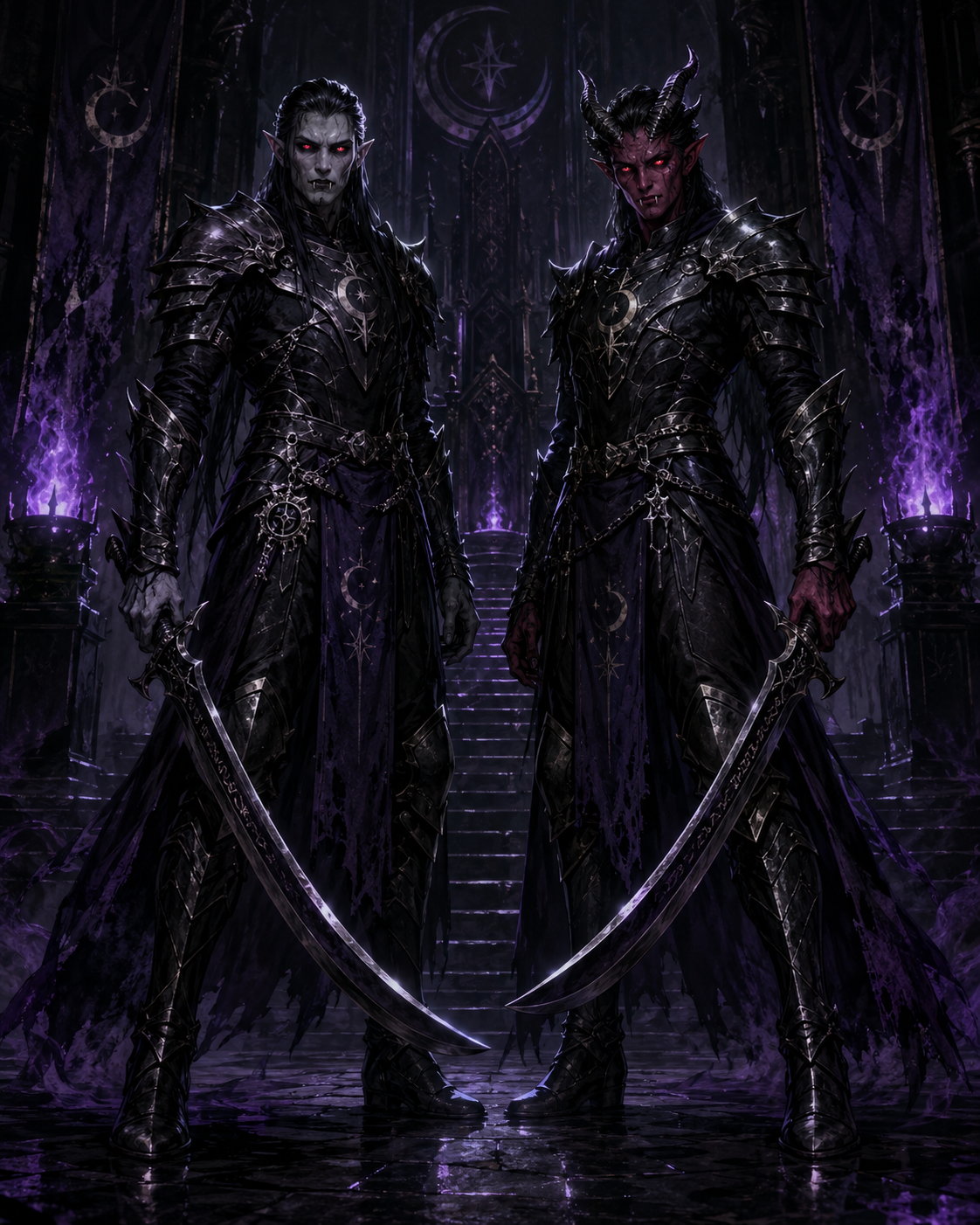
Scion Vampire Lords are god-created or god-empowered vampires. Use them when vampirism needs to serve a divine agenda. A Scion of Shar, Myrkul, Bhaal, Cyric, Orcus, or another dark power is not just a predator. It is an instrument.
Vampire Liches are high-level undead horrors. Their blood functions as their phylactery, which makes them harder to destroy through normal vampire rules. Their spawn can become secondary phylacteries if fed that blood, losing their souls in the process.
Ancient first-line vampire lords are the old blood. Use them for major Strahd-line or equivalent patriarchs. Their power comes from age, reputation, and proximity to the beginning of a major sire line.
Ascendant Vampires are vampire lords enhanced through infernal magic tied to the Nine Hells. Use them for ambition, forbidden self-improvement, and vampires who believe undeath was only the beginning.
Standard and Variant Vampire Lords form the backbone of vampire politics. Standard lords should be common. Variant lords should be rare. Dwarf vampires, elf vampires, drow vampires, illithid vampires, vampire dragons, and similar creatures should appear when the victim’s nature or the magic involved creates an unusual result.
Vampire Brides are created through a dangerous blood ritual and are bound heart and soul to their sire. They cannot create spawn, cannot produce dhampir, and die if their sire dies. Use them for loyalty, obsession, court politics, and vulnerability.
Nosferatu are physical horror. They begin as hideous, feral monsters, though some grow beautiful and regain their minds over time. Ancient Nosferatu should feel intelligent and dangerous, but still more physical than aristocratic.
Nosferatu Spawn are useful because they are sane, independent accidents. They are not normal puppets of a sire. Use them for Blood Hunters, tragic allies, independent criminals, or monster hunters who became monsters.
Pact-Bound Vampires are Hexblade or Undead Patron warlocks drawing power from vampiric sources. They are pseudo-vampires, not full undead. Use them for player characters, failed experiments, mortal agents, or people being slowly changed by a vampiric patron.
Dhampir work best when their feeding need explains their origin. Blood suggests a vampire lord legacy. Psychic energy suggests pact contamination. Dreams suggest nightmare or sleep-based corruption. Life energy suggests aura-based predation. Cerebrospinal fluid suggests artificial vampires. Flesh suggests ancient Nosferatu influence.
Scion Spawn are standard spawn marked by a Scion Vampire Lord’s god. Give them one thematic ability, not a bloated stat block. A Shar Spawn might see through magical darkness. A Bhaal Spawn might deal extra damage to wounded creatures.
Ascendant Spawn are altered enough to walk in daylight. Use them as daylight assassins, infernal guards, or agents of an Ascendant Vampire.
Vampire Familiars are mortals marked by vampire blood but not fully turned. They are useful daylight agents, messengers, servants, and political tools.
Lesser Vampires exist outside vampire lord sire-line politics. Use them for local horror, failed rituals, Shadowfell contamination, and mad science. Bruxa belong here as Witcher-style lesser vampires created by failed immortality experiments. In practice, they are all female because male victims are devoured during the transformation process.
Final Thoughts
This system makes vampire lore easier to run because every category has a function.
Standard spawn keep the game familiar. Vampire lords create bloodline politics. Scions bring divine horror. Ascendants bring infernal escalation. Vampire Liches make immortality harder to solve. Nosferatu add physical terror. Dhampir and Pact-Bound Vampires give players clear vampire-adjacent options. Lesser Vampires let DMs run local horror without involving ancient courts every time.
The result is a cleaner campaign tool.
Vampires stop being one monster repeated in different clothes. They become rulers, servants, weapons, failures, experiments, heirs, predators, and consequences.
That is how you make them last longer than one castle.
About the Creator
Juan Alfonso
Former Marine Corps correspondent with newspaper and magazine experience. I own a digital marketing company and write about games, TV, movies, comics, and pop culture. Husband, dad, and cat dad 🖖 #LLAP
Enjoyed the story? Support the Creator.
Subscribe for free to receive all their stories in your feed.
Comments
There are no comments for this story
Be the first to respond and start the conversation.