
The Architect of the Void
In a world built of blocks, one player discovers that the most intricate structure is the one hidden in the code itself.

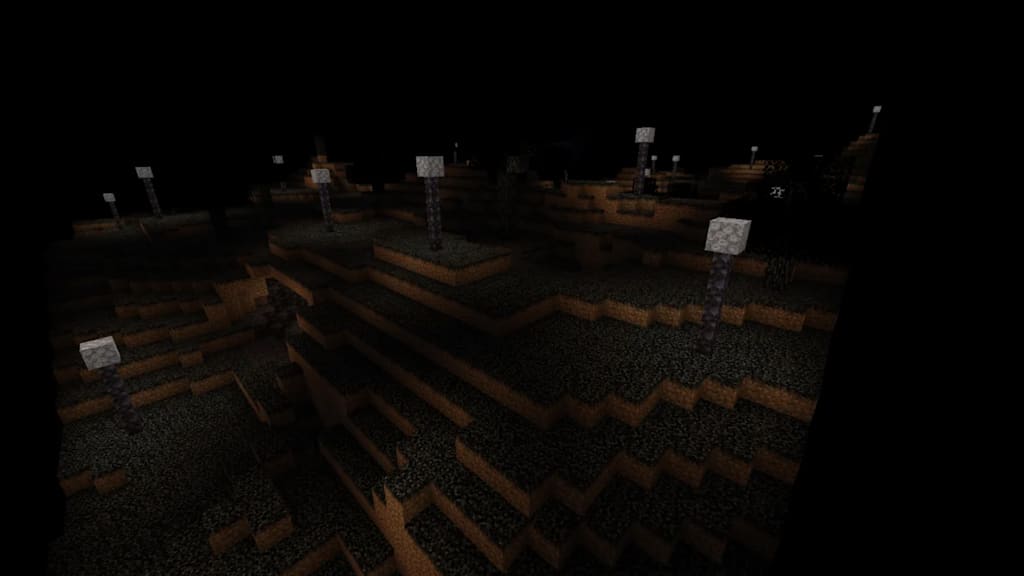
The world of Minecraft was like a two- coin. On one side it was a place with a grid. A structure of cube-shaped blocks where everything had a size could be mined and manipulated. For people the game was simple: wake up hit a tree build something and survive the night.. Leo saw it differently. He spent time in the F3 menu than fighting monsters. To him the world was a place of possibilities based on coordinates. He didn't see trees; he saw data. He didn't see caves; he saw patterns waiting to be used.
Leo had his server, which he hosted himself. It was a world with a special version of Minecraft called TLauncher Forge 1.21. He had spent months picking mods that would push the game to its limits. He added mods to make the game run smoothly and others that made the game more complex.
His base wasn't a castle or a mansion. It was a underground machine. It was a system with redstone and clockwork that automated everything from growing crops to making potions.
"It's all about being efficient " Leo would say to himself. He would type fast on his keyboard as he adjusted some repeaters. "If I can make things happen faster I can get more done."
The excitement in Leos life wasn't in fighting monsters or playing with players. It was in the moments of the process. He wanted to create a world where the game never slowed down. He wanted every part of the game to work together smoothly. He was like a builder of order in a world of noise.
There was something that bothered him. No matter how much he optimized there was a problem at the edge of what he could see. Every time he stood on his balcony he could see a block of bedrock floating in the distance. It was a block that shouldn't exist. It was a glitch.
Leo hated things that weren't optimized. He decided he had to get to that block.
He spent weeks getting ready. He made armor and packed his inventory with useful items. He built a way to travel in the Nether. He pushed his game to its limits.
As he reached the block the game started to struggle. The picture would flicker. It got slower.. He finally got there.
The block was a black cube of bedrock.. When he clicked on it a new window appeared. It wasn't the games chat; it was a command prompt.
The game was talking to him. It told him that he had reached the limit of optimization.
It asked if he wanted to see the games code. He typed "YES."
The world changed. The blocks turned into lines of text. He saw the code that made the game. He saw how the game worked.
He realized that he had been trying to make the game perfect.. The beauty was in how it worked. He had been so focused on building that he forgot about the code.
He spent a time looking at the code. He saw his base reduced to simple statements. It was humbling.
Eventually he got back to the prompt.
It asked if he wanted to reset the world. Leo looked at the code. Thought about what he had done. He realized that the fun wasn't in making it perfect; it was in trying to build something within the games limits.
He typed "NO."
The world went back to normal. He was standing on the bedrock block again. The sun was. The light looked good on his structures.
He jumped off. Landed in a pool of water. He started building a cottage. Not for efficiency but because it felt right.
He was still a builder. Now he was a builder of experiences.. As he watched the digital moon rise Leo finally stopped using the command prompt and started playing the game fully present, for the first time.
About the Creator
Zak
Digital wordsmith crafting highly engaging, research-backed stories. Specializing in gaming optimization, deep-dive guides, and digital culture trends that keep readers scrolling.
Enjoyed the story? Support the Creator.
Subscribe for free to receive all their stories in your feed.
Comments
There are no comments for this story
Be the first to respond and start the conversation.