
Nintendo’s Next Golden Era: Gen Alpha and Millennials Are Sharing the Controller
From Red and Blue to Breath of the Wild, Nintendo's enduring magic is bridging the gap between yesterday's kids and today's players.

Nintendo’s Next Golden Era: Gen Alpha and Millennials Are Sharing the Controller
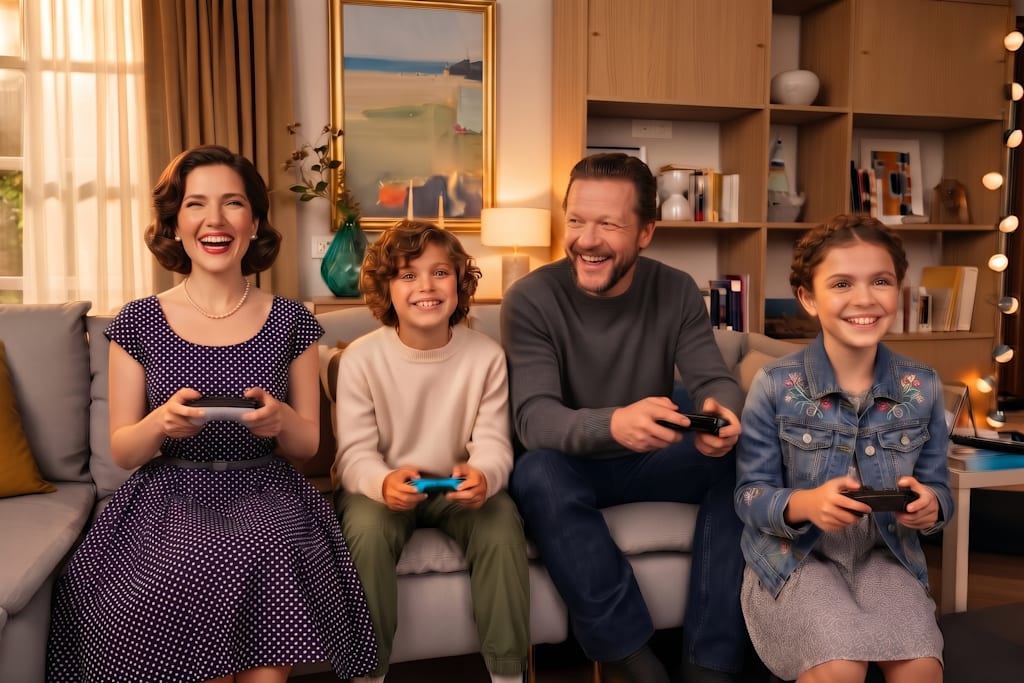
For years, Nintendo’s most dependable audience was a devoted millennial generation that grew up with the NES, Game Boy, Nintendo 64, GameCube, DS, Wii, and Switch eras. Those players carried franchises like The Legend of Zelda, Pokémon, and Fire Emblem through decades of hardware transitions, sequel gaps, and changing industry trends.
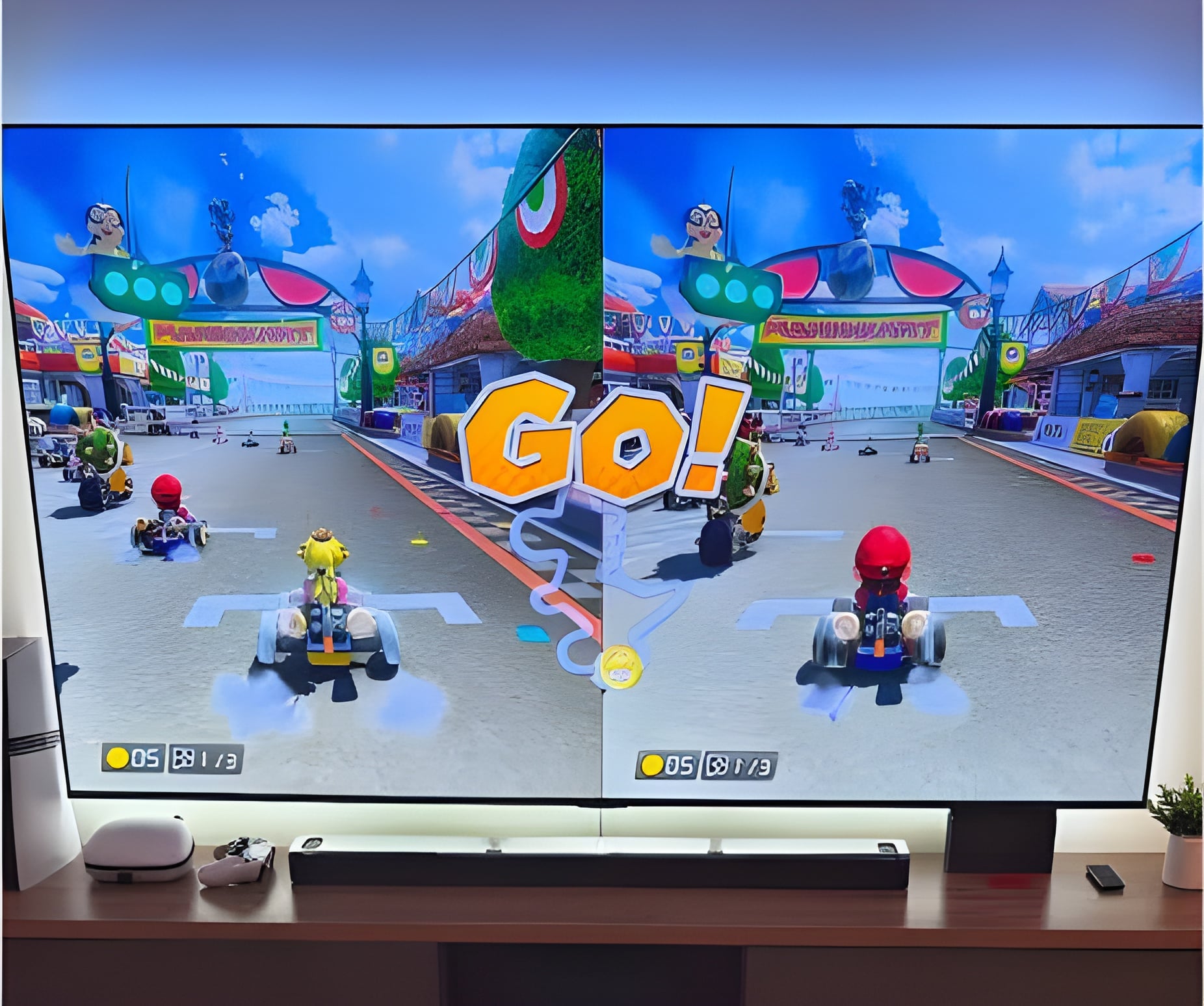
What’s happening now is not a handoff so much as an expansion. Gen Alpha is arriving as a major new wave of consumers and fans, and that influx is helping keep Nintendo’s ecosystem culturally vibrant and commercially strong.
Why Gen Alpha Is Fueling Nintendo’s Momentum
1. Nintendo’s franchises are uniquely multi-generational
Many entertainment brands struggle to bridge age groups. Nintendo’s biggest series are designed around approachable mechanics, memorable characters, and strong gameplay loops that work for both newcomers and longtime fans. A child discovering Pokémon today can enjoy the same core fantasy — catching creatures, building a team, and exploring a colorful world — that appealed to players decades ago.
2. The Switch era lowered the barrier to entry
The Nintendo Switch family created an unusually family-friendly gaming environment: portable play, local multiplayer, simple setup, and a large catalog of all-ages titles. That matters for Gen Alpha because many first gaming experiences happen at home with siblings, parents, or friends rather than in isolated hardcore-gaming spaces.
3. Social discovery amplifies Nintendo brands
Gen Alpha discovers games through short-form clips, streams, memes, fan art, and online communities. Zelda puzzles, Pokémon shiny hunts, Fire Emblem character discussions, and speedrun highlights travel well across modern platforms. Nintendo’s franchises benefit from being highly shareable and instantly recognizable.
The key point
Gen Alpha isn’t rescuing Nintendo from irrelevance. Rather, it is adding a large new layer of engagement on top of an already loyal millennial base. Nintendo’s durability comes from the overlap between generations, not the replacement of one by another.
Zelda: From Cult Prestige to Mainstream Event
For a long time, Zelda had enormous critical prestige but a somewhat smaller mainstream footprint than Pokémon. The Switch era changed that. The Legend of Zelda: Breath of the Wild and The Legend of Zelda: Tears of the Kingdom became cultural events, attracting veteran fans while bringing in younger players who were drawn by open-world exploration, emergent gameplay, and viral moments.
Millennial fans provided continuity — they bought the games early, created guides, theories, and communities — while Gen Alpha helped spread Zelda across contemporary social platforms. The result is a franchise that now feels simultaneously classic and current.
Pokémon: The Ultimate Generational Bridge
Pokémon is perhaps the clearest example of cross-generational reinforcement. Parents who grew up with Pokémon Red and Blue now introduce children to modern entries, anime, cards, plush toys, and mobile experiences. Each new generation of players adds consumers without necessarily displacing the previous one.
That matters economically: Pokémon is not just a game series; it is a long-running ecosystem of games, trading cards, merchandise, events, and media. Gen Alpha participation expands the ecosystem while millennial nostalgia continues to sustain it.
Fire Emblem: From Niche to Broad Recognition
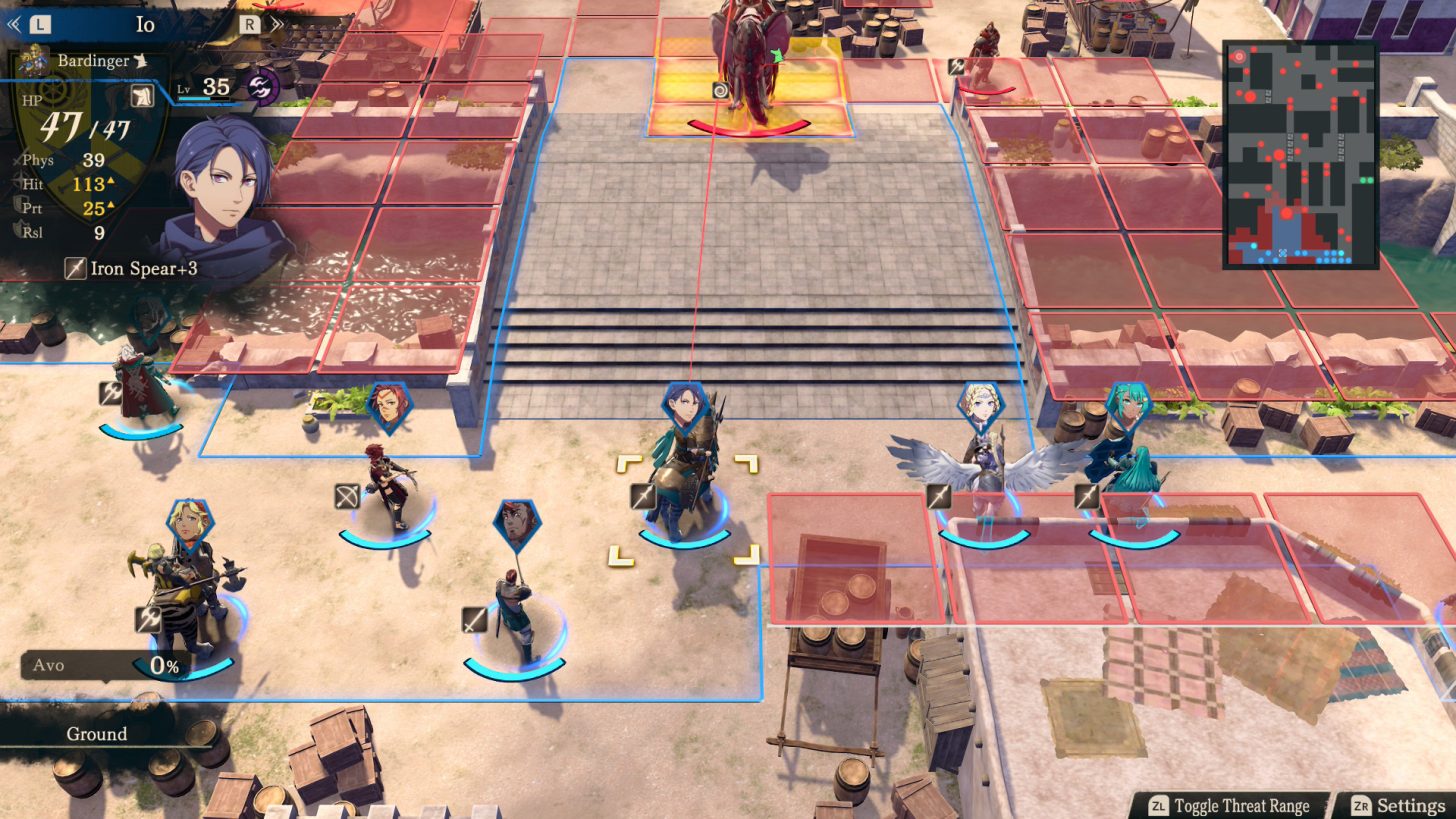
Fire Emblem spent many years as a comparatively niche tactical RPG franchise outside Japan. The rise of Nintendo’s modern handheld audience, crossover exposure through Super Smash Bros., and breakout entries such as Fire Emblem: Three Houses.
Gen Alpha’s interest in character-driven stories, online fandoms, and strategy content has helped Fire Emblem reach audiences that may never have touched earlier entries. Yet the franchise’s triumphant release of Fire Emblem: Fortune’s Weave still rests on a foundation built by longtime enthusiasts who supported it during its leaner years.
A better framing than “Gen Alpha is keeping Nintendo alive”
A more accurate positive framing is: Gen Alpha is helping Nintendo stay culturally dominant by expanding the audience for franchises that millennial fans kept thriving for decades.
That formulation acknowledges both realities:
1. Millennials were the long-term backbone of Nintendo fandom through multiple hardware generations.
2. Gen Alpha is now delivering a significant new wave of engagement, social visibility, merchandise demand, and franchise discovery.
The Bigger Picture
Nintendo has entered a new golden era, built on something more powerful than simply selling video game consoles: creating experiences that connect generations. The success of the Nintendo Switch console created an enormous foundation, reaching millions of new players worldwide. The arrival of Nintendo Switch 2 strengthens this momentum even further. By June 2026, Switch 2 had already reached 23.68 million units, while games such as Mario Kart World had sold 15.39 million copies. Nintendo has cleverly expanded its reach beyond games through movies and other entertainment, with The Super Mario Galaxy Movie in 2026 and an expected blockbuster live-action Legend of Zelda movie planned for 2027.
Its My Mario initiative, for example, is specifically designed around young children and parents enjoying Nintendo characters together, showing that the company is thinking beyond today's consumer and building relationships with tomorrow's players. If Nintendo continues combining nostalgia, mindful decisions, innovation, entertainment, and family experiences, the years ahead could become a period worth cherishing.
Millennials can revisit the games of their childhood, while Gen Alpha can discover those same worlds for the first time.
About the Creator
Dena J Falken
Writer, legal expert, and global communication advocate specializing in international relations, alternative dispute resolution, and cross-border clarity.
Enjoyed the story? Support the Creator.
Subscribe for free to receive all their stories in your feed.
Comments
There are no comments for this story
Be the first to respond and start the conversation.