
Why Most Professional Athletes Never Become Wealthy
Sports and Business

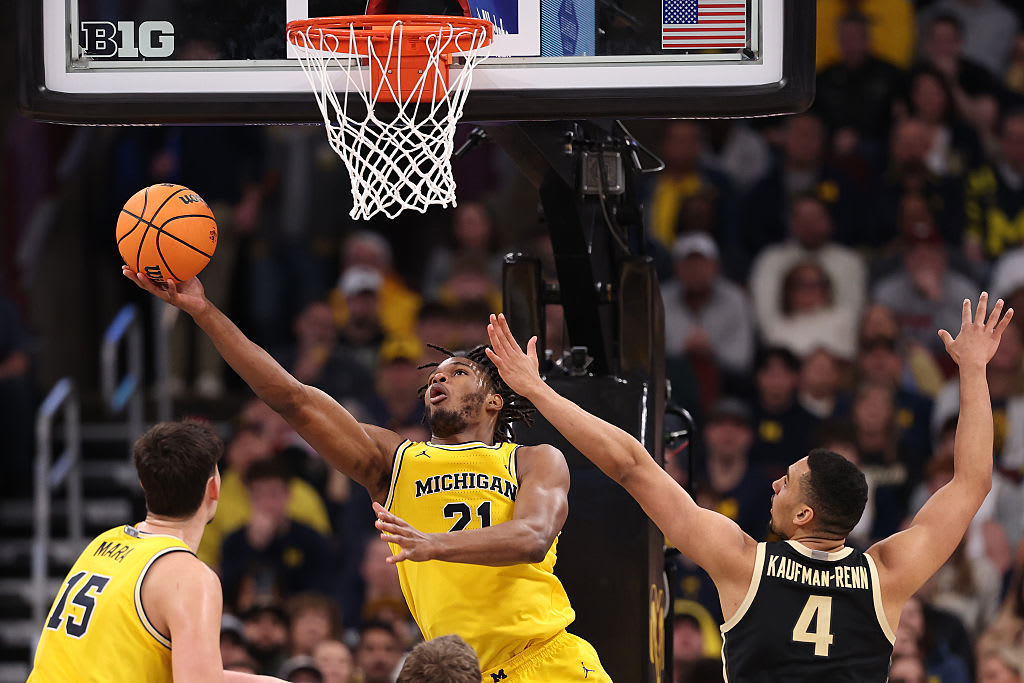
Professional sports are often associated with extraordinary wealth, high visibility, and glamorous lifestyles. Headlines frequently highlight multi-million-dollar contracts, lucrative endorsements, and extravagant spending, creating the impression that financial success is an inevitable outcome of athletic achievement. However, this perception is highly skewed. While a small percentage of elite athletes accumulate substantial wealth, the majority of professional athletes never reach long-term financial security.
The gap between perception and reality stems from structural, economic, and behavioral factors that limit earning potential and undermine wealth accumulation. Short career spans, uneven income distribution, high expenses, and financial mismanagement all contribute to this outcome. Understanding why most professional athletes do not become wealthy requires examining the broader ecosystem of professional sports rather than focusing solely on its most visible stars.
The Illusion of High Earnings
The perception that professional athletes are universally wealthy is largely driven by visibility bias. Media coverage disproportionately focuses on superstar contracts, endorsement deals, and record-breaking salaries, creating an impression that such earnings are typical. In reality, these figures represent the extreme upper end of a highly uneven income distribution, where a small minority captures a large share of total earnings.
Most professional athletes operate outside this elite tier. In many sports, especially those with lower commercial appeal, salaries are modest and sometimes unstable. Even within major leagues, the gap between top earners and the rest is substantial. Minimum contracts, short-term deals, and performance-based incentives mean that many athletes earn far less than headline figures suggest. Additionally, time spent in minor or developmental leagues often comes with significantly lower pay, further reducing overall career earnings.
Another factor contributing to the illusion is the gross versus net income disparity. Publicized salaries do not account for taxes, agent commissions, training costs, and other professional expenses. These deductions can significantly reduce take-home income, particularly for athletes who are not at the highest earning levels. As a result, the financial reality is often far less impressive than it appears.
Endorsements, often seen as a major source of wealth, are also concentrated among a small group of highly marketable athletes. The majority receive little to no income from sponsorships, limiting their ability to supplement salaries.
This combination of uneven earnings, hidden costs, and selective visibility creates a distorted narrative. While top athletes may achieve extraordinary financial success, they are statistical outliers. The typical professional athlete earns far less than public perception suggests, making long-term wealth accumulation far more challenging than commonly assumed.
Short Career Lifespans
Short career lifespans are one of the most significant constraints on wealth accumulation for professional athletes. Unlike traditional careers that may span 30 to 40 years, most athletes have a limited window—often between 3 to 10 years—to earn the majority of their lifetime income. This compressed earning period creates a structural disadvantage, requiring athletes to generate, manage, and preserve wealth in a fraction of the time available in other professions.
Several factors contribute to this brevity. Physical performance is inherently time-sensitive, with peak athletic ability typically occurring in early adulthood. As athletes age, performance declines, and competition from younger talent increases. Injuries further shorten careers, sometimes abruptly ending them without warning. Even minor injuries can reduce playing time, affecting both performance and earnings.
The instability of contracts adds another layer of uncertainty. Many agreements are short-term or contingent on performance, meaning income is not guaranteed. Athletes may experience sudden drops in earnings due to team changes, reduced playing time, or release from contracts. This unpredictability makes long-term financial planning more complex.
Early retirement also introduces a significant financial transition. Athletes often leave their sport at an age when most professionals are still building their careers. Without sufficient savings or alternative income streams, they may face decades of financial responsibility with limited earning capacity. Transitioning into a new profession can be difficult, particularly if education or skill development was deferred during their athletic career.
Ultimately, the short duration of athletic careers compresses both opportunity and risk. High earnings, when they occur, must be carefully managed to sustain long-term financial stability, a challenge that many athletes are not adequately prepared to meet.
High Costs and Lifestyle Inflation
High costs and lifestyle inflation significantly erode the earning potential of professional athletes, making long-term wealth accumulation difficult even for those with relatively high incomes. While public attention often focuses on gross salaries, the net financial reality is shaped by substantial ongoing expenses tied to maintaining a professional career and a high-profile lifestyle.
Athletes incur a range of professional costs that are rarely visible. These include coaching fees, personal trainers, nutrition programs, travel, equipment, and medical care. In addition, agents and managers typically take a percentage of earnings, further reducing take-home income. For athletes competing outside top-tier leagues, these expenses can consume a large portion of their earnings, leaving limited room for savings.
Lifestyle inflation compounds the issue. As income increases, spending often rises in parallel, driven by both personal choices and external expectations. Athletes may invest in luxury homes, vehicles, and high-end goods as symbols of success. Social environments within professional sports can reinforce this behavior, where visible wealth becomes a form of status signaling. Maintaining such a lifestyle creates recurring financial obligations that persist even if income declines.
There is also often an expectation to provide financial support to family members or close networks. While this can be culturally and personally meaningful, it adds another layer of financial responsibility that must be managed carefully. Without clear boundaries and planning, these obligations can strain resources over time.
The combination of high fixed costs and escalating discretionary spending reduces the capacity to build long-term financial security. When earnings decrease or end, the financial structure built during peak years can become unsustainable. This dynamic highlights that income alone does not determine wealth; disciplined cost management and controlled spending are equally critical factors.
Lack of Financial Literacy and Planning
Lack of financial literacy and structured planning is a major factor preventing professional athletes from converting earnings into lasting wealth. Many athletes enter their careers at a young age with limited exposure to financial management, then suddenly face complex decisions involving large sums of money, taxes, contracts, and investments. Without the necessary knowledge or guidance, this transition often leads to inefficient or risky financial behavior.
A common issue is overreliance on advisors without adequate oversight. While agents and financial managers can provide expertise, athletes may lack the background to evaluate their advice critically. This creates vulnerability to poor investment decisions, excessive fees, or even fraud. In some cases, trust is placed in individuals without proper credentials or accountability structures.
Budgeting and long-term planning are also frequently underdeveloped. Irregular income streams, performance-based contracts, and uncertain career durations require disciplined financial strategies. However, many athletes focus on short-term earnings without establishing savings plans, emergency funds, or retirement accounts. This leads to a mismatch between income patterns and financial obligations over time.
Risky investments further exacerbate the problem. Athletes may be drawn to high-return opportunities without fully understanding associated risks, often influenced by peers or social networks. Concentrated investments, lack of diversification, and speculative ventures can result in significant losses.
Another challenge is the absence of a post-career financial roadmap. Without planning for income beyond active competition, athletes may struggle to maintain financial stability after retirement. This includes not only saving but also developing alternative income streams or career pathways.
Ultimately, financial literacy is not just about knowledge but about applying disciplined decision-making over time. Without it, even substantial earnings can be quickly depleted, preventing the transition from income generation to sustainable wealth accumulation.
Limited Post-Career Opportunities
Limited post-career opportunities present a significant barrier to long-term financial stability for professional athletes. While their active careers are often intense and highly specialized, the skills developed during this period do not always translate easily into other professions. As a result, many athletes face a sharp decline in earning potential once their competitive careers end.
A major challenge is the narrow window for skill diversification. During peak athletic years, time and energy are heavily focused on training, competition, and recovery. Education, professional networking, and career development outside of sports are often deprioritized. This creates a gap when athletes retire, as they may lack the qualifications or experience required for alternative careers.
Although some athletes transition into roles such as coaching, broadcasting, or sports management, these opportunities are limited and highly competitive. They often favor high-profile individuals or those who have built strong networks and personal brands during their careers. For the majority, such pathways are not readily accessible.
Entrepreneurship is another potential route, but it carries its own risks. Without prior business experience or financial expertise, athletes may struggle to manage ventures effectively. Failed business attempts can further deplete savings accumulated during their playing years.
The psychological aspect of transition also plays a role. Retirement from sports often involves a loss of identity, structure, and purpose, which can affect decision-making and adaptability. This can delay or complicate the pursuit of new opportunities, impacting financial outcomes.
Ultimately, the lack of structured preparation for life after sports leaves many athletes vulnerable. Without a clear transition strategy, the shift from a high-earning, high-visibility career to a more conventional professional path can significantly reduce their ability to sustain or grow wealth over time.
Structural Inequalities in Sports Economics
Structural inequalities in sports economics play a decisive role in why most professional athletes do not accumulate significant wealth. The financial architecture of sports is inherently uneven, with revenue and compensation concentrated among a small subset of leagues, teams, and individuals. This creates a system where a minority of athletes capture a disproportionate share of total earnings, while the majority operate within constrained financial conditions.
At the core of this inequality is the distribution of revenue. Sports that generate high levels of media rights, sponsorship, and global viewership—such as major football, basketball, or tennis circuits—can support large salaries for top performers. However, even within these systems, compensation is heavily skewed toward star athletes who drive audience engagement and commercial value. Role players and lower-tier professionals earn significantly less, despite competing at the same elite level.
The disparity is even more pronounced across different sports. Many disciplines lack substantial commercial backing, limiting prize money, salaries, and sponsorship opportunities. Athletes in these fields often rely on personal funding, national support programs, or secondary employment to sustain their careers. As a result, their ability to accumulate wealth is structurally restricted, regardless of performance or dedication.
Gender inequality further amplifies these differences. Women’s sports, in many cases, receive less media coverage, sponsorship, and institutional investment, leading to lower earnings compared to their male counterparts. This gap persists even as participation and performance levels continue to rise.
Geographic factors also influence economic outcomes. Athletes from regions with limited infrastructure or financial support face additional barriers to accessing high-paying opportunities. This creates uneven entry points into professional systems.
Ultimately, these structural inequalities mean that financial success in sports is not determined solely by talent or effort. It is shaped by broader economic forces that define how value is created and distributed, limiting wealth accumulation for the majority of professional athletes.
Conclusion
The idea that professional athletes naturally become wealthy is largely a misconception driven by visibility of a small, elite group. In reality, most athletes face significant barriers to long-term financial success, including short careers, uneven income distribution, high expenses, and limited financial planning.
Wealth accumulation requires more than high earnings; it depends on sustained income, disciplined management, and strategic planning. For many athletes, the structural and behavioral challenges they face make this difficult to achieve.
Recognizing these realities is essential for developing better support systems, including financial education, career transition programs, and more equitable economic structures within sports. Only by addressing these underlying factors can more athletes convert their professional success into lasting financial security.
About the Creator
Gus Woltmann
Hi everyone, nice to meet you all! I am Gus Woltmann, sports journalist from Toronto.
Enjoyed the story? Support the Creator.
Subscribe for free to receive all their stories in your feed.
Comments
There are no comments for this story
Be the first to respond and start the conversation.