
Why Descriptive Writing is Key
It's sensational -



Huzzah! A new challenge has been given to us thanks to Abby Mendonca's 'contribution to Shape the Future of Vocal Challenges.' A challenge which I most certainly vibe with. The challenge in question you ask?
Write a poem inspired by the five senses.
Sensational poetry? Oh yes, count me in! Thanks, Abby!
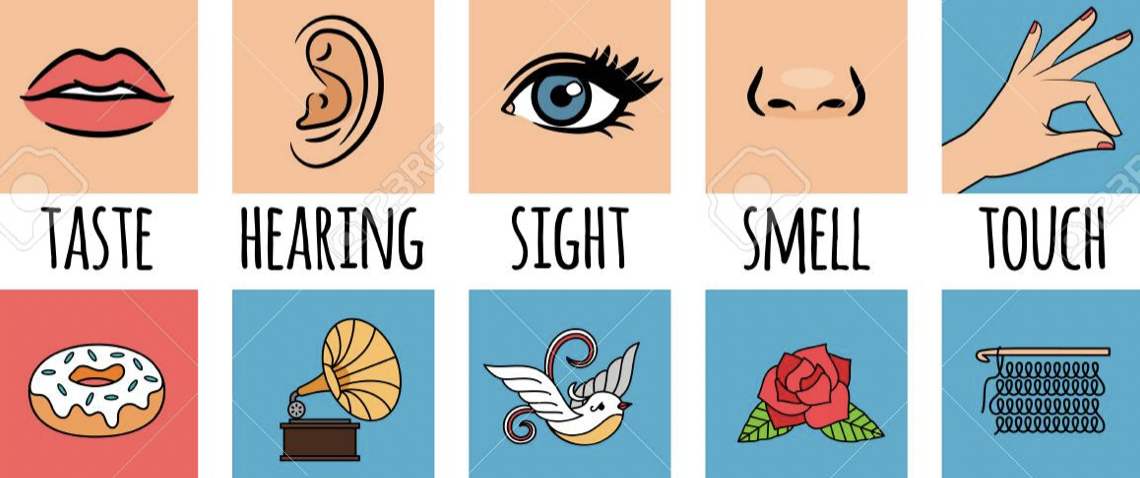
I distinctly remember a writer's workshop that encouraged opening our narratives with the senses. The senses quickly establish the atmosphere and tone of your work. What genre it is, when it is, and so on. It invites you as a writer to really expand your creativity and vocabulary, widening your adjectives and indeed your descriptive writing. Giving your readers a better in-depth image of the characters and their world. To quickly clarify the five senses [and their terms] are of course;
Hearing - Auditory
Sight - Visual
Smell - Olfactory
Taste - Gustatory
Touch - Tactile
1. Method
Firstly, we would do fifteen-minute intervals of sensory writing. This would warm up our writer's hats so to speak. The key is to not go back and alter what you have already written just let your own senses take over and write until that timer goes off. You read back through and pick out the bits you like, the bits you don't and re-write it again. Once you feel satisfied you can change your scenery.
Re-writing is the best writing.

2. Perspective
Secondly, it is important to remember that our senses differ between each of us, for example; your character has a blocked ear, which makes music sound like a vocalist is singing through a gagged mouth trapped in a glass box full of lukewarm water. While your other character can hear the music just fine, in fact, the vibrations of the sound waves tickle the hairs inside their ears.
Immediately there is a distinction between character and their sensory experiences. What if your character is colour-blind or visually impaired? How does one view the leaves in autumn (fall)? Are they a nicotine yellow, a lemon yellow, a deep red like plump grapes, or are they a pale orange, stuck between two shades? You get it right?
So what about taste or tactile senses? Say the character is autistic and a certain food they accidentally eat something they don't like. It's not the taste of the crisp let's say, it's the dry texture of the salt and the burning sensation of the vinegar on the tongue.

3. Narrators Only
What if there isn't a character in your narrative/poem? What if it's nature-based, or purely setting? Well, my advice is to personify your surroundings. The cool raindrops of spring had finally ceased weeping. A courageous little squirrel runs across a top of a damp concrete garage. The taps of the little creature dodging the fresh puddles made the rain's weeping sound like wailing thunder. [These are just examples okay].

As a writer, you can really bring your work to life through sensory descriptions. Ask yourself questions, consider ulterior perspectives, and always re-write your work until you feel satisfied.
Good luck to everyone entering the challenge, and I look forward to reading everyone's work! After all:
"Imagination is more important than knowledge. For knowledge is limited to all we know and understand, while imagination embraces the entire world, and all there ever will be to know and understand."
- Albert Einstein
______________________________________________
Don't forget to leave some love and subscribe! And as always;
Stay safe, stay hopeful and stay blessed! :)
About the Creator
Enjoyed the story? Support the Creator.
Subscribe for free to receive all their stories in your feed.
Comments
There are no comments for this story
Be the first to respond and start the conversation.