
What Yacht Charters in Miami Actually Include — And What Most People Don't Ask About
Beyond the Brochure: A Clearer Look at How Miami Yacht Charters Actually Work

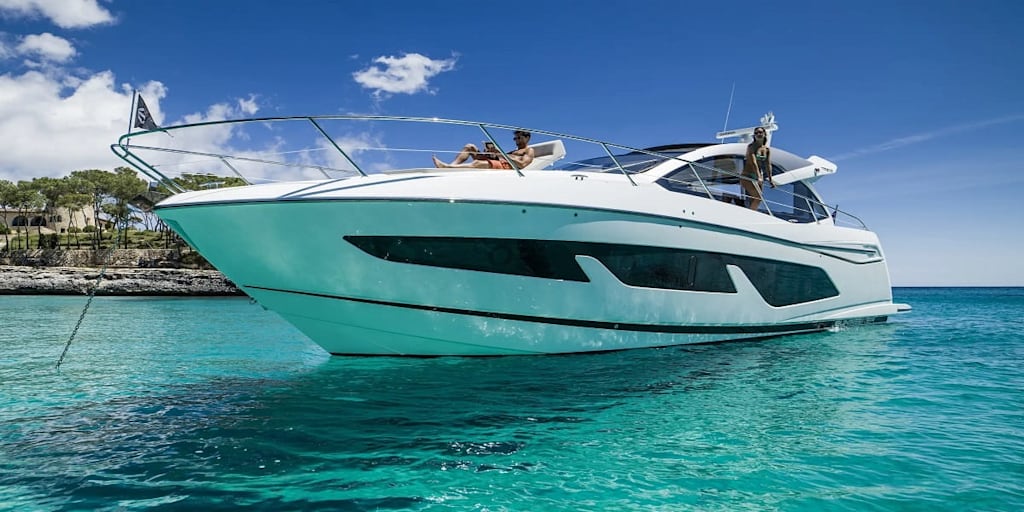
Miami's waterways have long been a defining feature of the city's identity — Biscayne Bay stretching wide and luminous, the Atlantic just beyond Government Cut, and a skyline that looks entirely different from the water than it does from land. It is a city built around the idea of being on the water, and yacht charters have become one of the primary ways that residents and visitors engage with that reality. The charter industry here is mature, well-established, and remarkably varied, offering everything from a few hours on a sleek day cruiser to multi-day journeys through the Florida Keys and beyond.
Yet for all the visibility of this industry, there remains a surprising amount of confusion about what a yacht charter in Miami actually involves — not in the aspirational, brochure sense, but in practical terms. What is included in the price? What falls outside it? What decisions need to be made before departure, and which ones are often left unasked until they become complications? These questions matter whether someone is chartering for the first time or returning to the experience with a clearer sense of what they want. Understanding how charters are structured, what they typically deliver, and where the gaps tend to appear is genuinely useful knowledge — and it is the kind of information that rarely makes it into the marketing materials.
What "All-Inclusive" Actually Means on a Charter
The phrase "all-inclusive" is used liberally in the yacht charter industry, and its definition varies considerably from one operator to another. In the most straightforward interpretation, an all-inclusive charter covers the vessel itself, the crew, fuel, and sometimes basic provisions. In practice, however, the scope of what is included depends heavily on the type of charter, the vessel, and the specific terms negotiated at booking.
On a crewed charter — which is the standard format for most luxury yacht experiences in Miami — the crew typically includes a captain and, depending on the size of the vessel, a first mate or deckhand, and sometimes a steward or chef. The crew's labor is folded into the charter fee, but crew gratuity is almost universally expected as a separate cost, typically ranging between fifteen and twenty percent of the base charter fee. This is one of the most commonly overlooked expenses in first-time charter planning, and it represents a meaningful addition to the overall cost.
Fuel is another variable worth understanding clearly. Smaller day charter vessels often include fuel in their pricing. Larger yachts, particularly those covering significant distances or operating high-powered watercraft like jet skis or tenders, frequently charge fuel separately based on actual consumption. On an extended itinerary that moves from Miami down through the Keys or across to the Bahamas, fuel costs can be substantial. Asking for a clear fuel policy before signing a charter agreement is not overly cautious — it is simply practical.
Provisioning — food, beverages, and supplies — sits in its own category. Some charters offer an optional provisioning package, others work with preferred provisioning companies, and some leave it entirely to the charterer to arrange or bring aboard. Premium beverage packages, specialty menus, and dietary accommodations are typically either priced separately or require advance coordination. For a half-day birthday gathering or a sunset cocktail cruise, this may be straightforward. For a multi-day journey with specific dietary requirements or a desire for a particular culinary experience, provisioning deserves as much attention as the vessel selection itself.
The Difference Between Bareboat and Crewed Charters in Miami
Miami's charter market offers both bareboat and crewed options, though the latter dominates in the luxury segment. Understanding the distinction clarifies a great deal about what the charter experience will actually look like.
A bareboat charter places the vessel entirely in the hands of the charterer. No crew is provided. The person or group chartering the boat is responsible for navigation, operation, safety, and all onboard decisions. In most cases, a bareboat charter requires proof of sailing or boating qualification — legitimate operators will verify competency before handing over the keys to a vessel worth several hundred thousand dollars or more. The appeal of a bareboat charter is autonomy and price: without crew costs, the base rate is lower, and the experience is shaped entirely by the charterer's own preferences and sailing ability.
A crewed charter transfers all operational responsibility to the captain and crew. The charterer's role shifts to that of a guest — present to enjoy the experience, make decisions about the itinerary and pace, and interact with the vessel as a place rather than a machine to be operated. This format is the dominant model in Miami's luxury charter market, and it is what most people picture when they imagine a yacht charter experience. The crew handles navigation, anchoring, safety protocols, and — depending on the vessel and the package — food service, water sports equipment setup, and the general rhythm of the day.
What many first-time charterers do not fully anticipate is the degree to which the quality of the crew shapes the quality of the experience. A skilled, personable captain who knows Miami's waters well — who understands where to anchor for the best snorkeling near Biscayne Bay, which sandbars are ideal at which tides, and how to read weather changes in the late afternoon — adds a dimension to the charter that no vessel specification can replicate. Asking about crew experience and local knowledge is a worthwhile part of any charter selection process.
Itinerary, Weather, and the Flexibility Question
Miami's weather is genuinely beautiful for most of the year, but it is also genuinely unpredictable in specific ways that anyone planning a charter should understand. The Atlantic hurricane season runs from June through November, with the most active period concentrated between August and October. More relevant to day-to-day planning are the afternoon thunderstorms that develop with regularity throughout the summer months — fast-forming, intense, and often brief. A charter that departs at nine in the morning on a clear day may encounter a very different sky by three in the afternoon.
Reputable charter operators build weather flexibility into their contracts, but the specific terms vary. Force majeure clauses, rescheduling policies, and partial refund structures are worth reviewing before booking, particularly for charters planned during the summer or early fall. Charter operators generally do not want to put guests in unsafe conditions any more than the guests themselves do — cancellations and itinerary modifications due to weather are genuinely in everyone's interest — but knowing in advance what happens to a deposit or a full payment when weather intervenes removes uncertainty at an already frustrating moment.
Itinerary flexibility is also a more nuanced matter than it might appear. Miami's charter geography is genuinely rich: the city's urban waterfront, the calm waters of Biscayne Bay, the outer islands, the reef line, Stiltsville, and the upper Florida Keys are all accessible from a Miami departure point. A captain with strong local knowledge can build an itinerary around the group's interests — snorkeling, anchoring at a sandbar, exploring quieter anchorages, or simply cruising the coastline with the skyline in view. But itinerary planning works best when expectations are established in advance rather than improvised once aboard.
Water Toys, Equipment, and What Comes Standard
One of the areas where charter listings most consistently overpromise through implication and under-deliver through omission is the matter of water sports equipment. A vessel photographed with a jet ski in the background or a paddleboard strapped to the stern does not necessarily include those items in the charter fee. Water toys — jet skis, paddleboards, kayaks, inflatable water slides, snorkeling gear, and towable tubes — are either standard inclusions, optional add-ons, or separately rented from a third-party supplier depending on the operator.
This matters more than it might seem. A group of six adults who plan to spend half their charter time in the water, on paddleboards and snorkeling around a reef, will have a fundamentally different experience on a vessel that includes quality gear as standard compared to one where those expectations were assumed but never confirmed. Clarifying exactly what is physically aboard the vessel — not what is pictured in the photo gallery — is a reasonable question that any professional charter company will answer directly.
Snorkeling near Miami has its own geography worth understanding. The coral reef system off Miami-Dade County is part of the Florida Reef Tract, the third-largest barrier reef system in the world. It is accessible from Miami charter vessels, though the distance from the marina to good reef sites means that for shorter charters, the time available for water activities versus transit is a genuine planning consideration. Longer charters, or those departing from marinas closer to the reef, offer more time at the water rather than traveling to it.
Licensing, Insurance, and What Operators Are Required to Provide
The regulatory side of yacht charters in Miami is not the most glamorous part of the conversation, but it is relevant for anyone engaging with a significant financial transaction involving a vessel operating in US coastal waters. Charter operations in Miami are subject to United States Coast Guard regulations, which establish requirements for vessel inspections, passenger capacity limits, captain licensing, and safety equipment. A legitimate charter operator will hold the appropriate USCG documentation and certifications — and a charterer is entitled to ask about them.
Vessel insurance on a charter yacht typically covers the boat and, to varying degrees, liability for incidents occurring during the charter. What it does not typically cover is the personal belongings of guests, any liability arising from guest behavior that falls outside the scope of normal use, or incidents involving separately rented equipment not covered under the vessel's primary policy. Travel insurance that extends to maritime activities is worth considering for extended charters, particularly those crossing into international waters for Bahamas trips originating from Miami.
The Bahamas crossing itself — a popular extension for Miami-based charters — involves Customs and Border Protection requirements on both ends, vessel documentation checks, and specific regulations regarding what can be brought across the border. Charter operators who regularly run Bahamas itineraries handle this paperwork as a matter of routine, but it does add logistical lead time to the planning process that a purely domestic charter does not require.
Conclusion
A yacht charter in Miami is, at its best, one of the more genuinely memorable ways to experience a city that is fundamentally defined by its relationship with water. The industry is well-developed, the vessels are impressive across the range of options available, and the geography — from the urban energy of the Miami River and Biscayne Bay to the quieter beauty of the outer Keys — is as varied as any charter destination in the country.
What makes the difference between an experience that meets expectations and one that exceeds them is almost always the quality of preparation that happens before departure. Understanding what is genuinely included versus assumed, asking the questions that most people leave until later, and engaging with the logistical realities of weather, fuel, provisioning, and crew gratuity transforms the charter from an aspirational idea into a well-organized reality. Miami's waterways are worth experiencing properly — and properly, in this context, begins with knowing exactly what it is that you are actually booking.
About the Creator
Miami Boat Charter
Miami Boat Charters offers the largest and newest selection of fully crewed Boat Charters, Party Boats, & Luxury Yacht Rentals in Miami Beach.
Enjoyed the story? Support the Creator.
Subscribe for free to receive all their stories in your feed.
Comments
There are no comments for this story
Be the first to respond and start the conversation.