
What Trade Shows Teach Brands About Being Understood Quickly
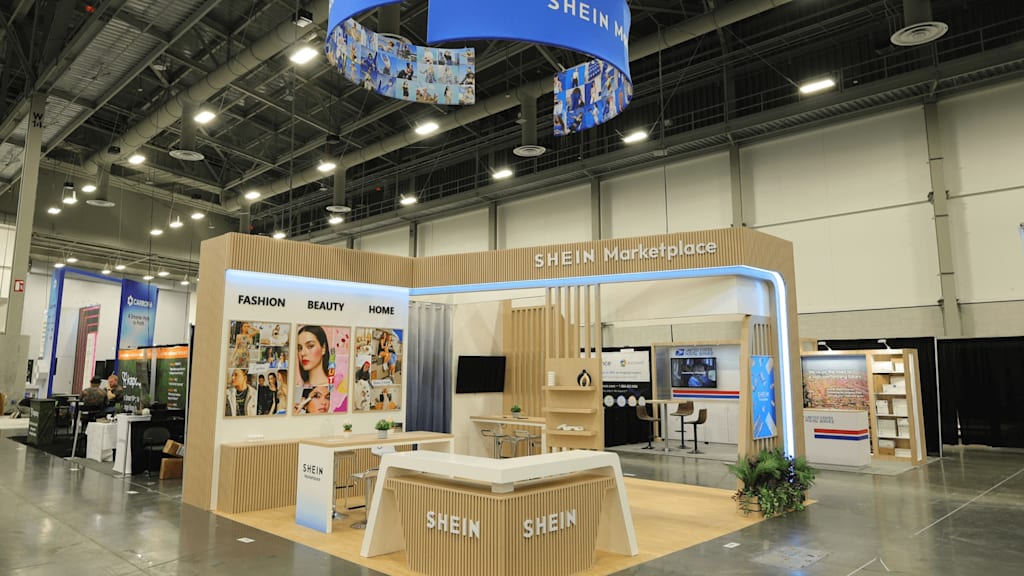
A booth is not only a place to stand. It is a test of whether people can understand your offer in a few seconds.

What Trade Shows Teach Brands About Being Understood Quickly
A trade show can be a strange test for a brand.
You spend weeks, sometimes months, preparing for a few days on the show floor. You review the booth design, print the graphics, confirm the product samples, book the staff, arrange travel, and hope the right people walk past your space.
Then the hall opens.
People move quickly. Some are looking for a specific supplier. Some are just scanning. Some are tired before they even reach your aisle. A few may be perfect buyers, but they will only slow down if they understand what you do almost immediately.
That is where many brands struggle.
They do not struggle because the booth is ugly. In many cases, the booth looks fine. The problem is that the message takes too long to understand.
A visitor should not need a full conversation just to figure out what the company does. The booth should do part of that work before the sales team says a word.
The first few seconds matter more than most people think
At a busy trade show, people rarely stop because of one beautiful graphic. They stop because something feels clear enough to be worth a closer look.
That might be a product they recognize. It might be a short headline that speaks to their problem. It might be a demo counter that makes the offer obvious. It might be a screen showing exactly how the product works.
The first few seconds are not about closing a sale. They are about helping the right person decide whether to stop.
Many exhibitors make the mistake of using broad language that could belong to almost any company. Words like “solutions,” “innovation,” and “experience” may sound professional, but they often do not tell a visitor what is actually being offered.
A better booth answers simple questions quickly:
What do you make?
Who is it for?
What problem does it solve?
Why should someone step closer?
If the booth cannot answer those questions from the aisle, the team inside the booth has to work harder than necessary.
Booth design should support the conversation
A booth is not only a display. It is a working space.
People need to enter, stop, look, ask questions, watch a demo, review samples, sit for a meeting, or move on without feeling trapped. The layout should make those actions feel natural.
This is where planning matters. A company preparing for a 10x20 booth will face different decisions than a company planning a 20x20 or larger island space. A product display, a screen wall, a demo counter, and a meeting area all compete for space. If everything is treated as equally important, the booth can become crowded and unclear.
The best booths usually have a simple order to them. The main message is visible first. The product or demo area is easy to find. The team has room to work. Storage is not in the way. Meeting space is placed where conversations can continue without blocking traffic.
For companies preparing for major shows, especially in busy convention cities, early trade show booth planning in Las Vegas can help avoid layout, logistics, and show-floor problems that are difficult to fix later.
Graphics are not decoration
Graphics are often treated as the final layer of a booth, something added after the structure is approved. That can be a mistake.
Good graphics are not just decoration. They are a guide.
They tell visitors where to look, what to understand first, and why the company matters. A strong graphic does not need to explain everything. It needs to create enough clarity for the right person to begin a conversation.
Too much text can slow people down. Too little information can make the booth look nice but vague. The balance depends on the product, the industry, and the type of buyer walking the show.
A software company may need a screen-led explanation. A food or beauty brand may need product visibility and sampling flow. A manufacturing company may need clear categories and technical proof. A retail brand may need lighting, shelving, and a layout that helps buyers compare products quickly.
The graphic plan should match the way people actually shop, evaluate, and ask questions.
The booth team needs space to work
A booth can look good in a rendering and still fail the people working inside it.
If staff members have nowhere to stand, if product samples are hard to reach, if the demo area blocks the aisle, or if private conversations happen too close to traffic, the team will feel it immediately once the show opens.
That is why booth planning should include the people who will actually work the event.
How many team members will be present?
Will they need tablets or catalogs?
Will they scan badges?
Will they run demos?
Will buyers need to sit down?
Will samples need to be stored or restocked during the day?
These details sound small, but they shape the booth experience. A good booth helps the team move smoothly from greeting to explanation to follow-up. A poorly planned booth makes the team improvise all day.
Logistics can change the final result
Some of the most important booth decisions are not visible in the design.
Freight timing, crates, graphics, electrical access, flooring, monitor placement, installation sequence, and final punch-list checks all affect what visitors see on opening day.
A booth does not become real until it is installed. That is when small planning gaps become obvious. A graphic panel may not fit. Power may be in the wrong place. A counter may block a product display. A meeting area may feel too exposed. A screen may face the wrong direction.
The earlier these details are discussed, the fewer surprises there are during move-in.
This is especially important for exhibitors who are traveling into a city for a major show. They may know their product well, but they may not know the venue process, labor rules, freight timing, or installation pressure. Waiting too long to plan those details can turn a simple booth into a stressful setup.
The real goal is clarity
A trade show booth does not need to impress everyone.
It needs to help the right people understand the brand, stop for the right reason, and start a useful conversation.
That is a simpler goal, but not an easy one.
It requires clear messaging, practical layout, useful graphics, enough working space, and a setup plan that can survive the pressure of move-in. It also requires the company to think beyond how the booth looks and ask how the booth will actually work.
Because once the hall opens, the booth is no longer a design file.
It is a live business environment, with real people moving through it, making quick decisions about what is worth their time.
About the Creator
CircleExhibit
Circle Exhibit is a Las Vegas-based exhibit partner supporting trade show booth design, fabrication, logistics, installation, and dismantle for exhibitors across U.S. trade shows.
Enjoyed the story? Support the Creator.
Subscribe for free to receive all their stories in your feed.
Comments
There are no comments for this story
Be the first to respond and start the conversation.