
What to Consider Before Engaging a Personal Styling Service
A closer look at expectations, value, and the evolving role of personal styling

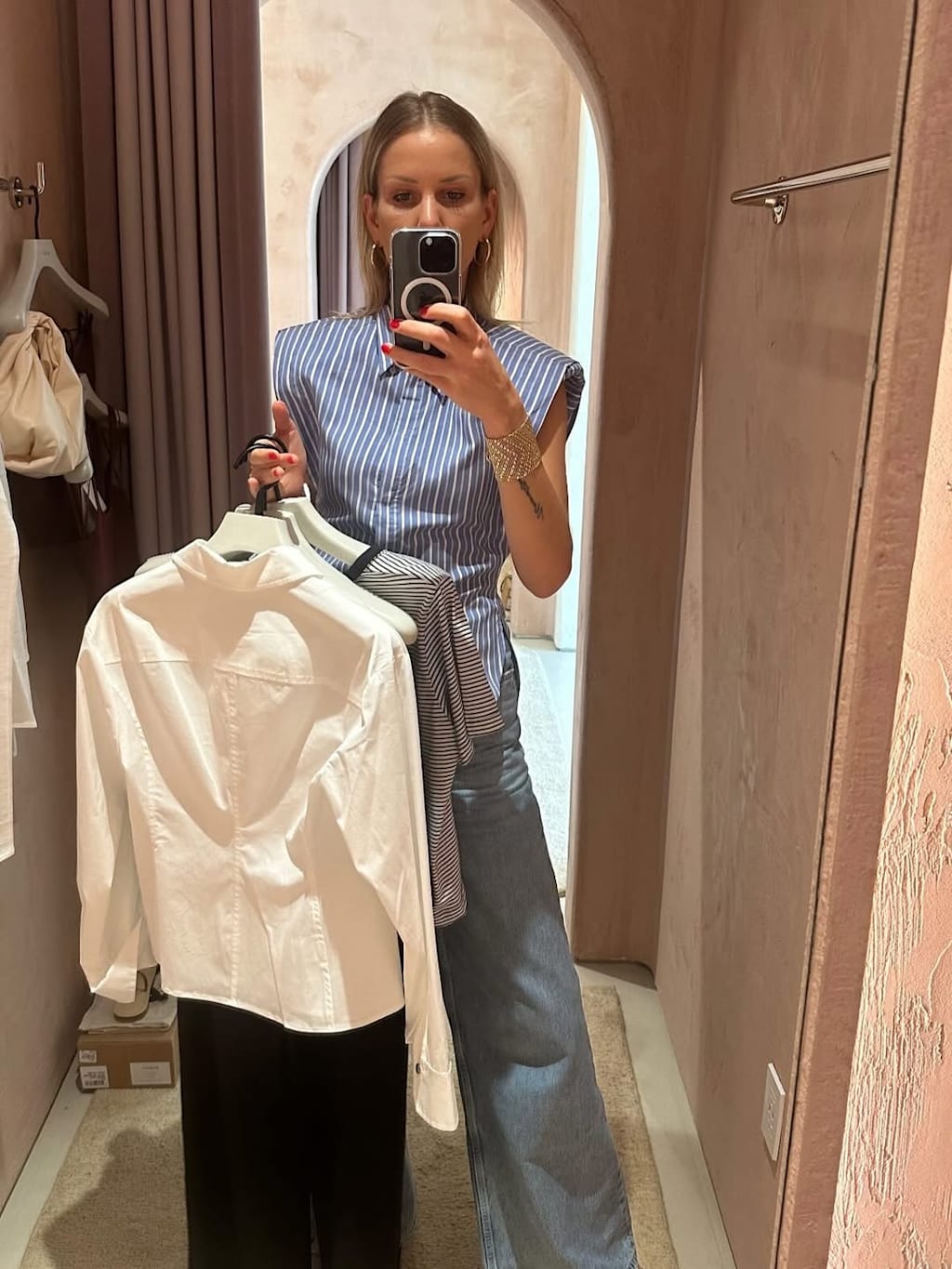
In contemporary lifestyle culture, personal styling has moved beyond a niche luxury service and into a broader conversation about identity, consumption, and how individuals relate to clothing. As wardrobes become more closely tied to professional image, social presence, and personal expression, the idea of engaging a personal styling service has gained visibility across urban environments, creative industries, and high-paced professional spaces.
Yet, despite its growing popularity, there remains a degree of ambiguity around what personal styling services actually involve and what should be considered before engaging one. The decision is not simply about aesthetics or convenience; it often intersects with expectations about lifestyle, communication, budgeting, and long-term wardrobe direction.
Understanding these dimensions helps clarify not only what such services offer, but also what thoughtful engagement with them requires.
Understanding the Scope of Personal Styling Services
One of the most important considerations before engaging a personal styling service is the scope of what such services encompass. The term “personal styling” is often used broadly, but in practice, it can refer to a range of approaches that differ significantly in depth and function.
Some services focus primarily on visual styling for specific occasions, such as events, public appearances, or seasonal updates. Others take a more comprehensive approach, considering the entire wardrobe as an evolving system that reflects lifestyle patterns, professional needs, and personal preferences over time.
This variation is significant because expectations often determine satisfaction. Without clarity on whether the service is intended for short-term styling or long-term wardrobe development, misunderstandings can easily arise. In modern fashion culture, where “wardrobe curation” and “personal styling services” are sometimes used interchangeably, distinguishing between them becomes especially relevant.
A clear understanding of scope also includes recognizing the level of involvement expected from the client. Some styling frameworks require active collaboration, where preferences, lifestyle details, and feedback shape outcomes. Others operate with more directive expertise, where decisions are largely guided by the stylist’s interpretation of the client’s needs.
The Role of Personal Aesthetic and Individual Identity
Clothing is no longer viewed purely as functional attire; it is widely understood as an extension of personal identity. This shift has influenced how styling services operate and what individuals expect from them.
Before engaging a personal styling service, it is important to consider how personal aesthetic is defined and communicated. While stylists bring professional knowledge of proportion, color theory, and wardrobe structure, the underlying direction still depends on how individual identity is interpreted and expressed.
In many cases, challenges arise not from a lack of expertise, but from unclear or evolving personal style identity. Modern wardrobes are often shaped by multiple influences—professional environments, cultural exposure, travel, digital media, and shifting lifestyle demands. As a result, personal style is rarely static.
This makes the alignment between stylist and individual particularly important. A styling service functions most effectively when there is a shared understanding of what feels authentic, appropriate, and sustainable over time. Without this alignment, even well-curated wardrobes can feel disconnected from the person wearing them.
Budget Expectations and the Reality of Wardrobe Investment
Another key consideration involves financial expectations and how wardrobe investment is approached. Personal styling services often intersect with broader conversations about consumption, value, and long-term wardrobe planning.
It is common for styling discussions to extend beyond the service itself into purchasing decisions. This includes new garments, wardrobe restructuring, or replacing items that no longer align with updated styling direction. As such, the financial aspect is not limited to service fees but extends into the overall wardrobe ecosystem.
In contemporary fashion discourse, there is increasing awareness of “intentional consumption,” where emphasis is placed on fewer, more versatile, and higher-quality pieces. However, applying this principle in practice depends on individual priorities, lifestyle requirements, and budget flexibility.
Understanding this dimension beforehand helps establish realistic expectations. A personal styling service is not separate from wardrobe investment; rather, it often guides how that investment is distributed and prioritized. Without clarity on this, there can be a disconnect between envisioned outcomes and practical spending considerations.
The Importance of Communication and Collaboration
At the core of effective personal styling lies communication. While expertise plays a significant role, the outcome is shaped equally by how clearly preferences, limitations, and expectations are expressed.
Before engaging a styling service, it is important to recognize that the process is inherently collaborative. Even when the stylist takes the lead in structuring wardrobe direction, the foundation is built on shared understanding. This includes lifestyle details, comfort levels, professional requirements, and even cultural or environmental considerations.
Misalignment in communication is one of the most common reasons styling outcomes may feel unsatisfactory. Not because of a lack of skill, but because the subjective nature of style requires clarity that is often underestimated.
In modern urban contexts, where schedules are fast-paced and wardrobes serve multiple roles—from professional to social to travel-related—the ability to communicate effectively becomes even more critical. A styling service can only reflect what is understood, and clarity shapes both efficiency and outcome quality.
Lifestyle Relevance and Long-Term Practicality
Personal styling is increasingly tied to lifestyle functionality rather than purely visual transformation. This shift reflects broader changes in how wardrobes are used in everyday life.
Before engaging a styling service, consideration should be given to how clothing functions within actual routines. This includes professional environments, climate conditions, travel frequency, social commitments, and even spatial limitations in wardrobe storage.
A well-considered styling approach does not only prioritize appearance but also usability. In many cases, the most effective wardrobes are those that reduce decision fatigue, support versatility, and remain adaptable across different contexts.
This practical dimension is particularly relevant in metropolitan environments where time efficiency and flexibility are highly valued. Clothing becomes part of a larger system of daily functioning rather than an isolated aesthetic category.
As such, the value of a styling service is often measured not only by visual improvement but by how seamlessly it integrates into lived experience over time.
Evolving Expectations in Contemporary Styling Culture
The perception of personal styling has evolved alongside changes in fashion culture, technology, and lifestyle expectations. What was once viewed primarily as a luxury service associated with high-profile individuals is now more broadly accessible and often integrated into everyday lifestyle planning.
This evolution has also changed expectations. There is a growing emphasis on sustainability, wardrobe longevity, and adaptability rather than rapid transformation or trend-driven change. At the same time, digital influences have introduced new layers of inspiration and comparison, shaping how individuals perceive their own wardrobes.
Before engaging a styling service, it is useful to consider how these broader cultural influences affect expectations. The relationship between personal style and external influence is increasingly complex, and clarity about priorities can help ensure that outcomes remain aligned with long-term preferences rather than short-term trends.
In this context, personal styling is less about creating a fixed image and more about navigating evolving identity within practical and aesthetic boundaries.
Conclusion
Engaging a personal styling service is ultimately less about a single transformation and more about entering into a structured relationship with how clothing is understood, organized, and experienced. It involves considerations that extend beyond aesthetics into areas of identity, communication, lifestyle functionality, and financial planning.
When approached with clarity, awareness, and realistic expectations, personal styling can become a meaningful framework for refining wardrobe decisions over time. However, the value of such a service is closely tied to the quality of alignment between individual needs and the structure of the service itself.
In an era where personal image is increasingly interwoven with daily life, thoughtful consideration before engaging a styling service becomes not just practical, but essential.
About the Creator
Elsab Styling
At ElsaB Styling, we specialize in providing bespoke, high-end personal styling services for high-net-worth individuals, CEOs, executives, and VIPs.
Enjoyed the story? Support the Creator.
Subscribe for free to receive all their stories in your feed.
Comments
There are no comments for this story
Be the first to respond and start the conversation.